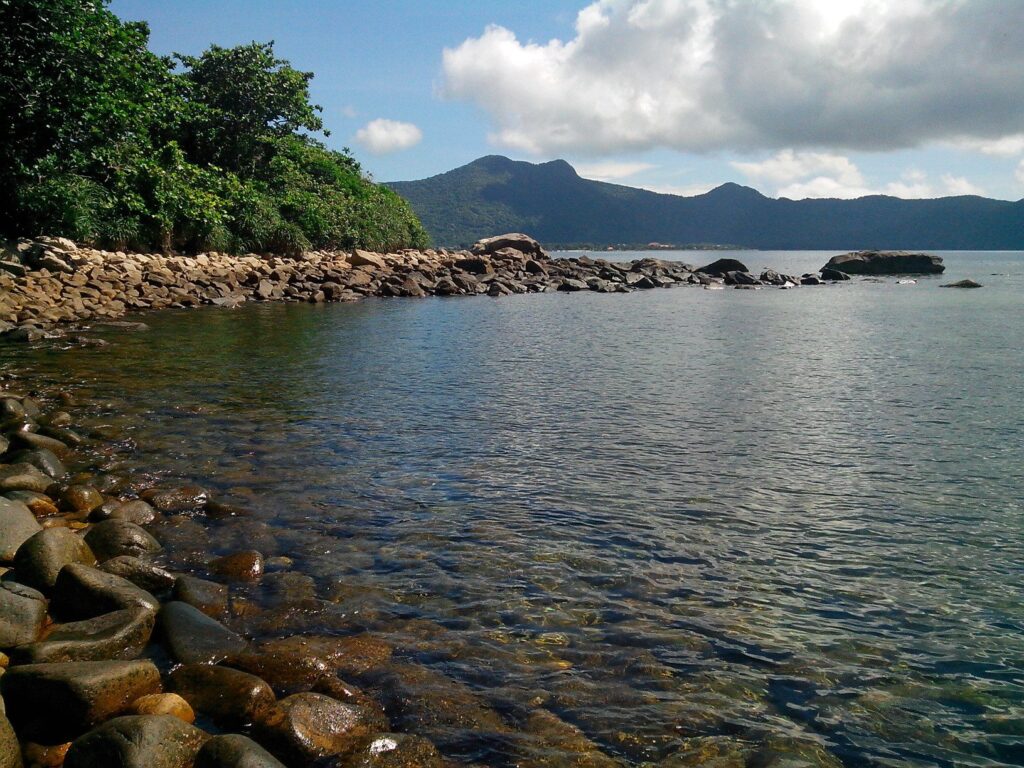
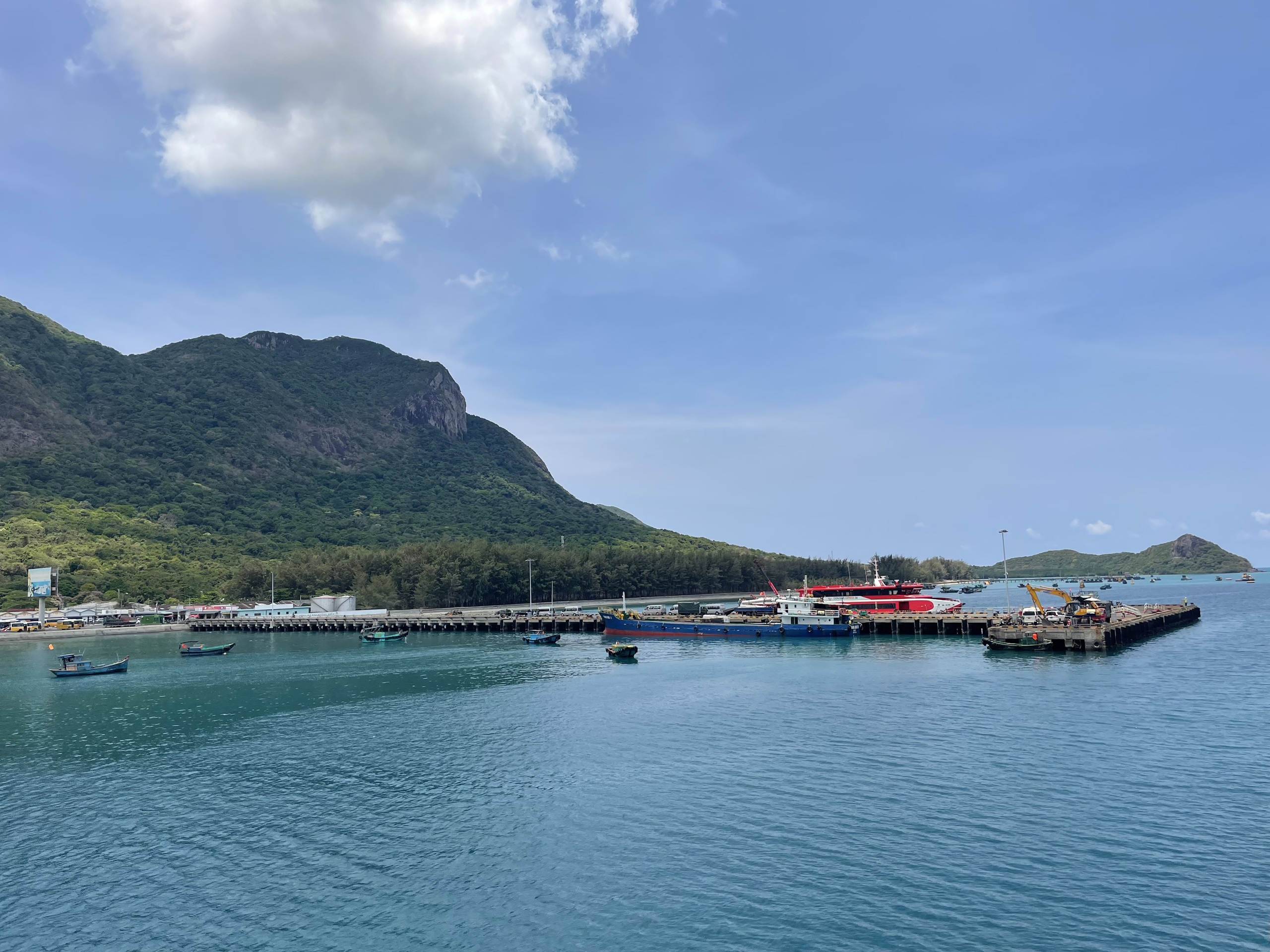
Ben Dam Port in Con Dao is not only a vital maritime transportation gateway connecting the islands with mainland Vietnam but also an important center for fisheries logistics, cargo handling, and tourism services. Located in a naturally sheltered bay surrounded by mountains, the port plays a crucial role in supporting the daily life, economic activities, and tourism development of the Con Dao Archipelago.
With its strategic location, favorable natural conditions, and growing demand for passenger and cargo transportation, Ben Dam Port has become one of the most important infrastructure facilities in Con Dao. Plans to upgrade and expand the port aim to improve its operational capacity and transform it into a modern multipurpose maritime facility.
Overview of Ben Dam Port in Con Dao
Ben Dam Port is located in Ben Dam Bay, within the Con Dao Special Zone, Ho Chi Minh City, Vietnam. The port lies approximately 15 kilometers from the center of Con Dao, between Con Son Island and Hon Ba Island.
One of the port’s greatest natural advantages is its sheltered geographical setting. Surrounded by mountainous terrain, including Thanh Gia Mountain and Dinh Tinh Yeu (Lovers’ Peak), Ben Dam Bay provides relatively calm waters and favorable conditions for vessels to anchor, load cargo, and transport passengers.
This natural protection has made the bay an important maritime location for generations, particularly for fishing boats, cargo vessels, and passenger ships operating between Con Dao and mainland Vietnam.
Ben Dam Port functions as a multipurpose port, accommodating various types of maritime transportation, including general cargo vessels, dry cargo ships, and passenger vessels.
According to the reference information, the port is operated by the Ben Dam Port Management Board, while specialized state maritime administration falls under the jurisdiction of the Vung Tau Maritime Port Authority.
The port serves as a major arrival and departure point for travelers reaching Con Dao by sea. It also plays an essential role in supplying the islands with food, construction materials, consumer goods, fuel, and other necessities.
As an offshore archipelago, Con Dao depends heavily on reliable maritime transportation. Ben Dam Port therefore has a significance that extends far beyond tourism, contributing directly to the islands’ economic stability and everyday life.
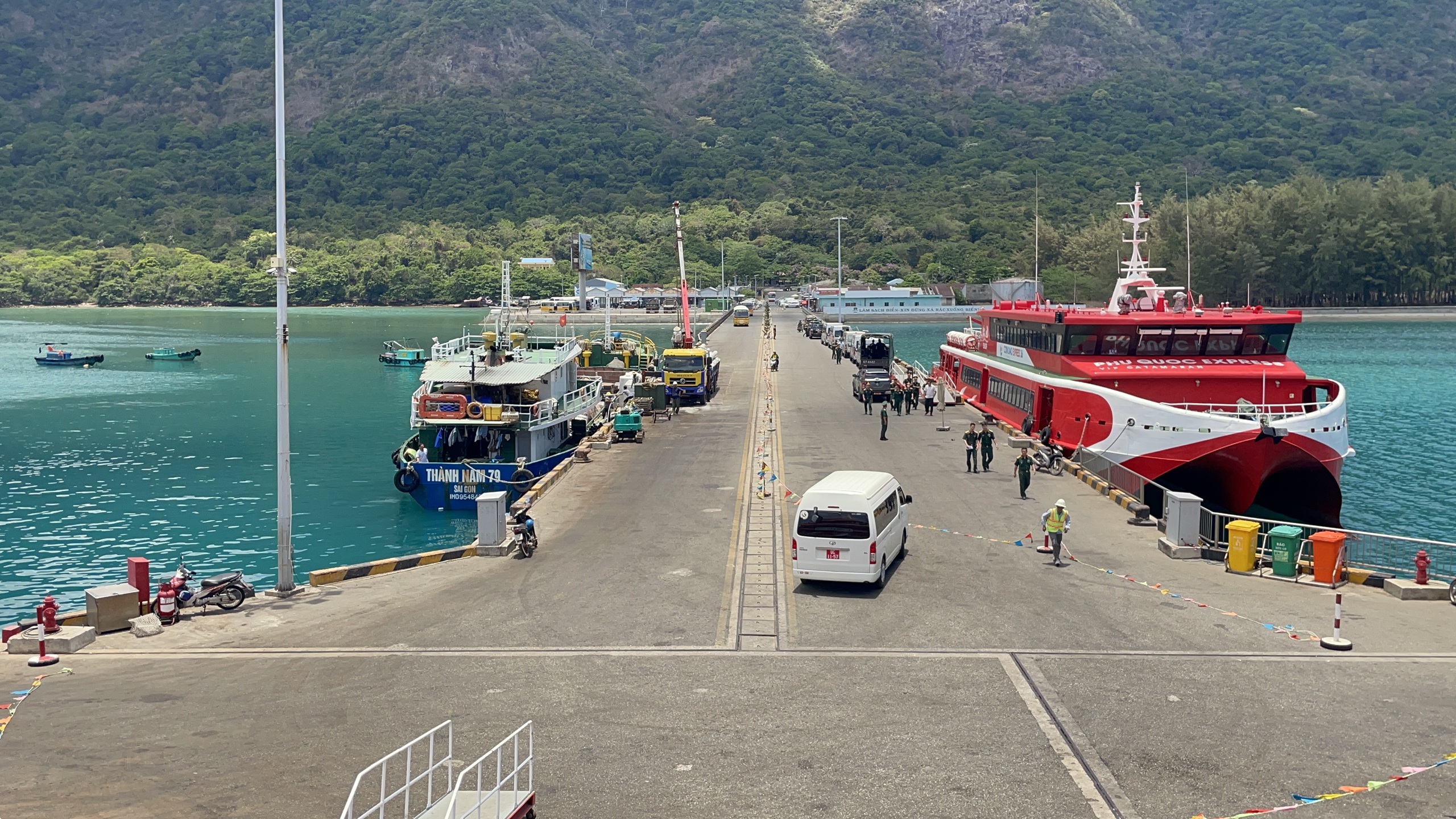
Technical Specifications and Operational Capacity
Ben Dam Port was originally developed with a relatively modest design capacity. However, increasing demand for transportation, tourism, and logistics has placed growing pressure on its infrastructure.
According to the supplied technical information, Berth No. 1 has the following specifications:
| Technical specification | Details |
|---|---|
| Port area | 2.7 hectares |
| Berth length | 82 meters |
| Berth width | 14 meters |
| Maximum vessel capacity | 2,000 DWT |
| Designed cargo throughput | 30,000 tonnes per year |
| Port type | Multipurpose port |
| Main activities | Cargo handling, passenger transportation, and maritime logistics |
Despite its original designed cargo-handling capacity of 30,000 tonnes annually, the reference material indicates that actual cargo throughput has reached approximately 300,000 tonnes per year, around ten times the initial design capacity.
The port has also been reported to handle approximately 40,000 to 50,000 passenger movements annually in the period reflected by the source figures.
These historical operating figures illustrate the pressure placed on the original infrastructure and the need for further investment. They should not be interpreted as verified current-year statistics.
The increasing volume of passengers and goods highlights the importance of expanding port facilities, improving cargo-handling efficiency, and ensuring safe operations for different vessel categories.
In addition to domestic passenger and cargo services, Ben Dam Bay has the geographical potential to accommodate a wider range of maritime activities, subject to vessel specifications, port infrastructure, and applicable operating regulations.
Strategic Importance of Ben Dam Port
Ben Dam Bay is recognized as one of the deepest natural bays in the Con Dao Archipelago, with a reported average water depth of approximately 12 meters.
Combined with its sheltered position between mountainous islands, this natural depth makes the bay particularly suitable for maritime transportation and port development.
A major maritime gateway to Con Dao
Ben Dam Port serves as an important connection between Con Dao and mainland destinations, including Vung Tau and Soc Trang, as well as other locations served by authorized maritime routes.
Passenger vessels and cargo ships use the port to transport travelers, supplies, and commercial goods between the archipelago and the mainland.
For visitors arriving by sea, Ben Dam Port is often their first introduction to Con Dao. The surrounding mountains, coastal scenery, and sheltered waters create a distinctive arrival experience.
A center for fisheries logistics
The port also supports fishing activities in the surrounding maritime region.
Fishing vessels can access essential services such as fuel, freshwater, supplies, cargo handling, and other logistical support.
These services contribute to the development of offshore fisheries and help sustain the livelihoods of communities connected with the fishing industry.
A key facility for island supplies
Because Con Dao is geographically separated from the mainland, maritime transportation is essential for maintaining a stable supply of goods.
Ben Dam Port facilitates the movement of construction materials, food products, equipment, and other necessities required by residents, businesses, and public services.
Its operational capacity therefore directly affects the cost, availability, and reliability of supplies reaching the islands.
Tourism and marine recreation
Beyond its transportation and logistics functions, Ben Dam Bay offers opportunities for tourism and recreational activities.
The surrounding coastal landscapes, sheltered waters, and scenic mountain views contribute to the area’s appeal.
The Hong Dam area, described in the reference material as having relatively shallow waters of around two meters in some locations, has been associated with fishing and water-based recreational activities.
Any tourism or marine sports activities must comply with maritime safety requirements, local zoning regulations, and environmental protection measures.
Ben Dam Port Expansion and Development Plans
The increasing demand for passenger transportation, cargo handling, and maritime logistics has made the expansion of Ben Dam Port an important infrastructure development priority.
According to the planning information provided, the former Ba Ria – Vung Tau provincial authorities approved proposals to upgrade and expand the port into a larger multipurpose maritime facility.
The planning area covers approximately 89.23 hectares, with different functional zones intended to support transportation, logistics, tourism, and related services.
Mixed-use tourism and commercial services
The northeastern area of the port is planned for mixed-use development, including accommodation, commercial facilities, and services supporting tourism.
Potential facilities include guesthouses, hotels, retail establishments, and other services catering to passengers and visitors.
These developments are intended to improve the overall visitor experience while supporting economic activity around the port.
Northwestern logistics and support facilities
The northwestern area is designated for maritime logistics and supporting industries with limited environmental impacts.
Planned functions include seafood cold-storage facilities, mechanical workshops, maritime support services, and other logistics-related activities.
Such infrastructure would improve the efficiency of fisheries operations and strengthen the port’s role as a regional service center.
Expanded cargo storage and handling areas
Additional warehouse and storage facilities are intended to increase cargo-handling capacity and improve the movement of goods between Con Dao and the mainland.
Greater storage capacity would help address logistical constraints, particularly during periods of high transportation demand or unfavorable weather.
Improved maritime infrastructure
The broader development direction focuses on enhancing the port’s ability to accommodate passenger vessels, cargo ships, and supporting maritime services.
Upgraded facilities could improve operational efficiency, passenger safety, and the reliability of transportation services.
However, the planning proposals described above should be distinguished from completed construction works. The current implementation status, approved project scope, and operating capacity require confirmation from the relevant authorities.
As Con Dao continues to develop, the modernization of Ben Dam Port is expected to remain an important component of the islands’ transportation and economic infrastructure.
How to Get to Ben Dam Port in Con Dao
Ben Dam Port is located approximately 15 kilometers from central Con Dao, making it accessible by road.
Travelers can reach the port by taxi, electric vehicle, motorcycle, or other locally available transportation services.
The journey generally takes around 20 to 30 minutes, depending on the departure point, road conditions, and traffic.
One of the highlights of traveling to Ben Dam Port is the scenic coastal road, which offers beautiful views of the sea, forested mountains, and natural landscapes.
Along the way, visitors may pass several well-known attractions.
Bai Nhat Beach is one of the scenic coastal locations along the route. Its natural shoreline, clear waters, and surrounding mountains make it an attractive place to admire the island landscape.
Dinh Tinh Yeu (Lovers’ Peak) is a distinctive mountain landmark associated with the scenery of southern Con Dao. Its recognizable silhouette adds to the visual character of the route toward Ben Dam Bay.
The drive to the port is therefore more than a practical transfer. It can also be an enjoyable opportunity to experience the coastal beauty of Con Dao.
Travelers departing by ferry should allow sufficient time for transportation, check-in procedures, and boarding requirements.
It is advisable to confirm the exact departure terminal and reporting time with the ferry operator before traveling to the port.
Important Travel Tips
For passengers using Ben Dam Port, several practical considerations can help ensure a smoother journey:
- Check the latest ferry schedules and departure information before traveling.
- Arrive at the port according to the check-in time required by the vessel operator.
- Bring valid identification documents and booking confirmations.
- Monitor marine weather forecasts, particularly during periods of strong winds or rough seas.
- Allow extra travel time when departing from central Con Dao.
- Follow the instructions of port personnel and maritime authorities.
- Confirm luggage allowances and transportation conditions with the relevant operator.
Because sea conditions can affect ferry operations, passengers should remain flexible when planning connections with flights, accommodation, or other travel arrangements.
Ben Dam Port and the Future of Con Dao’s Maritime Economy
Ben Dam Port is an essential part of Con Dao’s transportation network and economic infrastructure.
Its importance extends across several sectors, including passenger transportation, cargo logistics, fisheries, tourism, and the supply of essential goods.
The port’s naturally sheltered location and proximity to maritime routes provide favorable conditions for long-term development.
At the same time, increasing transportation demand highlights the need for infrastructure modernization, effective operational management, and environmental protection.
Future development must balance economic growth with the preservation of Con Dao’s natural landscapes and marine ecosystems.
Improved port infrastructure could support more efficient transportation, strengthen the reliability of island supplies, and enhance the experience of travelers arriving by sea.
As one of the principal maritime gateways to the Con Dao Archipelago, Ben Dam Port will continue to play a central role in connecting the islands with mainland Vietnam and supporting the sustainable development of Con Dao.
Quick Facts
| Information | Details |
|---|---|
| Official name | Ben Dam Port |
| Vietnamese name | Cảng Bến Đầm |
| Location | Ben Dam Bay, Con Dao Special Zone, Ho Chi Minh City, Vietnam |
| Distance from central Con Dao | Approximately 15 km |
| Geographical setting | Between Con Son Island and Hon Ba Island |
| Port type | Multipurpose maritime port |
| Port operator | Ben Dam Port Management Board, according to the reference material |
| Maritime authority | Vung Tau Maritime Port Authority |
| Original port area | 2.7 hectares |
| Berth No. 1 length | 82 meters |
| Berth No. 1 width | 14 meters |
| Maximum vessel capacity | 2,000 DWT |
| Original designed throughput | 30,000 tonnes per year |
| Reported historical cargo throughput | Approximately 300,000 tonnes annually |
| Reported historical passenger traffic | Approximately 40,000–50,000 passenger movements annually |
| Average bay depth | Approximately 12 meters |
| Planning area | 89.23 hectares |
| Main functions | Passenger transport, cargo handling, fisheries logistics, and maritime services |
| Road travel time from central Con Dao | Approximately 20–30 minutes |
| Nearby attractions | Bai Nhat Beach and Lovers’ Peak |