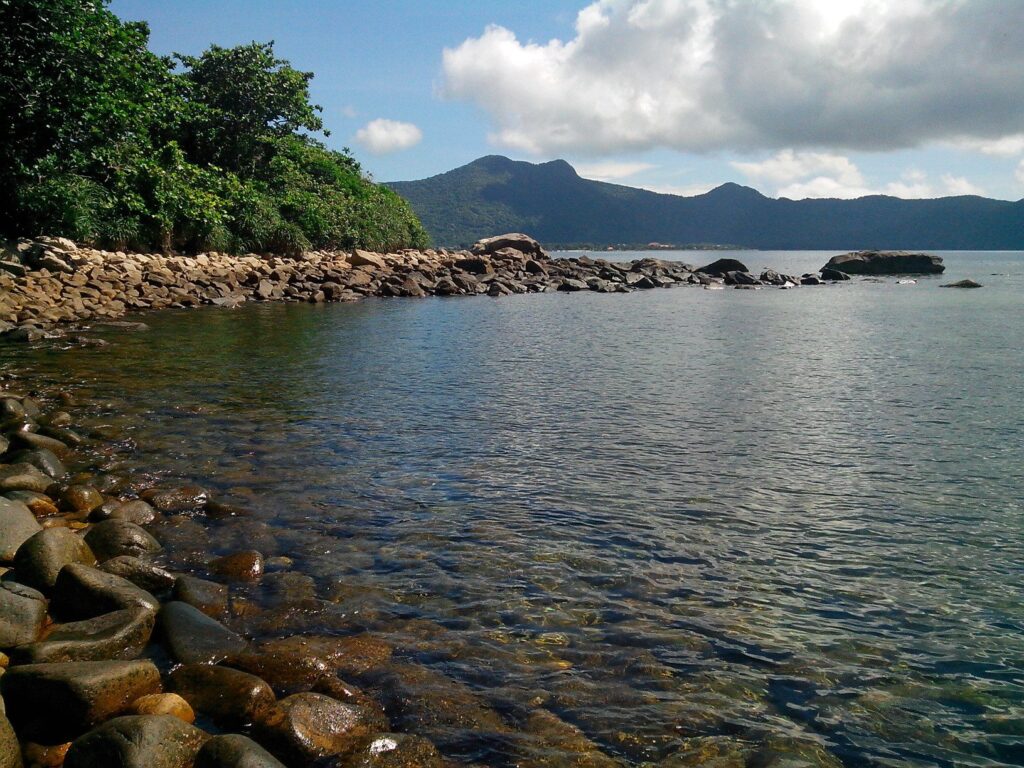
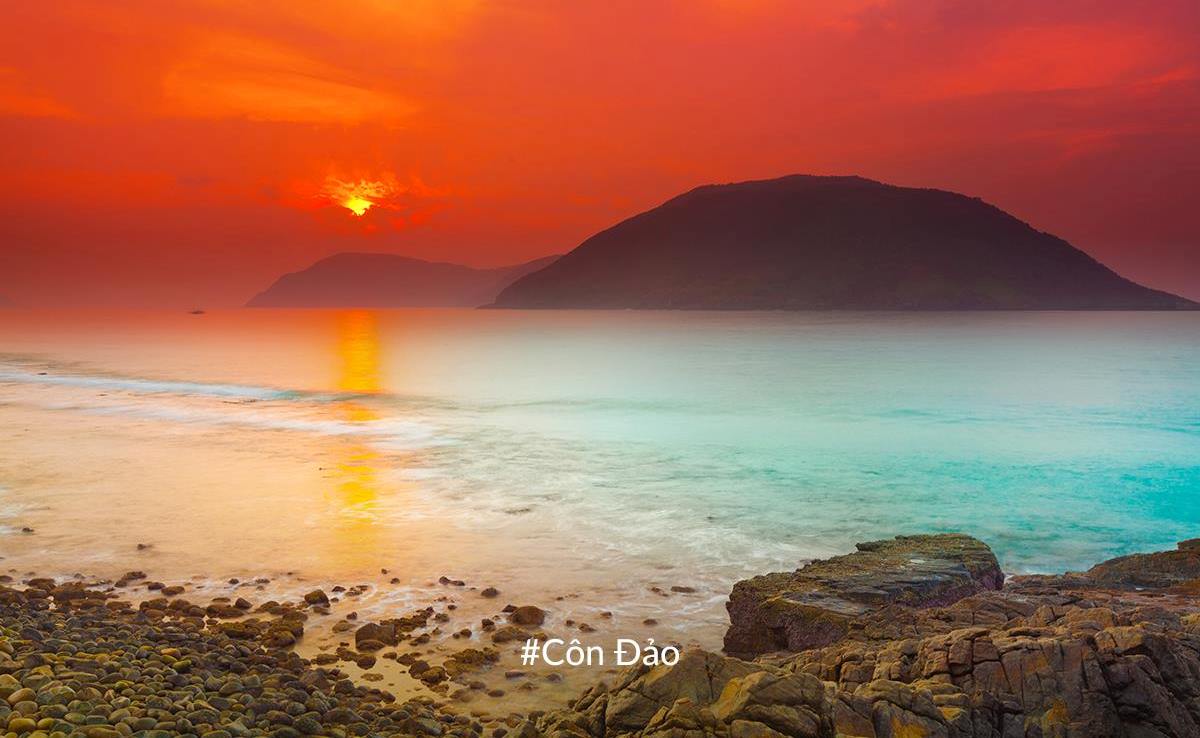
Con Dao is one of Vietnam’s most significant destinations, distinguished by its outstanding natural environment and profound cultural–spiritual heritage. Widely regarded as one of the most beautiful island regions in the country, Con Dao features mountainous terrain covered in lush tropical forests that form a majestic backdrop for the historic prison complex built by French colonists, the U.S. administration, and the Saigon regime, as well as for the charming Con Son town. Surrounding the main island are pristine seas that host some of Vietnam’s most beautiful coral reefs and premier diving sites, and the archipelago is also the nation’s largest nesting ground for sea turtles.
Con Dao holds immense historical and cultural importance as it functioned as a French colonial prison from the early 1860s and later, from the mid-1950s, under the U.S.-backed southern government. Many of Vietnam’s most influential leaders and national heroes were once imprisoned here, and many prisoners sacrificed their lives on the island.
For these reasons, the Government of Vietnam designated the Con Dao Prison System as a National Special Relic Site (Decision No. 548/QĐ-TTg, May 10, 2012). The Provincial Party Committee, People’s Council, and People’s Committee of Ba Ria–Vung Tau also established a national memorial here to honor Con Dao’s profound meaning to the Vietnamese people—today a powerful symbol of peace and freedom.
During the resistance wars, French colonialists and the U.S.–Saigon regime turned Con Dao into a true “hell on earth.” After liberation, Vietnam invested heavily in restoring and honoring this revolutionary heritage, bringing encouraging changes. Yet the martyrs of Con Dao did not sacrifice so that the island would exist merely as a national altar—they fought for an independent, free Vietnam in which Con Dao would also thrive: prosperous, strong, equitable, and civilized. From that perspective, it is essential to mobilize the collective strength of the nation, with the Party Committee and political system of Ba Ria–Vung Tau playing a core role in both planning and implementation. I propose several directions:
Continuing to Shine Light on the Historic Relic System
Considerable investments have been made to restore memorial areas: the Con Dao Monument, memorial houses, the traditional exhibition center, Hang Duong Cemetery, the prison camps, and more. These efforts significantly illuminate the heroic legacy of Con Dao. However, several points merit further consideration:
First, although Hang Duong Cemetery has been restored with great effort, it is important to remember that the bodies buried here lie in multiple layers—one above another. Visitors should be introduced to a visual model or interpretation of this reality before entering the cemetery to understand its true depth and tragedy. Besides Hang Duong, burial grounds also exist at Hang Keo and on Hon Tre Island, where many prisoners from the French colonial period were interred. Everything must be done with utmost reverence and gratitude—while also preventing superstition from distorting meanings. The late Prime Minister Vo Van Kiet once said: why burn three sticks of incense when we could build a towering beacon that shines across the sea—symbolizing the sacred spirit of Con Dao calling out to future generations? Perhaps we could transform the Con Dao lighthouse into a brighter beacon, guiding visitors to this island of sanctity, hospitality, and healing.
Second, after liberation, Vietnam preserved the prison structures nearly intact. This was necessary and commendable. However, should we continue preserving every structure in its entirety? It may be more effective to selectively restore representative sections that best illustrate each era. Most importantly, we must clearly distinguish between the prison regimes under French rule and under the United States and the Saigon administration—particularly the two categories of political prisoners during the U.S. era: those coerced into declaring “renunciation” and those who refused. The relics must reveal the enemy’s cruel policies during each period and, at the same time, highlight the unwavering revolutionary spirit of the prisoners, who organized underground networks, maintained communication across camps, led resistance movements, and turned the prison into a “revolutionary school.” Exhibits about the prison wardens may be retained, but they must clearly expose the crimes of each individual—lest visitors mistake their uniformed statues for symbols of authority rather than oppression.
Building a Prosperous Con Dao Alongside Preserving Its Heroic Tradition
To enrich Con Dao, we must honor its revolutionary legacy while also transforming its natural blessings—mountains, forests, coves, long white-sand beaches, turquoise waters, coral reefs, sea turtles, rare marine species, pearl-farming areas, and unique rock formations—into distinctive attractions. These can form a network of stunning viewpoints, nature reserves, tourism complexes, resorts, restaurants, marinas, improved village roads, and coastal routes that welcome visitors to explore, relax, and enjoy the island’s pure environment.
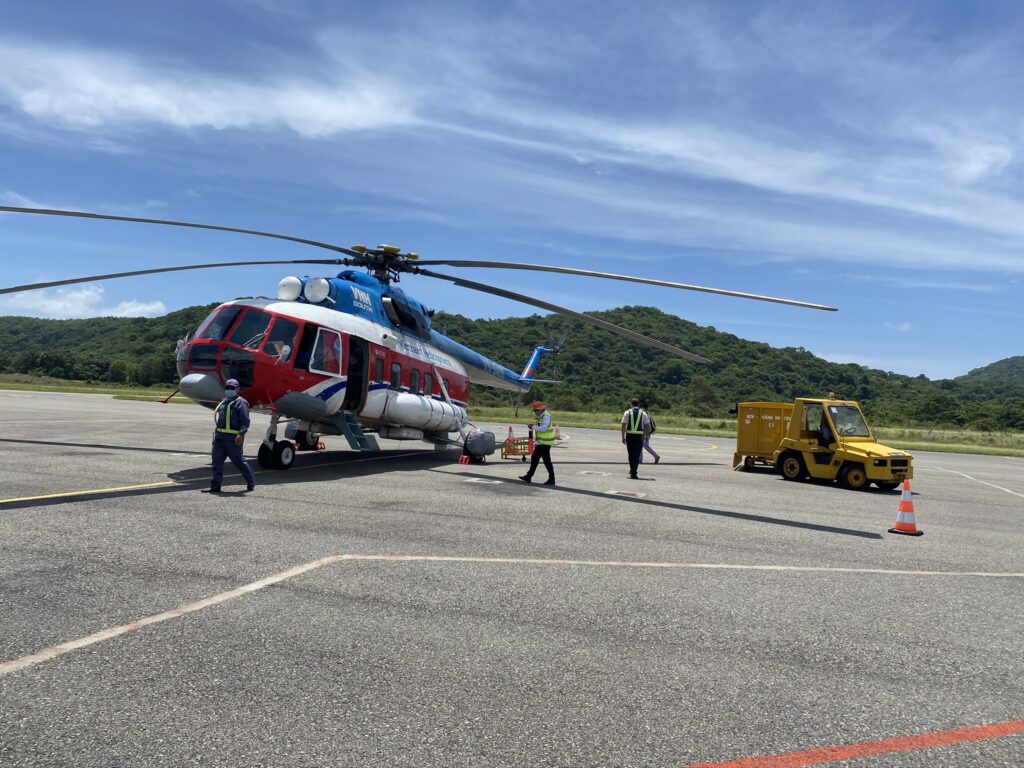
Along with strengthening service zones, tour routes, and leisure facilities, I fully support upgrading Con Dao’s airport and port to facilitate greater visitor access. Both aspects—heritage and tourism—are equally essential. Each enhances the other. Investments should be designed so that visitors not only come once but return again and again, for in tourism, the visitor is king.
Trần Văn Khánh
Former Secretary of the Ba Ria–Vung Tau Provincial Party Committee