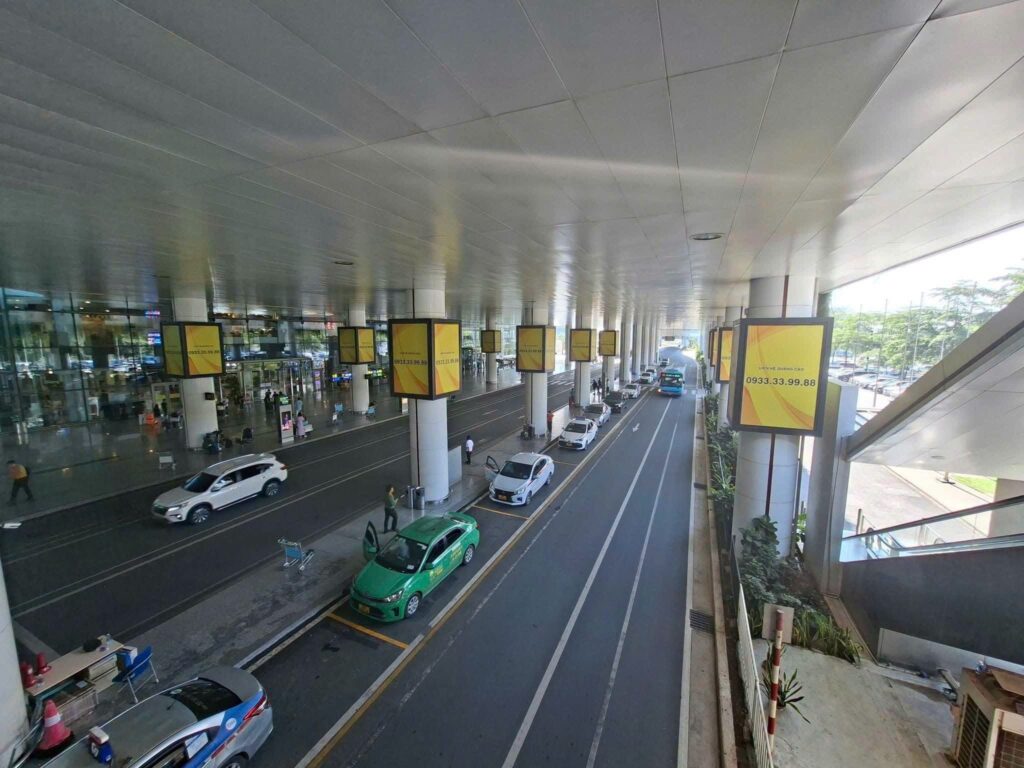


Con Dao is gradually developing a modern, environmentally friendly public transportation system, offering residents and visitors more convenient ways to travel around the island. One notable initiative is electric bus route 173, connecting Con Dao Market in the town center with Con Dao Airport.
According to the published introduction to the service, route 173 offers free transportation, providing travelers with an alternative to taxis and private transfers between the airport and central Con Dao.
The service also represents an important step toward promoting greener mobility and sustainable tourism on the island.
Con Dao Electric Bus Route 173: Overview
Electric bus route 173 connects Con Dao Market with Con Dao Airport, covering a distance of more than 17 kilometers.
The estimated journey takes approximately 30 minutes, depending on traffic conditions, stops, and operational arrangements.
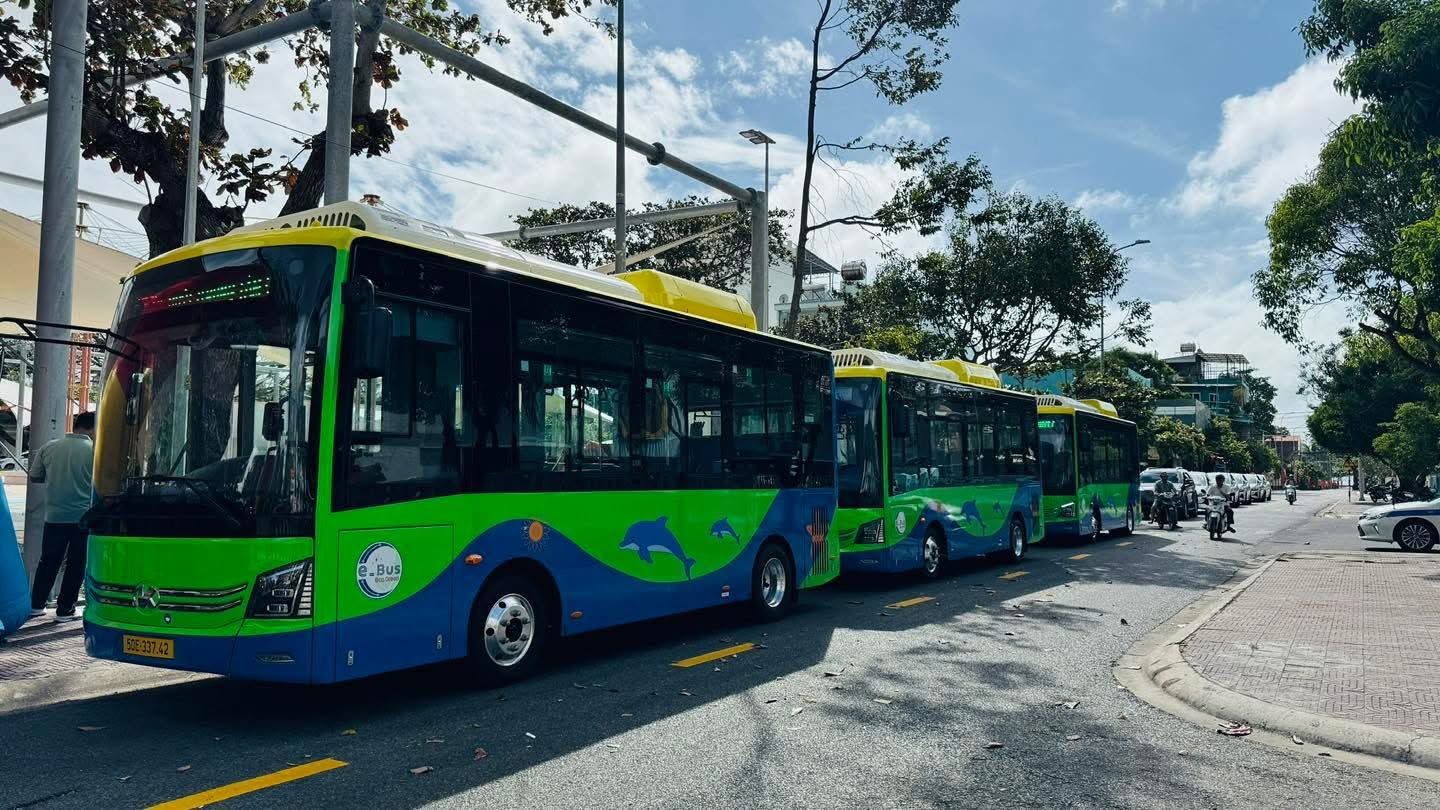
The service uses 40-seat electric buses equipped with air conditioning and large windows, allowing passengers to enjoy views of Con Dao’s natural landscapes during the journey.
According to the announced operating plan, the buses run daily from 5:00 AM to 7:00 PM, serving both local residents and tourists.
The service is intended to support passenger transportation during airport operating hours and provide connections with scheduled flights.
Route 173 was introduced as the first electric bus service under a broader plan to develop six electric bus routes in Con Dao.
This initiative aims to expand public transportation options while encouraging the use of lower-emission vehicles.
Electric Bus Route 173: Con Dao Market to Con Dao Airport
The announced outbound route follows these roads and locations:
Con Dao Market → Pham Van Dong Street → Vo Thi Sau Street → Nguyen Hue Street → Ton Duc Thang Street → Nguyen Van Cu Street → Nguyen Chi Thanh Street → Co Ong → Dam Trau Beach access road → turnaround at Dam Trau Beach access road → Co Ong → Con Dao Airport.
The return route follows:
Con Dao Airport → Co Ong → Dam Trau Beach access road → turnaround at Dam Trau Beach access road → Co Ong → Nguyen Chi Thanh Street → Nguyen Van Cu Street → Ton Duc Thang Street → Nguyen Hue Street → Vo Thi Sau Street → Pham Van Dong Street → Con Dao Market.
The route passes through several important roads and areas of Con Dao, offering travelers convenient connections between the airport and the main town.
Passengers should note that passing through the Dam Trau Beach area does not necessarily mean the bus stops at every location along the road.
It is advisable to confirm designated boarding and drop-off points before traveling.
Electric Bus Design Inspired by Con Dao’s Natural Heritage
The electric buses have been introduced with a distinctive design inspired by the island’s natural environment.
The dolphin symbol represents friendliness, energy, and reliable service.
Blue reflects the surrounding ocean, green represents the island’s forests and ecosystems, and yellow symbolizes energy and vitality.
Together, these design elements create a visual identity connected to Con Dao’s coastal landscapes and natural heritage.
The buses are intended not only to transport passengers but also to promote the island’s image as an environmentally conscious tourism destination.
The Development of Tourist Transportation in Con Dao
In addition to electric buses, Con Dao has a history of developing four-wheeled passenger vehicles for sightseeing and local transportation.
Under earlier pilot transportation programs, the former Ba Ria–Vung Tau provincial authorities approved the addition of two companies to a trial scheme for four-wheeled tourist vehicles.
These companies were the Con Dao branch of Mai Linh Group Joint Stock Company and Duc Xuan Company Limited.
The initiative was intended to diversify transportation services, improve competition, and provide more choices for residents and visitors.
Under the original proposal, Mai Linh planned to introduce 25 vehicles, including 20 gasoline-powered vehicles and five electric vehicles.
The proposed vehicles had a capacity of 15 passengers, including the driver.
The investment was divided into two stages, beginning with 10 gasoline-powered vehicles, followed by a proposed additional 15 vehicles after an operational assessment and further approval.
Meanwhile, Duc Xuan proposed a fleet of 30 gasoline-powered four-wheeled vehicles, each with a capacity of 11 people, including the driver.
Its proposed investment also consisted of two phases, initially introducing 10 vehicles and subsequently adding 20 more, subject to the relevant approvals.
The vehicles were intended to serve passengers through chartered trips, fixed routes, or approved sightseeing itineraries.
These figures describe historical pilot proposals and should not be interpreted as the number of vehicles currently operating or as confirmation of the companies’ present services.
The programs illustrate the development of tourist transportation options in Con Dao over time.
Green Transportation and Sustainable Tourism in Con Dao
Con Dao is known for its national park, marine biodiversity, beautiful beaches, and important historical landmarks.
Protecting these natural and cultural assets is essential to the island’s long-term tourism development.
Electric public transportation can help reduce exhaust emissions at the point of use and lower traffic noise compared with conventional combustion-engine vehicles.
For travelers, public buses provide an accessible alternative to private transportation and can help reduce travel expenses.
Developing a well-connected public transportation network may also help improve mobility, reduce pressure on local roads, and support more sustainable tourism practices.
The expansion of electric transportation is particularly relevant for island destinations where environmental protection and infrastructure capacity are important considerations.
Benefits of Using the Con Dao Electric Bus
For visitors arriving at Con Dao Airport, an electric bus connection to the town center offers several potential advantages.
Lower transportation costs: The published route information describes the service as free of charge, making it attractive to budget-conscious travelers.
Convenient airport connection: The route links the airport with Con Dao Market and central streets.
Comfortable travel: Air-conditioned buses with large windows provide a comfortable environment for passengers.
Environmentally friendly mobility: Electric buses produce no tailpipe emissions during operation.
Local sightseeing opportunities: The journey passes through parts of Con Dao’s coastal and residential landscapes.
The service may be particularly useful for independent travelers who prefer public transportation over private airport transfers.
Travel Tips for Using the Con Dao Electric Bus
Before using electric bus route 173, travelers should check the latest operating schedule, boarding locations, and service availability.
The announced timetable of 5:00 AM to 7:00 PM and the free-fare policy may be adjusted by the responsible authorities or operating company.
Passengers traveling to the airport should allow sufficient time for check-in, security procedures, and possible transportation delays.
It is also important to confirm whether the bus schedule matches the departure or arrival time of a particular flight.
Travelers carrying large amounts of luggage should check the available luggage space and any applicable passenger regulations.
For journeys outside the bus operating hours or to locations not served by the route, taxis and other authorized transportation services may be more suitable.
Con Dao Electric Bus Route 173: A Step Toward Greener Island Travel
The introduction of electric bus route 173 reflects Con Dao’s efforts to improve public transportation and promote environmentally responsible mobility.
By connecting the airport with the town center, the service offers an additional transportation option for both residents and tourists.
Alongside other local transportation services, electric buses can contribute to a more convenient and sustainable visitor experience.
For travelers exploring Con Dao, route 173 represents a promising example of how public transportation can support tourism while helping protect the island’s natural environment.
Travel Notice: Information about the free fare, operating hours, route, vehicle capacity, and planned electric bus network is based on the supplied service announcement. Actual operations may change. Travelers should verify the latest timetable, fare policy, stops, and availability with the local transport operator or relevant authorities before departure.