The tourism industry offers exciting career opportunities for people who enjoy traveling, exploring new destinations, meeting people, and discovering different cultures. Among the many career paths available, becoming a professional tour guide is a popular choice for tourism students in Vietnam.
However, the journey from being a tourism student to becoming a professional tour guide requires more than completing an academic program. It involves developing destination knowledge, improving communication skills, gaining practical experience, meeting legal requirements, and building a professional reputation.
So, how can tourism students prepare for a successful career as tour guides in Vietnam? What skills should they develop, and what steps should they take before entering the profession?
This guide outlines a practical career development roadmap for aspiring tour guides.
1. During Your Studies: Build a Strong Foundation in Tourism Knowledge
University and college years are an important period for developing professional knowledge.
In addition to completing their academic programs, tourism students should actively learn about Vietnamese history, geography, culture, traditions, and major tourist destinations.
A good tour guide does more than memorize historical facts. They know how to connect information and transform it into interesting stories that travelers can understand and enjoy.
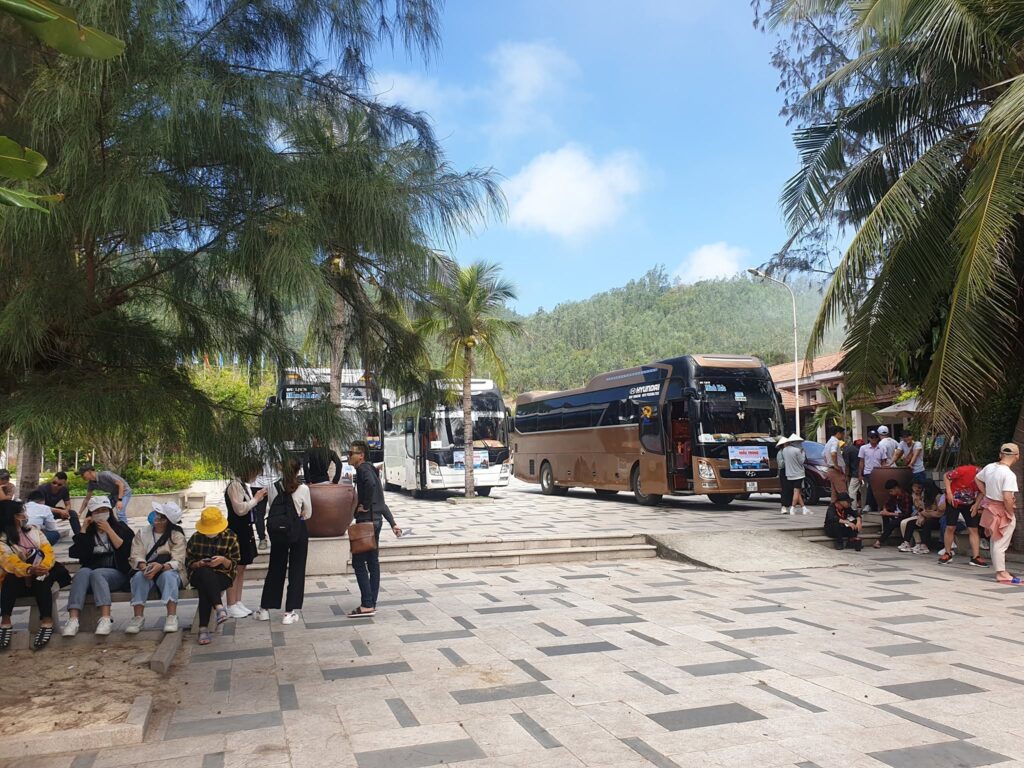
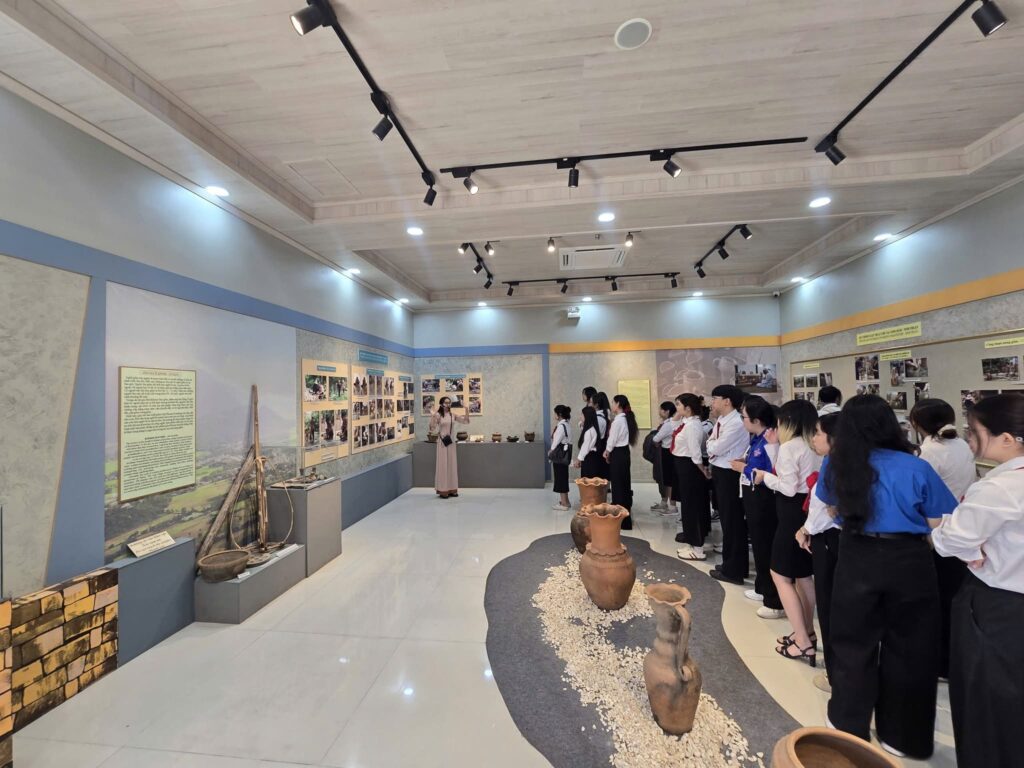
Students can begin by exploring attractions near their hometowns, visiting museums, researching historical landmarks, and participating in local cultural activities.
Developing destination knowledge early provides a valuable foundation for future professional training and practical guiding experience.
2. Improve Foreign-Language and Communication Skills
Foreign-language proficiency is particularly important for students who want to become international tour guides.
English is a widely useful language in Vietnam’s tourism industry. Other languages, including Chinese, Korean, Japanese, and French, can also provide valuable career opportunities.
However, language skills involve more than everyday conversation.
Aspiring guides should practice introducing destinations, explaining cultural traditions, answering travelers’ questions, and communicating during unexpected situations.
Communication skills in Vietnamese are equally important.
Students should develop public speaking, active listening, teamwork, and presentation abilities.
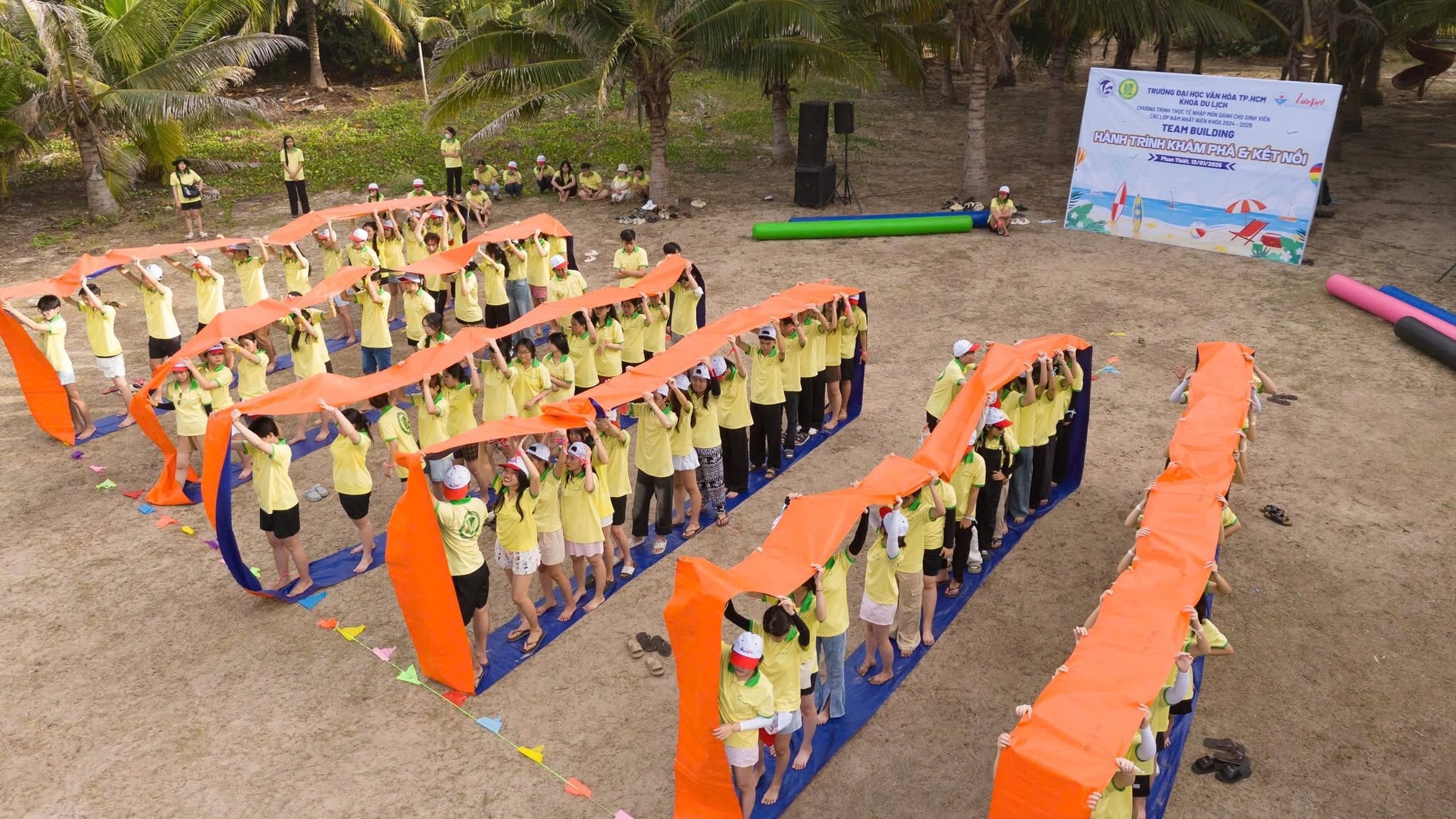
Tourism clubs, language exchange programs, classroom presentations, and cultural activities can provide useful opportunities to practice these skills.
3. Gain Practical Experience While Studying
One of the most effective ways to understand the tourism industry is to gain practical experience before graduation.
Students can explore internship opportunities with travel agencies, tour operators, hotels, tourist attractions, tourism information centers, and event organizers.
Supporting activities such as preparing itineraries, welcoming visitors, checking service arrangements, and assisting with tour operations can provide valuable insights into how tourism businesses operate.
Destination research trips, volunteer programs, and tourism-related student activities can also help develop practical knowledge.
However, internships and tourism support roles do not automatically authorize students to independently conduct professional guiding activities that require specific qualifications under Vietnamese law.
4. Understand the Legal Requirements for Becoming a Tour Guide in Vietnam
Before beginning a professional guiding career, students should understand the relevant legal requirements.
Under Vietnam’s Law on Tourism, tour guides are generally classified into three categories:
International Tour Guides
International tour guides may guide international and domestic tourists within the scope permitted by Vietnamese law.
Domestic Tour Guides
Domestic tour guides provide guiding services for domestic tourists in accordance with applicable regulations.
On-site Tour Guides
On-site tour guides conduct guiding activities within designated tourist areas or attractions, subject to the relevant requirements.
The qualifications required for each category differ.
Depending on the type of tour guide card, applicants may need to satisfy educational, professional training, and foreign-language requirements.
Students should compare their academic qualifications with current regulations to determine whether additional professional training certificates or documentation are necessary.
It is also important to understand that holding a tour guide card does not automatically authorize someone to independently organize every type of commercial tour.
Professional guiding activities must comply with the applicable operating and employment conditions.
5. After Graduation: Find Suitable Entry-Level Opportunities
After graduation and completion of the necessary professional requirements, aspiring guides can begin exploring employment opportunities in the tourism industry.
Possible positions include tour guide, tour operations assistant, travel coordinator, tourism service assistant, and other roles related to organizing travel experiences.
For individuals who meet the legal requirements to work as professional guides, starting with assignments that match their existing knowledge and abilities is often a sensible approach.
Beginners do not necessarily need to start with long-distance or complicated itineraries.
City tours, cultural sightseeing programs, historical tours, and local experiences can provide opportunities to gain practical experience when the guide is appropriately qualified and the activities comply with relevant regulations.
6. From Your First Tour to Practical Experience
The first professional guiding assignment is often an important milestone.
It is an opportunity to apply classroom knowledge to real situations, including communicating with travelers, coordinating services, managing schedules, and responding to unexpected challenges.
Before each assignment, beginner guides should carefully review the itinerary, research the destinations, understand the travelers’ needs, and confirm their responsibilities with the tour operator.
After completing a tour, take time to evaluate what went well and what could be improved.
Feedback from travelers, colleagues, and tour operators can provide valuable insights.
Keeping notes about each assignment is also a useful way to develop professional knowledge and improve future performance.
7. Choose a Tour Guiding Specialization
After gaining practical experience, tour guides may decide to specialize in one or more areas based on their interests and professional strengths.
City Tours
City tour guides introduce travelers to urban attractions, historical buildings, architecture, cultural landmarks, and local communities.
This specialization is suitable for people who enjoy history, city life, and cultural exploration.
Food Tours
Food tour guides focus on traditional cuisine, local restaurants, markets, and the cultural stories behind regional dishes.
This field is particularly suitable for individuals passionate about food and local culinary traditions.
Walking Tours
Walking tours involve exploring destinations on foot, often through historic neighborhoods, cultural districts, and traditional communities.
Guides need good storytelling skills, local knowledge, and an understanding of pedestrian safety.
Cultural Tours
Cultural tours focus on heritage, traditional festivals, handicraft villages, customs, and local ways of life.
They require an appreciation of cultural diversity and respectful communication.
Nature Tours
Nature tours introduce travelers to natural landscapes, ecological attractions, and outdoor environments.
Depending on the activities involved, additional training, safety knowledge, or specialized qualifications may be necessary.
Choosing a specialization can help guides develop deeper expertise and create a clearer professional identity.
8. Build a Professional Tour Guide Profile
A professional profile is an important tool for introducing your skills and qualifications to travel agencies, tour operators, and potential partners.
A good tour guide profile should include your location, language abilities, destination knowledge, professional qualifications, relevant experience, and preferred tour categories.
You may also include suitable photographs, practical experiences, and specific skills.
All information should be accurate, up to date, and presented professionally.
For tourism students who have not yet gained professional guiding experience, a profile can highlight academic studies, local knowledge, language abilities, volunteer activities, and tourism-related projects.
Being honest about your current qualifications helps establish professional credibility.
9. Develop Your Professional Network and Explore Tour Opportunities
Professional networking is another important part of career development.
Tour guides can build relationships with travel agencies, tour operators, accommodation providers, tourism businesses, and professional communities.
Maintaining punctuality, reliability, clear communication, and a responsible working attitude helps build a positive professional reputation.
Platforms connecting local guides with travelers can also provide an additional channel for presenting professional profiles and exploring suitable opportunities.
However, the number of assignments and actual earnings depend on various factors, including tourism demand, experience, language abilities, qualifications, and market conditions.
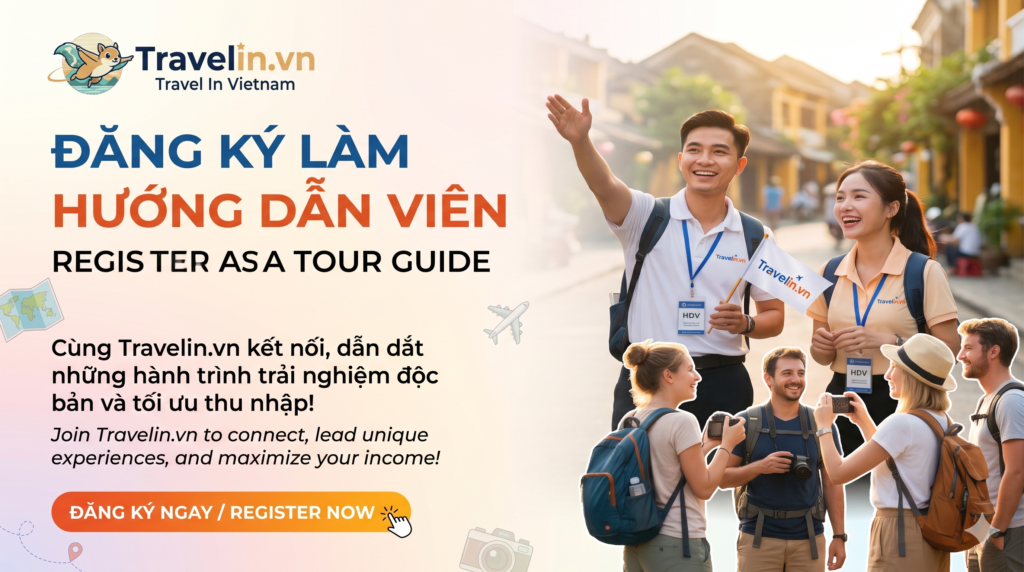
10. Travelin.vn Local Guides: Connecting Local Guides with Travelers
Travelin.vn Local Guides aims to develop a nationwide network connecting knowledgeable local guides with domestic and international travelers exploring Vietnam.
The platform focuses on a variety of local travel experiences, including food tours, walking tours, city tours, cultural sightseeing, historical attractions, and authentic local experiences.
Tourism students, recent graduates, and experienced tour guides can learn about the platform, prepare professional profiles, and submit registration information reflecting their current skills and qualifications.
The Travelin.vn team receives and reviews applications, manages guide profiles, handles traveler inquiries, and coordinates suitable tour assignments.
Guides do not need to manage individual accounts, personal dashboards, or separate booking systems.
Anyone undertaking professional guiding activities must meet the relevant legal requirements.
Submitting a registration does not guarantee approval, tour assignments, or income.
Learn more at Travelin.vn.
Tour Guide Career Development Roadmap
The following table provides an illustrative roadmap for students planning to become professional tour guides in Vietnam.
| Career Stage | Development Goals |
|---|---|
| First and second years of college or university | Build tourism knowledge, study history and culture, and improve language skills |
| Final years of study | Complete internships, research destinations, and develop practical skills |
| Before professional guiding | Meet educational, licensing, and other applicable legal requirements |
| Early career | Gain experience through suitable guiding assignments |
| Experienced guide | Develop specializations and expand professional networks |
| Long-term career | Improve service quality, strengthen professional reputation, and pursue further career development |
This roadmap is for general reference. Actual career progression depends on educational background, individual abilities, professional qualifications, and employment opportunities.
Conclusion
The journey from tourism student to professional tour guide requires preparation, patience, and continuous learning.
Destination knowledge, foreign-language proficiency, communication skills, practical experience, and compliance with legal requirements are essential foundations for a sustainable career.
Rather than focusing only on finding as many tour assignments as possible, students should prioritize developing their abilities, understanding destinations, gaining relevant experience, and building professional credibility.
With a clear career development plan, aspiring guides can gradually prepare themselves for meaningful opportunities in Vietnam’s tourism industry.
Travelin.vn Local Guides – Connecting Local Guides with Travelers Exploring Vietnam.