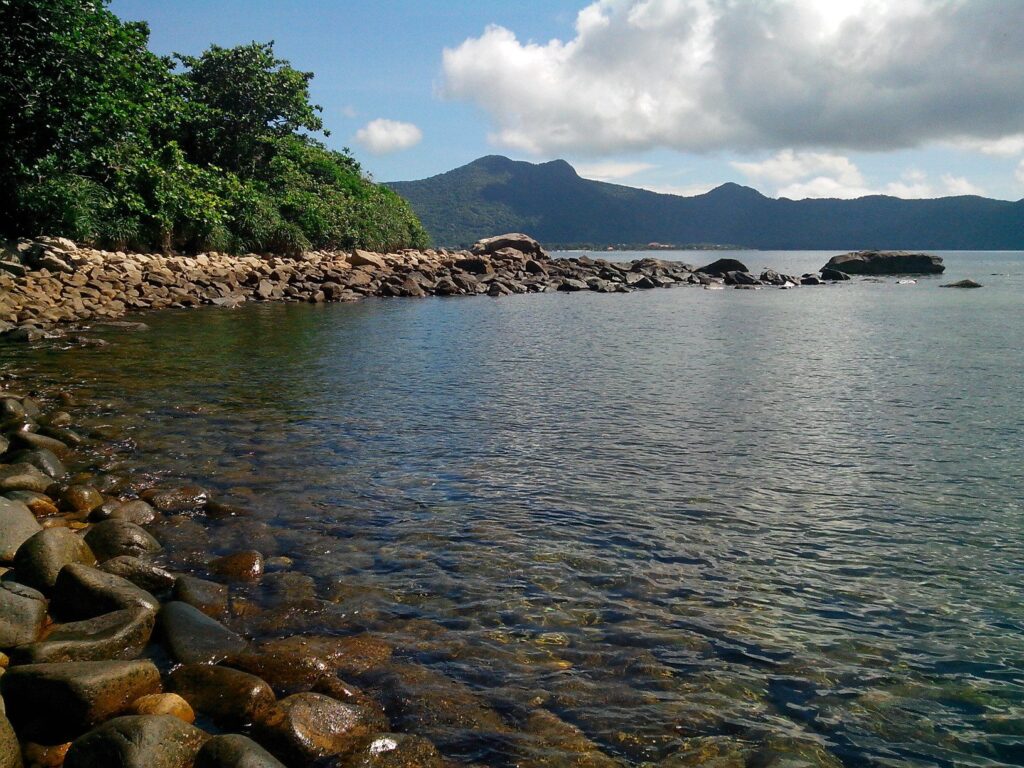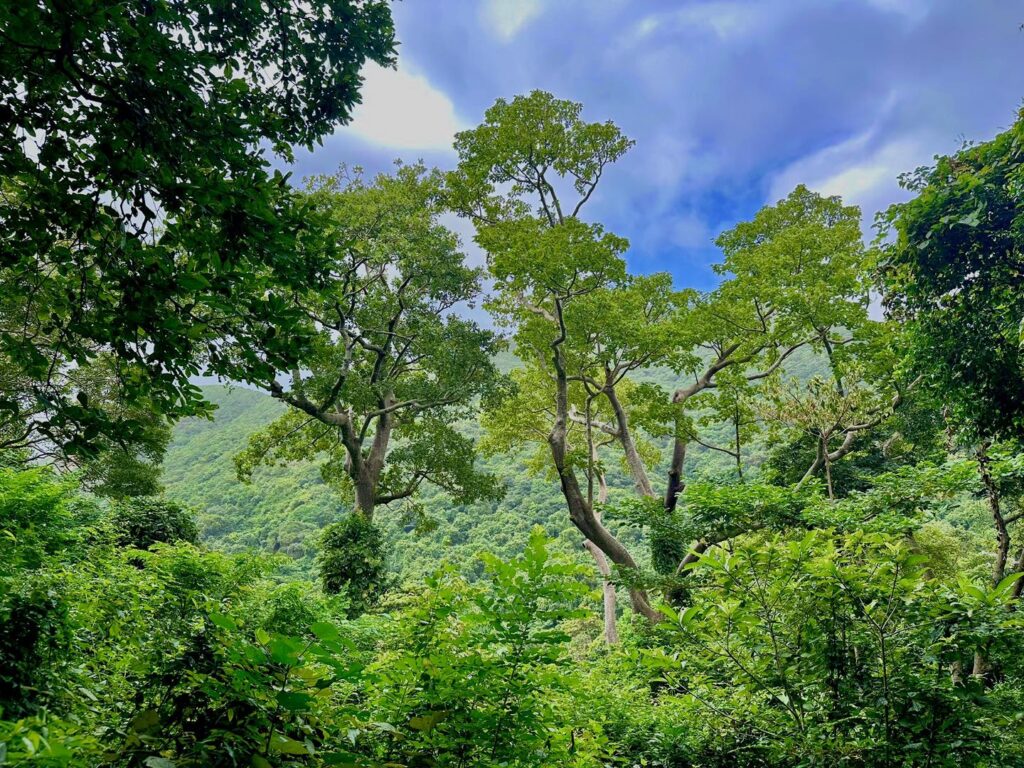



Hon Bay Canh Island in Con Dao, Vietnam, is known for its pristine beaches, rich marine biodiversity, and important role in sea turtle conservation. Located within Con Dao National Park, the island provides valuable habitats for marine wildlife, including endangered green sea turtles.
A remarkable wildlife encounter was documented near the island when two green sea turtles were observed mating close to the shoreline.
The rare moment, shared by Save Con Dao, offers a fascinating glimpse into the reproductive behavior of sea turtles and highlights the importance of protecting their natural habitats.
A Rare Sea Turtle Encounter at Hon Bay Canh Island
According to an observation shared by Save Con Dao, national park rangers discovered two green sea turtles, one male and one female, mating in shallow coastal waters near Bai Cat Lon Beach on Hon Bay Canh Island.
The encounter occurred during a period of sea turtle conservation and monitoring activities.
Even for experienced rangers who had spent years protecting sea turtles, witnessing mating behavior so close to shore was an unusual experience.
Sea turtles often mate in offshore waters, making such encounters difficult to observe.
The sighting provided an opportunity to learn more about the natural behavior of green sea turtles in the waters surrounding Con Dao.
This was a previously documented wildlife observation, not a report of a newly occurring event.
Understanding Green Sea Turtle Mating Behavior
The green sea turtle, scientifically known as Chelonia mydas, is a marine reptile found in tropical and subtropical oceans around the world.
For much of their lives, sea turtles are relatively solitary animals. During the breeding season, mature males and females gather in suitable marine areas to mate.
Mating takes place in the water and can last for several hours.
A male sea turtle typically approaches a female and uses the curved claws on its front flippers to grip her shell.
The male remains attached while the female supports the additional weight and periodically returns to the surface to breathe.
Although mating is a natural part of the sea turtle life cycle, it can be physically demanding and sometimes dangerous.
Why Can Sea Turtle Mating Be Dangerous?
Unlike fish, sea turtles breathe air through their lungs and must surface regularly.
During mating, the male holds tightly onto the female’s shell, sometimes leaving scratches or injuries.
Competition between males can make the process even more challenging.
When several males attempt to mate with the same female, they may push, bite, or interfere with one another.
These interactions can make it difficult for the female to reach the surface to breathe.
In extreme circumstances, prolonged restraint and competition may increase the risk of exhaustion or drowning.
This behavior demonstrates that sea turtle reproduction can involve considerable physical stress.
How Do Green Sea Turtles Reproduce?
Sea turtles have reproductive organs associated with the cloaca, a common opening involved in reproduction and waste elimination.
One characteristic that helps distinguish mature male and female sea turtles is the length of the tail.
Adult males generally have longer tails, while females have shorter tails.
During mating, the male positions his tail beneath the rear portion of the female’s shell to allow reproductive contact.
Female sea turtles may mate with more than one male during a breeding season.
They also have the ability to store sperm within their reproductive systems.
As a result, eggs within a nesting season may be fertilized by sperm from different males, a phenomenon known as multiple paternity.
After mating, females eventually return to suitable sandy beaches to dig nests and lay their eggs.
Successful reproduction depends on suitable marine habitats, safe nesting beaches, and favorable environmental conditions.
Hon Bay Canh Island – An Important Sea Turtle Conservation Area
Hon Bay Canh is one of the islands within Con Dao National Park and is particularly significant for sea turtle conservation.
Bai Cat Lon Beach on the island is associated with sea turtle nesting and monitoring activities.
Conservation efforts in Con Dao include protecting nesting beaches, monitoring turtle activity, safeguarding nests, and supporting scientific research.
These activities involve national park rangers, conservation personnel, and authorized volunteer programs.
By protecting nesting habitats and reducing human disturbance, conservation initiatives help support the survival of sea turtles and their offspring.
Wildlife observations, such as the mating encounter recorded near Hon Bay Canh, can also contribute to environmental education and public awareness.
The Importance of Sea Turtle Conservation in Con Dao
Sea turtles face numerous threats throughout their lives.
These include marine plastic pollution, accidental capture in fishing gear, habitat degradation, coastal development, and disturbance at nesting beaches.
Artificial lighting and human activity near nesting areas can interfere with the behavior of nesting females and newly hatched turtles.
Conservation programs aim to reduce these threats and protect critical habitats.
Con Dao’s marine environment plays an important role in providing suitable conditions for sea turtles during different stages of their life cycle.
Protecting these ecosystems benefits not only sea turtles but also the wider marine environment.
How Visitors Can Help Protect Sea Turtles
Travelers visiting Con Dao can contribute to sea turtle conservation by following responsible wildlife observation practices.
- Keep a respectful distance: Never approach, touch, chase, or disturb sea turtles.
- Avoid flash photography: Bright lights can disturb turtles, especially near nesting beaches.
- Reduce plastic waste: Dispose of rubbish properly and avoid unnecessary single-use plastics.
- Protect nesting areas: Never dig into nests, handle eggs, or enter restricted conservation zones.
- Follow ranger instructions: Respect national park regulations and authorized visitor routes.
- Choose permitted activities: Participate in sea turtle observation programs only when organized or authorized by the relevant authorities.
- Avoid disturbing mating turtles: Do not approach mating pairs closely with boats or attempt to interfere with their natural behavior.
Wildlife protection should always take priority over photography or close encounters.
Discovering Con Dao Through Responsible Ecotourism
Con Dao is an appealing destination for travelers interested in marine biodiversity, nature conservation, and responsible tourism.
Its beaches, tropical forests, and marine habitats offer opportunities to learn about Vietnam’s natural heritage.
Stories about sea turtle nesting, conservation work, and hatchlings making their way to the ocean help visitors understand the ecological significance of the islands.
However, tourism activities must be carefully managed in sensitive wildlife habitats.
Responsible travel practices can help minimize disturbance and support the long-term conservation of Con Dao’s ecosystems.
A Rare Moment That Highlights the Beauty of Marine Life
The observation of two green sea turtles mating near Hon Bay Canh Island offers a rare glimpse into the natural life of these remarkable marine animals.
Beyond its scientific interest, the encounter illustrates the ecological importance of Con Dao’s coastal waters.
Sea turtle reproduction is a complex process that depends on healthy marine ecosystems and protected nesting habitats.
Protecting sea turtles in Con Dao means helping preserve the biodiversity and natural balance of the ocean for future generations.
For travelers, learning about these animals is another way to appreciate Con Dao’s extraordinary natural environment while supporting responsible and sustainable tourism.
Source acknowledgment: Save Con Dao. This article has been adapted from a previously documented observation of green sea turtles mating near Hon Bay Canh Island, with additional general educational information about sea turtle reproduction and conservation. The observation should not be interpreted as a newly reported event.