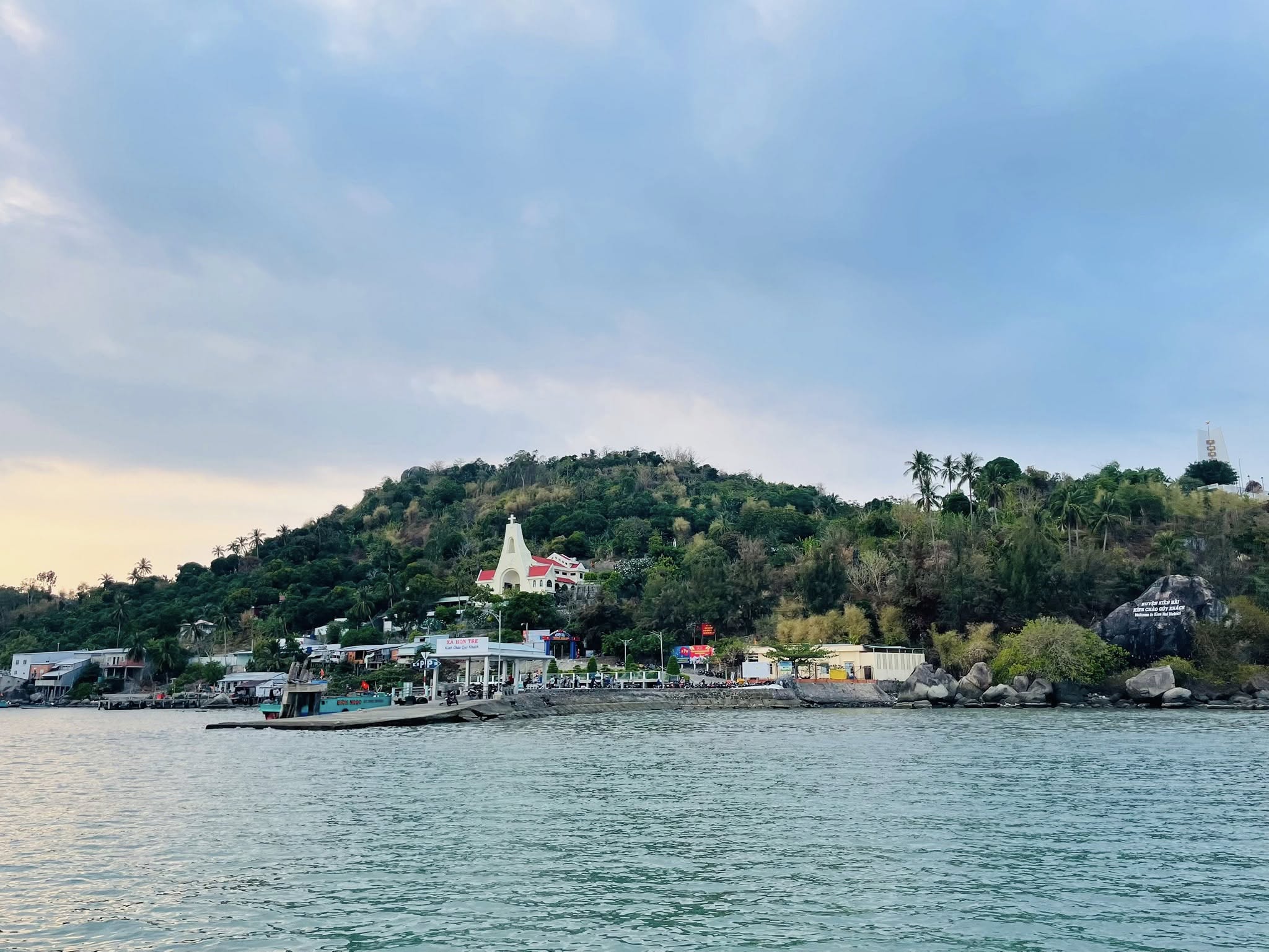
Hon Tre is an island belonging to Kien Hai Special Zone, An Giang Province, and is also one of more than 140 islands scattered across the waters of Kien Giang. Located about 30 km west of Rach Gia City, Hon Tre appears from afar like a giant turtle rising from the sea. For this reason, local people affectionately call it Turtle Island.
Hon Tre Island covers a natural area of around 430 hectares, with terrain dominated by steep hills and mountains. The average elevation is over 30 meters, while the highest peak reaches nearly 400 meters. The island features two mountains—one higher in the south and a lower one in the north—forming a distinctive silhouette that makes Hon Tre easily recognizable in the southwestern sea.
Untouched Landscapes and Natural Rocky Beaches
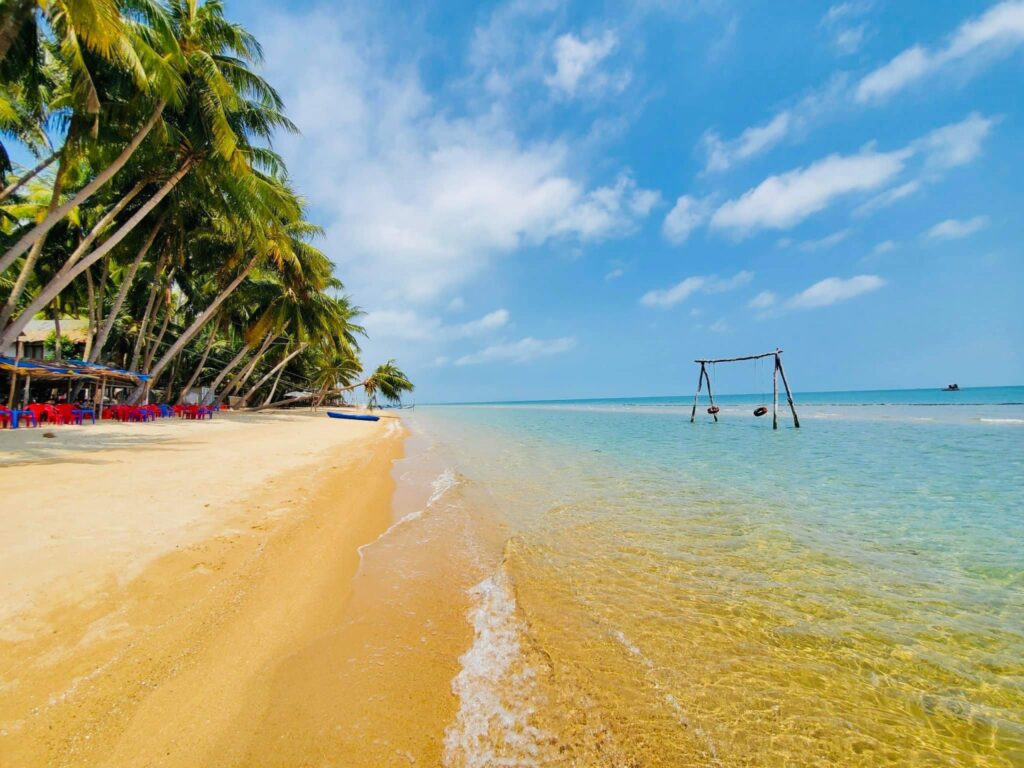
Hon Tre’s coastline is winding and diverse, characterized by rocky cliffs alternating with relatively flat areas. Long stretches of natural rock beaches create a landscape that remains largely untouched, making it ideal for sightseeing, picnicking, and nature exploration.
Notable spots on the island include Bai Chen, Dong Dua, Bai Dua (Ha Ba’s Tail), and Hon Da Ba Gia.
Bai Chen, located in the northwest of the island, stretches for about 2 km and is famous for its large rock formations shaped like upside-down bowls. Considered the most beautiful beach on Hon Tre, Bai Chen retains its pristine charm, shaded by lush greenery—an ideal place to relax and enjoy fresh seafood.
Dong Dua is a small bay where coconut trees grow along the shore, creating a tranquil and gentle setting. It is also a common stop for fishing boats to replenish fresh water, food supplies, and rest after long fishing trips.
Bai Dua (also known as Ha Ba’s Tail) is home to many ancient trees and natural rocky reefs. Here, visitors can experience snorkeling and even pry oysters clinging to the rocks to enjoy them fresh on the spot.
A Life Closely Tied to the Sea
The sea is the primary source of livelihood for Hon Tre’s residents. The surrounding waters boast a rich marine ecosystem with a wide variety of seafood, including mantis shrimp, blue swimming crabs, star grouper, sea catfish, oysters, goby fish, mullet, frogfish, and more. Generations of islanders have relied on the sea, forming a community known for its simplicity, kindness, and strong sense of solidarity.
On the island, small plots of land nestled between rocky crevices are used to grow mangoes, custard apples, and jackfruit. Among these, Hon Tre mangoes are particularly distinctive: small in size, deep yellow when ripe, richly sweet, refreshing in taste, and able to last for days without spoiling. For local people, mangoes are not only a source of income but also a cherished memory tied to their journey of settling and building a life on the island.
Hon Tre – Simple and Serene
With a population of just over 4,200 residents, Hon Tre has preserved a rare sense of tranquility. Forests, mountains, and the sea blend harmoniously, creating a natural environment that remains largely intact. The island is also home to modest spiritual sites such as the Whale Worship Shrine, reflecting the deep-rooted maritime culture of the coastal community.
A walk around the island allows visitors to easily sense the slow pace of life: simple houses, motorbikes left unlocked by the roadside, and doors left open at night to welcome the sea breeze without worry. The sincerity, kindness, and hospitality of the locals leave a lasting impression on anyone who visits.
Hon Tre Today and Ongoing Changes
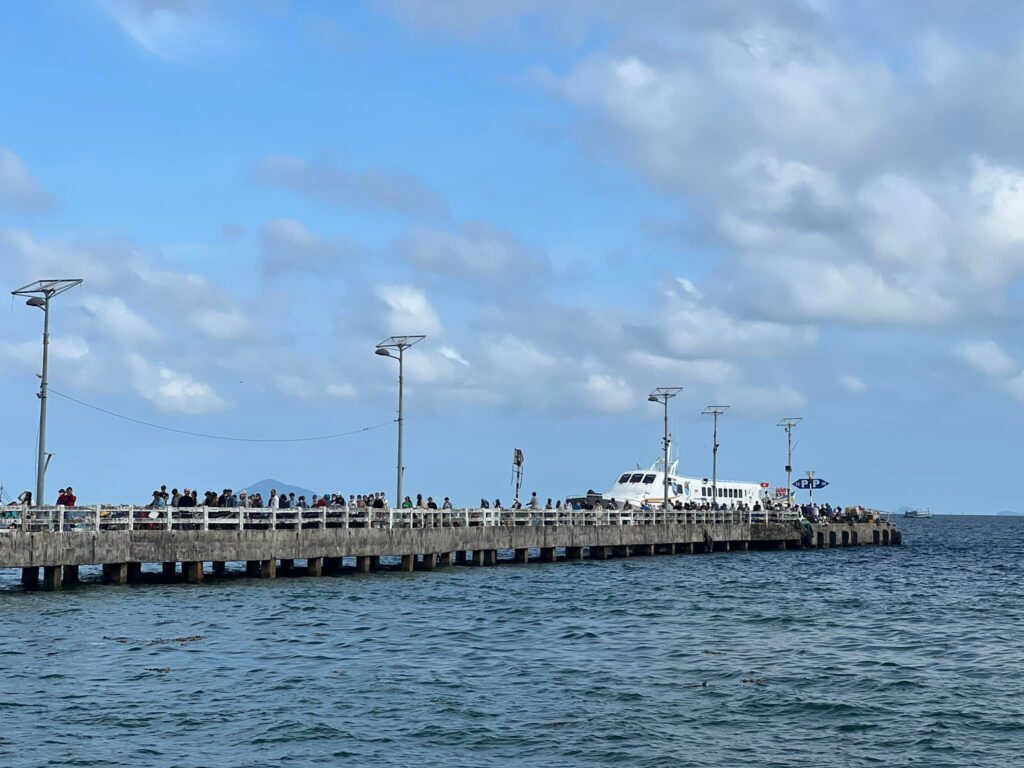
In recent years, Hon Tre has seen improvements in infrastructure, including access to the national power grid and an internal road system with an approximately 11 km coastal loop, making travel around the island more convenient. Tourism has also begun to develop, with several guesthouses, eateries, and cafés serving visitors.
While development brings modern conveniences, Hon Tre now faces the challenge of preserving its inherent serenity and unspoiled character. For travelers who love slow travel, natural experiences, and the authentic rhythm of island life, Hon Tre, Kien Hai remains a destination worth visiting—best appreciated with a calm mind and an open heart.