Food tours, walking tours, and city tours are popular ways for travelers to explore Vietnam. Instead of simply visiting famous attractions, many tourists want to discover authentic local food, cultural traditions, historical landmarks, and everyday life.
These experiences also create interesting career opportunities for people who love traveling, tourism students, and aspiring local guides.
But how can you become a food tour, walking tour, or city tour guide in Vietnam if you have little or no experience? What skills do you need, how should you prepare, and where can you find your first opportunities?
1. What Are Food Tours, Walking Tours, and City Tours?
Each type of tour offers a different travel experience.
Food Tour: Discovering Local Cuisine
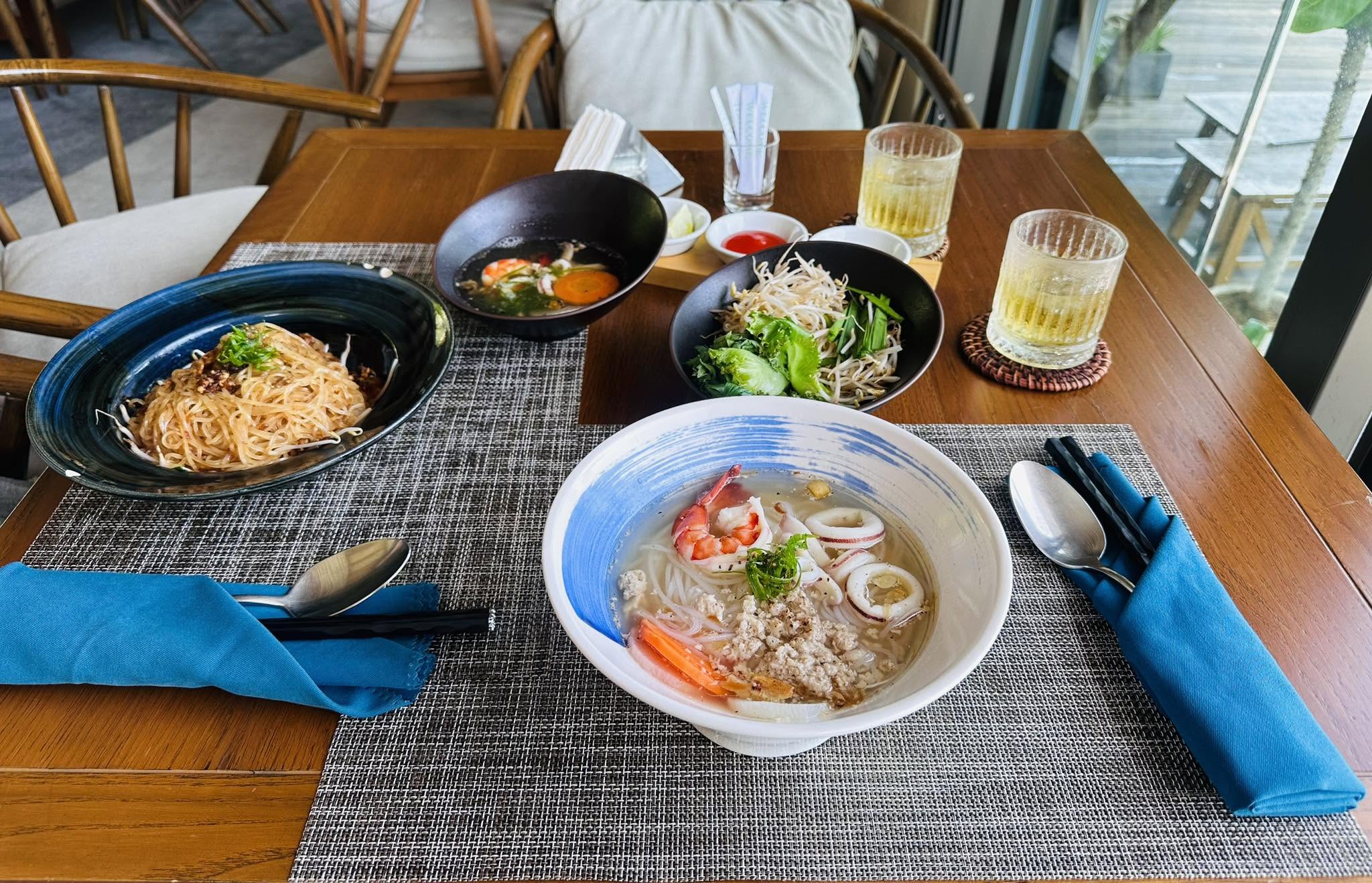
A food tour introduces travelers to traditional dishes, local restaurants, street food, markets, and the culinary culture of a destination.
For example, a food tour in Hanoi might feature pho, bun cha, egg coffee, and traditional street food. In Ho Chi Minh City, travelers can explore banh mi, com tam, local markets, and regional specialties.
Food tours are particularly attractive to international visitors who want to experience authentic Vietnamese cuisine.
Walking Tour: Exploring a Destination on Foot
A walking tour allows travelers to discover a destination by following a planned walking route.
This type of tour is especially suitable for historic neighborhoods, old towns, cultural districts, and areas with interesting architecture.
Walking tours often focus on storytelling, cultural interaction, and discovering local life beyond major tourist attractions.
City Tour: Discovering the Highlights of a City
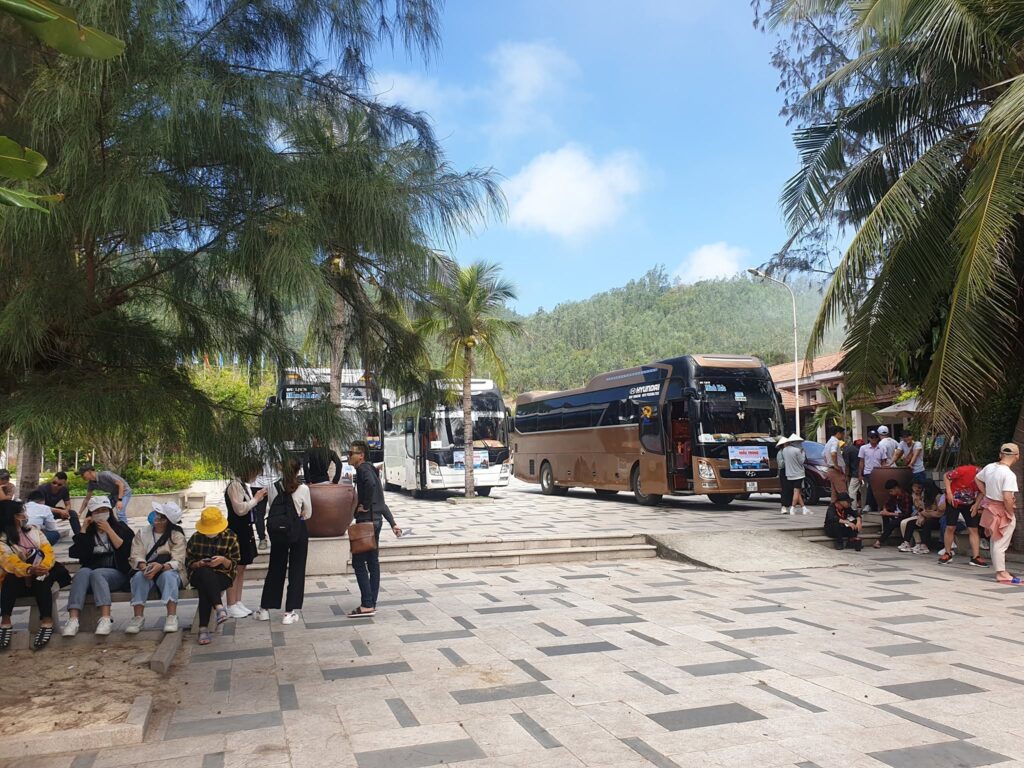
A city tour introduces visitors to the most important attractions and cultural landmarks of a destination.
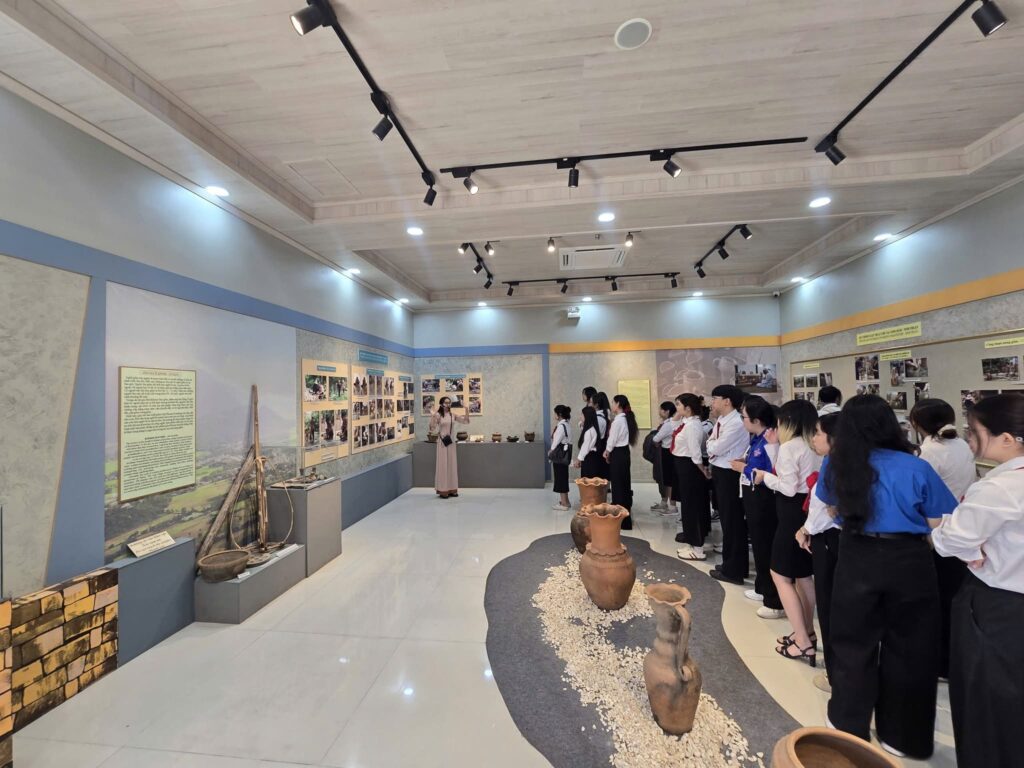
Activities may include visiting historical buildings, museums, traditional markets, religious sites, and popular sightseeing locations.
Depending on the itinerary, city tours may involve private vehicles, buses, public transportation, or walking.
2. Which Type of Tour Is Best for Beginners?
If you have limited experience, start by exploring the type of tour that matches your interests, local knowledge, and abilities.
| Tour Type | Main Skills Required | Suitable For |
|---|---|---|
| Food Tour | Culinary knowledge, food safety awareness, communication | People passionate about local cuisine |
| Walking Tour | Storytelling, local history, route planning | People who enjoy culture and exploration |
| City Tour | Destination knowledge, organization, time management | People interested in sightseeing and tourism operations |
Short walking tours and food tours can be useful starting points for learning how to research destinations and prepare itineraries.
However, conducting professional guiding activities in Vietnam requires compliance with applicable tourism laws and licensing conditions.
3. Learn About Your Destination
Local knowledge is one of the most valuable qualities of a successful tour guide.
Start by choosing a neighborhood, district, or destination you know particularly well.
Research its history, culture, architecture, cuisine, transportation options, opening hours, and visitor regulations.
For food tours, learn about traditional dishes, ingredients, preparation methods, food hygiene, and possible dietary restrictions.
For walking tours, study pedestrian routes, distances, rest stops, traffic conditions, and weather-related risks.
For city tours, pay particular attention to transportation, travel times, and the coordination of multiple attractions.
The better you understand your destination, the more confidently you can introduce it to travelers.
4. Create a Simple Tour Itinerary
Beginners should practice designing short, manageable itineraries with a clear theme.
For example:
Local Food Discovery Tour – 3 Hours
- 5:00 PM: Meet at the agreed location.
- 5:15 PM: Explore a local market or food street.
- 6:00 PM: Discover and taste traditional local dishes.
- 7:00 PM: Experience another local specialty or beverage.
- 8:00 PM: End of the tour.
A walking tour might last two to three hours and connect several nearby historical or cultural attractions.
A city tour can be designed as a half-day or full-day experience, depending on the number of destinations.
These itineraries are examples for training and preparation. Actual tour operations must comply with relevant legal, safety, and service requirements.
5. Develop Communication and Storytelling Skills
One of the most important elements of a memorable food tour, walking tour, or city tour is storytelling.
Instead of simply explaining the name of a dish or the construction date of a building, a good guide introduces the people, traditions, and cultural stories behind it.
For example, a food tour can explain how a traditional Vietnamese dish developed and why it remains important in local daily life.
A walking tour can introduce the history of a neighborhood through architecture, markets, and community traditions.
If you plan to work with international travelers, foreign-language communication skills are especially valuable.
Practice presenting information, speaking clearly, and answering common traveler questions.
6. Focus on Traveler Safety and Experience
Each tour type has specific safety considerations.
For Food Tours
Pay attention to food hygiene, allergies, dietary preferences, and the suitability of restaurants or food vendors.
For Walking Tours
Choose safe pedestrian routes, consider traffic conditions, provide rest opportunities, and monitor weather forecasts.
For City Tours
Confirm transportation arrangements, meeting points, travel times, and attraction access.
Tour guides should also understand how to respond to unexpected situations and coordinate with tour operators when assistance is needed.
A positive travel experience depends on both enjoyment and safety.
7. How Much Can Food Tour, Walking Tour, and City Tour Guides Earn?
Earnings depend on the destination, tour duration, language requirements, number of assignments, and agreements with tour operators.
For example, if a qualified guide receives VND 400,000 per tour and completes 10 tours per month, the total guiding fees would be VND 4 million.
If the payment is VND 700,000 per tour and the guide completes 15 tours, the total would be VND 10.5 million.
These figures are hypothetical calculations, not verified market rates or guaranteed earnings.
Freelance guides should also consider transportation expenses, preparation time, taxes, and periods without bookings.
8. How to Find Your First Tour Guiding Opportunity
Finding your first professional guiding assignment can be challenging, especially without an established reputation.
Start by preparing a clear professional profile that highlights your location, language abilities, destination knowledge, relevant skills, experience, and existing qualifications.
You can explore opportunities through travel agencies, tour operators, local tourism businesses, and professional guide networks.
If you do not yet meet the legal requirements for professional guiding, consider internships, tour operations assistance, or other appropriate tourism support roles.
Once you have the necessary qualifications, you can begin seeking assignments that match your professional abilities.
9. Join Travelin.vn Local Guides
Travelin.vn Local Guides aims to develop a nationwide network connecting local tour guides with domestic and international travelers exploring Vietnam.
The platform focuses on authentic local experiences, including food tours, walking tours, city tours, and cultural or historical sightseeing activities.
Interested individuals can submit registration information describing their location, language abilities, experience, professional qualifications, and preferred tour categories.
The Travelin.vn team reviews applications, manages guide profiles, receives booking requests, communicates with travelers, and coordinates suitable tour assignments.
Guides do not need to manage individual accounts, personal dashboards, or separate booking systems.
Participants must meet the applicable legal requirements for the guiding activities they undertake.
Registration does not guarantee tour assignments or income.
Learn more at Travelin.vn.
10. Important Things to Know Before Getting Started
Before accepting a food tour, walking tour, or city tour assignment, make sure you understand your responsibilities and the requirements of the activity.
In Vietnam, describing an activity as a “local experience” or “local tour” does not automatically exempt it from regulations governing professional tour guiding or travel services.
Individuals who do not yet hold the required qualifications should focus on training, internships, and suitable support positions.
Developing destination knowledge, communication skills, and practical experience will help prepare you for professional opportunities in the future.
Conclusion
Food tours, walking tours, and city tours offer engaging ways for travelers to discover Vietnam’s cuisine, culture, history, and local communities.
For aspiring guides, learning about destinations, creating itineraries, developing communication skills, and understanding legal requirements are important first steps.
Start with the destination you know best, continue improving your abilities, and work toward the qualifications needed for professional tour guiding.
With preparation and dedication, you can gradually build a rewarding career in Vietnam’s tourism industry.
Travelin.vn Local Guides – Connecting Local Guides with Travelers Exploring Vietnam.