
Crow Beak Wine is one of Phu Quoc’s most unusual and intriguing specialties, known for its wild aroma and traditional health benefits. Among the many natural treasures found on the island—from pearls and abalone to sea cucumbers—the crow beak fruit stands out as a rare gift of the ancient rainforest.
The crow beak fruit comes from a climbing vine that clings to large forest trees, similar to orchids. Its green, curved shape resembles a crow’s beak, which is how it got its name. Locals also call it Thồ Lồ, Ant-Nest Vine, Mỏ Diều, or Hoàng Lồ. The fruit contains nutritious sap to nourish the plant, with small leaves and pink-purple flowers as distinguishing features.
After being dried, the fruit is commonly used to make crow beak wine—an herbal liquor well-known in Phu Quoc. According to traditional folk medicine, this wine helps relieve back pain, muscle fatigue, rheumatic aches, and sweaty hands and feet, and may support general recovery. However, claims regarding male enhancement have not been scientifically verified.
What makes crow beak fruit unique is its natural symbiotic relationship with forest ants. When the fruit matures, its hollow interior and milky sap attract ants to build nests inside it. This unusual combination of plant and insect is believed to create the fruit’s distinctive medicinal qualities.
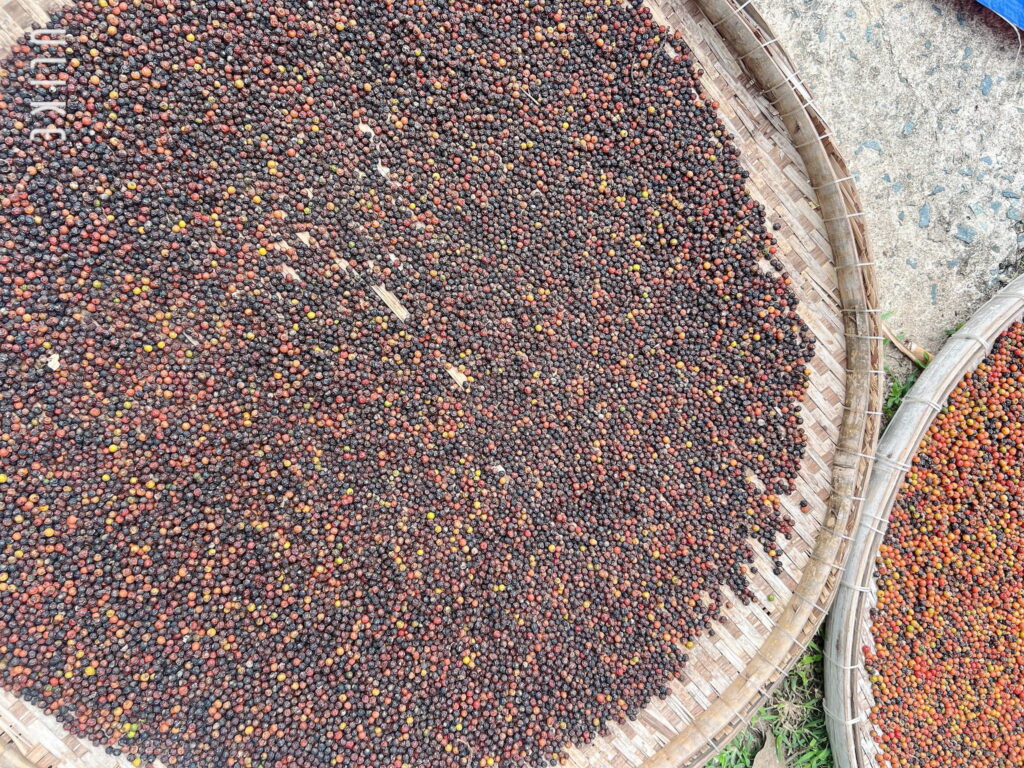
Selecting genuine crow beak fruit is simple: high-quality wild fruit usually has a natural white powdery coating on the shell. Dried fruit that still retains these white specks is considered authentic forest-picked produce. Fruit without this powder is often cultivated or processed and is less valuable.
To prepare crow beak wine, the fruit is washed, drained, and soaked in 30–40% rice wine, either fresh or after being sun-dried for one to two days. After about 15 days, the wine develops a deep reddish color, a light bitterness, and a distinctive forest aroma. Some producers add traditional herbs to soften the bitterness and enhance its therapeutic benefits. The wine should be consumed in small amounts—two to four tiny cups a day during meals, never on an empty stomach—as it functions as medicinal wine rather than a casual drink.

Crow beak fruit is also favored for reducing the fishy smell in seahorse wine; simply adding a few dried fruits can neutralize the odor and make the liquor more pleasant without affecting its properties.
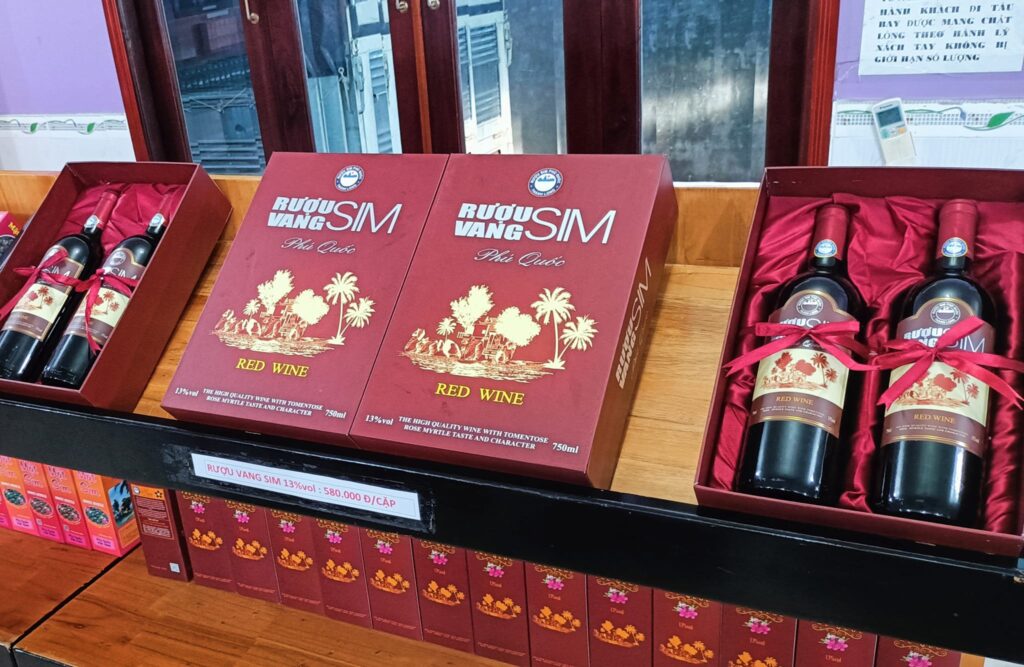
For the best quality, crow beak fruit and crow beak wine should be purchased from reputable sim wine producers in Phu Quoc, who harvest these fruits directly from the forest. Local markets and tourist sites also sell dried fruit, but buyers should check for the natural white powder to ensure authenticity.
Unique, rare, and carrying the deep scent of the rainforest, crow beak wine is a distinctive Phu Quoc specialty. When enjoyed properly and in moderation, it can provide valuable support for health, especially for those experiencing fatigue or muscle and joint discomfort.