Located in the southwestern seas of Vietnam, An Giang is often described as a miniature Vietnam, where plains, mountains, forests, and islands coexist within one region. Nature has generously blessed this land with abundant resources, especially seafood—shrimp, crab, blue swimmer crab, clams, scallops, squid, fish, and countless varieties of sea snails. Among them, mantis shrimp from Hòn Tre Island in Kiên Hải stands out as a local specialty, renowned for its distinctive flavor from the waters of the western sea.
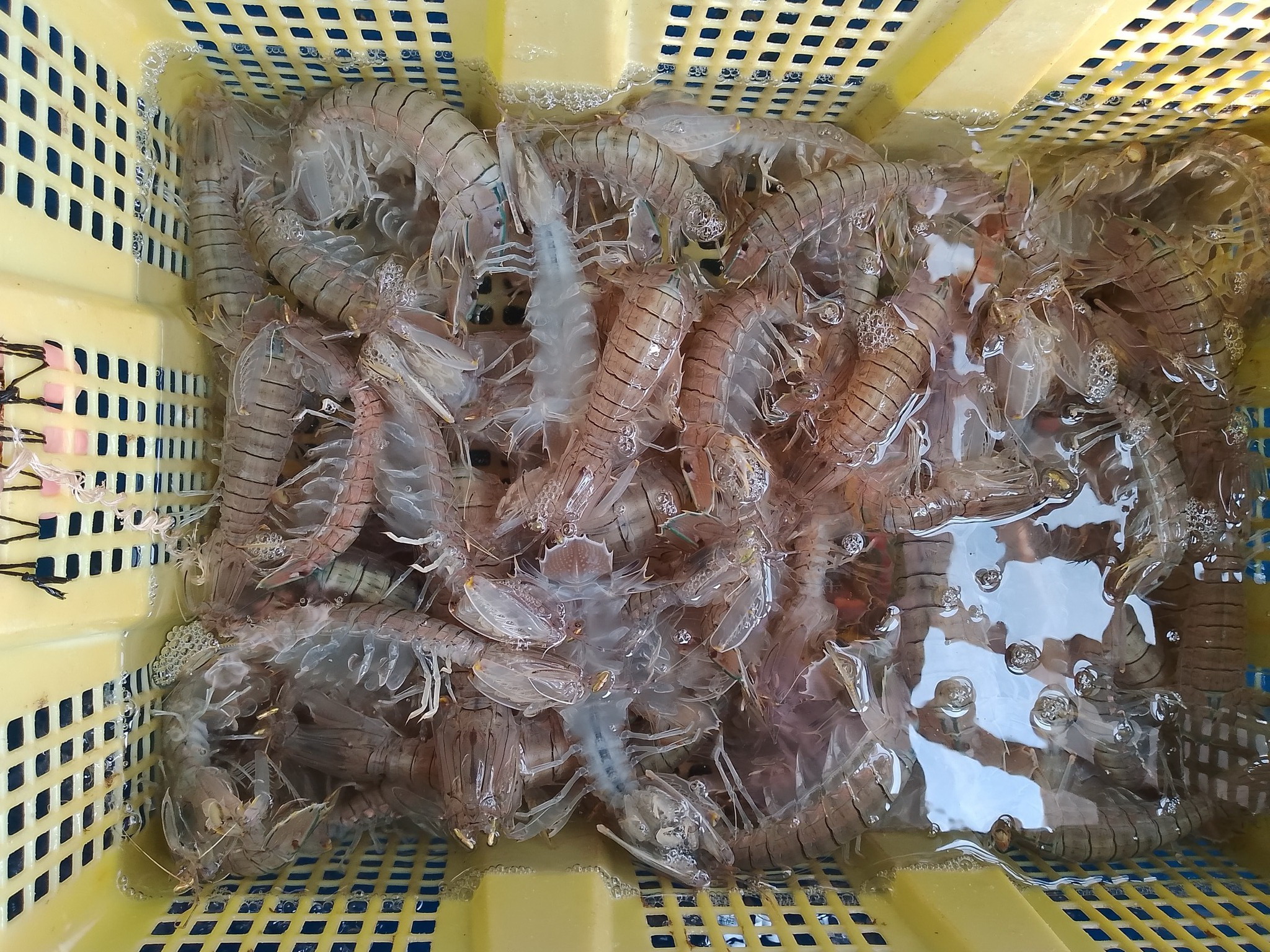
Mantis shrimp—also known as razor shrimp or “bề bề”—is neither a true shrimp nor a mantis, yet its appearance reflects elements of both. This species can be found in many tropical and temperate seas worldwide, but Hòn Tre mantis shrimp is especially prized by seafood lovers for its firm, sweet flesh and rich, briny taste. The harvesting season usually runs from February to August, peaking in the early months of the year, when the island’s fishing villages are at their liveliest.
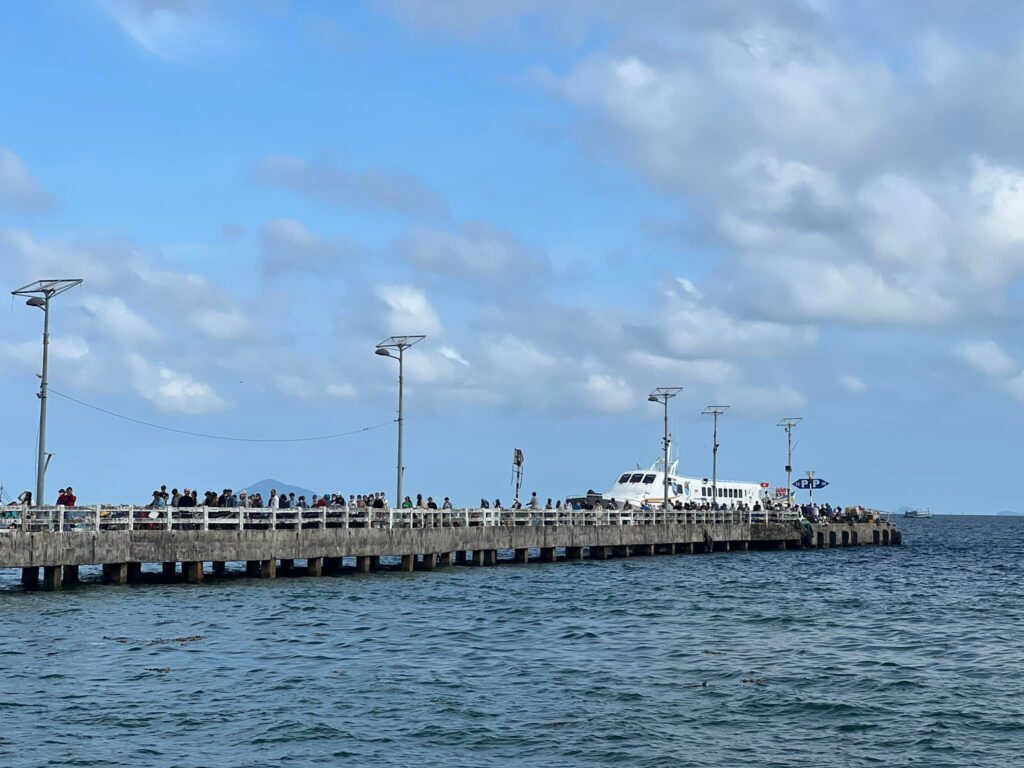
During the season, the atmosphere on Hòn Tre becomes vibrant and full of energy. From the pier and sandy beaches to the open sea, scenes of fishing, purchasing, and weighing mantis shrimp take place throughout the day. The salty scent of the ocean, the busy rhythm of labor, and the sounds of waves and fishing boats together paint a vivid picture of daily life in an island fishing village.
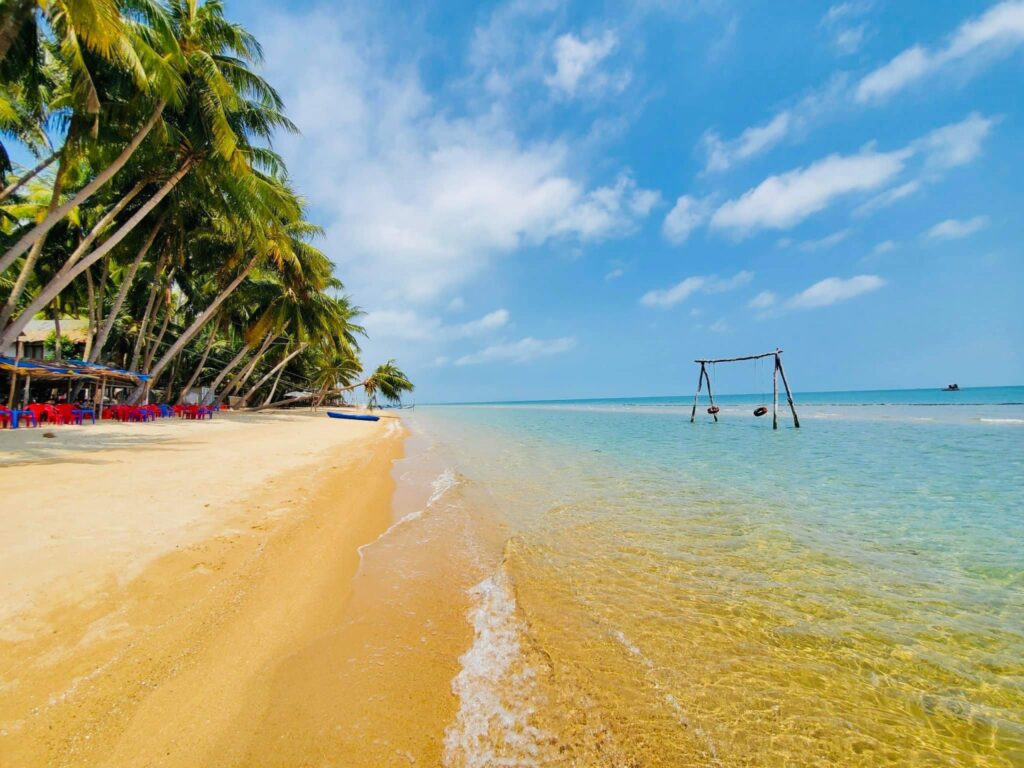
Hòn Tre—also known locally as Hòn Rùa (Turtle Island)—resembles a giant turtle rising from the sea when viewed from afar. Although it is one of the islands closest to the mainland and easy to reach, Hòn Tre has preserved its raw, rustic, and peaceful character. Rocky shorelines, clear blue waters, and small fishing hamlets nestled against the hills create a calming environment for travelers seeking a slower pace of coastal life.
Hòn Tre’s cuisine reflects the flavors of southern Vietnam, with a strong emphasis on fresh seafood prepared simply to preserve its natural sweetness. Mantis shrimp can be steamed, boiled, grilled, fried, or stir-fried, but many locals believe that simply steaming it and dipping it in salt, pepper, and lime best highlights the true taste of the western sea. In peak season, visitors can enjoy these dishes at very affordable prices, true to the island’s down-to-earth spirit.
Beyond being a delicacy, mantis shrimp plays an important role in the local livelihood. When the season arrives, it brings work, income, and liveliness to the entire island: men head offshore to fish, while women and children take part in processing and preparing the catch. As a result, products such as boiled mantis shrimp, peeled mantis shrimp, and dried mantis shrimp have become popular local specialties, often purchased by visitors as gifts.
Though not as famous as Nam Du or Hòn Sơn, Hòn Tre has its own quiet charm—authentic, unpretentious, and deeply rooted in island life. An afternoon walk along the coast, watching boats gently rise and fall with the waves, breathing in the salty sea breeze, and listening to the calm rhythm of the fishing village is enough to wash away everyday fatigue.
And as the sun sets, sitting by the sea with friends, enjoying simple seafood dishes and a cold drink, Hòn Tre leaves visitors with a lasting impression—simple, warm, and unforgettable, perfectly reflecting the gentle spirit of the island life in Kiên Hải, An Giang.