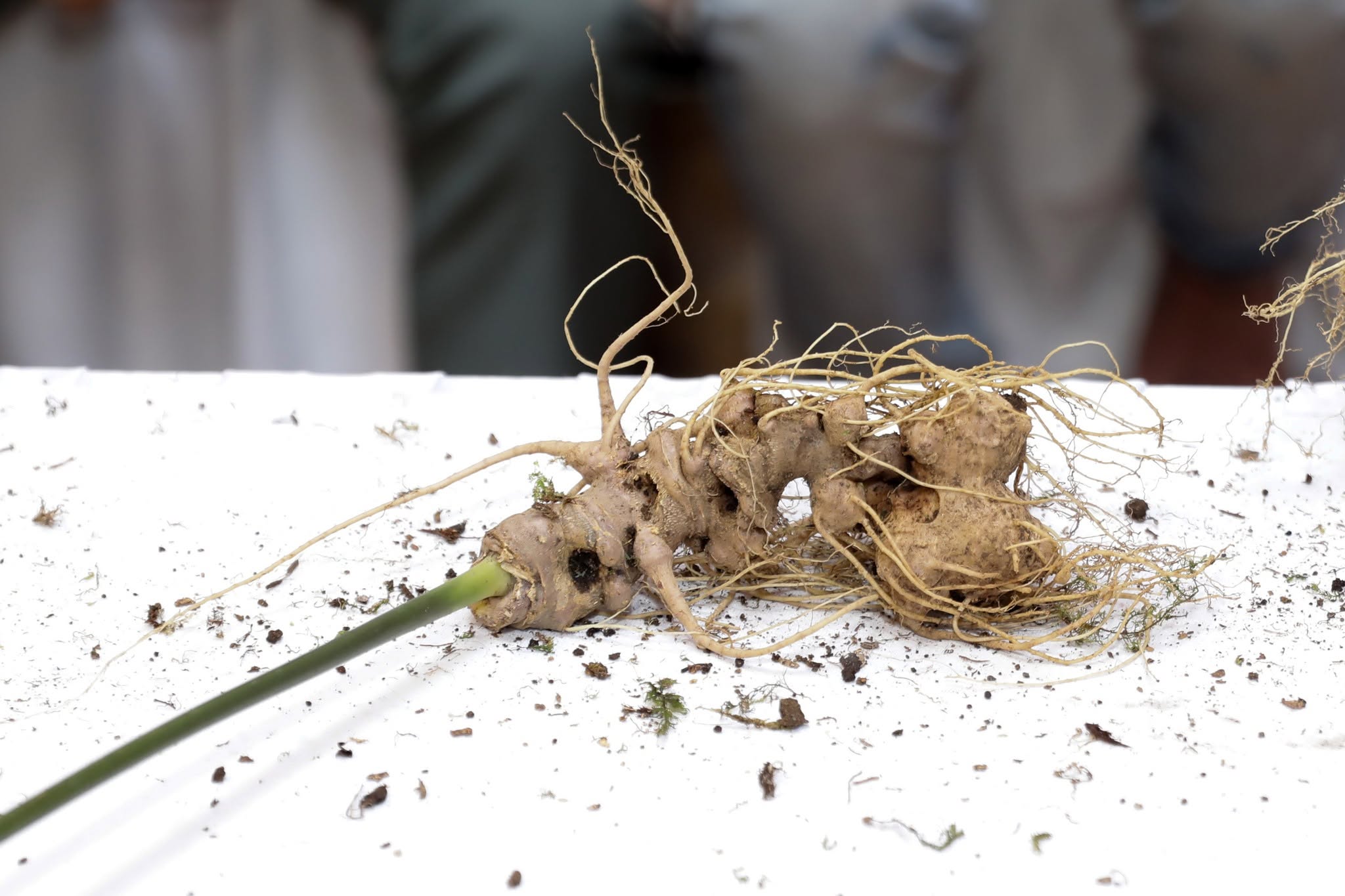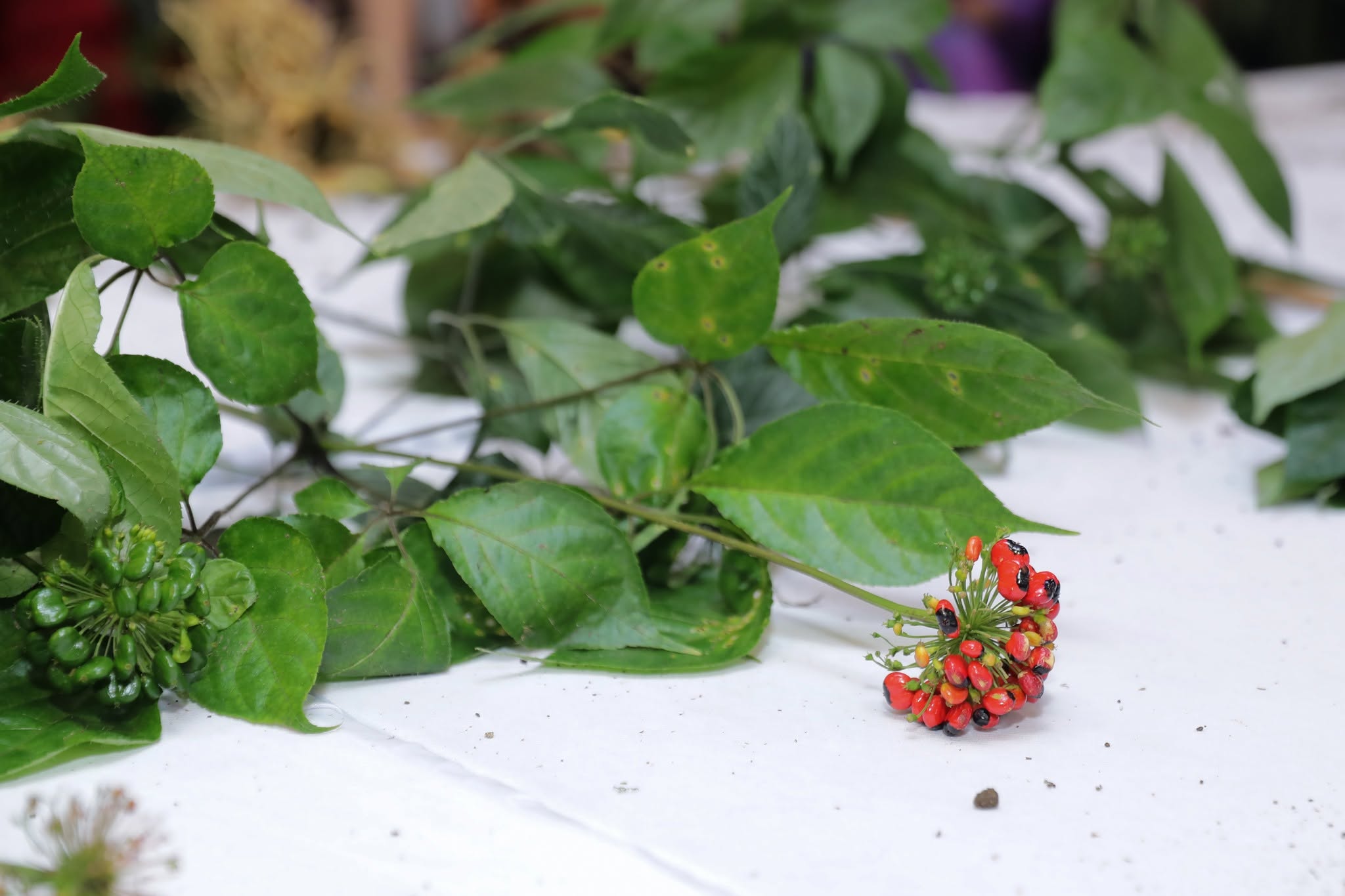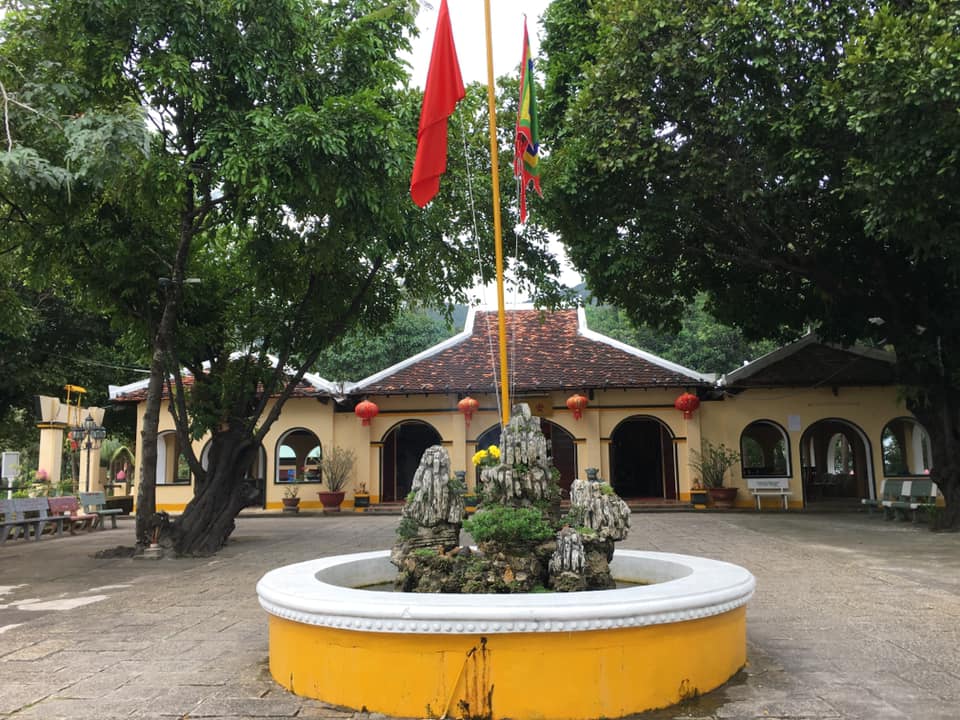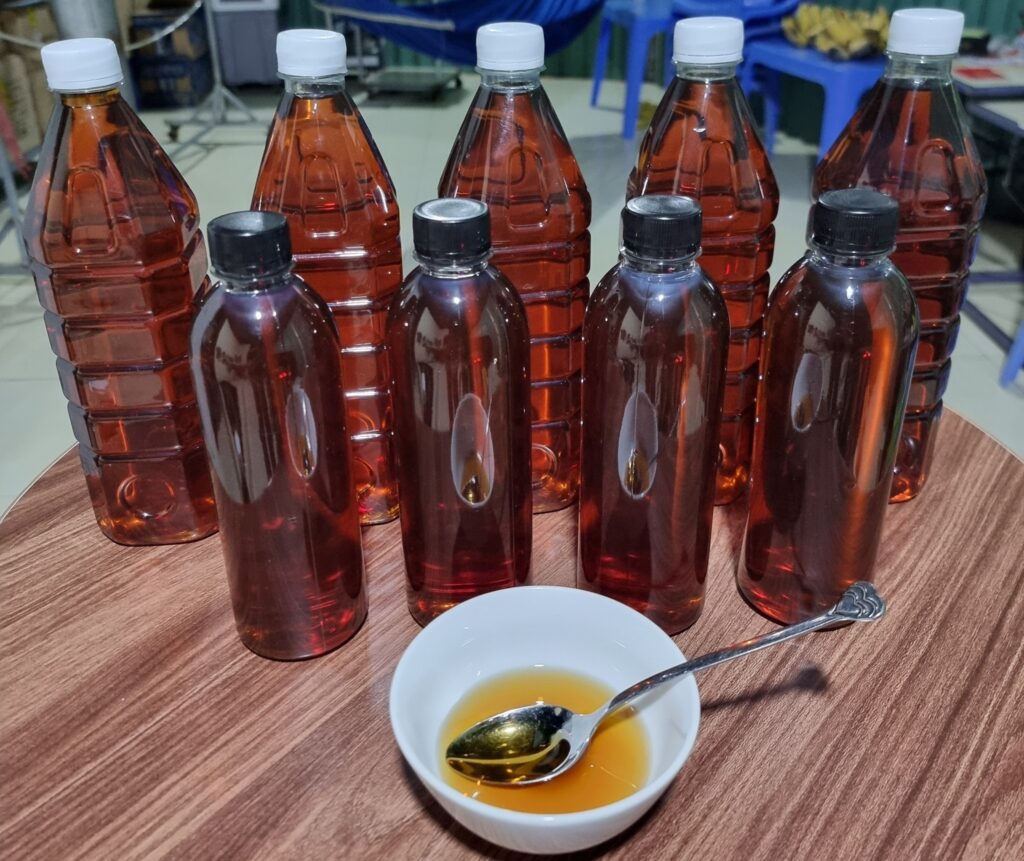

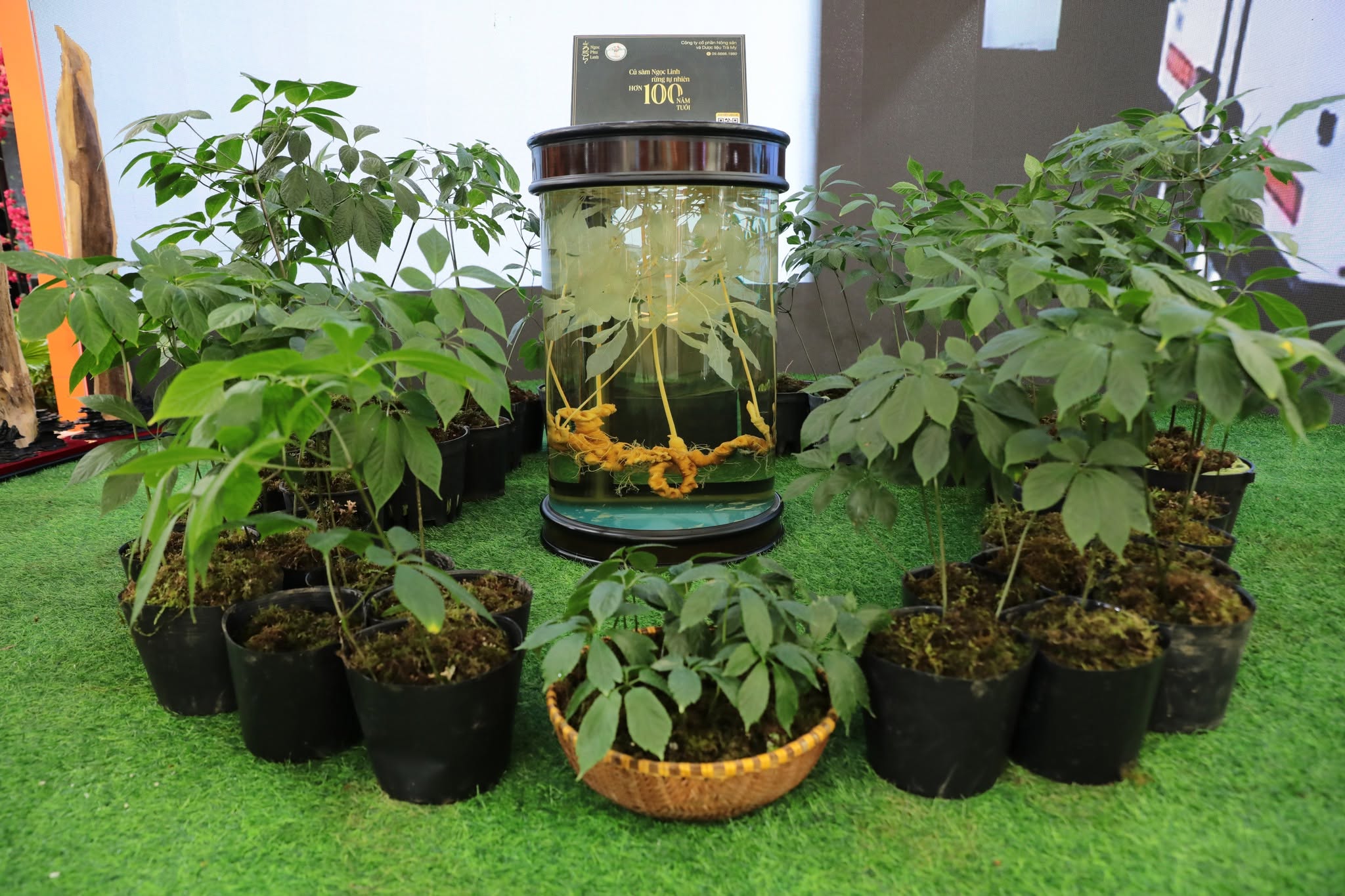
Deep within the ancient forests of the majestic Ngoc Linh Mountain Range, ethnic minority communities have preserved a remarkable body of traditional knowledge about Ngoc Linh ginseng for generations. From identifying medicinal plants in their natural habitat and selecting suitable growing conditions to collecting seeds, cultivating young plants, and caring for ginseng beneath the forest canopy, this knowledge has become an important part of local culture and livelihoods.
More than a valuable medicinal plant, Ngoc Linh ginseng is closely connected to indigenous beliefs, traditional customs, and the long-standing relationship between mountain communities and their forest environment. Knowledge transmitted through oral traditions and practical experience has contributed to the conservation of this rare plant while shaping the cultural identity of the Ngoc Linh region.
On May 14, 2025, Traditional Knowledge of Ngoc Linh Ginseng was inscribed on Vietnam’s National List of Intangible Cultural Heritage under Decision No. 1355/QĐ-BVHTTDL issued by the Ministry of Culture, Sports and Tourism.
This recognition acknowledges the historical, cultural, and indigenous knowledge preserved and practiced by local communities.
The Cultural Landscape of Ngoc Linh Ginseng
The traditional knowledge associated with Ngoc Linh ginseng is primarily practiced in the mountainous area formerly belonging to Nam Tra My District, Quang Nam Province. Following administrative reorganization, its main cultural landscape encompasses Tra Linh, Tra Tap, Nam Tra My, and Tra Leng communes in Da Nang City.
Located in the southwestern mountainous region of Da Nang, this area forms part of the Truong Son Mountain Range. Its most prominent landmark is Mount Ngoc Linh, rising approximately 2,598 meters above sea level and often referred to as the “Roof of Central Vietnam.”
The region’s cool, humid climate, ancient forests, fertile humus-rich soil, and extensive vegetation provide favorable natural conditions for the growth of Ngoc Linh ginseng.
These mountains have long been home to ethnic communities including the Xo Dang, Ca Dong, Bh’noong, and Cor peoples. Through generations of forest-based living, local residents have developed extensive knowledge of medicinal plants, soil conditions, water sources, weather patterns, and forest ecosystems.
According to oral traditions, the ancestors of these communities, particularly the Xo Dang people, discovered the medicinal uses of Ngoc Linh ginseng during hunting expeditions and journeys through the forest.
The Xo Dang refer to the plant by traditional names such as cu ngai rom con and thuoc giau, the latter meaning “hidden medicine.” These names reflect the importance of a medicinal plant traditionally protected and treasured as a precious gift of the mountains.
Over time, local knowledge developed from identifying and gathering wild ginseng into a comprehensive system of cultivation, propagation, harvesting, and processing techniques.
This gradual transition from gathering forest resources to cultivating ginseng under natural forest conditions represents an important development in the region’s traditional livelihood practices.
Indigenous Knowledge of Identifying and Harvesting Wild Ginseng
Through generations of forest exploration, local communities have learned to recognize environments where Ngoc Linh ginseng is likely to grow.
According to traditional experience, the plant thrives at elevations of approximately 1,700 to 2,100 meters, particularly in humid forests with rich organic soil and substantial vegetation cover.
Local residents observe mountain slopes, soil moisture, vegetation, and nearby streams to identify suitable habitats. Traditional knowledge suggests that ginseng can often be found on east-facing slopes, near streams, beneath dense undergrowth, or in places where humus accumulates around decaying tree trunks and rocks.
These observations reflect a detailed understanding of the forest environment acquired through practical experience rather than formal scientific instruction.
In earlier times, ginseng was primarily collected from the wild for household use. Some residents also transplanted plants or scattered seeds along forest paths and near settlements, allowing them to establish small sources of ginseng for future needs.
Over generations, these practices evolved into more organized methods of propagation and cultivation, eventually leading to the development of ginseng gardens beneath the forest canopy.
Traditional Seed Propagation and Forest Cultivation
One of the most significant elements of the heritage is the knowledge of selecting seeds, raising seedlings, and cultivating ginseng in suitable forest environments.
Local growers traditionally select ripe red fruits with dark markings from ginseng plants more than five years old. Seeds are generally collected between July and September each year.
After being separated from the fruit, the seeds are placed in nursery beds containing humus-rich soil with suitable moisture and good drainage.
Growers favor gently sloping ground to prevent waterlogging during heavy rainfall. Young plants are typically maintained in nurseries for approximately one to two years until they become strong enough for transplantation.
For larger-scale cultivation beneath the forest canopy, local communities generally select mountain slopes at elevations of approximately 1,500 to 2,000 meters.
The soil should be rich in organic matter, loose, and well-drained. Forest shade is maintained at approximately 70–80%, providing growing conditions similar to the plant’s natural habitat.
Throughout cultivation, growers monitor soil moisture carefully, ensuring that the ground remains sufficiently humid without becoming waterlogged.
They also protect young plants from unfavorable weather conditions such as hail and frost, remove competing vegetation, and inspect plants regularly for pests and diseases.
These practices demonstrate the close relationship between indigenous knowledge and the ecological characteristics of the Ngoc Linh mountains.
Unlike crops cultivated in open fields, Ngoc Linh ginseng depends heavily on forest conditions, including shade, soil composition, humidity, and environmental stability.
Through continued observation and experience, local communities have refined their cultivation techniques, helping reduce dependence on wild harvesting and supporting the conservation of the plant.
Traditional Knowledge of Processing and Using Ngoc Linh Ginseng
Alongside cultivation techniques, local communities have preserved knowledge about preparing, storing, and using Ngoc Linh ginseng.
Traditionally, the plant has been used in various forms, from fresh roots to preparations intended for longer-term storage.
As production has developed, indigenous practices have increasingly been combined with modern processing methods, resulting in a wider range of products.
Today, products made from Ngoc Linh ginseng include fresh whole roots, sliced roots, ginseng leaves, herbal tea, ginseng infused in honey or alcohol, concentrated extracts, confectionery, effervescent tablets, and prepared foods such as bird’s nest products containing ginseng.
This diversification reflects the transformation of ginseng from a medicinal resource primarily used within local households into a commercially valuable product.
However, the cultural significance of the heritage extends beyond the products themselves. Its central value lies in the knowledge of the plant’s natural environment, cultivation requirements, harvesting practices, and the transmission of experience between generations.
Cultural, Ecological, and Economic Significance
Ngoc Linh ginseng is often called the “green gold” of the Truong Son Mountains because of its rarity and high economic value.
Scientific interest in the plant, particularly research into its saponin compounds, has further increased its importance within Vietnam’s medicinal plant sector.
Nevertheless, the significance of traditional knowledge of Ngoc Linh ginseng cannot be measured solely by commercial value.
It represents generations of accumulated experience reflecting the settlement history, livelihood practices, and ecological understanding of mountain communities.
For these communities, forests have traditionally provided food, medicinal plants, building materials, and other essential resources. They are also cultural and spiritual spaces associated with customary beliefs and community practices.
Knowledge of Ngoc Linh ginseng emerged within this environment through observation, work, and the transmission of practical experience.
The transition from wild harvesting to cultivation beneath the forest canopy has contributed to changes in local production systems.
Ginseng cultivation has become an important source of income for some households, creating opportunities to improve livelihoods and support local economic development.
At the same time, the dependence of ginseng on forest conditions highlights the importance of protecting natural vegetation, maintaining forest cover, and minimizing ecological disturbance.
The heritage also strengthens community relationships. Knowledge is shared and passed down among families, clans, and ethnic groups, reflecting cultural interaction and cooperation among communities living along the Ngoc Linh Mountain Range.
Traditional Beliefs and Cultural Experiences
In the spiritual traditions of local ethnic communities, Ngoc Linh ginseng is associated with beliefs concerning the sacred nature of mountains and forests.
According to indigenous traditions, mountain and forest spirits protect people, plants, and valuable natural resources.
Certain ceremonies, including rituals honoring mountain spirits and the spirit associated with Ngoc Linh ginseng, have been preserved as expressions of gratitude toward nature and prayers for health, favorable conditions, and community well-being.
These beliefs demonstrate that the relationship between local communities and ginseng extends beyond its practical or economic uses.
In recent years, cultural events and tourism activities have helped introduce the heritage to a wider audience.
According to the source material, the Ngoc Linh Ginseng Festival is generally organized in early August, while the Ngoc Linh Ginseng Market takes place from the first to the third day of each month. Actual schedules should be confirmed through local announcements before visiting.
At these events, visitors can learn about ginseng cultivation and harvesting, explore mountain medicinal products, discover locally certified OCOP products, and sample traditional regional cuisine.
Cultural performances featuring gongs, folk music, and other traditional arts also provide opportunities to experience the heritage of local ethnic communities.
Where permitted and accompanied by local guides, visitors may explore ginseng gardens beneath the forest canopy, observe the plant’s growing environment, and hear directly from growers about traditional cultivation methods.
A journey through the Ngoc Linh region may also include natural attractions such as Tak Chuom Waterfall, the ancient chestnut forests of Tra Cang, and cloud-covered mountain landscapes.
Forest visits, mountain trekking, and access to ginseng cultivation areas should always follow local conservation regulations and the guidance of authorized operators.
Recognition as National Intangible Cultural Heritage
On May 14, 2025, the Ministry of Culture, Sports and Tourism issued Decision No. 1355/QĐ-BVHTTDL, officially including Traditional Knowledge of Ngoc Linh Ginseng on Vietnam’s National List of Intangible Cultural Heritage.
This recognition acknowledges a body of knowledge developed, practiced, and transmitted by communities living in the Ngoc Linh mountains.
The heritage encompasses understanding of the plant’s natural habitat, identification methods, seed propagation, cultivation, care, harvesting, and processing, together with associated cultural practices.
As Ngoc Linh ginseng continues to attract growing commercial interest, heritage preservation requires careful attention to the role of local communities, the transmission of traditional knowledge, and the protection of natural forest ecosystems.
Traditional knowledge of Ngoc Linh ginseng is a remarkable example of the creativity and environmental understanding of Vietnam’s mountain communities.
From a medicinal plant discovered during forest journeys to a valuable cultural and economic resource, Ngoc Linh ginseng has become a symbol of indigenous knowledge, community identity, and the enduring relationship between people and the forests of the Truong Son Mountains.
Basic Information
| Item | Details |
|---|---|
| Heritage name | Traditional Knowledge of Ngoc Linh Ginseng |
| Location | Tra Linh, Tra Tap, Nam Tra My, and Tra Leng communes, Da Nang City |
| Cultural landscape | Ngoc Linh Mountain Range, Truong Son Mountains |
| Associated communities | Xo Dang, Ca Dong, Bh’noong, Cor, and other local communities |
| Main subject | Ngoc Linh ginseng and its natural growing environment |
| Traditional knowledge | Plant identification, harvesting, seed propagation, cultivation, care, and processing |
| Traditional cultivation elevation | Approximately 1,500–2,000 meters |
| Cultural significance | Indigenous knowledge, forest culture, traditional beliefs, medicinal plant conservation, and livelihoods |
| Heritage classification | Traditional folk knowledge |
| Recognition | National Intangible Cultural Heritage |
| Decision number | 1355/QĐ-BVHTTDL |
| Recognition date | May 14, 2025 |