

The Vu Lan Festival in Con Dao offers a meaningful cultural and spiritual experience, bringing together Vietnam’s tradition of filial piety, remembrance of ancestors, and gratitude toward those who sacrificed their lives for the country’s independence.
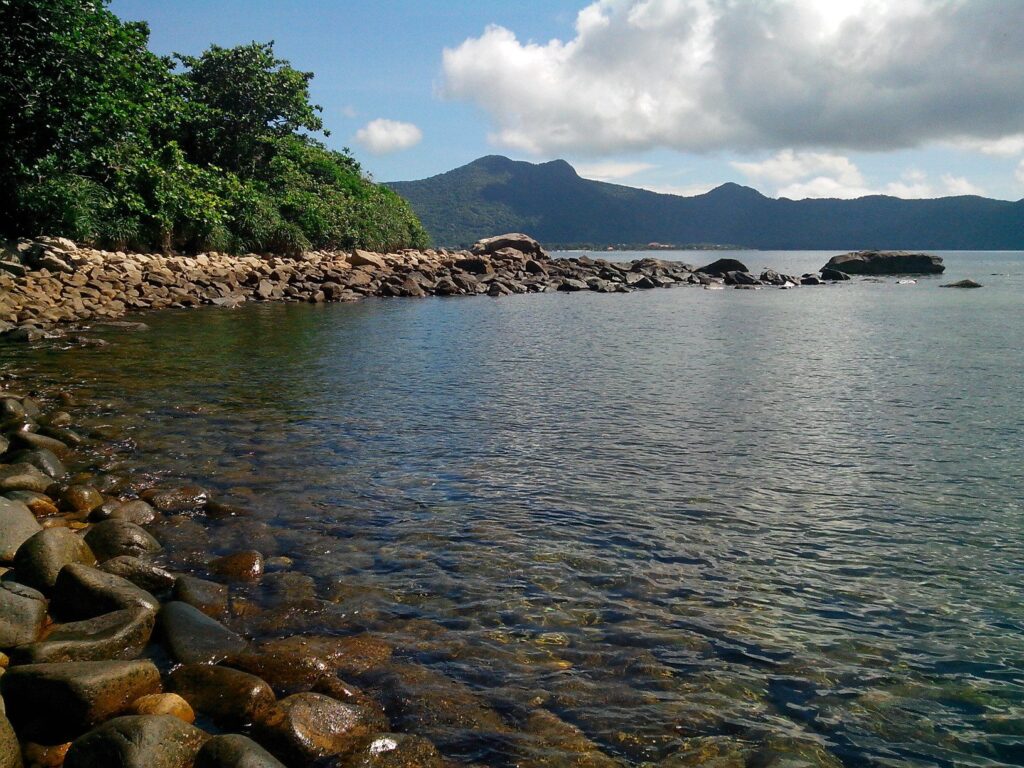
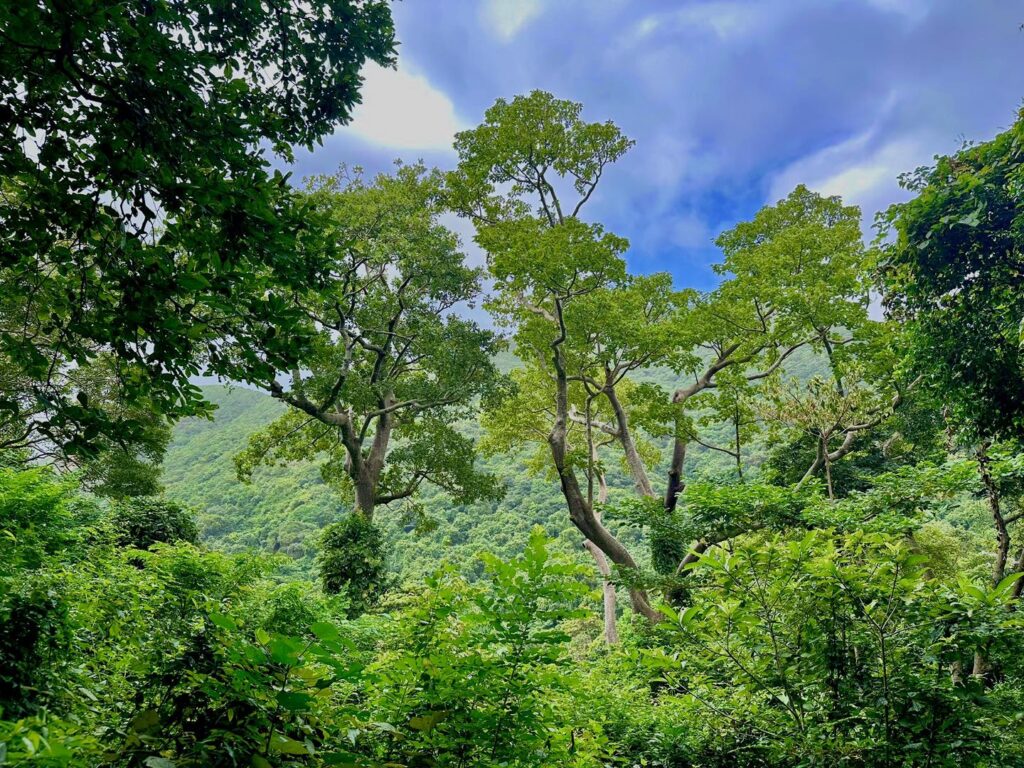
Known for its pristine beaches, tropical forests, and rich marine biodiversity, Con Dao is also one of Vietnam’s most significant historical and spiritual destinations.
During the Vu Lan season, visitors can explore historical landmarks, pay their respects at memorial sites, visit Buddhist temples, and discover the values of gratitude and remembrance deeply rooted in Vietnamese culture.
Con Dao – An Island of History and Spiritual Significance
Con Dao is an archipelago off the southern coast of Vietnam. Administratively, it is now part of Con Dao Special Zone, Ho Chi Minh City.
Beyond its natural beauty, Con Dao holds an important place in Vietnamese history.
The Con Dao prison system was established by the French colonial authorities in 1862. Over the following decades, the islands became a place of imprisonment for generations of Vietnamese patriots, revolutionaries, and political prisoners.
The prison complex became notorious for its harsh conditions, particularly the infamous Tiger Cages, which symbolize the suffering and resilience of those imprisoned there.
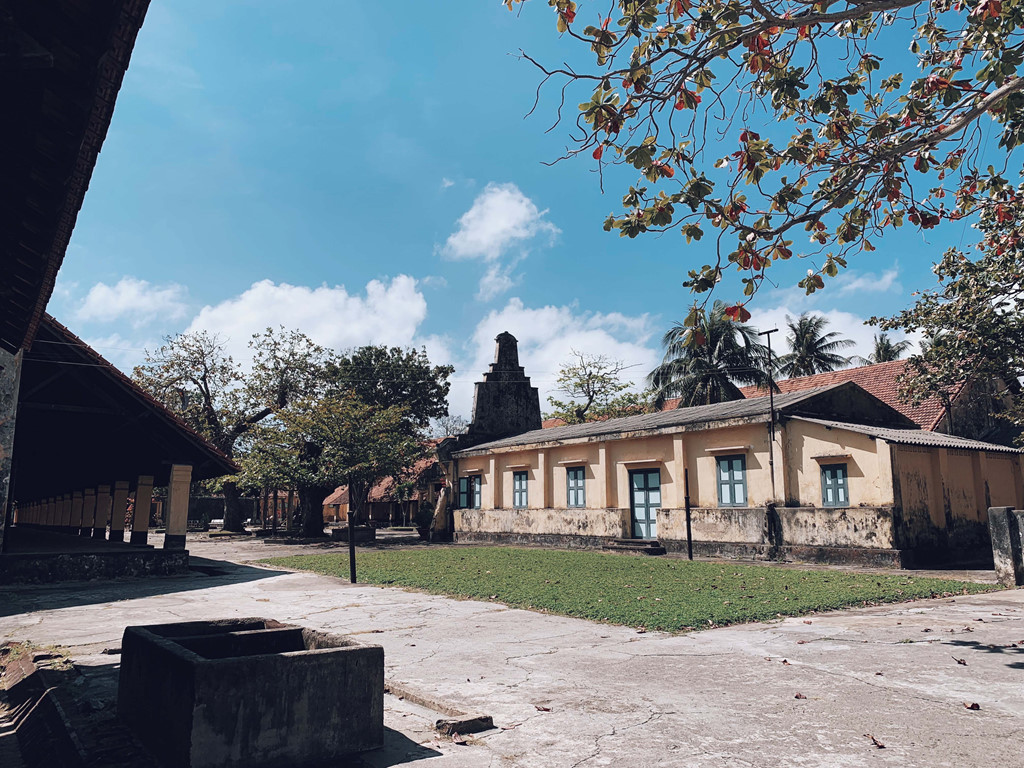
Today, historical sites such as Phu Hai Prison, the Tiger Cages, and Hang Duong Cemetery preserve memories of this difficult period.
For many Vietnamese people, Con Dao is not only a holiday destination but also a place of remembrance, reflection, and national gratitude.
What Is the Vu Lan Festival in Vietnam?
Vu Lan, also known as the Vietnamese Filial Piety Festival, is an important occasion in Vietnamese Buddhist and cultural traditions.
Celebrated around the 15th day of the seventh lunar month, Vu Lan emphasizes gratitude toward parents, respect for ancestors, and compassion for all beings.
The festival is traditionally associated with prayers for parents, both living and deceased, as well as acts of kindness and remembrance.
The seventh lunar month is also connected with other Vietnamese ancestral remembrance customs, including ceremonies for departed souls.
Although these traditions have different religious and cultural origins, they share themes of gratitude, compassion, and respect for those who came before us.
In Con Dao, the meaning of Vu Lan is especially profound because of the islands’ historical significance.
Visitors often combine spiritual activities with visits to memorial sites honoring those who lost their lives during the country’s struggle for independence.
Visiting Hang Duong Cemetery During Vu Lan
Hang Duong Cemetery is one of the most important historical and memorial sites in Con Dao.
It is the final resting place of many Vietnamese revolutionaries, patriots, and prisoners who died during their imprisonment on the islands.
Among the prominent historical figures commemorated here are:
- Vo Thi Sau, a young Vietnamese revolutionary and national heroine.
- Nguyen An Ninh, a prominent Vietnamese patriot and intellectual.
- Le Hong Phong, an important revolutionary leader.
Throughout the year, Vietnamese residents and visitors come to Hang Duong Cemetery to offer flowers, incense, and prayers in remembrance of those who sacrificed their lives.
During the Vu Lan season, these visits carry an additional meaning of gratitude and reflection.
For international travelers, visiting Hang Duong Cemetery offers an opportunity to understand Vietnam’s history and the importance of remembrance in Vietnamese society.
Visitors should dress respectfully, maintain a quiet atmosphere, and follow the cemetery’s regulations.
Paying Respect to Vo Thi Sau in Con Dao
The grave of Vo Thi Sau at Hang Duong Cemetery is among the most visited memorial sites on the island.
Vo Thi Sau is remembered for her courage and sacrifice during Vietnam’s struggle against French colonial rule.
In Vietnamese folk belief, she is affectionately known as Co Sau, or Lady Sau.
Over time, stories and spiritual traditions associated with Co Sau have become part of Con Dao’s local cultural identity.
Many visitors bring fresh flowers and incense as expressions of respect and remembrance.
Some people choose to visit her grave in the evening or at night, following personal or local customs. However, visiting at a particular hour is not a religious requirement.
The most important aspect of the visit is showing respect for the historical site and the people commemorated there.
For international visitors, it is helpful to understand that the historical legacy of Vo Thi Sau and the folk beliefs surrounding her are related but distinct aspects of Vietnamese cultural heritage.
Exploring Con Dao’s Historical Prison Sites
A visit to Con Dao during the Vu Lan season can also include the island’s historical prison complex.
These sites provide valuable insights into Vietnam’s struggle for independence and the experiences of prisoners held on the islands.
Phu Hai Prison
Phu Hai Prison is one of the historical prison facilities in Con Dao.
Visitors can explore preserved structures and learn about the harsh living conditions endured by prisoners.
The Tiger Cages
The Tiger Cages are among the most well-known parts of the Con Dao prison system.
These detention facilities became symbols of the severe treatment experienced by political prisoners.
Today, the preserved structures and historical exhibitions help visitors understand this difficult chapter of Vietnam’s history.
Historical Exhibitions and Memorial Sites
Other exhibitions and memorial locations across Con Dao provide additional historical context through photographs, documents, and artifacts.
For families and younger generations, these visits can offer valuable opportunities to learn about history and appreciate the sacrifices of previous generations.
Visiting Temples and Spiritual Sites During Vu Lan
The seventh lunar month is a meaningful period for many Vietnamese families to visit Buddhist temples and places of worship.
In Con Dao, visitors can discover several spiritual and cultural landmarks.
Van Son Pagoda (Nui Mot Pagoda)
Van Son Pagoda, also known as Nui Mot Pagoda, is a Buddhist temple situated on a hillside overlooking the island’s scenic surroundings.
Its peaceful atmosphere makes it a popular destination for prayer, reflection, and sightseeing.
During the Vu Lan season, visitors may come to the temple to express gratitude toward their parents and ancestors.
Specific ceremonies depend on the temple’s schedule.
An Son Temple (Lady Phi Yen Temple)
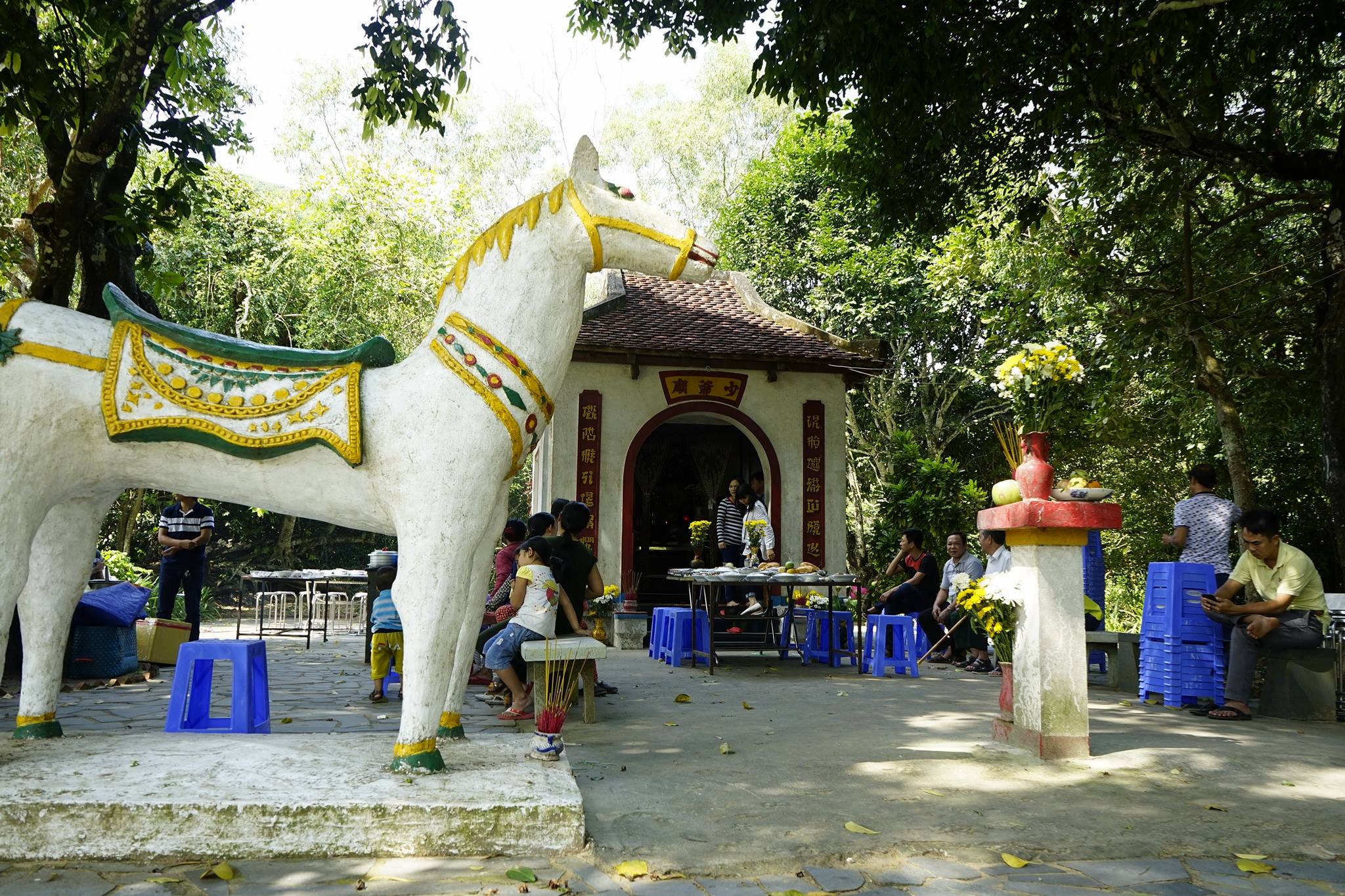
An Son Temple is dedicated to Lady Phi Yen, a figure associated with local folklore and spiritual traditions in Con Dao.
The temple is an important part of the island’s cultural heritage and offers visitors an opportunity to learn about local beliefs.
Mieu Cau (Prince Cai Temple)
Mieu Cau is a local spiritual site associated with the legend of Prince Cai.
It reflects the traditions and stories that have developed within the Con Dao community over generations.
Visitors should respect local customs and check whether any special ceremonies are scheduled during their stay.
Discovering Con Dao’s Famous Tropical Almond Trees
Beyond its historical and spiritual landmarks, Con Dao is known for its beautiful tree-lined streets.
Large tropical almond trees, commonly called cây bàng in Vietnamese, are a familiar feature of the island’s landscape.
Their broad canopies provide shade along roads and in residential areas.
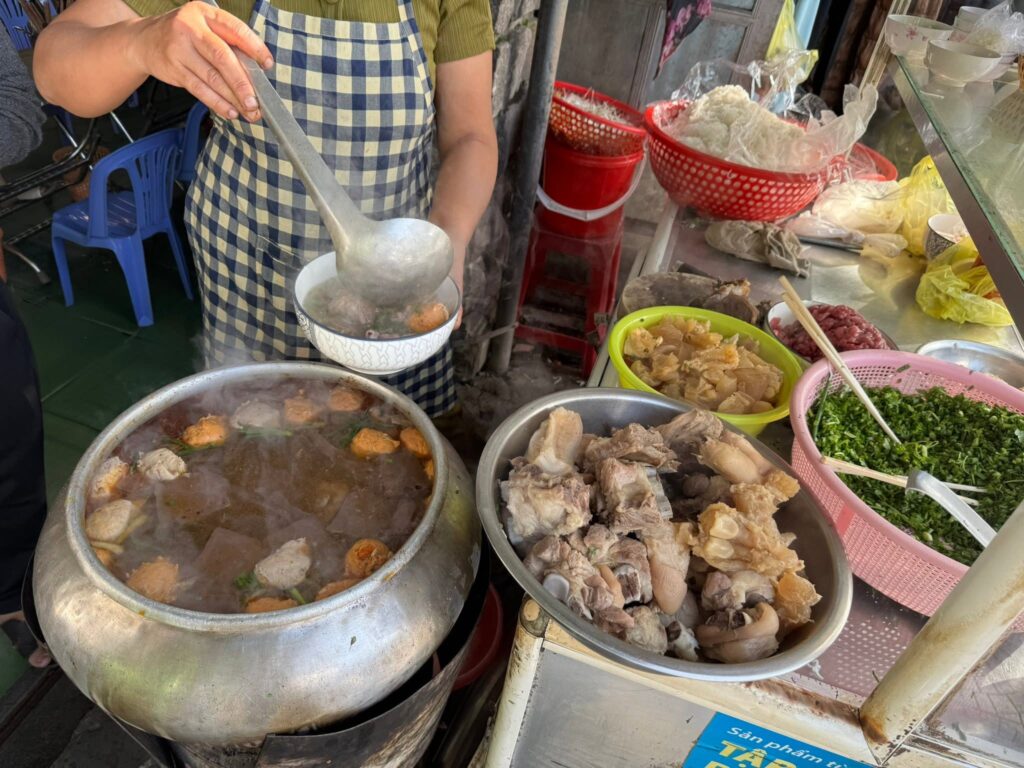
The trees also produce seeds that are used to prepare one of Con Dao’s distinctive local specialties: roasted tropical almond kernels.
The kernels are commonly roasted with salt or sugar, creating a crunchy snack with a rich, nutty flavor.
Visitors often purchase these roasted kernels as souvenirs or gifts.
This simple local specialty is closely associated with the everyday character of Con Dao.
Travel Tips for Visiting Con Dao During Vu Lan
Travelers planning to experience the Vu Lan season in Con Dao should consider the following recommendations:
- Check the lunar calendar: Vu Lan takes place around the 15th day of the seventh lunar month, so its Gregorian calendar date changes each year.
- Dress respectfully: Modest clothing is recommended when visiting temples, cemeteries, and historical memorials.
- Respect local customs: Follow guidance when offering incense or participating in spiritual activities.
- Check opening hours: Historical sites, temples, and memorial facilities may have different visiting arrangements.
- Avoid excessive offerings: Minimize waste and avoid activities that may harm the environment.
- Maintain a respectful atmosphere: Keep noise levels low at memorial sites.
- Plan transportation in advance: Ferry and flight schedules may change due to weather or operational conditions.
- Combine history with nature: Consider exploring Con Dao National Park and other authorized natural attractions during your stay.
Travelers interested in specific Vu Lan ceremonies should contact the relevant temples or local organizers for updated information.
Suggested Cultural and Historical Itinerary in Con Dao
A meaningful visit to Con Dao during the Vu Lan season can combine historical exploration with spiritual reflection.
Visitors may begin by exploring the Con Dao prison historical sites to learn about the island’s past.
The journey can continue to Hang Duong Cemetery, where travelers can pay their respects to the people commemorated there.
A visit to Van Son Pagoda offers a quieter setting for reflection, while An Son Temple introduces another dimension of Con Dao’s local spiritual heritage.
Depending on available time, travelers can also enjoy the island’s natural landscapes and discover local specialties.
This combination of history, culture, spirituality, and nature provides a deeper understanding of Con Dao beyond its beaches.
Vu Lan in Con Dao – A Journey of Remembrance and Gratitude
The Vu Lan Festival is a time when many Vietnamese people reflect on the love and sacrifices of their parents, remember their ancestors, and express gratitude toward previous generations.
In Con Dao, these values are closely connected with the islands’ history and cultural traditions.
Visiting historical sites, offering flowers at memorials, and exploring local temples can become meaningful experiences for travelers interested in understanding Vietnamese culture.
A journey to Con Dao during Vu Lan is therefore more than a sightseeing trip. It is an opportunity to discover the country’s historical memory, spiritual heritage, and enduring tradition of gratitude.
The Vu Lan Festival in Con Dao brings together family values, national remembrance, and cultural heritage, creating a meaningful travel experience for visitors seeking a deeper connection with Vietnam.