Bún bò Huế is one of the most distinctive dishes of Hue cuisine, closely associated with the folk life, traditional noodle-making craft, and cultural development of the former Thuận Hóa region. Made from familiar ingredients such as rice noodles, beef, pork leg, lemongrass, and Hue fermented shrimp paste, the dish is known for its rich broth, round and chewy noodles, and distinctive Central Vietnamese flavor.
Beyond its culinary identity, Bún bò Huế embodies a body of traditional knowledge, culinary skills, and cultural practices transmitted through generations. Folk knowledge related to Bún bò Huế was included in Vietnam’s National List of Intangible Cultural Heritage in 2025, recognizing the dish not only for its flavor but also for the knowledge and cultural values maintained by the community.
- Heritage element: Folk Knowledge Related to Bún bò Huế
- Vietnamese name: Bún bò Huế
- Locality: Hue
- Cultural region: Thuận Hóa, Central Vietnam
- Type: Local cuisine, folk knowledge
- Main ingredients: Rice noodles, beef, pork leg
- Accompanying ingredients: Crab paste, pork sausage, beef sausage, and other components
- Characteristic seasonings: Lemongrass, Hue fermented shrimp paste, onion, chili, and traditional seasonings
- Distinctive features: A rich broth, fragrant with lemongrass and fermented shrimp paste, combined with round, soft, chewy noodles
- Recognition: Included in Vietnam’s National List of Intangible Cultural Heritage under Decision No. 2203/QĐ-BVHTTDL dated June 27, 2025
From Folk Rituals to Bún Bò Huế
According to the source material, the origins of Bún bò Huế are associated with the folk religious life of the people of former Thuận Hóa, rather than with the royal court or aristocratic society.
During seasonal ritual occasions, village communities organized ceremonies and prepared beef, pork, and goat meat as offerings to deities. After the best cuts were selected for the rituals, ordinary cuts of meat, beef offal, and bones were cooked into a broth-based dish and served with sticky rice.
This cooking practice both made use of available food and connected communal meals with local religious traditions. As rice noodles became more widespread and noodle-making developed, noodles gradually replaced sticky rice as an accompaniment. Rice noodles were lighter and more convenient, contributing to the formation of Bún bò.
Initially associated with death anniversaries, Tet celebrations, ritual observances, and community gatherings, the dish gradually became part of everyday life. Over time, people added ingredients such as pork leg, blood sausage, crab paste, and other types of sausage, creating the richer version of Bún bò Huế known today.
The Traditional Noodle-Making Craft and the Story of Bà Bún
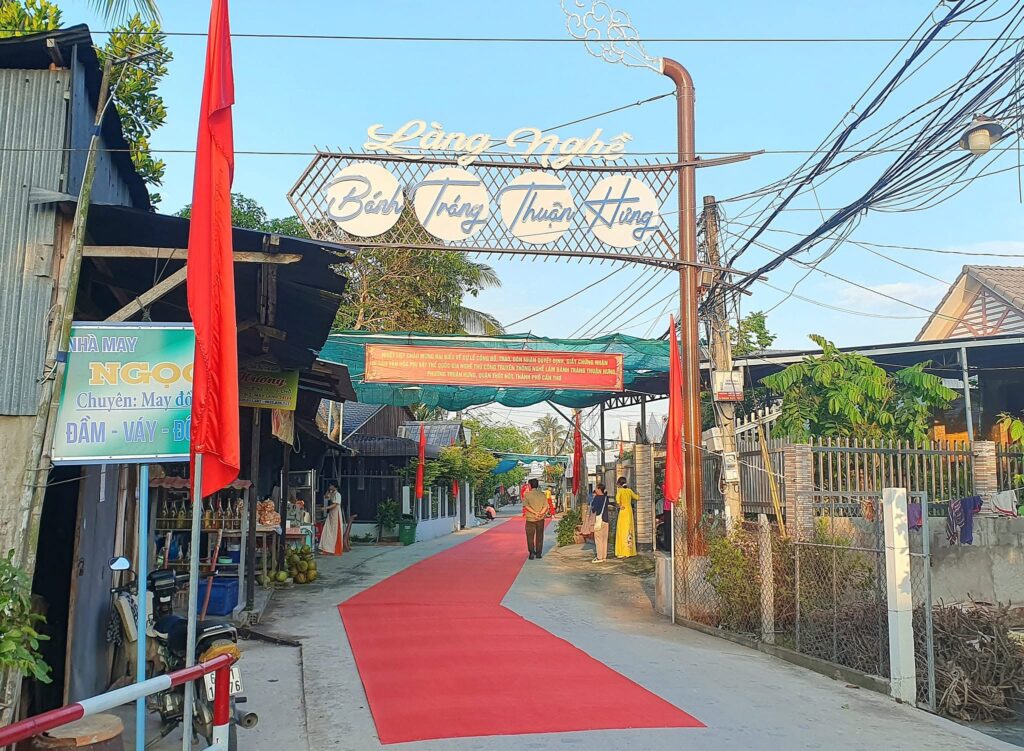
The development of Bún bò Huế is closely connected with the traditional rice noodle-making craft in Hue.
Vân Cù Village, now part of Kim Trà Ward, and Ô Sa Village, now part of Đan Điền Commune, are identified in the source material as places with an important role in the development of the noodle-making craft over more than 400 years.
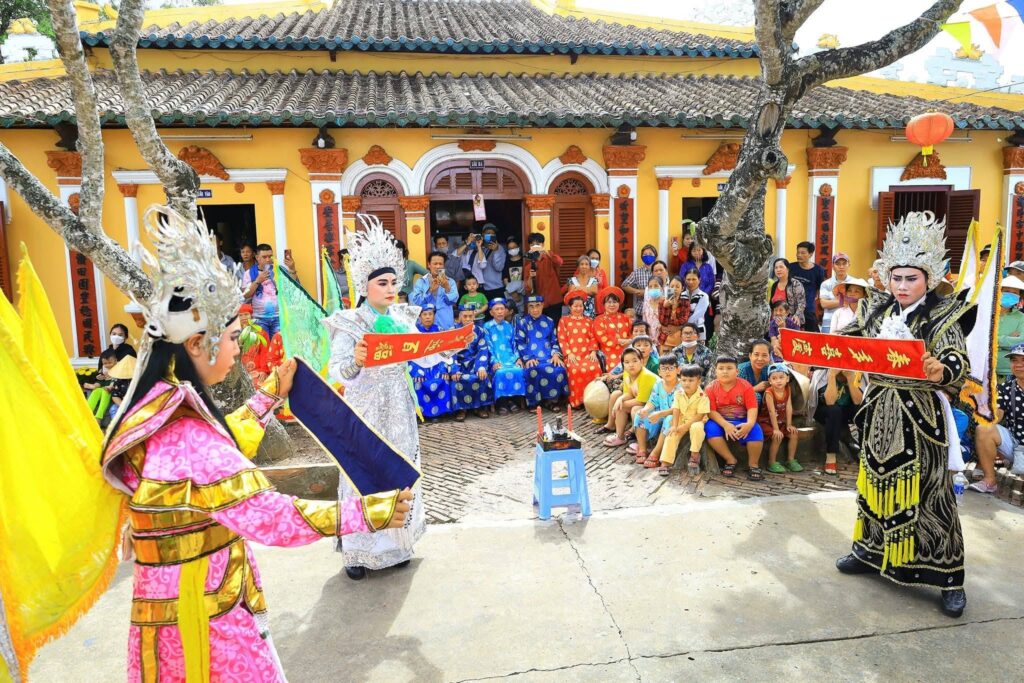
The community also preserves the story of “Bà Bún,” regarded as the founding ancestor of the noodle-making craft. Each year, local residents hold commemorative ceremonies in her honor, helping preserve the memory and spiritual values associated with the traditional occupation.
Through these traditional villages, noodle-making techniques have been passed down through generations. The craft provides an important foundation for Bún bò Huế as well as many other dishes in the local culinary tradition.
Rice Noodles and the Ingredients of Bún Bò Huế
The noodles form the foundation of the dish. Bún used for Bún bò Huế is round, soft, and chewy, while remaining firm enough not to break easily. According to the source, the noodles are made from white rice combined with tapioca starch in an appropriate proportion.
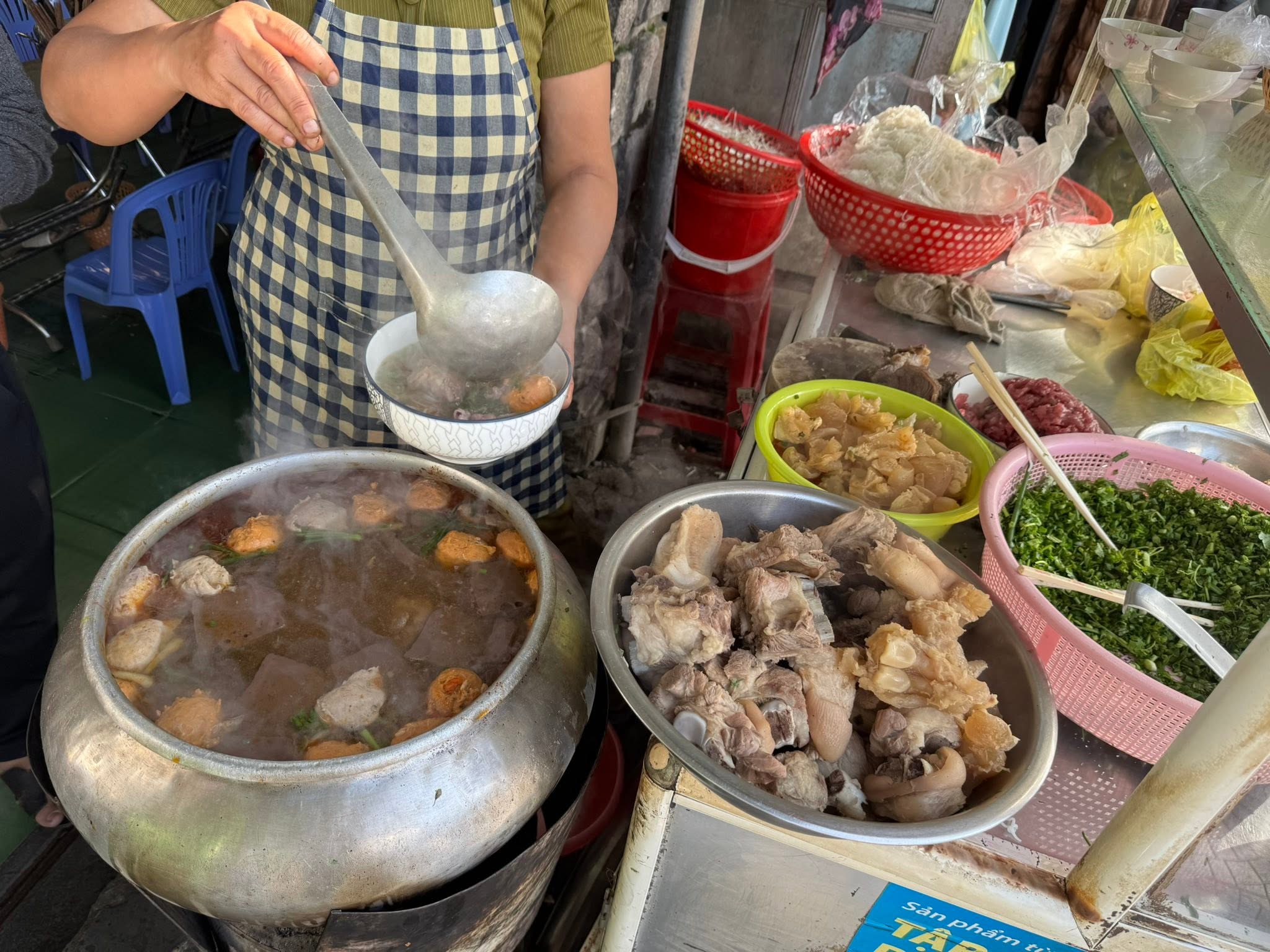
The meat is also carefully selected. Pork leg and beef commonly include cuts such as beef shank or tendon. They are simmered until properly cooked so that they retain their natural sweetness and characteristic texture rather than becoming overly soft.
Other components include crab paste, pork sausage, and beef sausage. These are traditionally prepared by hand, seasoned appropriately, and shaped into firm pieces with a delicate savory flavor.
Together, the noodles, beef, pork leg, and different types of sausage create a bowl with a variety of textures and layers of flavor.
The Broth, the Soul of Bún Bò Huế
The broth is one of the defining elements of Bún bò Huế. According to the source, it is simmered with beef marrow bones, pork bones, pork leg, and whole pieces of beef shank.
The ingredients are simmered over low heat to extract their natural flavors. During cooking, the broth is regularly skimmed and the pot is left uncovered to help maintain clarity and aroma.
Lemongrass is bruised, tied into bundles, and added to the pot. Shallots or onions are lightly roasted before being added to the boiling broth, helping create a natural fragrance while reducing bitterness.
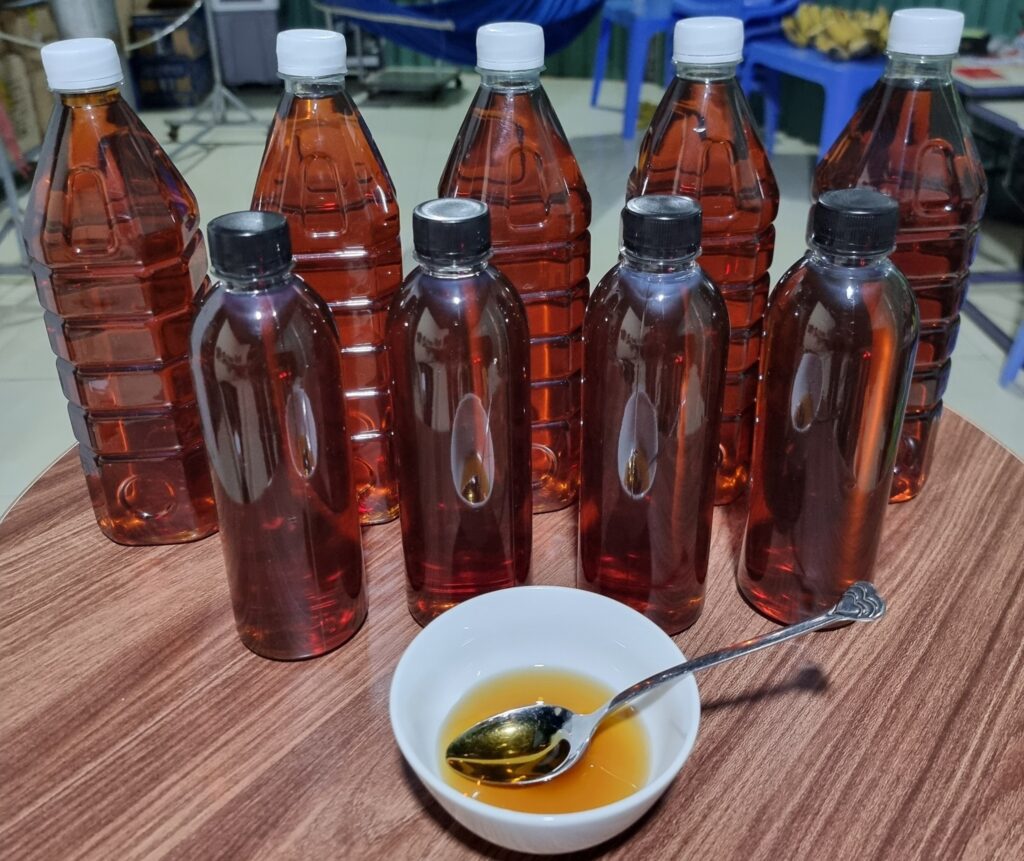
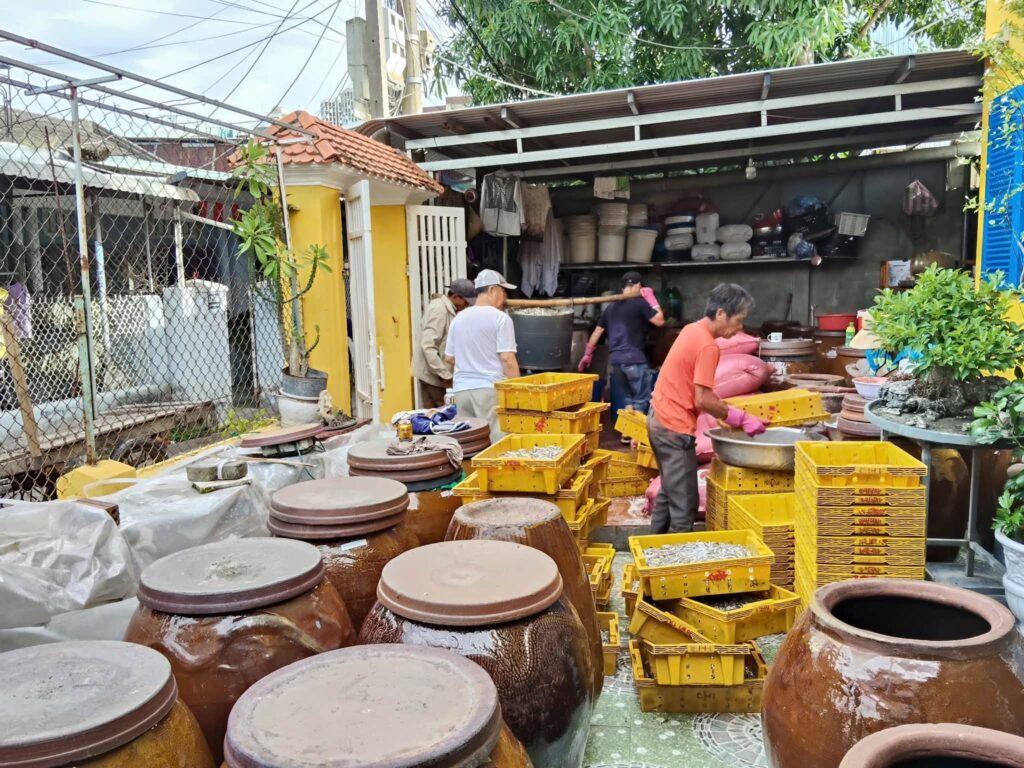
Another particularly important ingredient is Hue fermented shrimp paste. According to the source, the paste is dissolved in water, allowed to settle, and then filtered so that the clearer liquid can be added to the broth. This contributes to the distinctive flavor that is characteristic of Bún bò Huế.
The combination of the natural sweetness of bones and meat, the fragrance of lemongrass and onions, and the characteristic aroma of fermented shrimp paste forms the flavorful base that brings the entire bowl together.
The Distinctive Flavor of Bún Bò Huế
A complete bowl of Bún bò Huế brings together several layers of flavor. The round, soft and chewy noodles form the base; beef contributes a rich savory taste; pork leg provides richness and a firm texture; while different types of sausage add their own characteristics.
The broth is rich and fragrant with lemongrass and fermented shrimp paste. Depending on the preparation and individual preference, chili and other seasonings can add the distinctive spicy character associated with the dish.
What makes Bún bò Huế particularly distinctive is the balance among its many ingredients. Each component has its own role, yet all are brought together by the broth to create a dish with a recognizable Hue identity.
Folk Knowledge Related to Bún Bò Huế
Bún bò Huế is a vivid expression of the creativity, knowledge, and affection of the Hue community. The dish reflects the local way of life, customs, beliefs, climate, and geographical characteristics of the region.
Behind a bowl of Bún bò Huế lies a body of practical knowledge: selecting rice and other ingredients, making the noodles, choosing and preparing meat, simmering bones, processing fermented shrimp paste, using lemongrass and onions, and combining the ingredients into a complete bowl.
These skills exist not simply as written recipes but as practical knowledge transmitted through experience among noodle makers and cooks. The continued practice, adaptation, and transmission of these skills across generations have helped shape the distinctive identity of Bún bò Huế.
With its combination of folk knowledge, refined culinary skills, and enduring cultural values maintained by the community, Folk Knowledge Related to Bún bò Huế was included in Vietnam’s National List of Intangible Cultural Heritage under Decision No. 2203/QĐ-BVHTTDL dated June 27, 2025.
This recognition places Bún bò Huế within a broader cultural context than that of a famous dish alone. It also represents a system of community knowledge and skills associated with traditional noodle making, local ingredients, culinary techniques, and the cultural life of Hue.
Bún Bò Huế in the Culinary Culture of Hue
From its connections with traditional communal and religious practices, Bún bò gradually became part of everyday life in Hue. The traditional noodle-making craft, culinary techniques, and ways of combining ingredients have been maintained through generations, helping establish one of the defining dishes of Hue cuisine.
The value of the dish lies not only in its flavor but also in the story of the people and the land that created it. From rice and noodles to beef, pork leg, lemongrass, and Hue fermented shrimp paste, familiar ingredients are brought together through experience and culinary skill to create a dish with a distinctive regional identity.
Today, Bún bò Huế is widely known beyond Hue and has become one of Vietnam’s internationally recognized dishes. Yet its cultural significance remains closely connected to Hue, the traditional noodle-making craft, and the folk knowledge that communities continue to practice.
For Travelin, Bún bò Huế is a particularly important heritage and culinary subject because it belongs simultaneously to two content systems: Local Cuisine and Intangible Cultural Heritage. A bowl of Bún bò Huế tells not only the story of flavor, but also the story of traditional craft, folk beliefs, culinary knowledge, and the cultural life of the Hue community across generations.