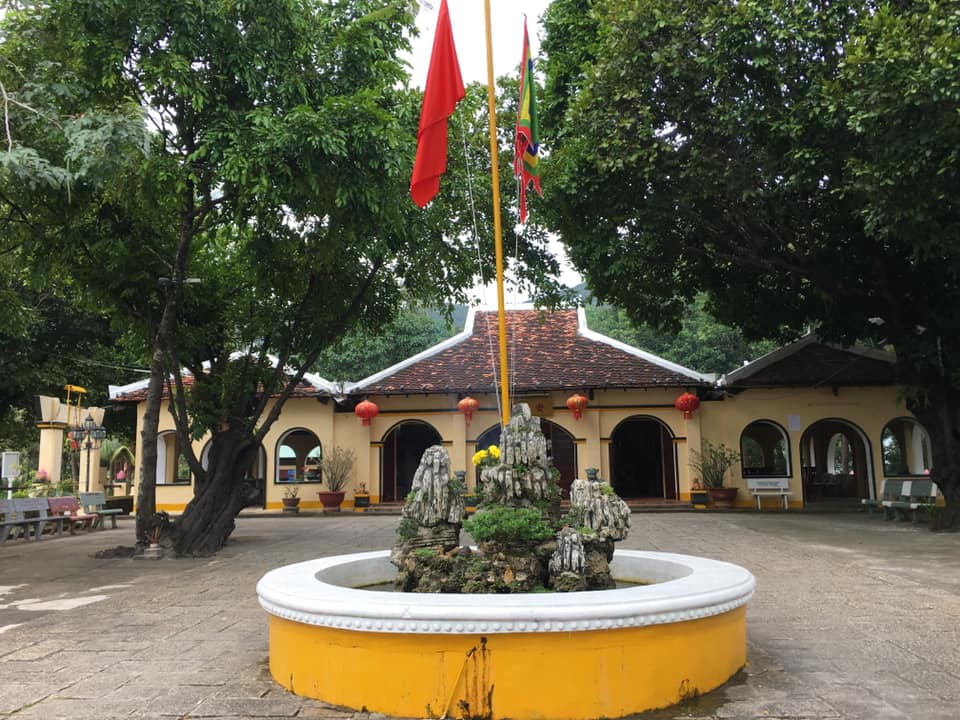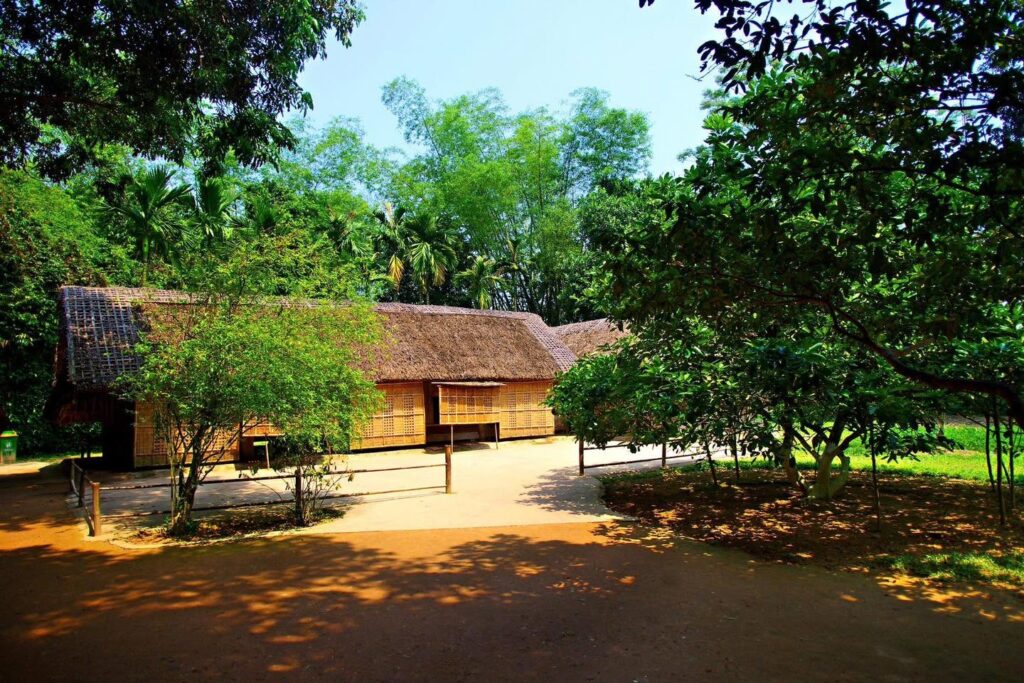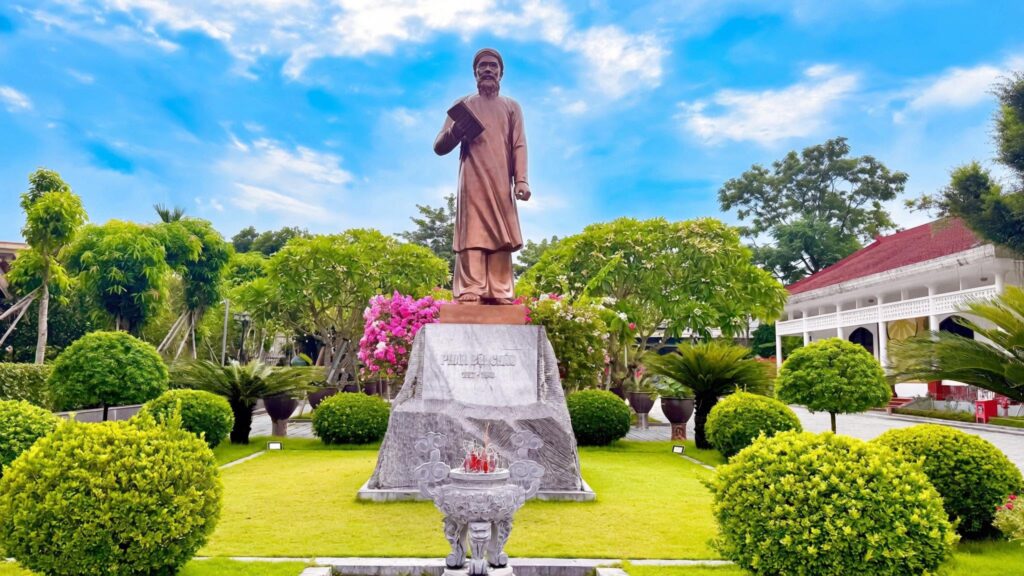
The Chín Gian Temple Festival is one of the most prominent and large-scale traditional festivals of the Thai community in western Nghệ An. The festival is held annually on the 15th day of the second lunar month at the Chín Gian Temple area, in Quế Phong Commune, Nghệ An Province. It is an important cultural and religious activity associated with traditional legends about the establishment of villages and muangs, while expressing the community’s gratitude to deities and those who contributed to founding and developing their settlements.
Beyond praying for favorable weather, abundant harvests, peace and prosperity, the Chín Gian Temple Festival provides an occasion for the Thai people to remember their origins, strengthen solidarity among villages and muangs, and preserve distinctive customs, rituals and traditional folk performances. With its outstanding historical, cultural and religious values, the Chín Gian Temple Festival was included in the National Intangible Cultural Heritage List under Decision No. 2067/QĐ-BVHTTDL dated June 13, 2016, issued by the Ministry of Culture, Sports and Tourism.
Chín Gian Temple and the Origins of the Festival
Chín Gian Temple is an important historical and cultural monument of the Thai people in Quế Phong. It was built on Pú Chò Nhàng Mountain, in Khoẳng Village, formerly Châu Kim Commune, Quế Phong District. According to local tradition, the temple has existed for many centuries and is associated with the process through which Thai communities explored and settled the land, established villages and muangs, and developed community life in western Nghệ An.
The temple is dedicated to supreme deities in traditional Thai belief, including the Sky God, commonly known as Pọ Phà; the daughter of the Sky God, known as Náng Xỉ Đà; and Tạo Ló Ỳ, a revered figure regarded as having contributed to the establishment of villages and muangs and the development of community life. From this belief system, Chín Gian Temple became a sacred center for nine muangs, where people gathered to express their reverence, seek protection and remember the contributions of sacred figures and those believed to have helped establish their communities.
The Chín Gian Temple Festival is believed to have originated many centuries ago, closely associated with the history of the temple and the development of Thai communities in Quế Phong. In folk consciousness, the festival is an occasion for the muangs to turn toward a shared origin and jointly conduct rituals for peace, good harvests and blessings. In doing so, the festival affirms the close relationship between people and the sky, mountains, forests, rivers and streams, as well as the natural environment on which community life depends.
The festival usually lasts approximately three days, beginning on the 15th day of the second lunar month, and attracts large numbers of local residents from different villages and muangs as well as visitors. The ceremonial section is conducted solemnly, expressing long-established Thai beliefs concerning deities, ancestors and supernatural forces believed to protect community life. It is also an occasion for the community to remember those who contributed to clearing the land, establishing villages and muangs, passing down customs and building the cultural foundations for later generations.
Distinctive Rituals of the Chín Gian Temple Festival
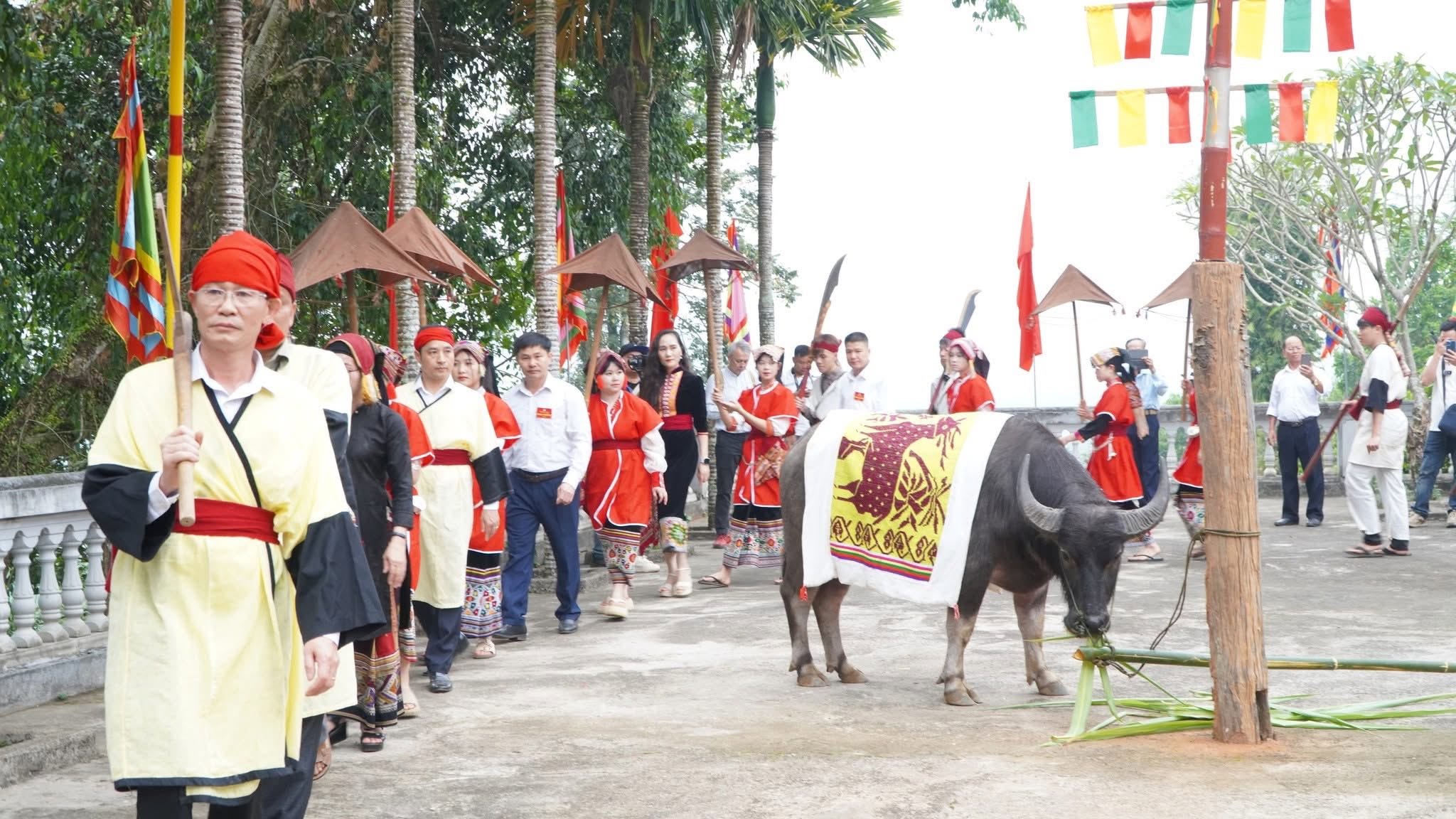
The most prominent ritual of the Chín Gian Temple Festival is the buffalo sacrifice, a sacred ceremony in traditional Thai religious life. According to custom, each muang contributes a buffalo as an offering to the deities. The sacrificial buffalo is traditionally a mature male buffalo brought from Mường Tôn, which is regarded as the principal muang within the system of nine muangs in the area.
Before the main sacrificial ceremony, the chief ritual master, commonly known as the mo cả, wears traditional ceremonial clothing called xựa tẩy and performs a buffalo-bathing ritual at a water wharf at the foot of Pù Quái Mountain. The ceremony takes place in the presence of a large gathering and reflects the traditional concept of purification and preparation of the offering before it is presented to the deities. After being bathed, the buffalo is led in a solemn procession to the temple courtyard.
At the temple courtyard, the sacrificial buffalo is secured to a wooden post. Wearing the ceremonial attire, the mo cả walks three times around the buffalo while reciting a xến prayer in the Thai language. The prayer traditionally asks for peace throughout the nine muangs and ten villages, good health for the people, fertile fields, thriving livestock and increasing prosperity. Following the mo cả are people holding important positions and responsibilities within the various muangs, creating a solemn community ritual rich in symbolism.
In addition to the buffalo sacrifice, the festival includes rituals such as offerings to the deities, processions, prayers for rain and prayers for a good harvest, together with other traditional ceremonies intended to seek harmony between people and nature. The rain-prayer ritual particularly reflects the agricultural way of life of mountain communities, whose livelihoods depend heavily on water, weather and natural cycles. The prayers express the desire for sufficient water for the fields, timely rainfall, healthy crops and protection from natural disasters and drought.
After the solemn ceremonies, the festival becomes lively with cultural performances, music and folk games. Local people take part in lăm and khắp singing, xăng khan dancing, bamboo dancing, gong performances and other traditional Thai forms of artistic expression. The sound of gongs, love songs, communal dances and traditional costumes create a distinctive cultural atmosphere characteristic of the highlands of Nghệ An.
The festival activities are not only forms of recreation and entertainment but also important means of transmitting culture. Folk songs, dances, ritual practices and traditional games are passed from one generation to another, helping younger generations understand the history, customs and origins of their community.
Cultural Significance and Heritage Preservation
The Chín Gian Temple Festival is a vivid expression of traditional Thai folk beliefs and worldview in Nghệ An. Through the festival, the community demonstrates reverence for the Sky God, protective deities and those who contributed to establishing villages and muangs. At the same time, the festival reflects the enduring aspirations of agricultural communities for peace, abundant harvests, healthy livestock and prosperous villages.
The festival also provides a space for villages and muangs to meet, interact, strengthen solidarity and affirm their sense of community. Shared rituals, offerings and festive activities create bonds among different groups living within the same cultural landscape. It is also an occasion for people to return to their roots, remember the contributions of previous generations and pass on a sense of love for their homeland and respect for ethnic cultural identity.
Over time, the Chín Gian Temple Festival has become an important cultural highlight of the former Quế Phong District and western Nghệ An. The festival has contributed to the revival of traditional rituals and the preservation of the Thai language, costumes, music, performing arts and distinctive customs. At the same time, it creates opportunities for cultural tourism, allowing visitors to learn about the rich spiritual life of the Thai people in the mountainous areas of Nghệ An.
The inclusion of the Chín Gian Temple Festival in the National Intangible Cultural Heritage List under Decision No. 2067/QĐ-BVHTTDL dated June 13, 2016, represents important official recognition of its distinctive cultural values. It also provides a basis for local authorities and communities to continue preserving and restoring traditional rituals, raising public awareness and promoting the heritage in association with sustainable tourism development.
Today, the Chín Gian Temple Festival is not only an important religious and cultural event for the Thai people of Quế Phong but also an attractive destination for visitors wishing to explore the culture of western Nghệ An. By attending the festival, visitors can learn about traditional beliefs centered on the Sky God, the buffalo-sacrifice ritual, folk songs, dances, gong music and the distinctive communal life of the Thai people. In this way, the festival enriches local cultural life while introducing the traditional heritage values of Nghệ An to a wider public.
Heritage Information
| Item | Information |
|---|---|
| Heritage name | Chín Gian Temple Festival |
| Type | Traditional festival |
| Location | Chín Gian Temple area, Quế Phong, Nghệ An Province, Vietnam |
| Date | 15th day of the second lunar month annually |
| Duration | Approximately 3 days |
| Cultural community | Thai communities in Quế Phong and associated villages and muangs |
| Objects of worship | Pọ Phà, Náng Xỉ Đà, Tạo Ló Ỳ and supernatural forces in traditional Thai beliefs |
| Major rituals | Buffalo bathing, buffalo sacrifice, offerings to deities, processions, prayers for rain and prayers for a good harvest |
| Cultural activities | Lăm and khắp singing, xăng khan dancing, bamboo dancing, gong performances and folk games |
| Heritage status | National Intangible Cultural Heritage |
| Recognition decision | Decision No. 2067/QĐ-BVHTTDL dated June 13, 2016 |
| Province | Nghệ An Province, Vietnam |