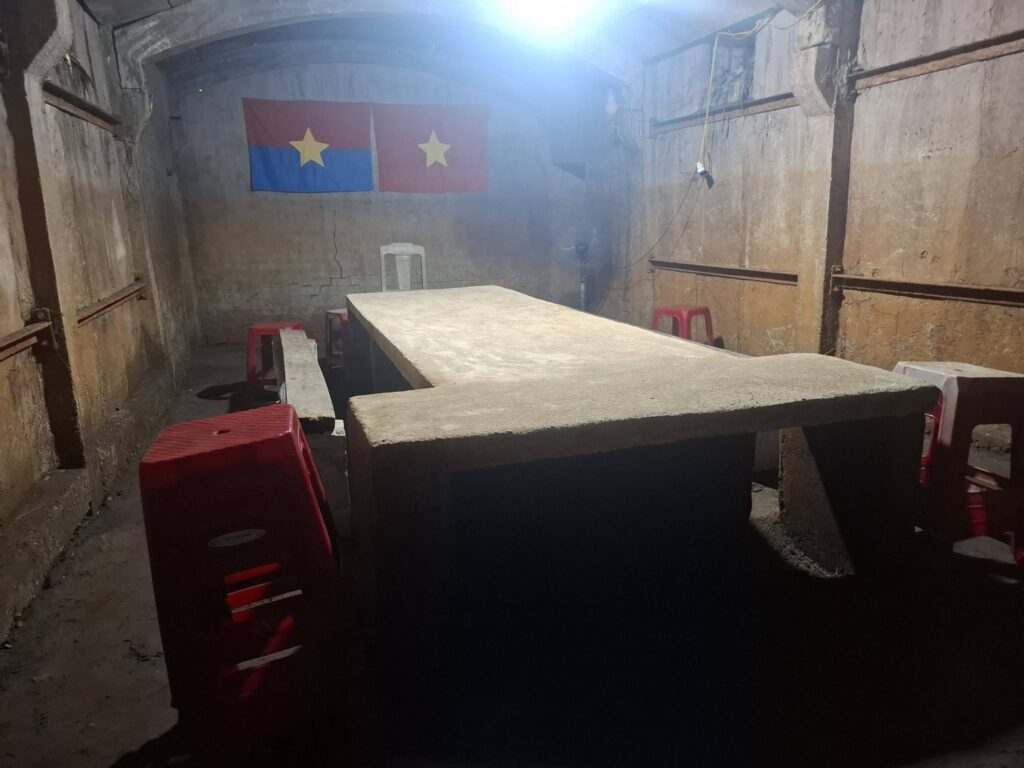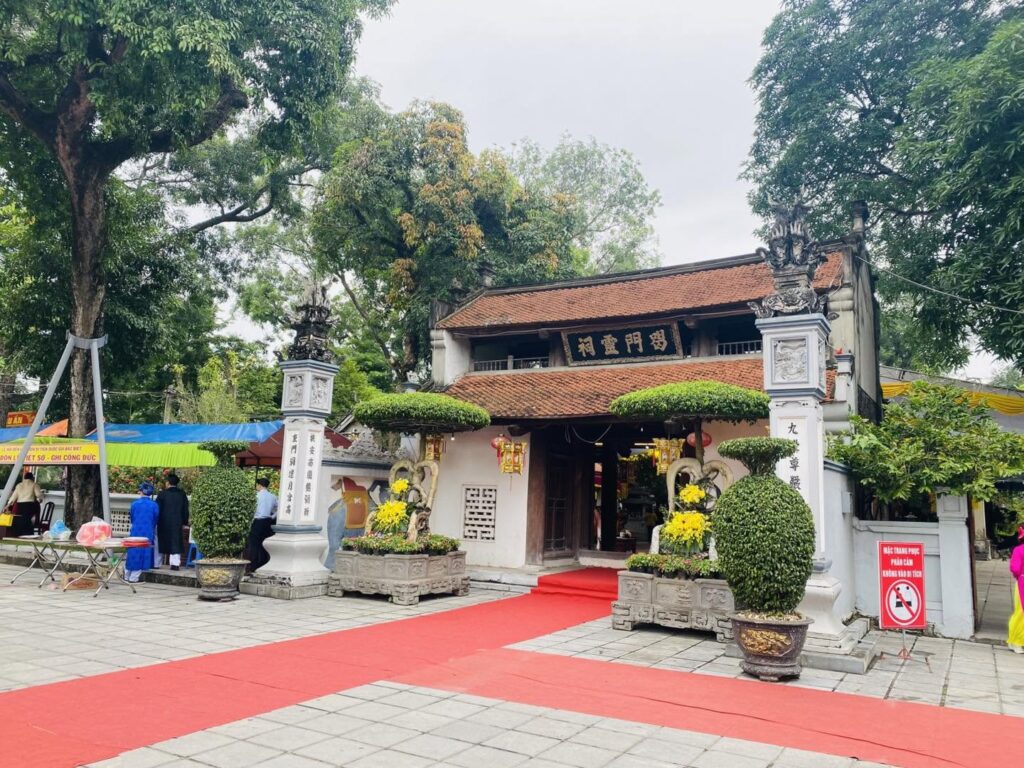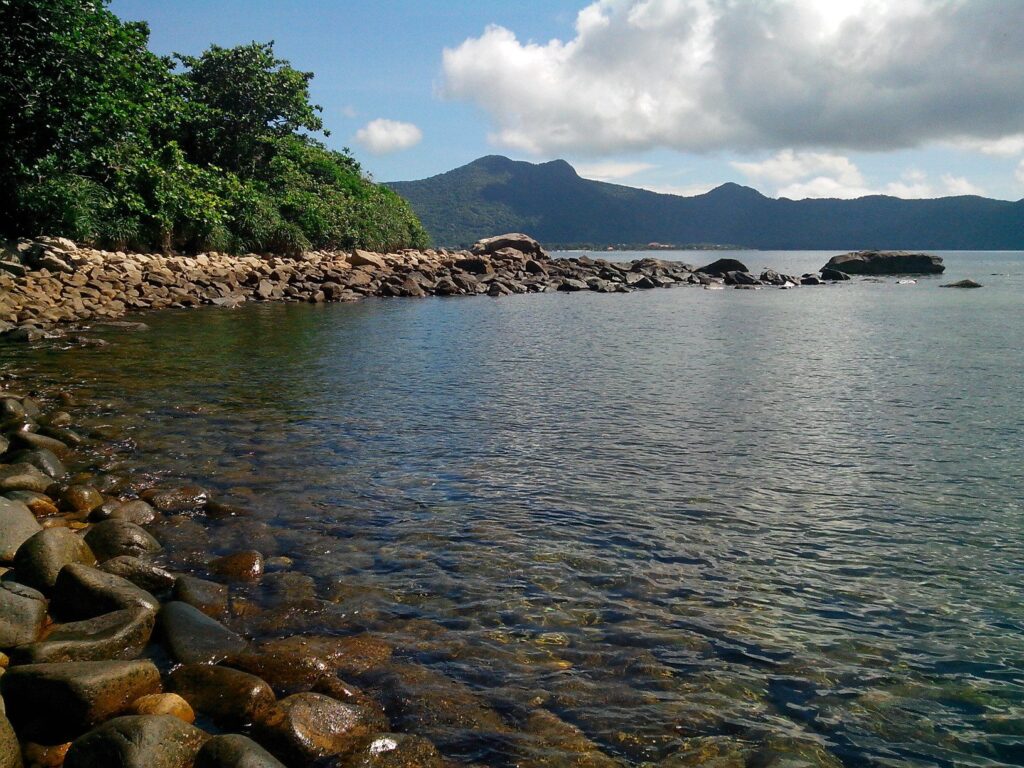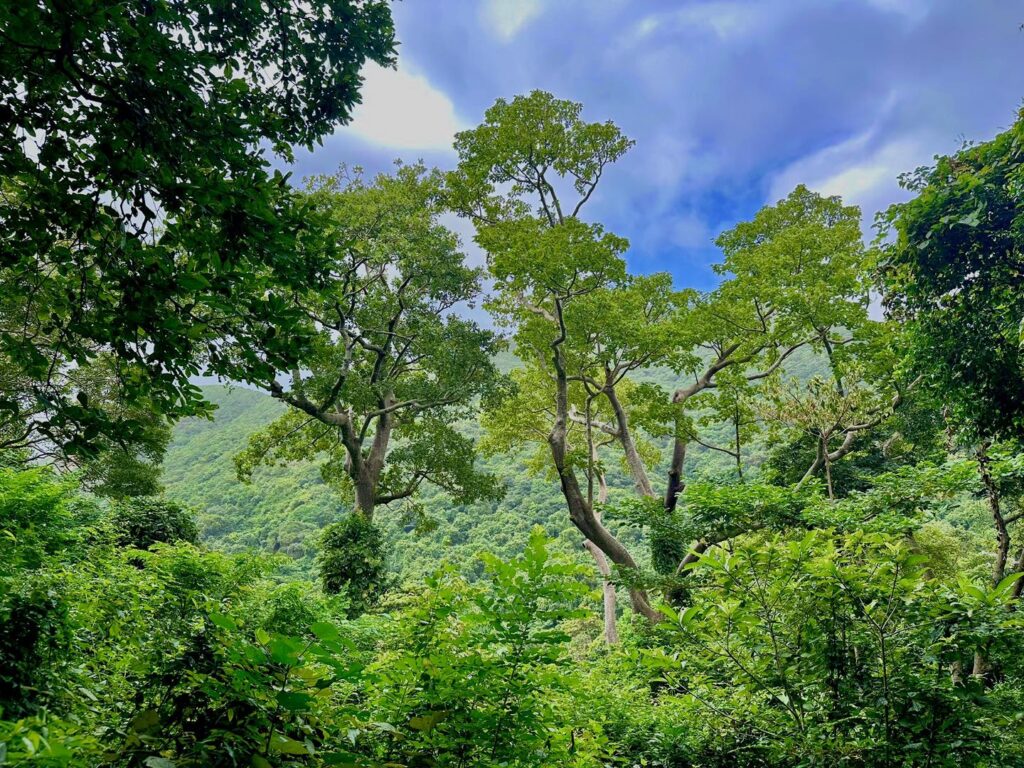


The people of Con Dao Island have a remarkable history shaped by Vietnam’s past, geographical isolation, migration, and the transformation of the archipelago from a former prison island into a destination known for its natural beauty, historical heritage, and cultural traditions.
Over many generations, Con Dao has developed into a diverse community whose residents come from different regions of Vietnam. Their experiences reflect resilience, solidarity, cultural exchange, and a strong connection to island life.
Today, international travelers often associate Con Dao with pristine beaches, Con Dao National Park, the historic prison system, and Hang Duong Cemetery. However, beyond these famous attractions, the island’s local community plays an equally important role in defining its identity.
Understanding the history and everyday life of Con Dao’s residents offers visitors a deeper perspective on one of Vietnam’s most distinctive island destinations.
The Origins of Con Dao Island’s Population
Early Settlements on Con Dao Island
According to historical accounts and local traditions, communities existed on Con Dao long before the French colonial administration established its prison system.
Early settlements were associated with areas such as Co Ong, An Hai, and An Hoi.
These locations played an important role in the island’s early residential history, local livelihoods, and traditional folklore.
Some local narratives connect the establishment of early settlements with the period when Nguyen Phuc Anh, later Emperor Gia Long, reportedly sought refuge in the region during the conflicts of the late eighteenth century.
Stories about his journey, the people who accompanied him, and the origins of certain island communities have been preserved in local folklore.
However, these narratives should be understood within the context of oral traditions rather than treated entirely as independently verified historical facts.
Over time, the island’s early inhabitants developed livelihoods connected to fishing, coastal resources, small-scale agriculture, and local trade.
Their spiritual traditions also evolved through stories about Lady Phi Yen, Prince Cai, and other figures associated with Con Dao’s cultural identity.
Con Dao During the Colonial Prison Era
The establishment of the French colonial prison system in the nineteenth century fundamentally changed the island’s population and social structure.
Con Dao gradually became a major detention center, particularly for Vietnamese patriots, political prisoners, and revolutionaries during different historical periods.
Instead of developing as a conventional island community, Con Dao became closely associated with the prison administration, incarcerated populations, and those involved in operating the detention facilities.
For more than a century, the island witnessed imprisonment, hardship, resistance, and the sacrifice of generations of Vietnamese people.
This extraordinary historical background made the development of Con Dao’s residential community after 1975 significantly different from that of many other coastal and island communities in Vietnam.
Con Dao After Liberation in 1975
May 1, 1975, marked a major turning point in Con Dao’s history as the prison system under the former administration came to an end and the archipelago entered a new period.
According to notes attributed to Trinh Van Lau, Secretary of the Provisional Island Party Committee, Con Dao had 7,448 prisoners at the time, including 4,243 political prisoners, of whom 494 were women.
On May 4, 1975, most political prisoners returned to mainland Vietnam.
However, 153 former political prisoners reportedly volunteered to remain on the island and participate in the initial reconstruction and development efforts.
Other residents during this transitional period included some former prison employees and their families, together with individuals who chose to continue living on Con Dao.
Despite their different backgrounds and circumstances, these groups became part of the emerging postwar island community.
Rebuilding Life After the War
Following 1975, Con Dao faced major challenges in restoring social services, rebuilding infrastructure, and establishing a functioning local economy.
Limited transportation, insufficient facilities, a small labor force, and heavy dependence on supplies from the mainland made everyday life difficult.
During this period, the island also experienced several changes in administrative organization.
In September 1976, Con Dao became an administrative unit under Ho Chi Minh City. In early 1977, it was transferred to Hau Giang Province. In 1979, following the establishment of the Vung Tau – Con Dao Special Zone, the island became part of that administrative structure.
These historical administrative arrangements were accompanied by efforts to strengthen public services and develop local institutions.
Government employees, workers, and other personnel were assigned to the island. Some brought their families and eventually settled permanently.
Markets, schools, public offices, and essential services gradually emerged, laying the foundation for a new community.
Con Dao began its transformation from a place primarily associated with imprisonment into a residential island with growing social, cultural, and economic activities.
Migration and the Formation of Con Dao’s Modern Community
The Voluntary Settlement Program of 1984
During the early years after liberation, Con Dao’s permanent population remained relatively small.
To address the shortage of workers and support local development, authorities in Can Tho, then part of Hau Giang Province, organized programs encouraging volunteers to relocate to Con Dao.
According to historical accounts, three groups totaling nearly 300 people arrived in 1984.
They represented different age groups, occupations, and family backgrounds.
New residents received assistance in finding accommodation, employment, and educational opportunities for their children.
This migration program became an important milestone in the formation of Con Dao’s post-1975 community.
Although some participants eventually returned to mainland Vietnam, others remained and established permanent homes.
Their children and grandchildren continued contributing to local commerce, education, cultural life, and public services.
Teachers Arriving During the 1990s
After Ba Ria – Vung Tau Province was established in 1991, Con Dao became a district under the province.
As the island’s population and public services expanded, the need for qualified teachers increased.
During the early 1990s, the education sector assigned teachers to Con Dao, particularly at the secondary and upper-secondary school levels.
Their arrival helped strengthen educational opportunities and contributed to the development of the local community.
Some teachers eventually married, established families, and made Con Dao their permanent home.
Their contributions extended beyond classrooms, helping shape the island’s social and cultural environment.
Young Volunteers and Professionals in 1994
In 1994, a group of 14 young intellectual volunteers traveled to Con Dao as part of a program initiated by the Central Committee of the Ho Chi Minh Communist Youth Union.
These young professionals brought specialized knowledge and skills to various public institutions and local development activities.
Their work helped address the island’s shortage of trained personnel at a time when specialized human resources were limited.
Some remained on Con Dao after completing their initial assignments and continued participating in the island’s development.
Migration from Across Vietnam
Alongside organized settlement programs, Con Dao attracted people who independently chose to relocate.
They came from numerous provinces and cities throughout Vietnam, bringing different occupations, cultural traditions, and personal experiences.
Some worked in public administration, while others pursued fishing, construction, tourism, commerce, transportation, and other services.
As families established more stable livelihoods, relatives and friends sometimes followed them to the island.
Over several decades, these migration patterns created one of Con Dao’s most distinctive characteristics: a diverse community united by a shared life in a geographically isolated archipelago.
Population Growth on Con Dao Island
Con Dao’s population gradually increased as transportation improved, employment opportunities expanded, and living conditions became more favorable.
Historical materials document population changes across several periods.
| Historical period | Population reported in historical materials |
|---|---|
| Early years after 1975 | Approximately 1,000 people at certain times |
| 1980s–1990s | Approximately 2,000–3,000 people |
| 2000–2010 | Approximately 4,000–6,000 people |
| Around 2012 | Approximately 6,600 people |
These figures reflect historical estimates and records. They should not be interpreted as Con Dao’s current population.
According to a population survey referenced in the original historical material, residents living on Con Dao in 2010 originated from 60 of Vietnam’s 63 provinces and centrally governed cities at that time.
This remarkable diversity contributed to the development of a community where traditions, cuisine, accents, and customs from different parts of Vietnam coexist.
The resulting cultural identity is distinctly Vietnamese while retaining characteristics unique to island life.
Everyday Life on Con Dao During Its Most Difficult Years
When Every Ship Arrival Was a Major Event
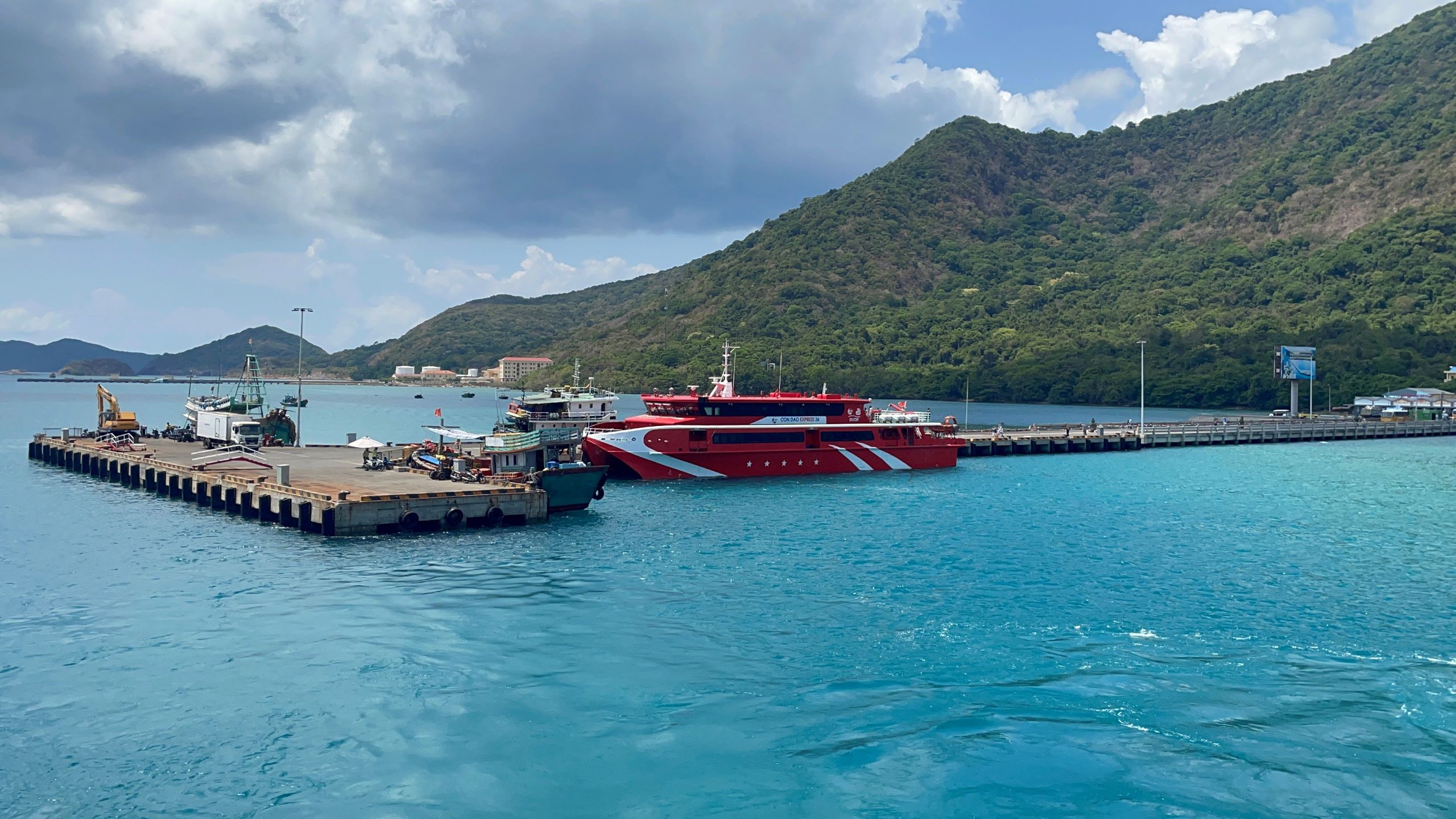
During the 1980s and 1990s, transportation between Con Dao and mainland Vietnam depended heavily on passenger and cargo ships.
Unlike the transportation options that developed in later years, sea journeys could take between 12 and 14 hours.
Sailings were highly dependent on weather conditions, and departures were frequently postponed when the sea became rough.
Residents sometimes had to remain in Vung Tau for several days while waiting for a suitable departure.
In certain circumstances, a ship could begin its journey only to turn back because of unfavorable conditions.
Mechanical problems could also require vessels to stop for repairs or wait for assistance.
For the people of Con Dao, however, these ships represented much more than transportation.
They carried rice, food, fuel, household supplies, medicine, newspapers, letters, and other essential goods.
Ship arrivals also brought people returning from the mainland, families reunited after long separations, workers beginning new assignments, and visitors experiencing the island for the first time.
A successful arrival could bring excitement throughout the community.
This was especially true during the period leading up to the Lunar New Year, when ships delivered supplies and reunited families for the country’s most important traditional holiday.
The Improvement of Maritime Transportation
During the 1990s and early 2000s, passenger transportation between Con Dao and the mainland gradually improved.
In addition to cargo services, passenger vessels began operating more regularly, supporting local residents, workers, public employees, and tourists.
According to historical accounts, the introduction of the Con Dao 9 and Con Dao 10 passenger ships around 2001 represented an important development.
These vessels were described as accommodating approximately 150–250 passengers and transporting substantial quantities of cargo.
Facilities such as sleeping berths and air-conditioned cabins made long sea journeys more manageable.
Improved maritime transportation supported education, healthcare access, business activities, family visits, and the movement of essential goods.
It also helped make Con Dao increasingly accessible to tourists.
For residents, the mainland gradually began to feel less distant.
The Development of Air Transportation to Con Dao
Air transportation also played an important role in improving Con Dao’s connections with the mainland.
In earlier periods, air travel options were extremely limited.
Helicopter services operated on restricted schedules, carried relatively few passengers, and were generally more expensive than maritime transportation.
According to the historical material, Con Son Airport underwent renovation and upgrades in 2003.
In 2004, VASCO began operating flights between Ho Chi Minh City and Con Dao using AN-38 aircraft with approximately 25 passenger seats.
In 2005, ATR-72 aircraft were introduced, increasing passenger capacity and supporting growing travel demand.
Over subsequent years, air services evolved through different operating periods, routes, airlines, and aircraft types.
Air Mekong was among the airlines that operated Con Dao-related services during an earlier period.
These details describe historical stages in Con Dao’s aviation development and do not represent a current airline schedule.
The expansion of air transportation helped improve access to healthcare, education, business opportunities, and tourism.
Together with maritime services, aviation contributed to reducing the island’s long-standing sense of geographical isolation.
Tourism and Changes in the Lives of Con Dao Residents
From an Isolated Island to a Tourism Destination
After 1975, Con Dao faced substantial challenges involving infrastructure, transportation, and economic development.
Under those circumstances, tourism could not expand rapidly.
Nevertheless, the archipelago possessed exceptional natural and historical resources.
These included its former prison system, revolutionary heritage sites, beaches, forests, marine ecosystems, and distinctive island scenery.
As transportation improved, tourism gradually became an increasingly important part of Con Dao’s economy.
Accommodation services, restaurants, transportation providers, sightseeing activities, retail businesses, and tourism-related services expanded to meet visitor demand.
Historical Tourism Growth in Con Dao
According to data presented in historical documents covering the period up to 2012, visitor arrivals increased significantly.
| Year | Recorded visitor arrivals |
|---|---|
| 2006 | 15,775 |
| 2007 | 17,775 |
| 2008 | 20,183 |
| 2009 | 28,225 |
| 2010 | 40,323 |
| 2011 | 59,707 |
| First six months of 2012 | 42,844 |
These are historical figures from the source material, illustrating tourism growth during the period before 2013. They are not current tourism statistics.
The increase in visitor numbers helped create employment opportunities and stimulated economic activities across the island.
How Tourism Supports Local Livelihoods
Tourism development influences many areas of local life.
Hotels, guesthouses, restaurants, cafés, transportation services, and souvenir shops can benefit directly from visitor spending.
Fishing communities, seafood vendors, food producers, and other local businesses may also participate in the tourism supply chain.
Beyond these direct economic benefits, tourism development can encourage investment in roads, electricity, water supply, environmental management, and public infrastructure.
Such improvements can benefit local residents as well as visitors.
However, sustainable tourism requires more than increasing visitor numbers.
It also involves protecting the island’s natural resources, preserving historical heritage, maintaining environmental quality, and ensuring that local communities have opportunities to participate in and benefit from economic development.
Education and Human Resource Development on Con Dao
As an island community separated from the mainland, Con Dao has historically faced challenges in attracting and retaining skilled workers.
During its early development, the island had limited numbers of trained professionals in fields such as education, healthcare, engineering, administration, and specialized services.
Access to higher education also presented difficulties.
Many young residents needed to travel to mainland Vietnam to attend universities, colleges, or vocational institutions.
Not all graduates were able or willing to return to Con Dao.
Some remained on the mainland because of career opportunities, income expectations, family circumstances, or the nature of their qualifications.
At the same time, the development of tourism and other economic activities increased demand for workers with professional skills, foreign-language abilities, and management experience.
Improving educational opportunities, supporting students, developing vocational programs, and creating attractive local employment opportunities therefore became important priorities.
In tourism, local residents possess valuable advantages because of their familiarity with the island’s geography, history, culture, and communities.
With suitable training, they can provide authentic travel experiences and introduce visitors to aspects of Con Dao that are not always included in conventional sightseeing itineraries.
The Cultural Identity of Con Dao’s People
A Community Representing Many Regions of Vietnam
One of Con Dao’s most distinctive characteristics is the cultural diversity of its residents.
People arriving from different regions brought their own traditions, dialects, customs, cuisines, and family practices.
Over time, these influences blended into a shared island culture.
During Tet, or Vietnamese Lunar New Year, some families may prepare both banh chung, traditionally associated with northern Vietnam, and banh tet, especially popular in the south.
Family meals may combine northern, central, and southern Vietnamese dishes.
Community performances can also reflect the diversity of Vietnamese folk music and regional artistic traditions.
This cultural exchange has become an important part of Con Dao’s local identity.
Community Solidarity and Mutual Support
Life on a remote island has long emphasized the importance of cooperation.
Newly arrived families often needed assistance finding accommodation, employment, and opportunities to adapt to unfamiliar surroundings.
Long-established residents shared practical knowledge and helped newcomers become part of the community.
Mutual support was also important when families experienced illness, accidents, or financial difficulties.
Stories of neighbors helping one another illustrate how community relationships contributed to resilience during periods when mainland services were difficult to access.
This spirit of solidarity remains an important element of Con Dao’s cultural heritage.
A Peaceful Lifestyle and Local Hospitality
Island life has traditionally been closely connected to the sea, natural surroundings, and a relatively small social community.
Historical accounts often describe Con Dao as a place where residents knew one another and maintained close personal relationships.
The diverse origins of the population also helped create a community accustomed to welcoming people from different backgrounds.
For visitors, these cultural characteristics offer another reason to explore Con Dao beyond its beaches and famous historical attractions.
The everyday lives of local residents provide valuable insights into the island’s social history and identity.
Spiritual Traditions on Con Dao Island
Spiritual life is an important part of Con Dao’s cultural heritage.
Alongside traditional ancestor worship, residents maintain folk beliefs connected to historical figures, local legends, and the memory of people who sacrificed their lives.
The Worship of Lady Phi Yen
Lady Phi Yen is a central figure in Con Dao’s folk traditions.
An Son Temple, also known as Lady Phi Yen Temple, is dedicated to her memory.
According to local custom, an annual commemoration takes place on the eighteenth day of the tenth lunar month.
The temple and its associated traditions reflect community respect for values such as loyalty, virtue, and family devotion.
The stories surrounding Lady Phi Yen belong primarily to local folklore and should be distinguished from independently verified historical events.
Remembering National Hero Vo Thi Sau
Hang Duong Cemetery is one of Con Dao’s most significant historical and memorial destinations.
Among those commemorated there is Vo Thi Sau, a Vietnamese revolutionary figure recognized as a Hero of the People’s Armed Forces.
Her grave is an important place of remembrance for many Vietnamese visitors.
For numerous travelers, visiting Hang Duong Cemetery is not simply a sightseeing activity.
It is an opportunity to learn about the country’s history and honor those who died during periods of conflict and imprisonment.
Folk Beliefs and Traditions of Remembrance
Con Dao’s spiritual culture combines folk traditions, ancestor worship, and the commemoration of historical figures.
Incense offerings, memorial ceremonies, and annual commemorations form part of the island’s community life.
These practices reflect both traditional Vietnamese cultural values and experiences specific to Con Dao’s history.
For international visitors, understanding these traditions provides a deeper appreciation of the island as a place of memory, culture, and community.
Sustainable Tourism and the Preservation of Con Dao’s Heritage
Con Dao has distinctive advantages for tourism development.
Its historical prison sites, protected forests, marine environment, beaches, and local cultural traditions create opportunities for several forms of tourism.
However, preserving the qualities that make Con Dao special is essential to its long-term development.
Protecting Natural Landscapes and Biodiversity
Con Dao National Park and the surrounding marine environment play important roles in protecting biodiversity, natural habitats, and scenic landscapes.
Tourism activities should follow environmental regulations and promote responsible resource use.
Waste reduction, habitat protection, and appropriate visitor management are particularly important in sensitive natural areas.
Forest excursions, marine activities, and visits to offshore islands should respect conservation requirements and the permitted capacity of each location.
Preserving Historical Sites
Con Dao’s former prison system represents an important part of Vietnam’s historical heritage.
Preservation activities should respect the authenticity, documentary value, and commemorative significance of these sites.
Historical tours and educational activities should be organized with sensitivity to the experiences of former prisoners and those who lost their lives.
Maintaining Local Cultural Identity
Beyond monuments and protected landscapes, everyday community life is also part of Con Dao’s heritage.
Traditional foods, family customs, festivals, local occupations, and community gatherings contribute to the island’s identity.
When introduced respectfully, these aspects of local life can enrich visitor experiences.
Local residents should remain active participants in tourism development rather than becoming disconnected from the benefits generated by the destination.
Traditional Festivals and Cultural Activities in Con Dao
In addition to historical sightseeing and nature-based tourism, visitors can explore cultural traditions associated with the local community.
Lady Phi Yen Commemoration
The annual commemoration of Lady Phi Yen takes place on the eighteenth day of the tenth lunar month.
It is an important local spiritual tradition associated with An Son Temple.
Memorial Activities at Hang Duong Cemetery
Incense offerings and remembrance ceremonies honoring Vo Thi Sau and others who died on Con Dao are significant expressions of historical gratitude.
These activities attract visitors interested in Vietnamese history and commemorative traditions.
Vietnamese Lunar New Year on Con Dao
Tet celebrations on Con Dao reflect the island’s diverse regional influences.
Traditional food preparation, family gatherings, holiday visits, and community activities create a distinctive atmosphere during Vietnam’s most important annual celebration.
Mid-Autumn Festival
Lantern-making, children’s activities, and community celebrations associated with the Mid-Autumn Festival have formed part of local cultural life.
For many residents, these events are closely connected to childhood memories and community traditions.
Commemorating the Liberation of Con Dao
May 1 is an important historical anniversary for the island.
Memorial activities, educational programs, and cultural events associated with this occasion help younger generations understand Con Dao’s past.
The dates, formats, and scale of public events may vary from year to year.
The Role of Local Communities in Sustainable Tourism
One of the most important considerations for Con Dao’s future is balancing tourism development with environmental protection, cultural preservation, and improvements in residents’ quality of life.
Local people have an essential role in achieving this balance.
They can participate as tour guides, accommodation providers, food vendors, transportation operators, artisans, and hosts introducing local traditions and livelihoods.
Community-based tourism can offer visitors more authentic experiences while creating economic opportunities for residents.
Rather than visiting only well-known attractions, travelers may learn about everyday island life, traditional food, local occupations, and stories passed down through generations.
These experiences can provide a broader understanding of Con Dao’s identity.
At the same time, tourism activities should respect residential privacy, local customs, environmental regulations, and the historical significance of the destination.
Responsible tourism can help ensure that the benefits of tourism are shared without undermining the values that make Con Dao unique.
Con Dao’s Journey Toward the Future
Con Dao has undergone a profound transformation.
Once closely associated with a harsh colonial and wartime prison system, the island gradually developed into a residential community with expanding transportation, education, public services, and economic opportunities.
The former political prisoners who stayed after 1975, government employees, teachers, young professional volunteers, and families arriving from across Vietnam all contributed to this transformation.
Through successive generations, these residents built their livelihoods, preserved local memories, established community institutions, and developed a cultural identity shaped by both Vietnamese traditions and island life.
Tourism has created new opportunities, but it has also increased the importance of protecting natural resources, managing development responsibly, and preserving historical and cultural heritage.
The true character of Con Dao lies not only in its beaches, tropical forests, and historic monuments, but also in the stories, resilience, hospitality, and everyday lives of the people who call the island home.
Understanding these communities helps visitors appreciate Con Dao as more than a holiday destination.
It is an island with a remarkable past, a distinctive cultural identity, and an enduring connection between its people, history, and natural environment.
Historical sources and references: This article is adapted from historical material concerning the residents and development of Con Dao, including information attributed to the former Con Dao District People’s Committee, local tourism management authorities, labor and social affairs offices, Vo Thi Sau Secondary and High School, and other sources cited in the original material.