Bay Canh Lighthouse is one of the oldest maritime navigation structures in the Con Dao Archipelago, Vietnam. Construction began in 1884, and the lighthouse officially commenced operations in 1885. Located on Hon Bay Canh Island, southeast of Con Son Island, the lighthouse has played an important role in guiding vessels and ensuring maritime safety along shipping routes passing through the waters of southern Vietnam.
With a 16-meter-high tower, a focal height of 212 meters above sea level, and a nighttime luminous range of 26.7 nautical miles, Bay Canh Lighthouse remains an important navigational landmark for vessels traveling through the Con Dao maritime area.
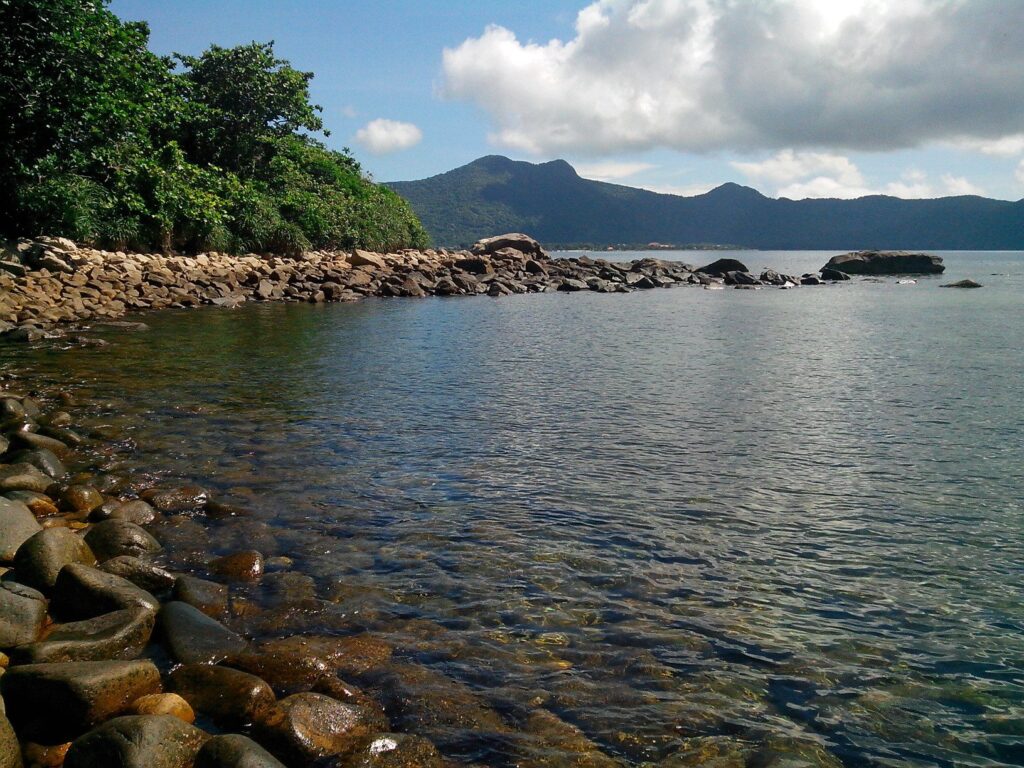
Beyond its navigational function, the lighthouse is also a historical architectural landmark surrounded by the natural landscapes of Hon Bay Canh, an island known for its tropical forests, rocky coastline, secluded beaches, and important sea turtle nesting habitats within Con Dao National Park.
More than 140 years after it began operating, Bay Canh Lighthouse continues to represent a distinctive connection between Vietnam’s maritime history, engineering heritage, and island environment.
History of Bay Canh Lighthouse and Its Maritime Importance
Bay Canh Lighthouse was constructed in 1884 during the French colonial period and officially entered service in 1885. Its establishment formed part of the development of maritime navigation infrastructure designed to improve the safety of vessels traveling along important shipping routes.
The lighthouse was built on elevated terrain on the eastern side of Hon Bay Canh, one of the islands belonging to the Con Dao Archipelago.
Its location allows the light to be visible across a considerable distance, helping vessels identify the island and determine their position when navigating the offshore waters of southern Vietnam.
From a maritime perspective, Bay Canh Lighthouse is situated near international shipping routes passing through the Con Dao area.
The lighthouse serves as a navigational aid for vessels traveling along routes connecting Saigon, Vung Tau, Kien Giang, and neighboring maritime regions.
Unlike navigation lights installed at ports or river entrances, Bay Canh Lighthouse operates as an independent offshore lighthouse. Its elevated position enables its light to be recognized from a substantial distance, particularly during nighttime navigation.
According to the supplied technical specifications, the lighthouse has a daytime geographical range of approximately 35 nautical miles and a nighttime luminous range of 26.7 nautical miles, equivalent to approximately 49.5 kilometers.
These figures describe different aspects of the lighthouse’s visibility under specified conditions and should not be interpreted as a guaranteed viewing distance in all weather conditions.
The establishment of Bay Canh Lighthouse in the late 19th century reflects the strategic importance of the Con Dao Archipelago within the maritime transportation network of the East Sea, also known internationally as the South China Sea.
Architecture and Technical Features of Bay Canh Lighthouse
Bay Canh Lighthouse stands on a mountainous site surrounded by natural forests and the rugged rocky terrain of Hon Bay Canh Island.
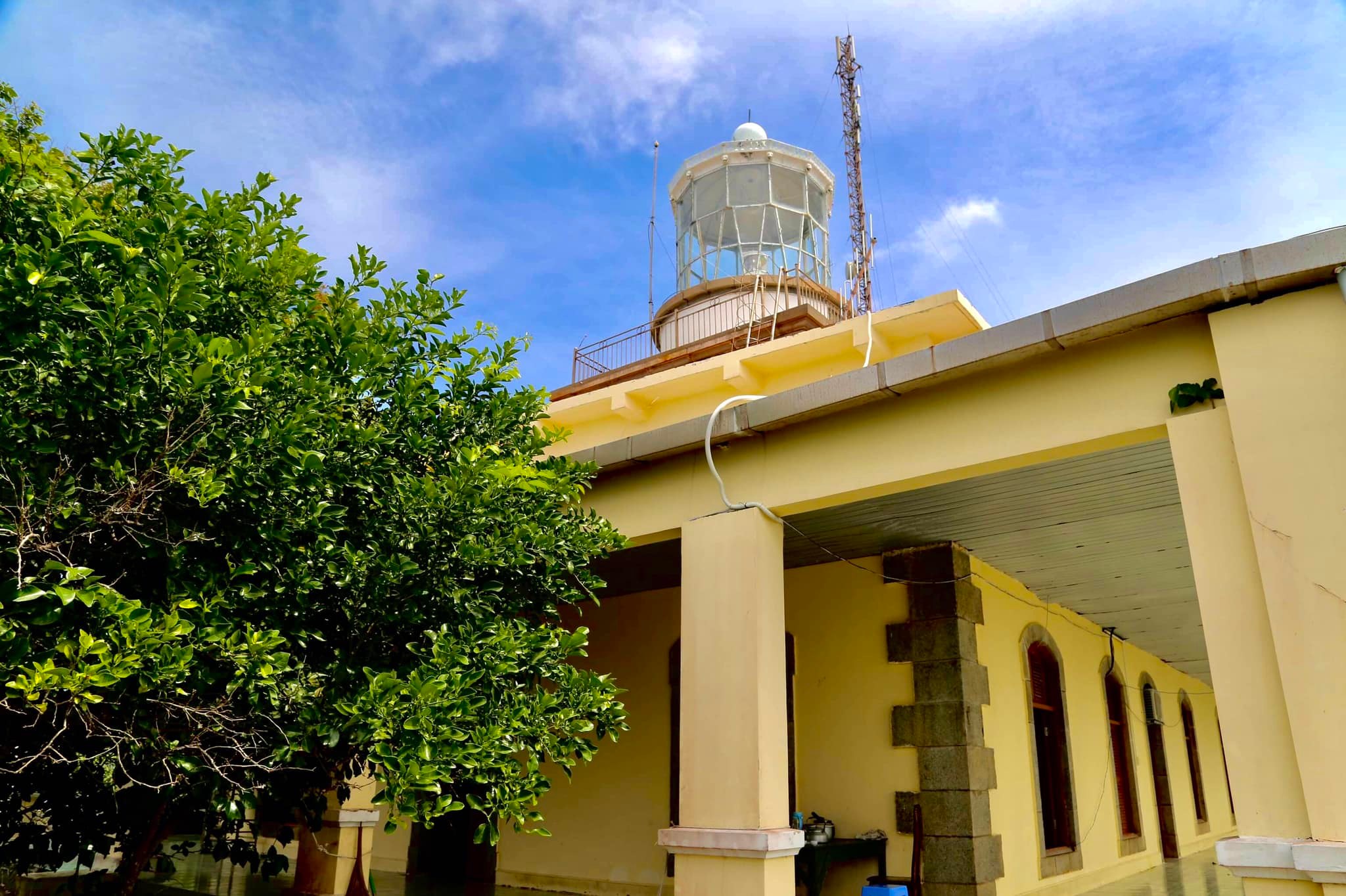
The structure features a white lighthouse tower, creating a distinctive visual landmark against the green mountains and blue waters of the archipelago.
The tower rises 16 meters, while the focal plane of the light is positioned approximately 212 meters above sea level.
This difference in height results from the lighthouse’s elevated location on the island, allowing its light to reach vessels at considerable distances offshore.
The lighthouse emits a white light with a group-flashing characteristic of three flashes every 20 seconds.
This flashing pattern is an important identifying feature that allows mariners to distinguish Bay Canh Lighthouse from other navigational lights in the surrounding waters.
According to the technical information provided, the lighting system includes a VMS-RB400.01 main light and a TRB 220 auxiliary light.
In addition to its technical function, Bay Canh Lighthouse is valued for its historic industrial architecture and construction heritage.
The lighthouse complex is reported to retain several architectural features associated with its original construction period, including brick flooring, masonry walls, the tower structure, and stairways.
These elements illustrate the engineering principles used in late-19th-century maritime navigation structures, which were designed to withstand the challenging environmental conditions of offshore islands.
The surrounding landscape also features mature frangipani trees, whose broad canopies and seasonal blossoms contribute to the peaceful atmosphere of the lighthouse grounds.
The combination of historic architecture, old trees, and the surrounding natural environment gives Bay Canh Lighthouse a distinctive character.
However, determining precisely which architectural components remain original would require reference to official conservation records and the lighthouse’s maintenance and restoration history.
Technical Specifications of Bay Canh Lighthouse
| Specification | Details |
|---|---|
| Name | Bay Canh Lighthouse |
| Location | Hon Bay Canh Island, Con Dao Archipelago, Vietnam |
| Geographical coordinates | 08°39′59.8″N – 106°42′22.1″E |
| Construction began | 1884 |
| Established and operational | 1885 |
| Tower height | 16 meters |
| Focal height | 212 meters above sea level |
| Daytime geographical range | 35 nautical miles |
| Nighttime luminous range | 26.7 nautical miles |
| Light color | White |
| Light characteristic | Group flashing, 3 flashes every 20 seconds |
| Tower color | White |
| Main light | VMS-RB400.01 |
| Auxiliary light | TRB 220 |
| Primary function | Island identification, vessel positioning, and maritime navigation safety |
The specifications above are based on the supplied reference material and may be subject to changes resulting from equipment upgrades or operational adjustments.
Hon Bay Canh Island: A Natural Sanctuary Surrounding the Lighthouse
Bay Canh Lighthouse is located on Hon Bay Canh, one of the ecologically significant islands within the Con Dao Archipelago.
The island is characterized by forested hills, rocky headlands, coastal cliffs, and sandy beaches nestled between natural rock formations.
Because it is separated from the main residential areas of Con Son Island, Hon Bay Canh retains many features of a relatively undisturbed tropical island environment.
One of the island’s most important ecological characteristics is its role as a sea turtle nesting site within Con Dao National Park.
During the nesting season, female sea turtles come ashore to dig nests and lay their eggs in the sand.
After laying their eggs, the turtles carefully cover their nests before returning to the sea.
Their tracks, often visible as long parallel marks across the sand, help conservation staff identify nesting activity and locate nests requiring protection.
The number of turtles arriving on the beaches varies according to the season, weather conditions, and individual nights.
Some nights may see several nesting turtles, while on other nights no turtles come ashore.
Sea turtle conservation activities on Hon Bay Canh include monitoring nesting beaches, protecting eggs, supervising incubation and hatching, and minimizing disturbances to breeding habitats.
In addition to sea turtles, the waters surrounding Hon Bay Canh support marine ecosystems and a variety of aquatic organisms.
The island’s forests, rocky shorelines, and sandy beaches form interconnected habitats that contribute to the overall biodiversity of Con Dao National Park.
The presence of a historic lighthouse within this protected natural environment makes Bay Canh Lighthouse particularly significant from historical, ecological, and educational perspectives.
Visiting Bay Canh Lighthouse: Transportation and Island Exploration
To reach Bay Canh Lighthouse, travelers must first arrive in Con Dao, then arrange authorized boat transportation to Hon Bay Canh Island.
According to the reference material, Hon Bay Canh is approximately 16 kilometers from the Con Dao boat departure area by sea, with estimated travel times of around 40 minutes by speedboat or 90 minutes by wooden boat.
Actual distances and journey times vary depending on the departure point, navigation route, vessel type, and sea conditions.
The straight-line distance between the islands may also differ considerably from the distance traveled by boat.
After reaching an authorized landing point on Hon Bay Canh, the journey toward the lighthouse continues on foot.
A natural trail leads through the island’s forested and mountainous terrain, with an estimated walking time of approximately 30 minutes.
Some sections of the trail may be steep or uneven, so suitable footwear, drinking water, and reasonable physical fitness are recommended.
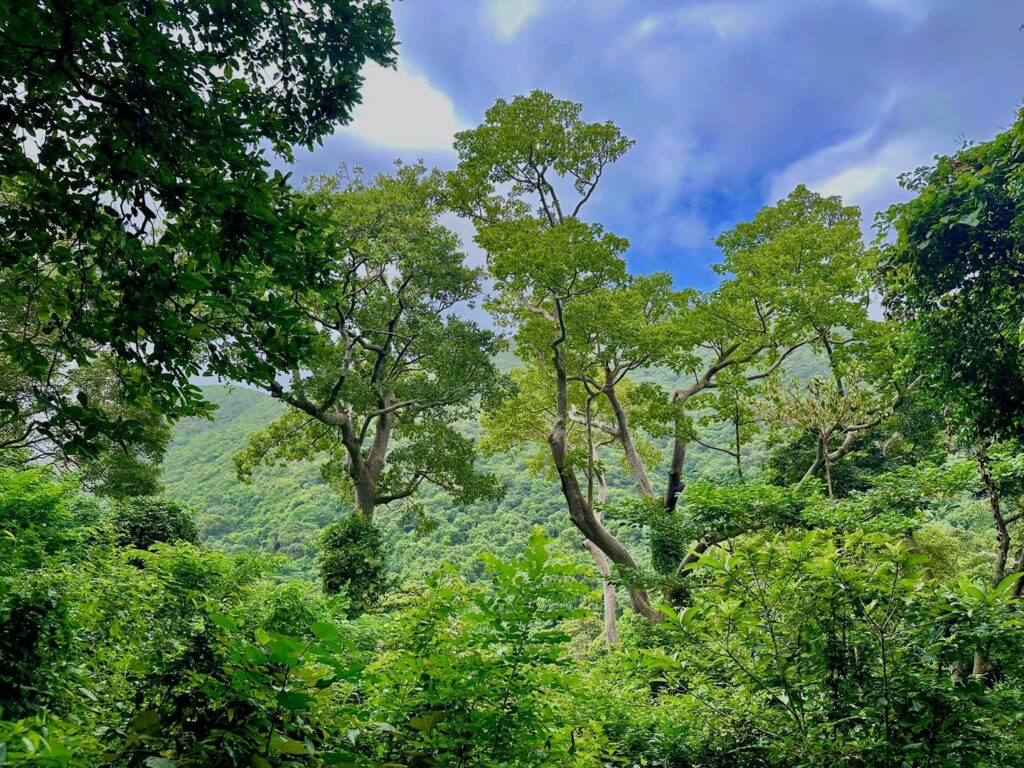
Along the route, visitors may encounter natural forest scenery, mature trees, and occasional views toward the surrounding sea.
Near the lighthouse, the combination of historic structures, forested slopes, and open coastal landscapes creates a memorable setting.
However, Bay Canh Lighthouse is an operational maritime navigation facility, located within an area subject to environmental protection and management regulations.
Access to the lighthouse grounds, the tower, or surrounding restricted areas may require prior authorization from the relevant management authorities.
Visitors should not assume that all trails, facilities, or sections of the lighthouse are open to the public.
Best Time to Visit Bay Canh Lighthouse
The most suitable time to explore Hon Bay Canh is generally during periods of calm seas, stable weather, and relatively light winds.
Sea conditions around Con Dao can change considerably depending on the season and daily weather patterns.
Boat excursions to smaller islands, including Hon Bay Canh, depend on weather forecasts, vessel operating conditions, and authorization from the relevant authorities.
When strong winds, high waves, or severe weather warnings occur, boat services may be restricted or temporarily suspended for safety reasons.
Travelers should therefore check marine weather forecasts and confirm transportation arrangements before departure.
Those interested in sea turtle conservation experiences should book appropriate activities through authorized programs associated with Con Dao National Park.
Visitors must not approach nesting turtles, disturb eggs, or enter strictly protected habitats without permission.
Historical, Architectural, and Tourism Significance
Bay Canh Lighthouse is an important landmark in the history of maritime navigation infrastructure in southern Vietnam.
Having operated since 1885, the lighthouse reflects the growing need for reliable navigational aids during the expansion of maritime transportation and commercial shipping in the late 19th century.
Its location near major shipping routes enables it to identify Hon Bay Canh Island and assist vessels in determining their position when navigating through the Con Dao waters.
From an architectural perspective, the lighthouse tower and associated structures represent a distinctive example of historical maritime engineering.
The decision to construct the lighthouse on elevated terrain demonstrates how natural geography was used to enhance the effectiveness of navigational signals.
From a landscape perspective, Bay Canh Lighthouse occupies a remarkable setting surrounded by forested mountains, rocky shores, sandy beaches, and mature frangipani trees.
These natural features contribute to the lighthouse’s visual appeal while highlighting the ecological importance of the island.
In terms of tourism, the lighthouse has potential as a destination for visitors interested in maritime history, historical engineering, and island landscapes, provided that access is appropriately managed.
Its location within an important sea turtle conservation area also demonstrates the close relationship between human-built heritage and the natural environment.
Responsible tourism can help visitors appreciate both the historical importance of the lighthouse and the need to protect the fragile ecosystems surrounding it.
Bay Canh Lighthouse: More Than 140 Years of Maritime Heritage
More than 140 years after it first entered service, Bay Canh Lighthouse remains a significant maritime landmark in the Con Dao Archipelago.
Its white tower, standing above the forested slopes of Hon Bay Canh, continues to symbolize the development of navigational infrastructure along Vietnam’s southern maritime routes.
Beyond its practical function, the lighthouse preserves the memory of a period when maritime engineering played an increasingly important role in connecting coastal regions and international shipping networks.
Surrounded by tropical forests, rocky headlands, sandy beaches, and protected sea turtle nesting habitats, Bay Canh Lighthouse represents a distinctive meeting point between maritime history and natural heritage.
For travelers interested in history, nature, and island exploration, the lighthouse is a fascinating landmark to learn about during a journey to Con Dao, subject to access permissions, conservation regulations, and maritime safety requirements.
Quick Facts
| Information | Details |
|---|---|
| Official name | Bay Canh Lighthouse |
| Alternative name | Bay Canh Light |
| Location | Hon Bay Canh Island, Con Dao Archipelago, Vietnam |
| Construction year | 1884 |
| Operational since | 1885 |
| Type | Maritime navigation lighthouse |
| Tower height | 16 meters |
| Focal height | 212 meters above sea level |
| Nighttime luminous range | 26.7 nautical miles |
| Light characteristic | White light, 3 flashes every 20 seconds |
| Coordinates | 08°39′59.8″N – 106°42′22.1″E |
| Natural surroundings | Tropical forests, rocky coastline, beaches, and sea turtle nesting habitats |
| Estimated boat journey | Approximately 40 minutes by speedboat or 90 minutes by wooden boat |
| Estimated walking time | Around 30 minutes from the island landing area |
| Main significance | Maritime history, engineering heritage, natural scenery, and environmental education |
| Visitor access | Subject to lighthouse management and Con Dao National Park regulations |