The Trang An Landscape Complex in Ninh Binh Province was inscribed on the UNESCO World Heritage List on 23 June 2014, at the 38th session of the World Heritage Committee in Doha, Qatar. It is the first mixed World Heritage Site in Vietnam, recognized for its outstanding combination of cultural and natural values.
Located in the southernmost part of the Red River Delta, approximately 90 km southeast of Hanoi, the Trang An Landscape Complex covers an area of 6,172 hectares, surrounded by a buffer zone of 6,079 hectares. The World Heritage property consists of three contiguous components: the Hoa Lu Ancient Capital Special National Monument, the Trang An – Tam Coc – Bich Dong Scenic Landscape Complex, and the Hoa Lu Special-Use Forest. The property extends across Ninh Binh City, Tam Diep City, Hoa Lu District, Gia Vien District and Nho Quan District.
Natural Landscape and Geological Values
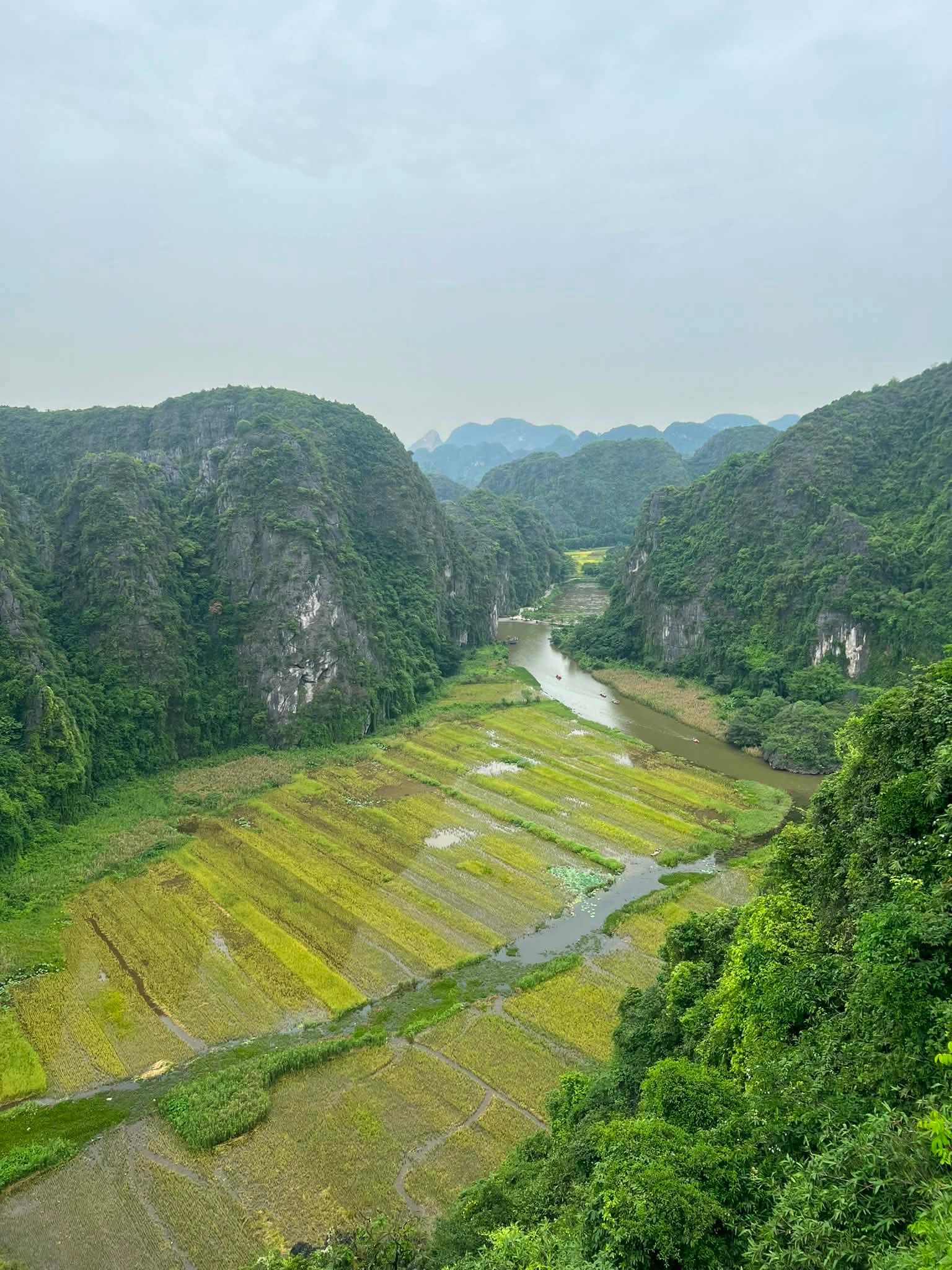
Trang An is characterized by a spectacular limestone massif formed over more than 250 million years of geological evolution. The limestone landscape generally extends from northwest to southeast and gradually descends toward the southeast. Long-term geological processes, together with changes in climate, sea level and groundwater, have created a complex karst system of valleys, sinkholes, limestone cones and towers, steep cliffs, flat-bottomed depressions, wetlands, streams, water caves and underground waterways.
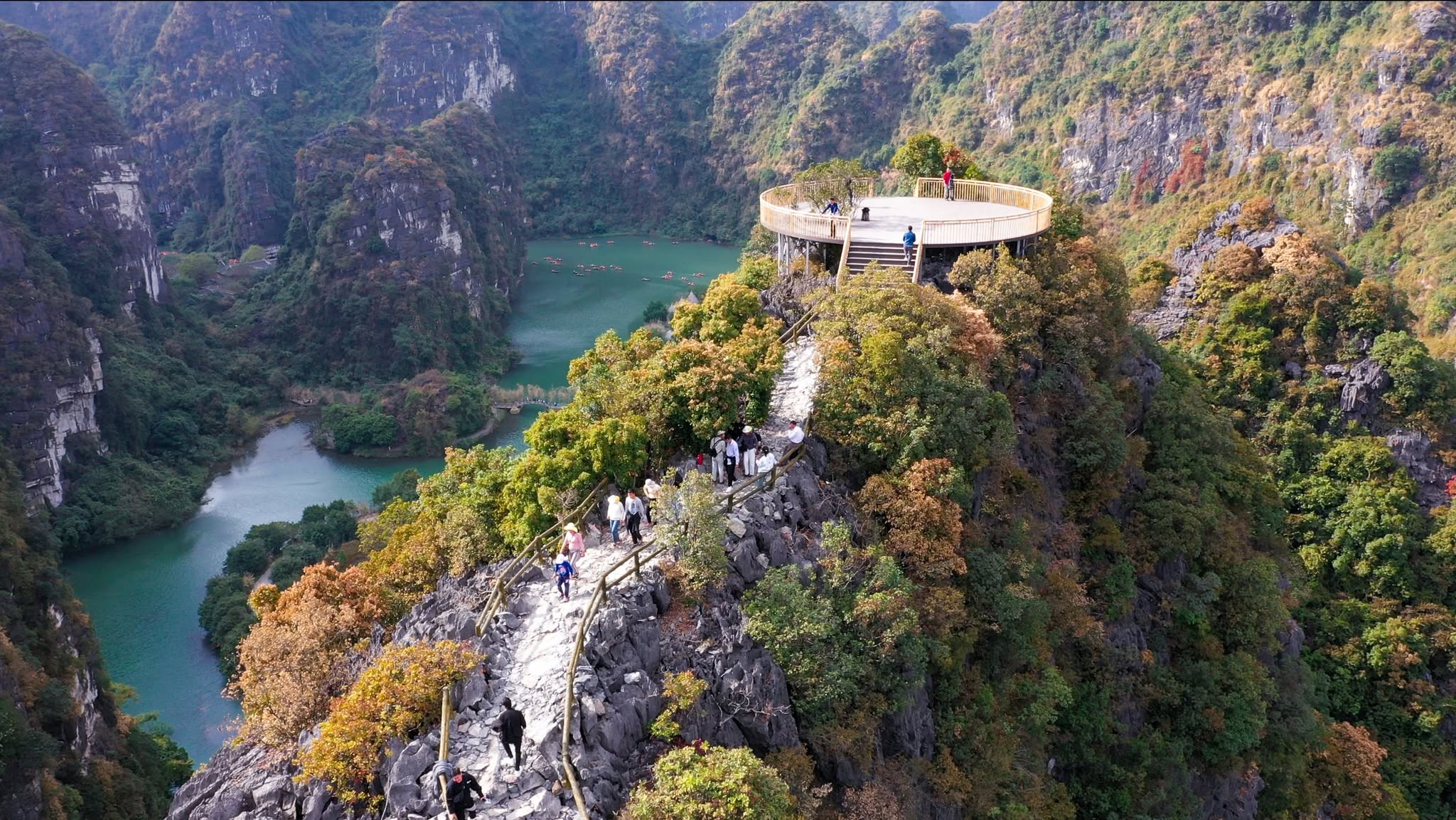
The landscape is particularly distinctive for its limestone mountains, many of which rise steeply from flooded valleys and can reach approximately 200 metres in height. Narrow valleys, sharp ridges, streams, wetlands and interconnected caves form a continuous natural system. The Hoa Lu Special-Use Forest, particularly in the western and southwestern areas, contributes to the ecological integrity of the property and provides important habitats for numerous plant and animal species.
The combination of limestone towers and cones, vertical cliffs, flooded valleys, streams and cave systems creates a distinctive tropical karst landscape. Traditional boats moving through the waterways, together with temples, pagodas and other cultural sites nestled among the mountains, form an inseparable part of the scenery.
Archaeological, Historical and Cultural Values
Trang An also preserves important evidence of long-term human occupation. Archaeological and environmental research has demonstrated human presence in the area for more than 30,000 years. Archaeological remains and environmental deposits provide evidence of how prehistoric communities adapted to major changes in geology, climate, sea level and the surrounding environment.
From the Pleistocene to the Holocene, the area experienced significant environmental transformations, including changes between continental, coastal and island environments. Rising and falling sea levels, together with changes in groundwater systems, repeatedly altered the relationship between human communities and the landscape. The archaeological record at Trang An therefore provides valuable evidence of long-term human adaptation to a changing environment.
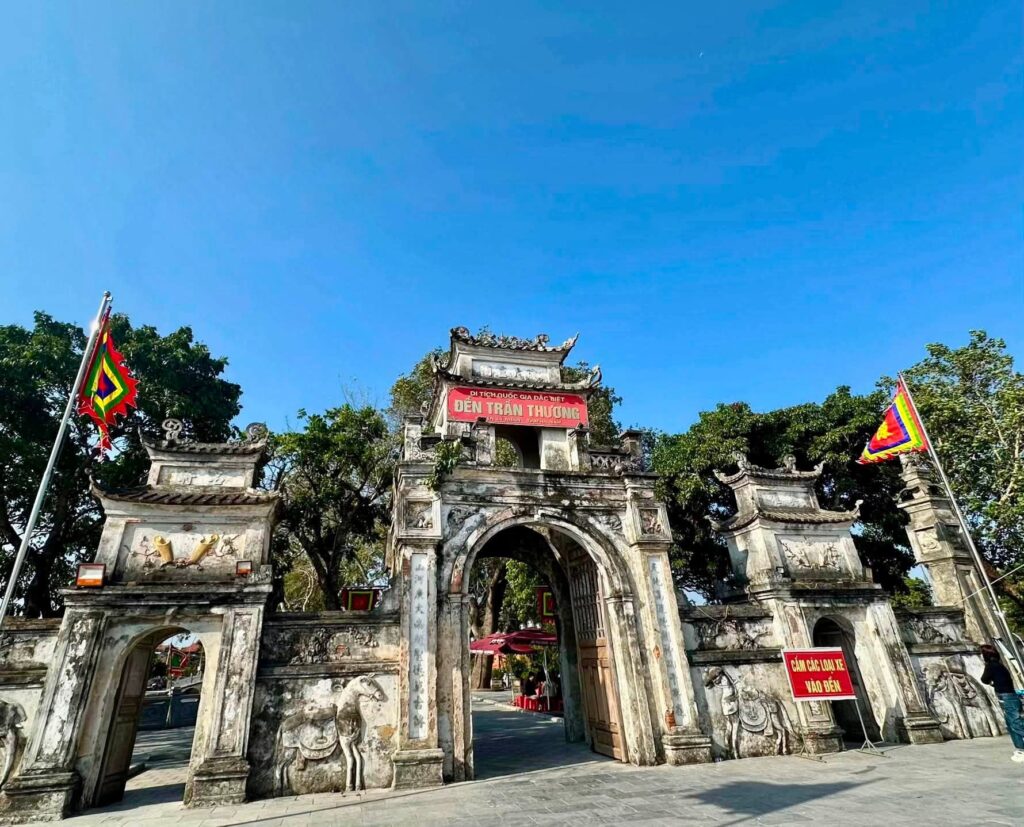
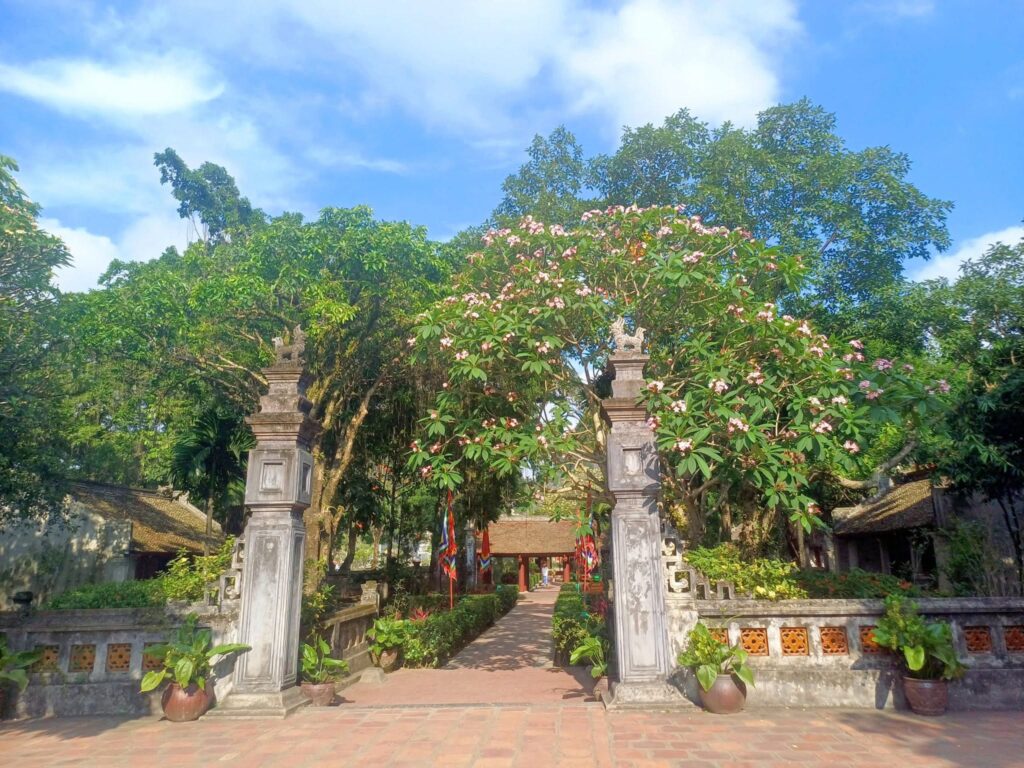
The cultural landscape of Trang An is closely associated with the history of Hoa Lu Ancient Capital, the political centre of Vietnam during the 10th and early 11th centuries. The area contains numerous historical and religious monuments, including the Temple of King Dinh Tien Hoang, the Temple of King Le Dai Hanh, Tran Temple, and Bich Dong Pagoda. These monuments, together with the surrounding mountains, waterways and forests, demonstrate the long-standing interaction between people and the natural environment.
UNESCO recognizes the Trang An Landscape Complex under three Outstanding Universal Value criteria:
Criterion (v) recognizes Trang An as an exceptional example of the interaction between people and their environment in Southeast Asia over more than 30,000 years. Archaeological evidence demonstrates how communities adapted to geological and climatic changes, including major fluctuations in sea level and the transformation of the landscape.
Criterion (vii) recognizes the exceptional natural beauty of the tropical karst landscape. Limestone towers and cones, steep cliffs, flooded valleys, sinkholes, streams and caves combine to create a landscape of remarkable visual diversity. Cultural and religious monuments located within this environment further strengthen the connection between natural and cultural values.
Criterion (viii) recognizes Trang An as an outstanding example of the evolution of a tropical humid karst landscape. Its geological features include limestone cones and towers, sinkholes, basins, wetlands, flooded caves, underground rivers and sediment deposits. The landscape also records the transition from cone karst to isolated tower karst and preserves evidence of Pleistocene and Holocene marine incursions, as well as changes in sea level and groundwater.
Conservation and Sustainable Development
The conservation of the Trang An Landscape Complex requires the protection of its natural landscapes, ecosystems, historical monuments, archaeological remains and living cultural traditions. Management measures focus on controlling construction, transportation, tourism activities, natural resource use and settlement within the World Heritage property and its buffer zone.
Archaeological and environmental research continues to contribute to a better understanding of the site’s long history, while tourism management must ensure that visitor activities remain compatible with the conservation of its Outstanding Universal Value. Managing visitor capacity, protecting waterways and caves, maintaining the landscape, and involving local communities are important elements of long-term conservation.
Today, Trang An represents a remarkable continuity between geology, nature, archaeology, history and culture. Its limestone mountains and waterways preserve evidence of ancient geological processes and human adaptation, while Hoa Lu Ancient Capital and the area’s temples and pagodas reflect successive layers of Vietnamese history. Together, these elements create the distinctive cultural and natural landscape for which Trang An has been recognized as a UNESCO World Heritage Site.