

Vietnam is widely regarded as an affordable travel destination, offering a wide range of accommodation, transportation, dining, and sightseeing options. However, even with a carefully planned itinerary, travelers may encounter unexpected expenses that increase the overall cost of their trip.
Understanding these additional costs can help international visitors plan a realistic budget, avoid unnecessary spending, and enjoy a more comfortable journey.
1. Transportation and Additional Travel Fees
Transportation is one of the most common sources of unexpected travel expenses in Vietnam.
While buses, trains, taxis, and domestic flights are generally accessible, additional charges may apply depending on the service and booking conditions.
Common extra costs include:
- Airport transfers and transportation between terminals.
- Taxi fares during peak hours or heavy traffic.
- Additional baggage fees on domestic flights.
- Ticket changes or cancellation charges.
- Transportation between tourist attractions.
- Parking fees and tolls for rented vehicles.
Budget tip: Compare transportation options before booking, check baggage allowances, and use reputable transportation providers. When using taxis or ride-hailing services, confirm the estimated fare and pickup location.
2. Accommodation and Hotel Surcharges
Hotel prices in Vietnam vary depending on location, season, and accommodation category.
Although online booking platforms often display attractive room rates, the final amount may include additional charges.
Potential expenses include:
- Taxes or service charges not included in the initial displayed price.
- Early check-in or late check-out fees.
- Extra beds or additional guests.
- Laundry and minibar services.
- Resort services or optional amenities.
- Cancellation or no-show charges.
Budget tip: Review the final booking price, included services, cancellation policy, and payment conditions before confirming your reservation.
3. Food and Dining Expenses
Vietnam is famous for its affordable street food and diverse culinary experiences. However, dining costs can increase when travelers frequently visit tourist-oriented restaurants or choose premium food and beverage options.
Additional expenses may include:
- Drinks ordered separately from meals.
- Seafood sold by weight.
- Service charges at certain restaurants.
- Premium dining experiences.
- Snacks, coffee, and desserts throughout the day.
Budget tip: Check menus and prices before ordering. For seafood, confirm the price per kilogram, the weight, and any preparation charges.
Exploring local restaurants and traditional markets can also provide authentic culinary experiences at reasonable prices.
4. Entrance Tickets and Tourist Activities
Many popular destinations in Vietnam charge admission fees, and certain attractions offer optional services at an additional cost.
These may include:
- Entrance tickets to historical sites, museums, and national parks.
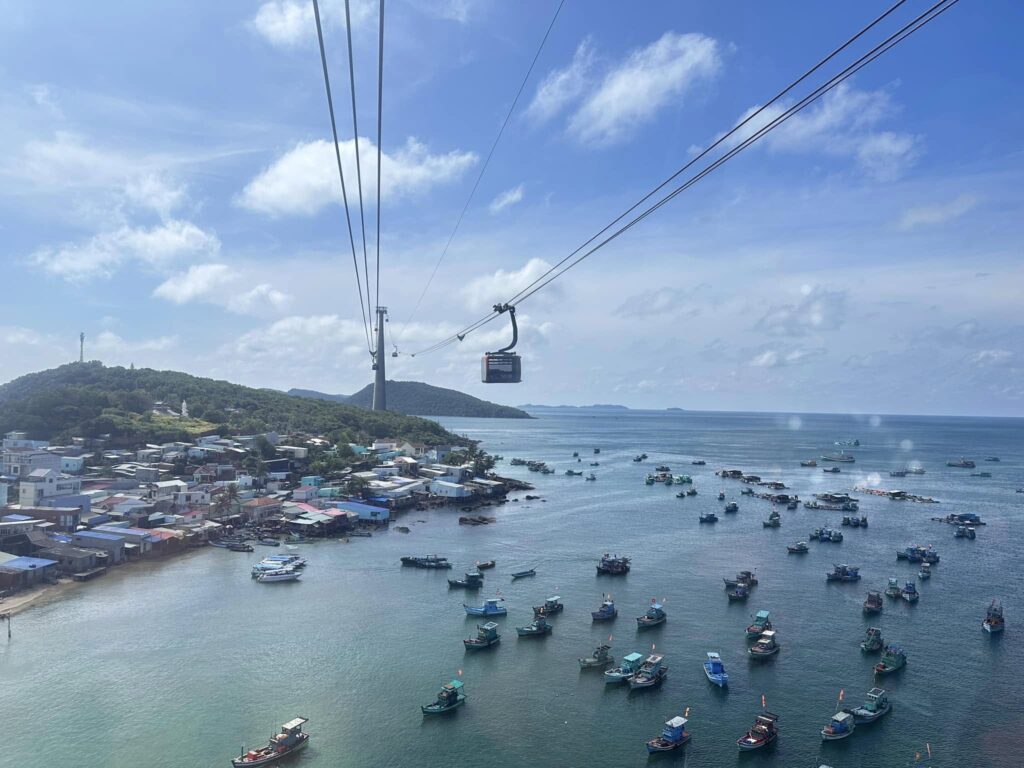
- Cable cars and sightseeing transportation.
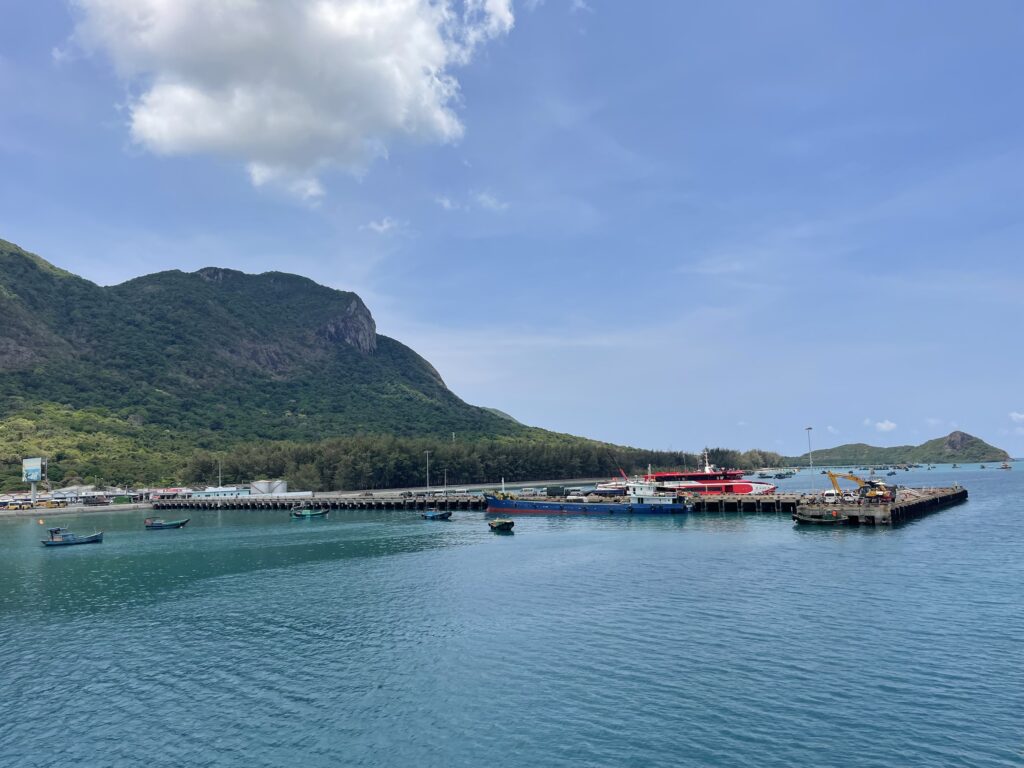
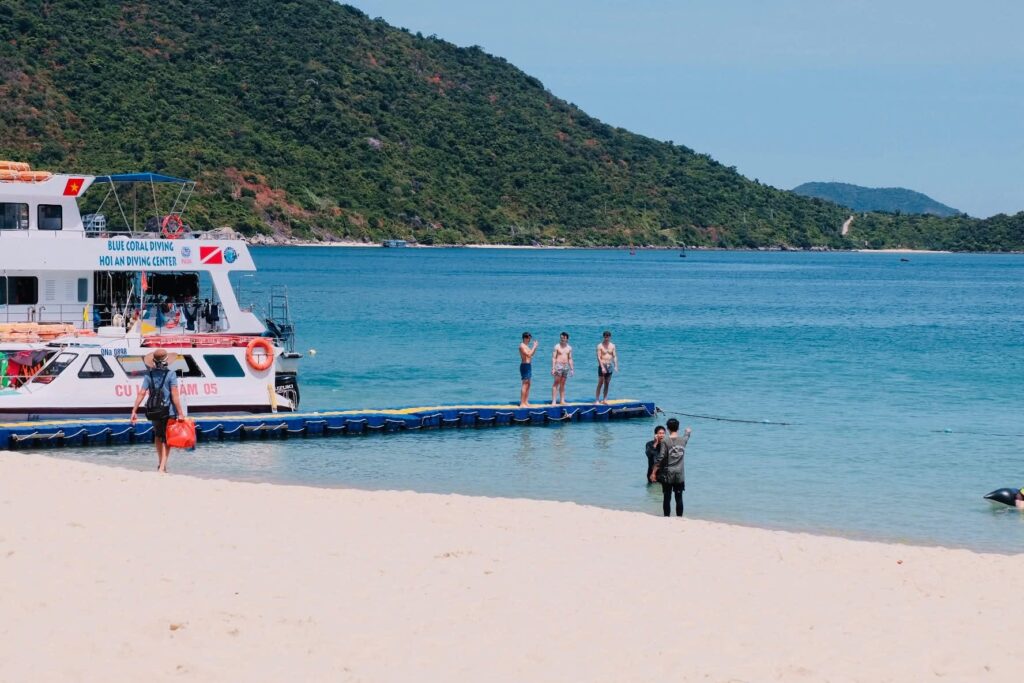
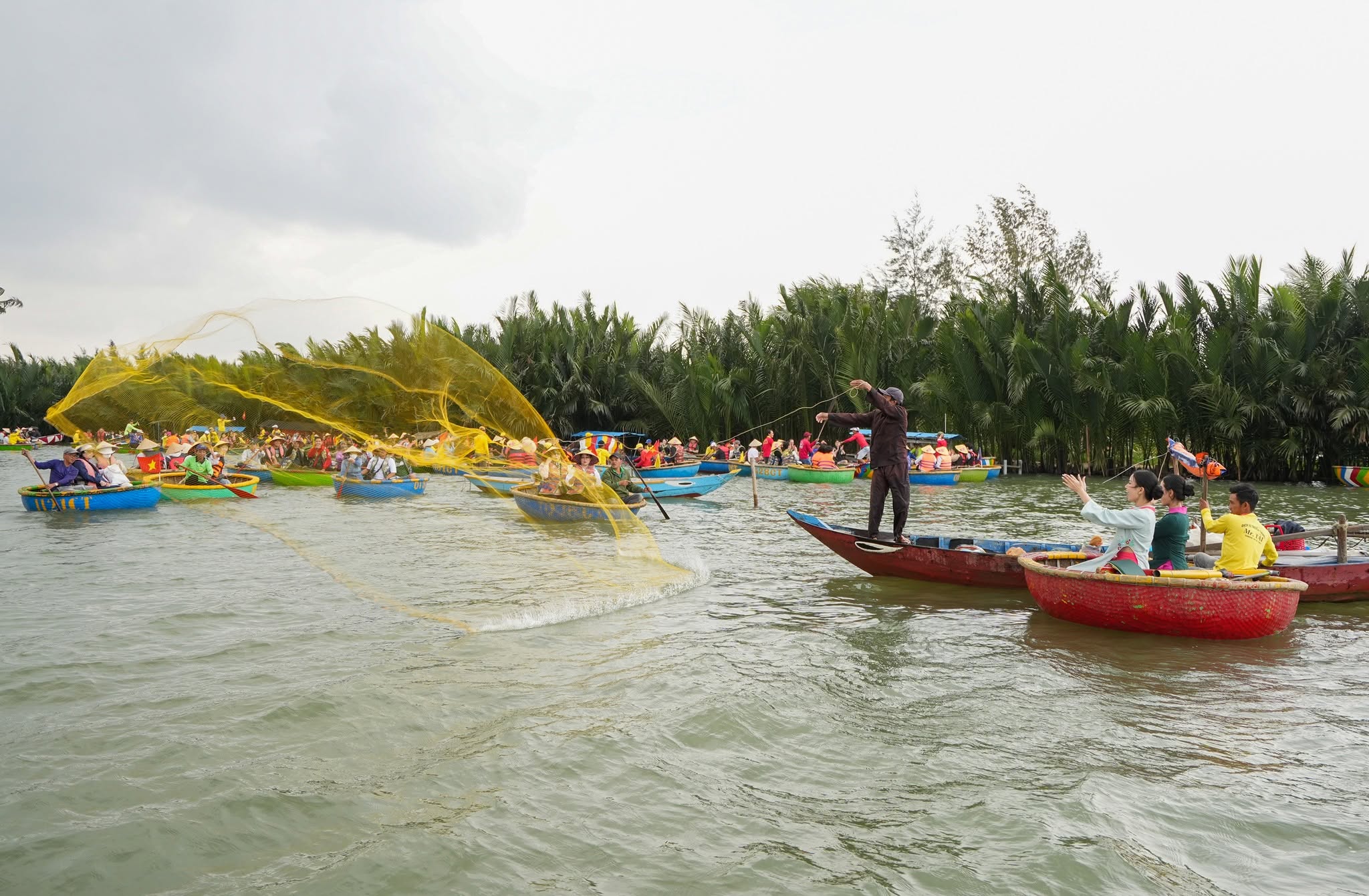
- Boat trips and island excursions.
- Local tour guides.
- Equipment rentals.
- Cultural performances and entertainment activities.
Budget tip: Research ticket prices and available packages before visiting. Check whether transportation, meals, entrance fees, and other services are included in a tour.
5. Mobile Internet, SIM Cards, and eSIM Services
Reliable internet access is useful for navigation, communication, translation, and online bookings.
International visitors may incur unexpected charges when using mobile services without understanding their data plans.
Possible expenses include:
- International roaming charges.
- Additional mobile data packages.
- SIM card or eSIM activation fees.
- Data top-ups after reaching plan limits.
Budget tip: Compare local SIM cards and travel eSIM packages before arriving in Vietnam. Choose a plan based on your travel duration, expected data usage, and device compatibility.
6. Currency Exchange and ATM Fees
Currency exchange and cash withdrawals can also affect your travel budget.
Some travelers may overlook differences in exchange rates or additional transaction charges.
Common expenses include:
- ATM withdrawal fees.
- Foreign transaction fees charged by banks.
- Currency conversion charges.
- Unfavorable exchange rates at certain exchange counters.
Budget tip: Check exchange rates and transaction fees before exchanging or withdrawing money. Use reputable banks and authorized currency exchange services.
When paying by card, review any currency conversion options presented by the payment terminal.
7. Shopping and Souvenirs
Shopping is a popular activity for visitors exploring Vietnam’s traditional markets, handicraft villages, and shopping districts.
While souvenirs may appear inexpensive individually, frequent purchases can significantly increase overall spending.
Typical purchases include:
- Traditional handicrafts.
- Clothing and accessories.
- Coffee, tea, and local specialties.
- Handmade gifts.
- Regional souvenirs.
Budget tip: Set a separate shopping allowance and compare prices before purchasing. In markets where bargaining is customary, negotiate politely and agree on the final price before completing the transaction.
8. Weather-Related Changes and Unexpected Travel Disruptions
Vietnam’s weather varies considerably between regions and seasons.
Heavy rain, storms, rough seas, or other unfavorable conditions may affect transportation and sightseeing activities.
Unexpected expenses can include:
- Additional hotel nights.
- Rescheduled transportation.
- Alternative travel arrangements.
- Changes to tour itineraries.
- Additional meals and local transportation.
Budget tip: Check weather forecasts before traveling, especially when visiting islands, mountainous areas, or coastal destinations.
Review cancellation policies and consider suitable travel insurance for your itinerary.
9. Travel Insurance and Medical Expenses
Medical treatment and emergency assistance can result in significant unexpected costs, particularly for international travelers.
Potential expenses include:
- Medical consultations and treatment.
- Prescription medications.
- Emergency transportation.
- Lost or damaged luggage.
- Trip interruption or cancellation costs.
Budget tip: Consider purchasing travel insurance that provides appropriate medical and emergency coverage.
Review policy exclusions, coverage limits, and claim procedures before departure.
10. Tips and Optional Service Charges
Tipping is not universally required in Vietnam, but it may be appreciated in certain tourism and hospitality settings.
Travelers may choose to tip hotel staff, tour guides, drivers, or other service providers for satisfactory service.
Some establishments may also apply service charges.
Budget tip: Check whether a service charge is already included in your bill. Tipping is generally discretionary unless a specific charge has been clearly disclosed.
How Much Extra Money Should You Budget for Vietnam?
The amount of additional spending depends on your travel style, destination, accommodation preferences, and planned activities.
As a practical planning guideline, consider setting aside approximately 10–20% of your estimated travel budget for unexpected or optional expenses.
For example:
| Planned Travel Budget | Suggested Extra Budget | Total Available Budget |
|---|---|---|
| USD 300 | USD 30–60 | USD 330–360 |
| USD 500 | USD 50–100 | USD 550–600 |
| USD 1,000 | USD 100–200 | USD 1,100–1,200 |
| USD 2,000 | USD 200–400 | USD 2,200–2,400 |
These figures are illustrative budgeting suggestions, not official travel cost estimates. Travelers with complex itineraries or higher financial risks may need a larger reserve.
Practical Tips for Managing Your Travel Budget
To keep your travel expenses under control, consider the following recommendations:
- Plan your itinerary in advance: Estimate transportation, accommodation, meals, and sightseeing expenses.
- Compare prices: Check multiple booking platforms and service providers.
- Track daily spending: Record expenses using a mobile application or simple budget spreadsheet.
- Keep an emergency fund: Reserve money for unexpected situations.
- Avoid unnecessary fees: Check booking conditions, banking charges, and mobile data plans.
- Choose suitable travel services: Select options that match your budget rather than paying for unnecessary extras.
- Review prices before payment: Confirm the total amount, currency, and included services.
Enjoy Vietnam Without Overspending
Traveling in Vietnam can be both affordable and rewarding when visitors understand potential additional expenses and make informed financial decisions.
From transportation and accommodation to dining, sightseeing, and mobile connectivity, careful planning can help reduce unexpected costs without compromising the quality of your experience.
A flexible budget, reliable travel information, and a little preparation can make your journey smoother and more enjoyable.
Explore more travel guides, practical tips, and destination information at Travelin.vn – Travel in Vietnam.
Disclaimer: This article provides general travel budgeting information for reference purposes only. Prices, fees, exchange rates, and service conditions may vary by destination, provider, and travel date. Travelers should confirm current information directly with relevant service providers.