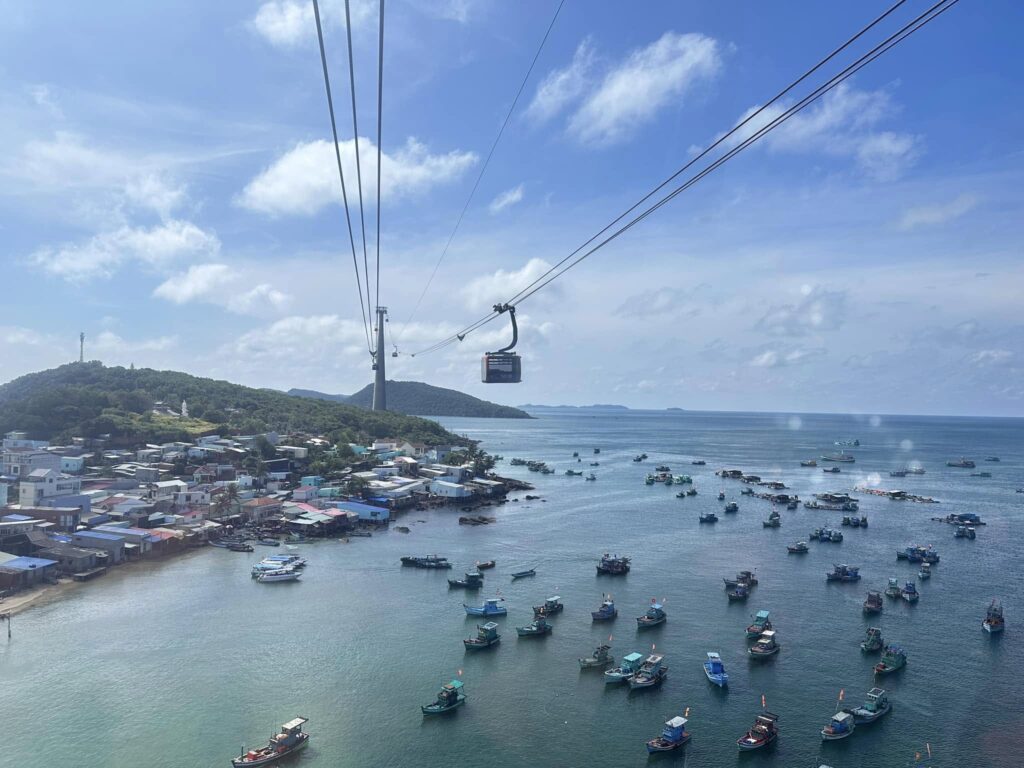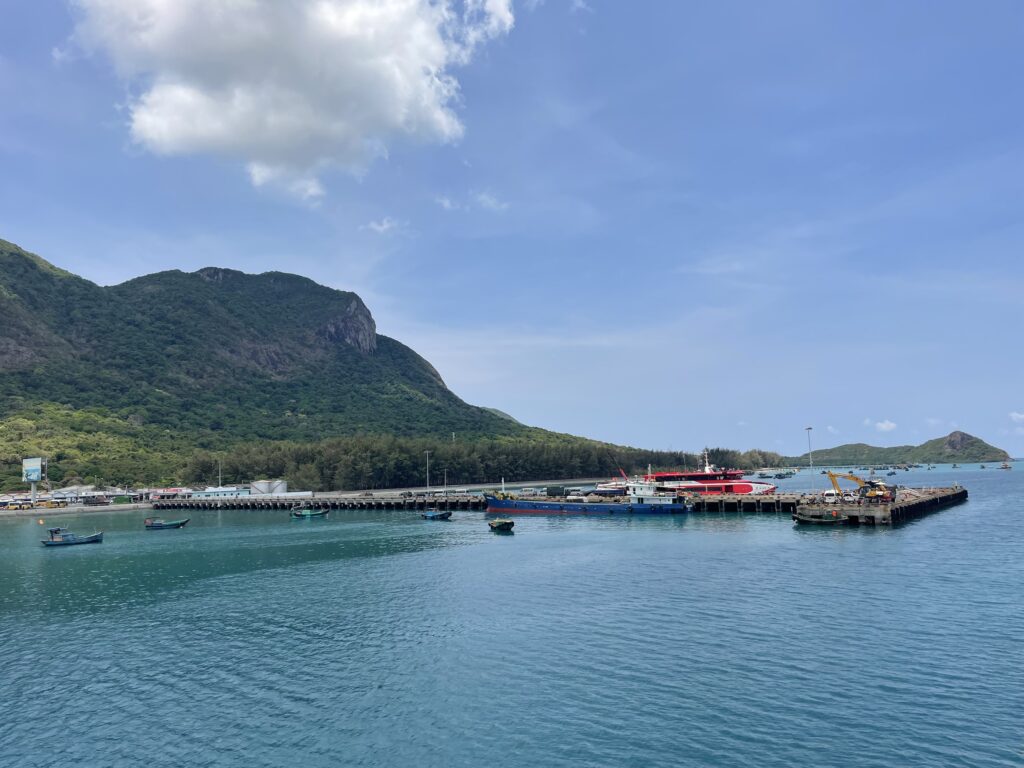
Vietnam is a fascinating destination known for its diverse landscapes, vibrant cities, traditional culture, and welcoming hospitality. From the historic streets of Hanoi to the beaches of Phu Quoc and the mountains of northern Vietnam, the country offers memorable experiences for international travelers.
Like any international destination, visiting Vietnam requires some preparation. Understanding local traffic conditions, avoiding common tourist scams, arranging suitable travel insurance, and knowing emergency contact numbers can help visitors enjoy a safer and more comfortable journey.
This guide provides practical travel safety information for first-time visitors to Vietnam.
1. Is Vietnam Safe for Tourists?
Vietnam is a well-established international travel destination, attracting visitors interested in culture, cuisine, history, nature, and outdoor activities.
Many travelers explore the country independently, using domestic flights, trains, buses, taxis, and organized tours.
However, visitors should remain aware of common travel risks, including road traffic accidents, petty theft, misleading service offers, extreme weather, and certain health concerns.
Taking basic precautions and choosing reputable service providers can help reduce these risks.
2. Road Safety and Transportation in Vietnam
Traffic conditions in Vietnam may be unfamiliar to first-time visitors, particularly in major cities such as Hanoi and Ho Chi Minh City.
Motorcycles are widely used, and traffic can be busy around intersections, markets, and popular tourist areas.
Crossing the Street Safely
Use designated pedestrian crossings whenever possible and follow traffic signals.
Before crossing, look carefully in both directions and remain alert for turning vehicles.
Avoid sudden movements, running into traffic, or assuming that every vehicle will stop.
Riding Motorcycles
Motorcycle travel is popular in Vietnam, but visitors should consider the risks carefully.
Before driving, verify that you hold a valid driving licence and any international driving permit required for your nationality and vehicle category.
Always wear an approved helmet, follow traffic regulations, and avoid riding after consuming alcohol.
Travelers should also confirm that their insurance covers motorcycle-related activities.
Choosing Reliable Transportation
Use reputable taxi operators, established transportation companies, or recognized ride-hailing applications.
Check vehicle details before entering a booked car and confirm the fare or payment method in advance.
For long-distance journeys, choose licensed transportation providers and avoid overcrowded or poorly maintained vehicles.
3. Common Tourist Scams and How to Avoid Them
Most travel services operate legitimately, but visitors may occasionally encounter misleading offers or dishonest practices.
Taxi and Transportation Scams
Some travelers may encounter inflated fares or unofficial transportation services.
To reduce the risk, book through reputable companies, confirm the fare, and check that the vehicle matches your reservation.
Unexpected Tour Charges
Before purchasing a tour, confirm the itinerary, included services, cancellation policy, and total price.
Be cautious of unusually cheap offers that do not clearly explain additional charges.
Street Vendors and Unrequested Services
In busy tourist areas, visitors may be offered goods, photographs, shoe cleaning, or other services.
If you do not want a service, decline politely and avoid accepting it before agreeing on a price.
Online Booking Scams
Use official websites or reputable booking platforms when arranging accommodation, tours, and transportation.
Be cautious of requests to transfer money to unfamiliar personal accounts or to communicate through suspicious links.
4. Travel Insurance for Vietnam
Travel insurance is an important consideration for international visitors.
A suitable policy may help cover unexpected medical expenses, trip interruptions, lost luggage, and other travel-related incidents.
Before purchasing insurance, review whether the policy includes:
- Emergency medical treatment and hospitalization.
- Medical evacuation when necessary.
- Trip cancellation or interruption.
- Lost, stolen, or delayed baggage.
- Adventure activities or motorcycle travel, if planned.
- Relevant exclusions and coverage limits.
Travelers with pre-existing medical conditions should check the applicable terms carefully.
Keep a digital copy of your policy and the insurer’s emergency assistance number accessible throughout your trip.
5. Emergency Phone Numbers in Vietnam
Knowing the correct emergency contact numbers is essential when traveling in an unfamiliar country.
| Emergency Service | Phone Number |
|---|---|
| Police | 113 |
| Fire and Rescue | 114 |
| Ambulance | 115 |
Vietnam’s international telephone country code is +84.
When contacting emergency services, provide your location, explain the situation clearly, and follow the operator’s instructions.
English-language assistance may not always be available. If communication is difficult, ask a hotel receptionist, tour guide, or trusted local person to help.
Visitors should also save the contact details of their embassy or consulate, accommodation, travel insurer, and emergency contacts.
6. Health and Medical Precautions
Before visiting Vietnam, travelers should review their routine vaccinations and seek personalized advice from a qualified healthcare professional.
Depending on the itinerary, length of stay, and planned activities, additional vaccinations or preventive measures may be recommended.
Food and Drinking Water
Choose food from establishments that appear clean and follow appropriate food-handling practices.
Drink bottled or properly treated water when the safety of tap water is uncertain.
Wash your hands regularly, especially before eating.
Mosquito-Borne Diseases
Mosquito-borne illnesses, including dengue fever, are health considerations in Vietnam.
Travelers can reduce mosquito bites by using appropriate insect repellent, wearing protective clothing, and staying in accommodation with screens or air conditioning where possible.
Those visiting rural or forested areas should seek destination-specific medical advice before departure.
Heat, Humidity, and Hydration
Vietnam’s climate varies considerably between regions and seasons.
Hot and humid conditions can increase the risk of dehydration and heat-related illness.
Drink sufficient water, take breaks during outdoor activities, and avoid excessive exposure to strong midday heat.
Accessing Medical Care
Major cities have hospitals and medical facilities, including private healthcare providers.
Medical services may be more limited in remote destinations.
For serious symptoms or injuries, seek professional medical assistance promptly and contact your travel insurance provider when practical.
7. Weather and Natural Hazards
Vietnam experiences different weather patterns across its northern, central, and southern regions.
Heavy rainfall, flooding, tropical storms, and landslides can affect travel plans, particularly during certain seasons.
Travelers should monitor official weather forecasts and follow local authority instructions.
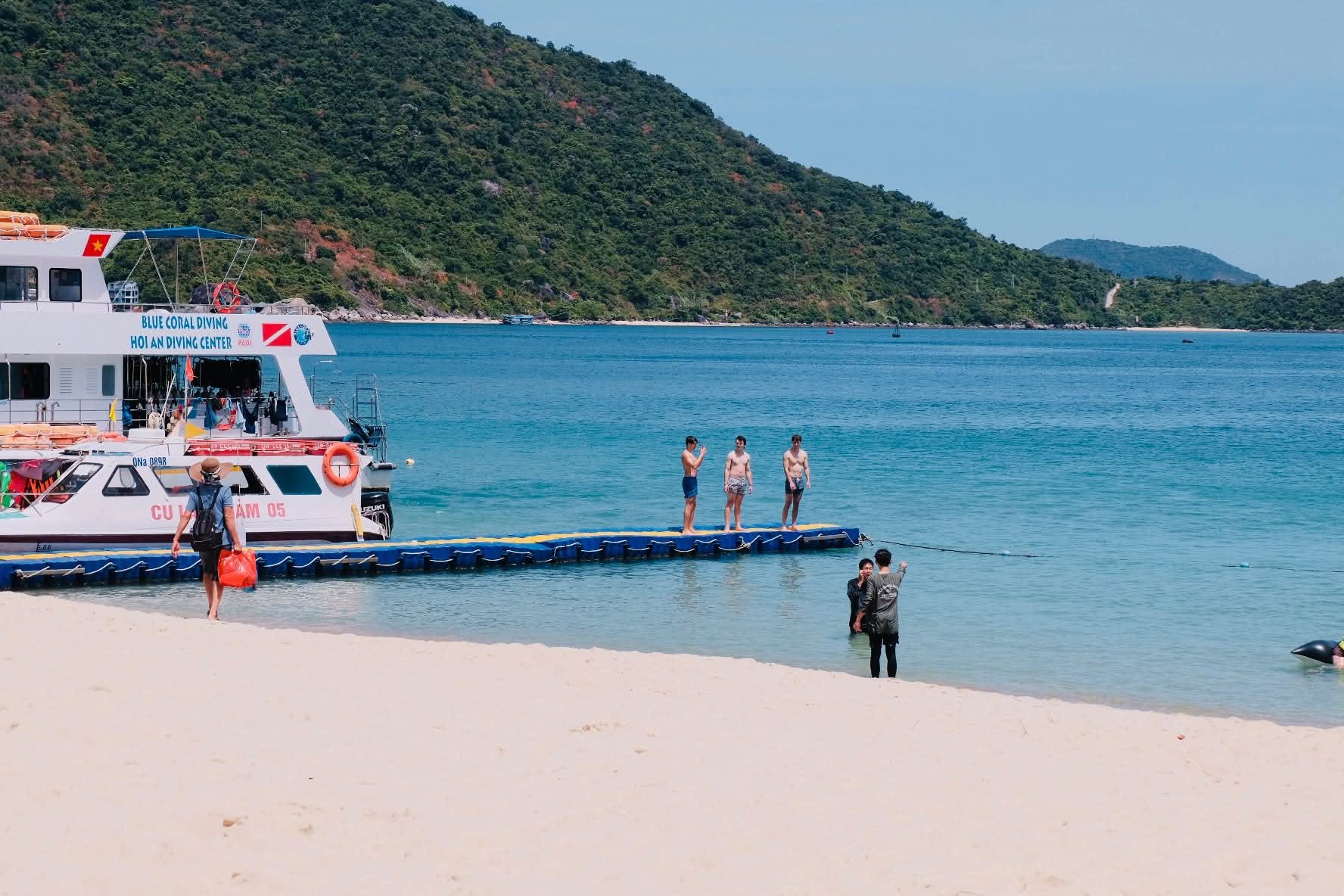
For island destinations and coastal activities, rough seas and strong winds may disrupt ferry services, boat tours, and other transportation.
Always confirm schedules with transportation operators before departure.
8. Personal Belongings and Digital Security
Keep passports, cash, bank cards, and other valuables secure.
Avoid displaying large amounts of cash or expensive belongings in crowded areas.
Use hotel safes where appropriate and carry only the money and documents needed for daily activities.
Be cautious when using unfamiliar public Wi-Fi networks, particularly for financial transactions.
Consider using a local SIM card or eSIM to maintain internet access for navigation, bookings, and emergency communication.
9. Local Customs and Respectful Travel
Understanding local customs can help visitors enjoy a more rewarding travel experience.
When visiting temples, pagodas, and religious sites, dress respectfully and follow posted instructions.
Ask permission before photographing people, particularly during religious ceremonies or private activities.
Respect protected heritage sites, natural environments, and local communities.
Learning a few basic Vietnamese expressions can also make everyday interactions easier.
10. Essential Safety Checklist Before Traveling to Vietnam
Before departure, travelers should:
- Check passport validity and applicable entry requirements.
- Purchase suitable travel insurance.
- Review relevant vaccination and health recommendations.
- Save emergency contact numbers.
- Confirm transportation and accommodation reservations.
- Prepare digital and offline copies of important documents.
- Check weather conditions at planned destinations.
- Arrange reliable mobile internet access.
- Review local driving requirements if planning to rent a vehicle.
- Share the travel itinerary with a trusted contact.
Frequently Asked Questions
Is Vietnam safe for first-time travelers?
Vietnam is a popular destination for international visitors. First-time travelers should follow normal safety precautions, pay particular attention to road traffic, and use reputable travel services.
Is it safe to ride a motorcycle in Vietnam?
Motorcycle travel carries significant road safety risks. Visitors should ensure they have the required driving documents, suitable insurance, and adequate riding experience.
What is the ambulance number in Vietnam?
The ambulance emergency number is 115.
Should I buy travel insurance for Vietnam?
Travel insurance is strongly recommended. Travelers should choose coverage appropriate to their itinerary, medical needs, and planned activities.
Can tourists drink tap water in Vietnam?
Visitors should not assume untreated tap water is safe to drink. Bottled or appropriately treated water is generally a more cautious choice.
What should I do if I lose my passport in Vietnam?
Contact the local police when appropriate and reach out to your embassy or consulate for guidance on replacement travel documents.
Travel Vietnam with Confidence
A memorable journey begins with good preparation. By understanding local transportation, taking sensible health precautions, choosing reputable travel services, and keeping emergency information accessible, visitors can explore Vietnam with greater confidence.
Whether you are planning your first trip to Hanoi, discovering the cultural heritage of Hue, enjoying the beaches of Da Nang, or exploring Vietnam’s islands and countryside, staying informed helps make every journey smoother.
For more destination guides, travel information, and practical online tools, explore Travelin.vn.
Disclaimer: This article provides general travel information and does not replace official government advice, professional medical guidance, legal advice, or the terms of an insurance policy. Emergency procedures, regulations, and travel conditions may change. Always consult relevant official authorities and service providers before traveling.