Vietnam is one of Southeast Asia’s most fascinating travel destinations, offering a remarkable combination of natural landscapes, historic cities, cultural heritage, traditional cuisine, and everyday local experiences. From the mountains of northern Vietnam to the ancient towns of central Vietnam and the tropical islands of the south, the country offers something for almost every type of traveler.
For international visitors planning their first trip, understanding Vietnam’s entry requirements, climate, transportation, local customs, and practical travel arrangements can make the journey much easier.
This Vietnam travel guide for first-time visitors covers essential information to help you prepare for your trip, explore different destinations, and experience Vietnam with confidence.
1. Where Is Vietnam?
Vietnam is located in Southeast Asia, on the eastern side of the Indochinese Peninsula. The country borders China to the north, Laos and Cambodia to the west, and the sea to the east and south.
Stretching more than 1,600 kilometers from north to south, Vietnam features diverse landscapes, including mountains, river deltas, coastal plains, forests, and islands.
Its geography also creates significant differences in climate, culture, cuisine, and travel experiences between regions.
The capital of Vietnam is Hanoi, while Ho Chi Minh City is the country’s largest major economic center.
Vietnam uses Indochina Time (ICT), which is UTC+7, throughout the year.
2. Visa and Entry Requirements for Vietnam
Before traveling, international visitors should check the entry requirements applicable to their nationality.
Vietnam offers visa exemptions for eligible nationalities and an electronic visa (e-Visa) system for foreign visitors who meet the relevant conditions.
Visa eligibility, permitted length of stay, entry conditions, and passport requirements depend on current Vietnamese regulations.
Travelers should verify their information through official government channels before booking or departing.
The official Vietnam e-Visa portal is available at:
Visitors should also ensure that their passports remain valid for the period required by the applicable entry rules.
3. Best Time to Visit Vietnam
Vietnam can be visited throughout the year, but weather conditions vary significantly by region.
Northern Vietnam
Northern Vietnam experiences distinct seasonal changes.
Spring and autumn often bring comfortable temperatures for sightseeing in Hanoi, Ninh Binh, and Ha Long Bay.
Summer can be hot and humid, with heavy rainfall, while winter may be cool or cold, especially in mountainous areas such as Sa Pa and Ha Giang.
Central Vietnam
Central Vietnam is home to destinations such as Hue, Da Nang, and Hoi An.
Weather patterns vary along the coast, but many central coastal destinations experience relatively favorable beach conditions during parts of spring and summer.
Heavy rainfall, flooding, and tropical storms may affect travel during other periods.
Southern Vietnam
Southern Vietnam generally experiences a tropical climate with wetter and drier seasons.
Ho Chi Minh City, the Mekong Delta, and Phu Quoc are popular destinations throughout the year, although rainfall and sea conditions can influence outdoor activities.
Travelers planning multi-region itineraries should check weather forecasts for each destination rather than relying on a single national forecast.
4. Best Places to Visit in Vietnam
Vietnam offers a wide range of destinations, from major cities and cultural heritage sites to national parks and tropical islands.
Hanoi
Vietnam’s capital is known for its historic neighborhoods, lakes, museums, traditional architecture, and vibrant street food culture.
Visitors can explore the Old Quarter, Hoan Kiem Lake, the Temple of Literature, and many cultural attractions.
Ha Long Bay
Famous for its limestone islands and dramatic seascapes, Ha Long Bay is one of Vietnam’s best-known natural destinations.
Boat cruises and sightseeing excursions offer opportunities to experience its distinctive coastal landscape.
Ninh Binh
Ninh Binh is known for limestone mountains, rivers, rice fields, and cultural heritage sites.
Popular experiences include boat trips through scenic waterways and visits to historic temples.
Hue
Hue is celebrated for its imperial history, traditional architecture, royal heritage, and distinctive cuisine.
The Complex of Hue Monuments is recognized as a UNESCO World Heritage Site.
Da Nang and Hoi An
Da Nang combines beaches, urban attractions, and convenient access to central Vietnam’s cultural destinations.
Nearby Hoi An is known for its historic townscape, traditional houses, lanterns, and cultural atmosphere.
Da Lat
Located in the Central Highlands, Da Lat attracts visitors with its cooler climate, pine forests, lakes, flower gardens, and distinctive architecture.
Ho Chi Minh City
Vietnam’s largest urban center offers museums, historic buildings, markets, contemporary dining, and a lively city atmosphere.
It is also a convenient starting point for exploring southern Vietnam.
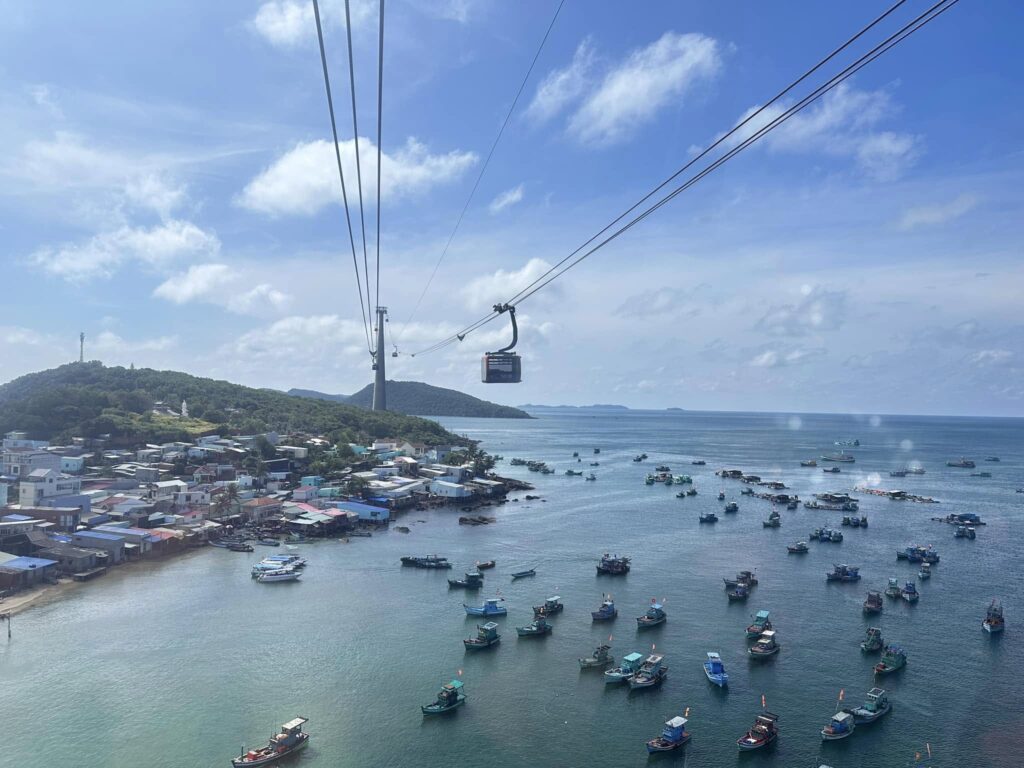
Phu Quoc
Phu Quoc is known for its tropical beaches, resorts, seafood, and island experiences.
Visitors can enjoy coastal scenery, boat excursions, and a variety of leisure activities.
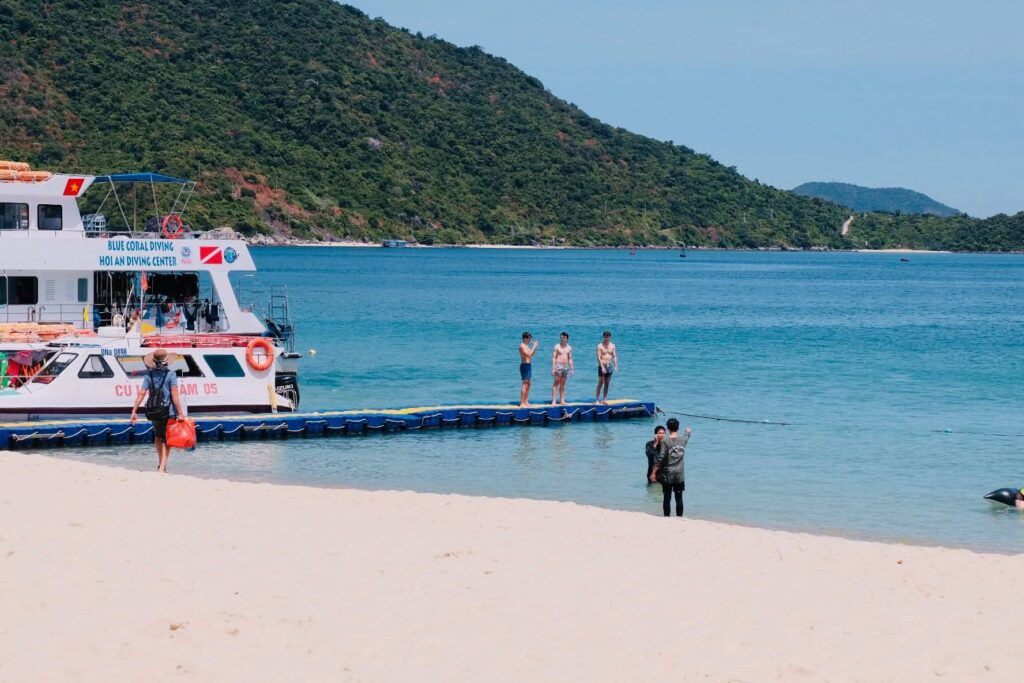
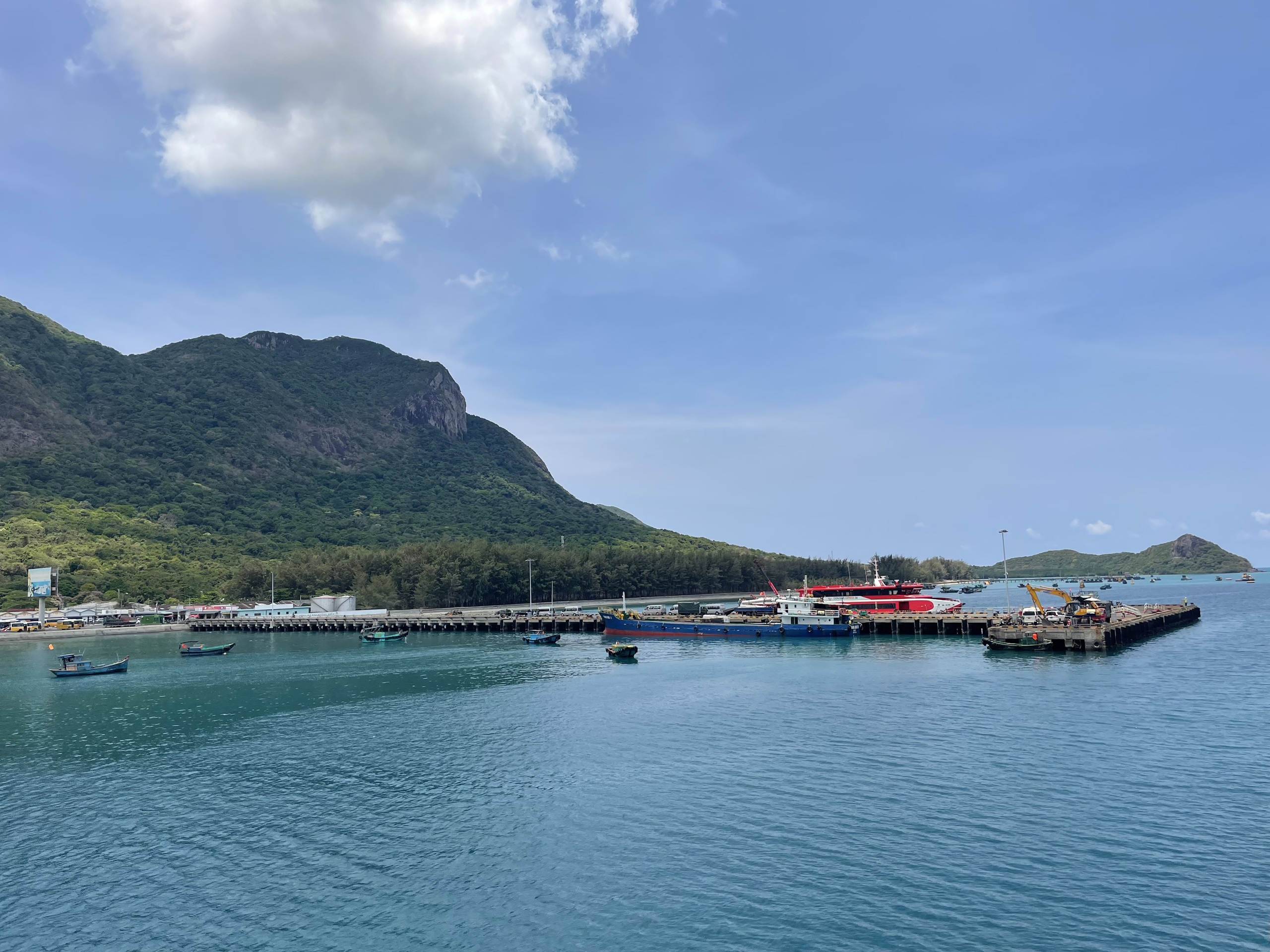
Con Dao
Con Dao combines natural landscapes, beaches, marine environments, and important historical sites.
The islands are especially meaningful for visitors interested in Vietnam’s modern history and natural heritage.
5. How to Travel Around Vietnam
Vietnam has an extensive transportation network connecting major cities and tourist destinations.
Domestic Flights
Domestic flights are useful for traveling between distant destinations, particularly when time is limited.
Trains
Rail travel offers an opportunity to enjoy the countryside and coastal scenery.
The north–south railway connects several important cities and destinations.
Buses and Limousine Services
Intercity buses and limousine services are widely used for regional travel.
Travelers should choose reputable operators and confirm departure locations, schedules, and luggage conditions.
Taxis and Ride-Hailing Apps
Taxis and ride-hailing services are convenient for transportation within major cities and many tourist areas.
Visitors should verify vehicle information and payment details before starting their journey.
Ferries and Boats
Ferries and passenger boats provide access to several island destinations.
Schedules may change due to weather, sea conditions, or operational requirements.
Always confirm departure details with the relevant operator.
6. Vietnamese Currency and Travel Expenses
The official currency of Vietnam is the Vietnamese dong (VND).
Cash remains useful for small purchases, local markets, and some transportation services, while cards and digital payment methods are accepted at many hotels, restaurants, and larger businesses.
Travel expenses vary depending on accommodation standards, transportation choices, destinations, and personal preferences.
Visitors should budget for accommodation, meals, transportation, attractions, travel insurance, and additional expenses.
Before exchanging money or making international payments, check the current exchange rate and any applicable transaction fees.
7. Vietnamese Food: What Should You Try?
Vietnamese cuisine is an essential part of the travel experience.
Traditional dishes vary considerably between regions, reflecting local ingredients, history, and culinary customs.
Some popular dishes include:
- Pho: Vietnamese noodle soup, commonly prepared with beef or chicken.
- Banh Mi: A Vietnamese baguette sandwich with a variety of fillings.
- Bun Bo Hue: A flavorful noodle soup associated with Hue.
- Bun Cha: Grilled pork served with noodles and herbs.
- Goi Cuon: Fresh spring rolls with vegetables and other ingredients.
- Mi Quang: A noodle specialty associated with central Vietnam.
- Com Tam: Broken rice, commonly served with grilled pork and accompaniments.
- Banh Xeo: A savory Vietnamese pancake.
- Vietnamese Coffee: Coffee prepared in several distinctive local styles.
Food is often one of the most memorable parts of visiting Vietnam. Travelers should choose food establishments with appropriate hygiene practices and communicate any allergies or dietary restrictions clearly.
8. Culture and Local Etiquette
Vietnamese culture reflects a long history of regional traditions, community life, and diverse religious and cultural influences.
Visitors can experience this heritage through festivals, traditional crafts, architecture, cuisine, music, and everyday customs.
When visiting temples, pagodas, and religious sites, travelers should dress respectfully and follow local instructions.
It is also courteous to ask permission before photographing individuals, especially during ceremonies or private activities.
Learning simple Vietnamese expressions can make interactions more enjoyable.
Useful phrases include:
| English | Vietnamese |
|---|---|
| Hello | Xin chào |
| Thank you | Cảm ơn |
| Goodbye | Tạm biệt |
| How much is it? | Bao nhiêu tiền? |
| Excuse me / Sorry | Xin lỗi |
| Yes | Vâng / Dạ |
| No | Không |
9. Internet, SIM Cards and eSIM in Vietnam
Reliable internet access is useful for navigation, transportation bookings, translation, and communication.
Wi-Fi is available in many hotels, cafés, restaurants, and tourist accommodations.
International travelers can also consider purchasing a prepaid SIM card or activating a compatible eSIM.
Major Vietnamese mobile network operators include Viettel, VinaPhone, and MobiFone.
Before purchasing a mobile plan, check network coverage, data allowances, activation requirements, and device compatibility.
Travelers visiting remote destinations should consider downloading offline maps and essential travel information in advance.
10. Health, Safety and Emergency Information
Travelers should take normal safety precautions when exploring Vietnam.
Road traffic can be busy in major cities, and visitors should exercise particular care when crossing streets or riding motorcycles.
Choose reputable transportation providers, keep personal belongings secure, and confirm service prices before purchasing.
Travel insurance is recommended, particularly for visitors planning outdoor activities or extended journeys.
Emergency Numbers in Vietnam
| Service | Number |
|---|---|
| Police | 113 |
| Fire and Rescue | 114 |
| Ambulance | 115 |
For health-related preparation, travelers should consult qualified medical professionals regarding vaccinations, medications, and any destination-specific precautions.
When traveling to coastal or mountainous areas, monitor official weather forecasts and local safety advisories.
11. Electricity and Power Plugs
Vietnam generally uses an electricity supply of 220V at 50Hz.
Power sockets vary, and many accommodate two-pin plugs.
International visitors may need a travel adapter depending on their devices.
Always check the voltage rating of chargers and electrical equipment before use.
12. Suggested Vietnam Travel Itineraries
The ideal itinerary depends on the length of the trip, budget, and personal interests.
Vietnam in 7 Days
A one-week trip is best focused on one or two regions.
For example, travelers could explore Hanoi, Ninh Binh, and Ha Long Bay, or combine Da Nang, Hoi An, and Hue.
Vietnam in 10 Days
A ten-day journey allows visitors to combine several major destinations while maintaining a relatively comfortable travel pace.
One possible route includes Hanoi, Ninh Binh, Hue, Hoi An, and Ho Chi Minh City.
Vietnam in 14 Days
A two-week itinerary provides more flexibility for exploring different regions.
Travelers can combine cultural destinations, natural attractions, local cuisine, and beach experiences.
Domestic flights may help reduce travel time between distant destinations.
13. What to Pack for Vietnam
Packing requirements depend on the destinations and season.
Useful items include:
- Lightweight, breathable clothing.
- Comfortable walking shoes.
- A light rain jacket or umbrella.
- Sunscreen and insect repellent.
- A reusable water bottle.
- Essential medications and personal healthcare items.
- A travel adapter.
- A mobile phone with reliable internet access.
- Copies of important travel documents.
- Suitable clothing for temples and religious sites.
Travelers visiting northern mountains or Da Lat during cooler periods may also need warm clothing.
14. Responsible Travel in Vietnam
Responsible tourism helps protect Vietnam’s natural environments, cultural heritage, and local communities.
Visitors are encouraged to respect local customs, reduce unnecessary plastic waste, follow regulations at protected sites, and support legitimate local businesses.
When exploring beaches, islands, national parks, and heritage destinations, avoid activities that damage wildlife or natural habitats.
Respectful travel contributes to preserving destinations for future generations.
Frequently Asked Questions About Traveling to Vietnam
Is Vietnam suitable for first-time international travelers?
Yes. Vietnam offers a wide range of tourism services and destinations. First-time visitors should prepare entry documents, transportation arrangements, accommodation bookings, and essential travel information in advance.
How many days should I spend in Vietnam?
Seven to fourteen days is a useful starting point for many travelers, depending on the number of destinations they wish to visit. Longer trips allow more time to explore different regions.
What is the best way to travel between Vietnamese cities?
Domestic flights, trains, and intercity buses are common options. The best choice depends on distance, travel time, comfort, and budget.
Do people speak English in Vietnam?
English is used in many tourism-related businesses, particularly in major cities and popular destinations. However, proficiency varies, and translation applications can be helpful.
Can I use international credit cards in Vietnam?
International cards are accepted at many hotels, restaurants, and larger businesses. Cash is still useful for smaller purchases and services.
Is Vietnam expensive for tourists?
Vietnam offers accommodation, dining, and transportation options across different price ranges. Actual costs depend on the travel style, season, and destinations.
Do I need travel insurance?
Travel insurance is recommended to help manage unexpected medical, transportation, and other covered travel-related expenses.
Discover Vietnam with Travelin.vn
From historic cities and cultural heritage sites to spectacular landscapes, traditional cuisine, and tropical islands, Vietnam offers countless opportunities for exploration.
For first-time international visitors, preparing essential travel information is the first step toward a smoother and more rewarding journey.
Whether you are planning a short holiday, a cultural discovery trip, or an extended journey across the country, Travelin.vn – Travel in Vietnam provides destination information, practical travel guides, and useful online tools to help you explore Vietnam.
Disclaimer: This article is intended for general travel information only. Visa policies, transportation schedules, service availability, prices, health recommendations, and other travel conditions may change. Visitors should consult official government sources and relevant service providers for the latest information before traveling.