Independent travel in Vietnam offers visitors the freedom to explore the country at their own pace, manage their travel budget, and experience local culture beyond conventional tour itineraries. From the mountains of northern Vietnam to the historic cities of central Vietnam and the tropical islands of the south, there are countless opportunities for travelers who prefer to organize their own journeys.
However, a successful independent trip requires careful preparation. Choosing destinations, arranging transportation, booking accommodation, estimating expenses, and understanding local travel conditions are all important parts of the planning process.
This independent Vietnam travel guide from Travelin.vn provides practical advice to help visitors plan their journey, avoid common mistakes, and discover Vietnam with greater confidence.
What Is Independent Travel?
Independent travel, sometimes called self-guided travel, is a way of exploring a destination without relying entirely on a prearranged group tour.
Travelers organize most aspects of their journey themselves, including transportation, accommodation, sightseeing activities, and daily schedules.
Unlike package tours with fixed itineraries, independent travel allows greater flexibility and more opportunities to discover local experiences.
This travel style is particularly suitable for visitors who enjoy exploring at their own pace, discovering regional cuisine, visiting cultural attractions, and adjusting their plans according to personal interests.
However, independent travelers also need to spend more time researching destinations and preparing for unexpected changes.
1. Choose the Right Destinations
The first step in planning an independent trip to Vietnam is choosing destinations that match your interests, available time, and travel budget.
Northern Vietnam
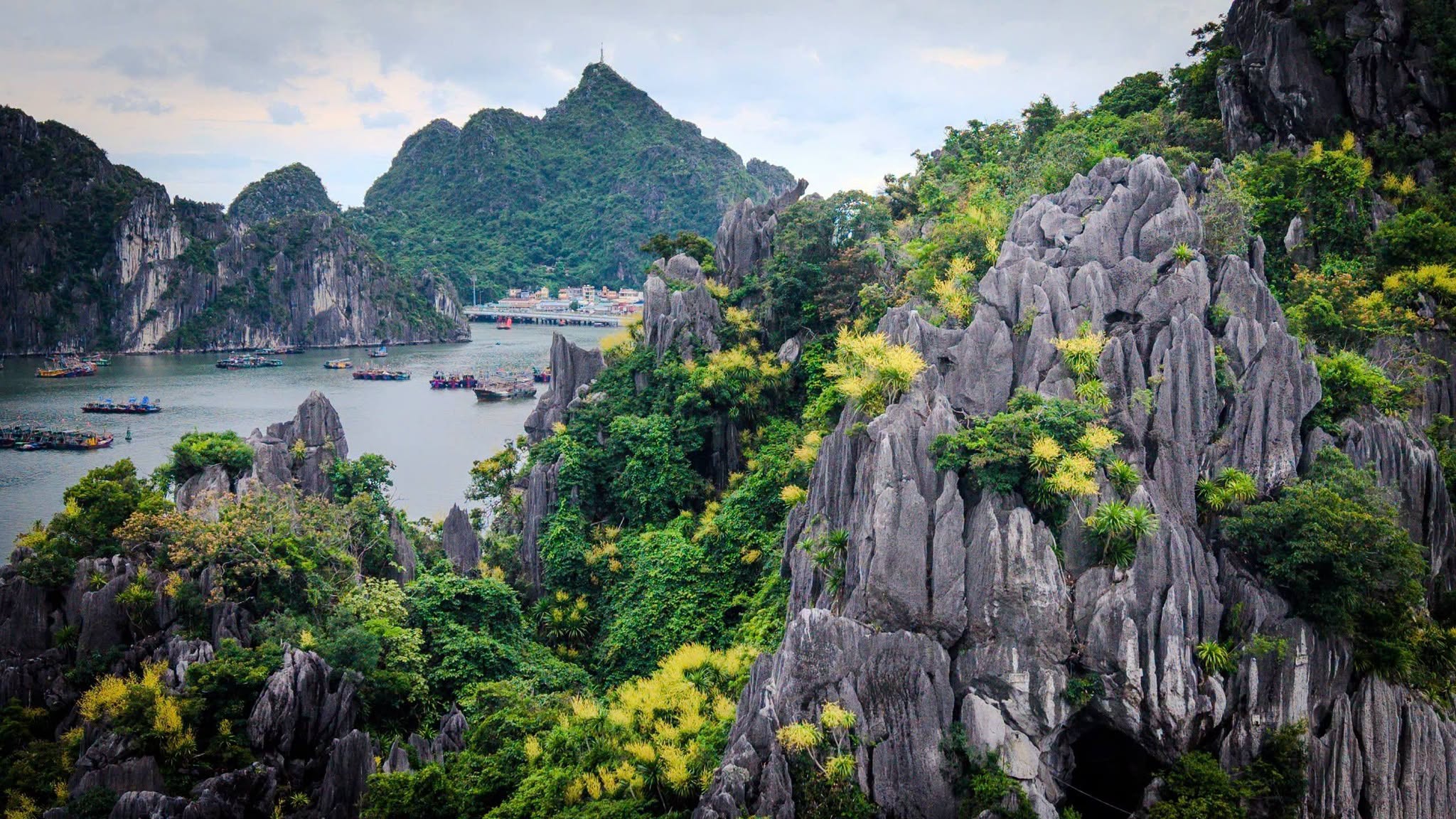
Northern Vietnam is known for its mountainous landscapes, historic cities, traditional villages, and cultural heritage.
Popular destinations include Hanoi, Ninh Binh, Ha Long Bay, Sa Pa, Ha Giang, and Cao Bang.
Travelers can enjoy cultural sightseeing, trekking, scenic boat trips, local cuisine, and experiences in rural communities.
Central Vietnam
Central Vietnam offers a combination of cultural heritage, beaches, traditional architecture, and coastal landscapes.
Hue, Da Nang, Hoi An, Quy Nhon, and Nha Trang are among the destinations worth exploring.
Visitors can combine historical attractions with beach holidays, regional cuisine, and outdoor activities.
Southern Vietnam
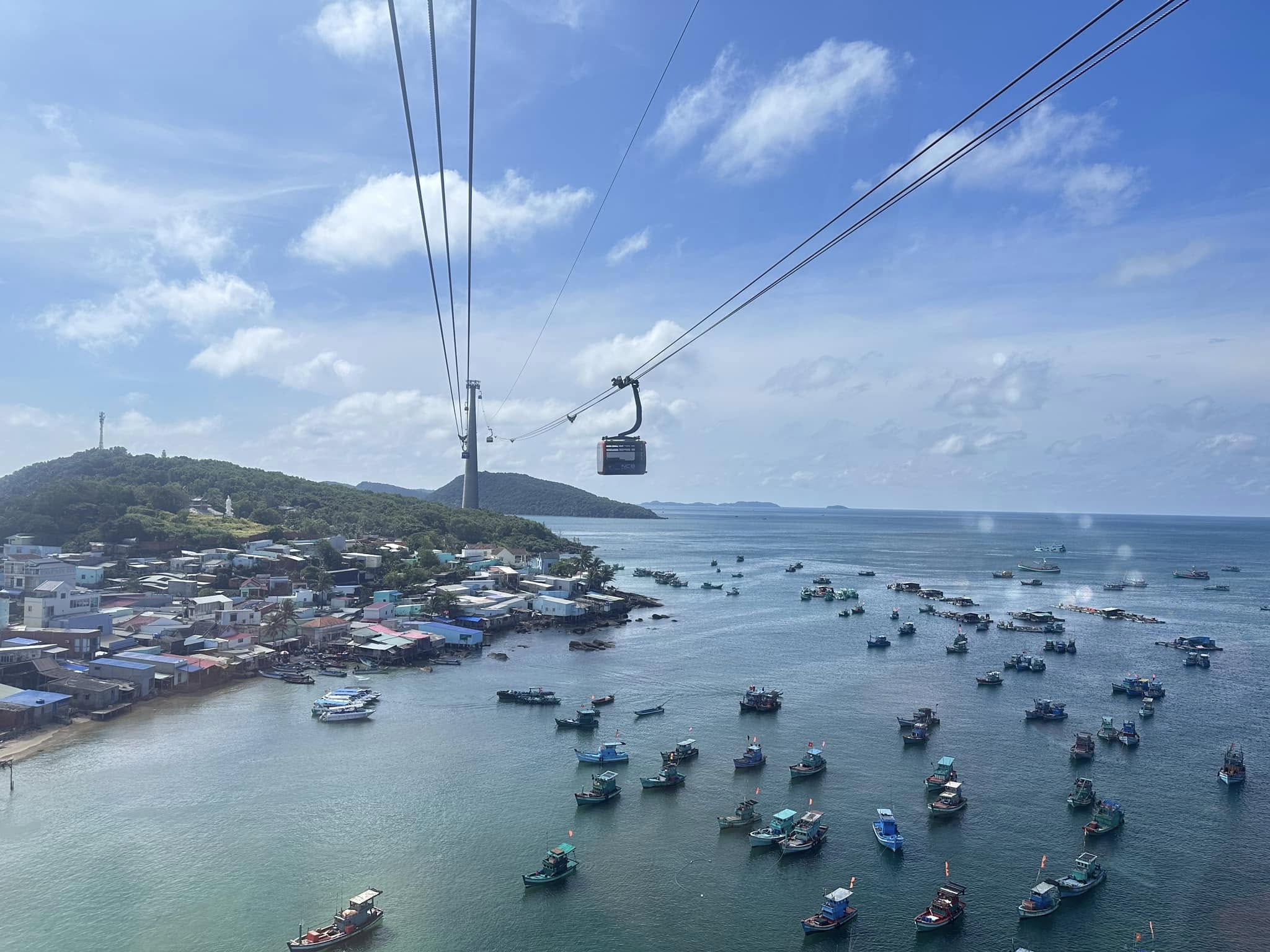
Southern Vietnam features lively urban centers, river landscapes, tropical islands, and diverse local experiences.
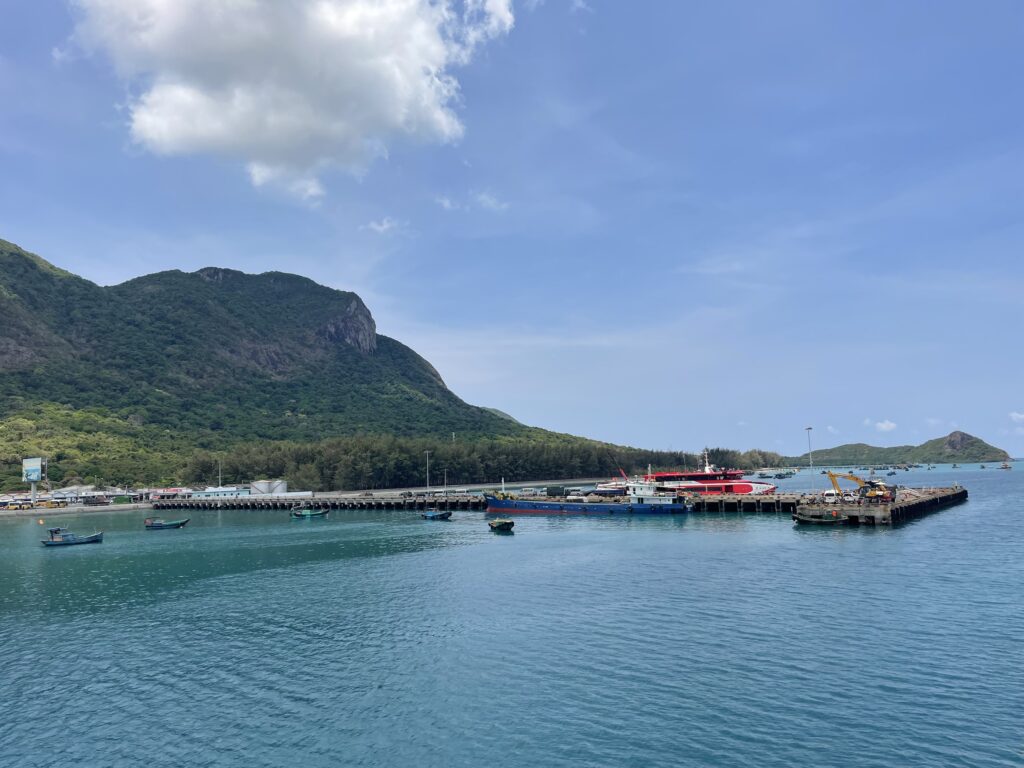
Ho Chi Minh City, the Mekong Delta, Vung Tau, Con Dao, and Phu Quoc are popular destinations.
Travelers can explore city attractions, discover local culture, experience river tourism, and enjoy island getaways.
2. Decide How Long to Stay in Vietnam
The duration of your trip will influence the number of destinations you can comfortably visit.
For a short trip of two or three days, it is generally better to focus on one destination or a nearby area.
With four to seven days, travelers can explore several attractions within the same region.
A journey of ten to fourteen days offers greater flexibility and may allow visitors to combine destinations across different parts of Vietnam.
Avoid planning too many destinations in a short period. A comfortable itinerary should include sufficient time for transportation, meals, rest, and unexpected delays.
3. Check the Weather Before Traveling
Vietnam has a diverse climate, with significant differences between regions, elevations, and seasons.
Northern Vietnam can experience cold winter conditions, especially in mountainous areas.
Parts of central Vietnam are affected by seasonal heavy rainfall and tropical storms.
Southern Vietnam generally has distinct wetter and drier periods.
Before finalizing an itinerary, research the typical weather conditions for each destination and check updated forecasts closer to departure.
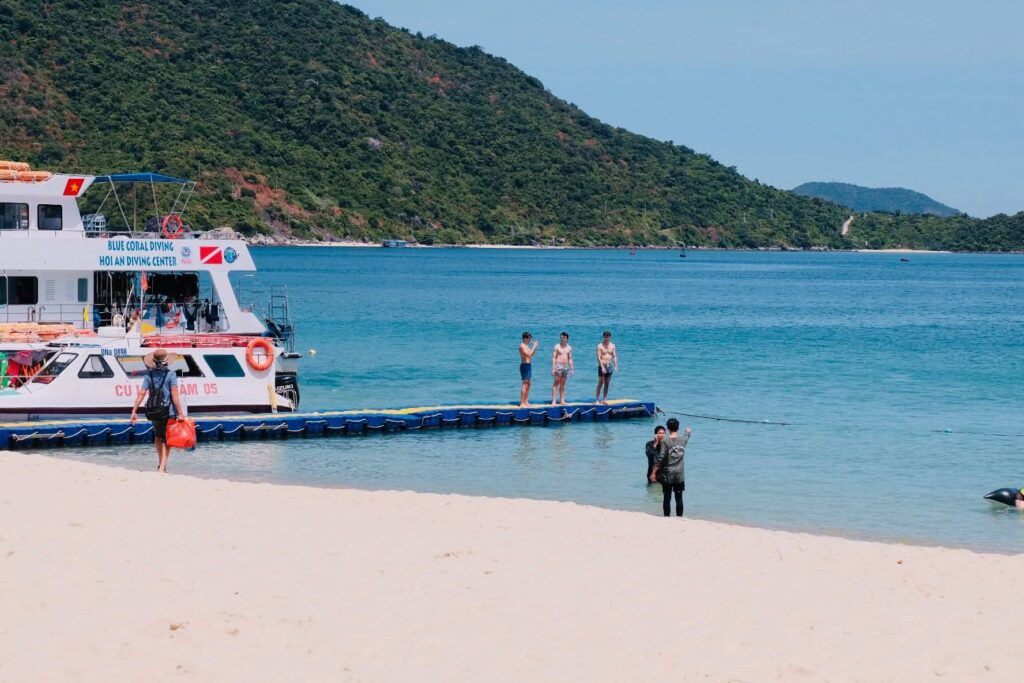
For island destinations, pay particular attention to wind, sea conditions, and passenger boat schedules.
The best travel season for one region may not be ideal for another.
4. Set a Realistic Travel Budget
Creating a travel budget helps visitors manage expenses and avoid unnecessary financial surprises.
Common travel expenses include:
- Flights, trains, buses, and other transportation.
- Local transfers and transportation within destinations.
- Hotels, homestays, or other accommodation.
- Meals and local food experiences.
- Entrance tickets and sightseeing activities.
- Travel insurance when appropriate.
- Shopping and personal expenses.
- Emergency or unexpected costs.
How to Estimate Your Travel Budget
A simple way to calculate your expected expenses is:
Total Travel Budget = Transportation + Accommodation + Food + Activities + Other Expenses + Contingency Fund
You can also divide your budget by destination or by travel day to monitor spending more effectively.
Setting aside an additional amount for unexpected expenses is advisable, particularly when traveling during busy seasons or visiting remote areas.
5. Book Transportation in Advance
Vietnam has several transportation options connecting major cities, regions, and tourist destinations.
Domestic Flights
Domestic flights are convenient for long-distance journeys and can help travelers save time.
Before booking, check the departure airport, arrival airport, baggage allowance, and ticket modification or cancellation conditions.
Trains
Train travel offers an opportunity to experience Vietnam’s countryside and coastal scenery.
Travelers should compare journey times, seating or sleeper options, and railway station locations.
Intercity Buses and Limousine Services
Buses and limousine services operate on many intercity routes.
Confirm the departure point, arrival location, travel time, and included services before booking.
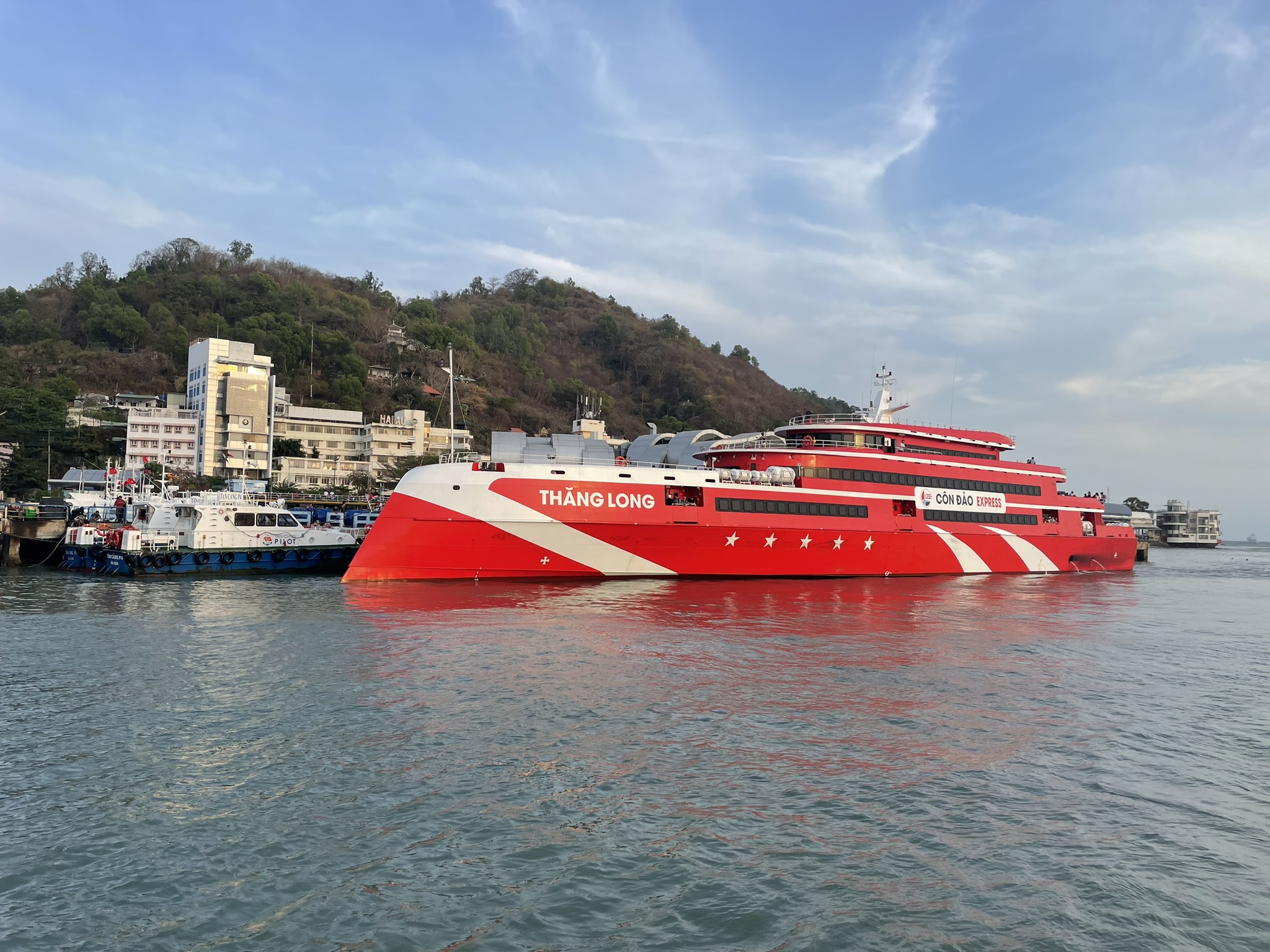
Ferries and Passenger Boats
For island destinations, ferries and passenger boats may be essential transportation options.
Schedules can change due to weather conditions, sea conditions, and operational requirements.
Travelers should verify departure information before their journey and consider alternative arrangements if disruptions occur.
6. Choose Suitable Accommodation
Vietnam offers a wide range of accommodation, including hotels, resorts, guesthouses, homestays, and serviced apartments.
When choosing where to stay, consider location, price, facilities, check-in policies, and access to nearby attractions.
The cheapest accommodation is not always the most economical choice.
A centrally located hotel or guesthouse may reduce transportation costs and make sightseeing more convenient.
Before confirming a reservation, review cancellation conditions, verify property information, and read detailed guest reviews.
7. Build a Practical Travel Itinerary
A well-organized itinerary should group nearby attractions together rather than simply combining a long list of popular places.
This approach helps reduce unnecessary transportation and allows more time to enjoy each destination.
For example, when exploring a city, you can visit museums, historical landmarks, and local restaurants within the same neighborhood.
Outdoor activities should be scheduled according to suitable weather conditions whenever possible.
It is also useful to leave some free time for rest, unexpected discoveries, or itinerary adjustments.
Suggested Daily Schedule
Morning: Visit major attractions or enjoy outdoor activities.
Midday: Have lunch, rest, and travel short distances.
Afternoon: Explore cultural sites, natural attractions, or local experiences.
Evening: Discover local cuisine, visit markets, or relax.
This is only a general example and should be adapted to the destination and travel conditions.
8. Prepare Travel Documents and Packing Essentials
Before departure, check that you have the documents required for your chosen transportation and accommodation services.
International visitors should verify passport validity, visa requirements, and applicable entry conditions.
Useful travel essentials include:
- Passport and other required identification documents.
- Flight, transportation, and accommodation confirmations.
- Clothing suitable for the expected weather.
- Comfortable walking shoes.
- Personal medication and basic healthcare items.
- Sunscreen, rain protection, and insect repellent.
- Smartphone, charger, and permitted power bank.
- Cash and alternative payment methods.
- Digital copies of important travel documents.
Travelers visiting mountains, islands, or remote destinations may need additional equipment depending on their activities.
9. Use Maps and Travel Applications
Smartphones can make independent travel significantly easier.
Navigation applications help travelers find routes, estimate distances, and locate attractions.
Ride-hailing, translation, accommodation booking, and weather applications can also support daily travel arrangements.
International visitors may consider purchasing a local SIM card or activating a compatible eSIM to maintain mobile internet access.
Download offline maps and save accommodation addresses before traveling to areas with limited connectivity.
10. Discover Local Food and Culture
One of the greatest advantages of independent travel is the opportunity to experience everyday local life.
Visitors can explore traditional markets, try regional specialties, discover craft villages, and participate in suitable cultural activities.
However, travelers should respect local customs, follow regulations at heritage sites, and dress appropriately when visiting religious locations.
When shopping or using local services, confirm prices in advance to avoid misunderstandings.
Responsible travel practices help protect the environment and respect the communities that welcome visitors.
11. Stay Safe Throughout Your Journey
Independent travelers should take responsibility for their schedules, belongings, and personal safety.
Keep the contact details of your accommodation, transportation providers, and trusted emergency contacts accessible.
Emergency Numbers in Vietnam
| Service | Phone Number |
|---|---|
| Police | 113 |
| Fire and Rescue | 114 |
| Ambulance | 115 |
When traveling by motorcycle or car, follow local traffic regulations and use appropriate safety equipment.
Check weather forecasts regularly and avoid outdoor activities during official warnings of dangerous conditions.
Do not enter restricted areas or locations where access is prohibited.
Travel insurance is worth considering, particularly for longer journeys and outdoor adventures.
12. Common Mistakes to Avoid When Traveling Independently
Planning Too Many Activities
Trying to visit too many places can make a trip exhausting and increase transportation costs.
Ignoring Weather Conditions
Heavy rain, tropical storms, rough seas, and fog may disrupt travel plans.
Choosing Services Based Only on Price
A low-priced service may involve inconvenient locations, limited facilities, or additional charges.
Leaving Insufficient Time Between Connections
Tight connections can increase the risk of missing flights, trains, or other transportation.
Failing to Save Important Information
Keep digital and offline copies of bookings, accommodation addresses, transportation tickets, and emergency contact details.
13. Suggested Independent Vietnam Itineraries
3 Days and 2 Nights
A short journey is best focused on one destination, such as Da Lat, Phu Quoc, Con Dao, Vung Tau, or Ninh Binh, depending on your starting point and transportation options.
5 Days and 4 Nights
Travelers may combine nearby destinations such as Da Nang, Hoi An, and Hue, or Hanoi, Ninh Binh, and Ha Long Bay.
7 Days and 6 Nights
A one-week trip provides time to explore a larger region, combining sightseeing, relaxation, and cultural experiences.
10 to 14 Days
Longer journeys allow visitors to explore several regions or plan a north-to-south Vietnam itinerary using a combination of flights, trains, and road transportation.
Frequently Asked Questions About Independent Travel in Vietnam
Is independent travel cheaper than a package tour?
Not always. Costs depend on group size, destinations, travel dates, and selected services. Independent travel offers flexibility, while package tours may provide convenience and competitive pricing for certain itineraries.
How far in advance should I book transportation and accommodation?
Booking times depend on the travel season and availability. During holidays and peak periods, reserving services earlier generally provides more options.
Which destinations are suitable for first-time independent travelers?
Destinations with convenient transportation, varied accommodation, and accessible visitor information are often easier for first-time travelers to explore.
Should I purchase travel insurance?
Travel insurance is recommended for international journeys, extended trips, and activities involving additional risks.
How can I avoid unexpected travel expenses?
Prepare a realistic budget, review booking conditions, confirm service prices, allow sufficient travel time, and maintain a contingency fund.
Explore Vietnam Your Way with Travelin.vn
Independent travel allows visitors to discover Vietnam according to their own interests and preferred pace.
However, a rewarding journey begins with good preparation, including destination research, transportation arrangements, accommodation choices, budgeting, and safety planning.
By creating a practical itinerary, choosing reliable services, and making time for meaningful local experiences, travelers can enjoy a more comfortable and memorable journey.
Travelin.vn – Travel in Vietnam provides destination information, travel guides, and practical online tools to help visitors plan their trips and explore Vietnam with confidence.
Disclaimer: This article is intended for general travel information only. Transportation schedules, service prices, weather conditions, and destination regulations may change. Travelers should verify current information with relevant service providers and official authorities before departure.