Located approximately 220 km from Hanoi, Ta Phinh Lake in Tan Yen Commune, Son La Province, is a remarkable seasonal landscape that appears most vividly during the rainy season. What is normally a broad valley used for growing rice and corn can temporarily transform into a large body of water winding through the mountains of Vietnam’s Northwest.
Ta Phinh is not a conventional year-round lake. Its most distinctive feature is the way its landscape changes with the seasons. During the dry season, the area returns to agricultural land. After periods of heavy rain, water flows down from the surrounding areas and fills the low-lying valley, creating interconnected stretches of water between the hills.
This unusual transformation has led local people to affectionately call it “Ta Phinh Bay” or the “bay in the mountains.”
From Farmland to a “Bay in the Mountains”
Ta Phinh was originally a broad, low-lying area covering hundreds of hectares. The valley was divided into two large sections where local residents traditionally cultivated rice and corn.
During the dry season, the landscape reflects the agricultural life of the community, with fields and farmland stretching through the valley.
When the rainy season arrives, the scenery changes dramatically.
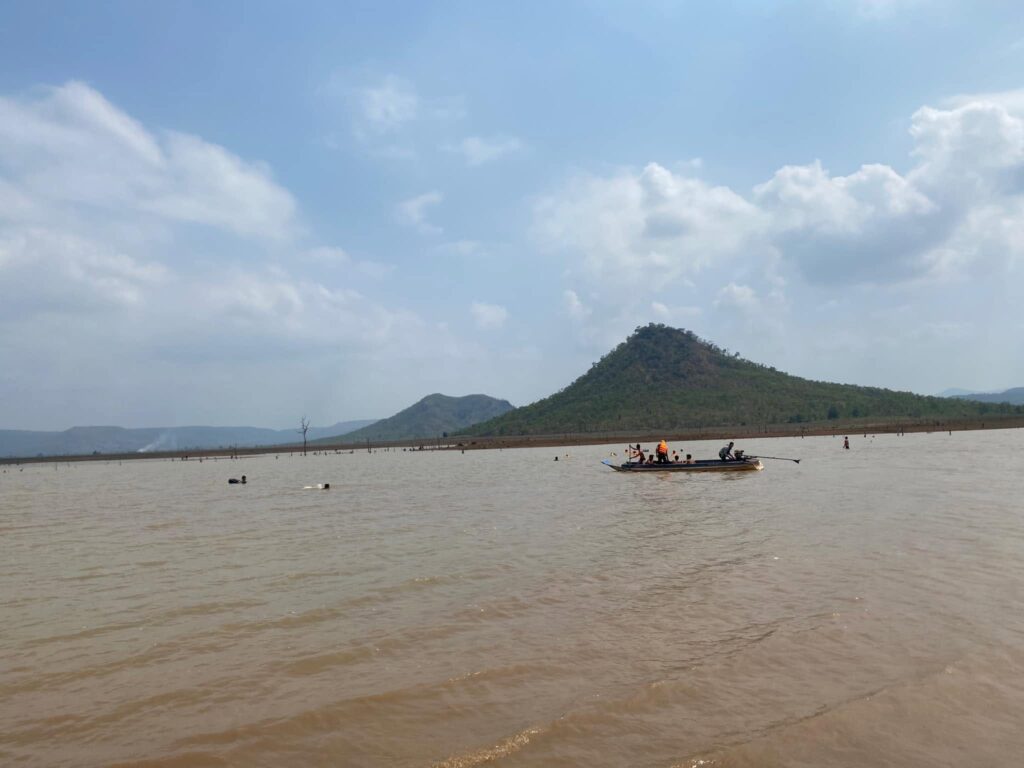
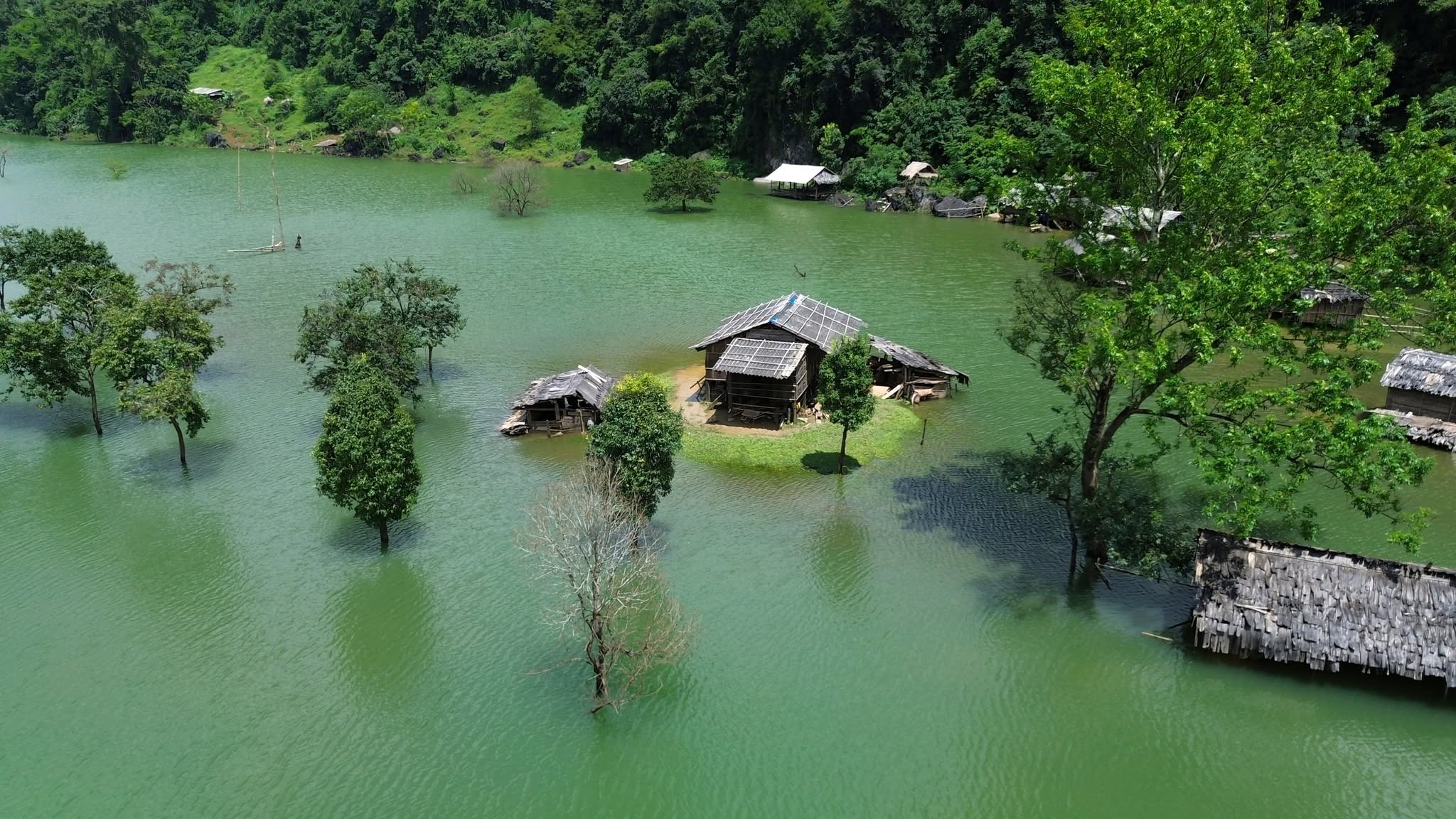
Water from surrounding areas flows into the low-lying land, creating broad stretches of water that wind between hills and mountains. The clear surface ripples gently, reflecting the surrounding landscape and creating a peaceful and poetic setting.
When Ta Phinh becomes flooded, local residents began referring to the seasonal landscape as “Ta Phinh Bay” or the “mountain bay.”
A Seasonal Lake in the Northwest Mountains
The most distinctive characteristic of Ta Phinh is its seasonal nature.
According to the information provided about the destination, the flooding usually occurs after periods of heavy rain, generally between August and November. However, the water does not remain throughout the entire period.
Each rise in water levels typically lasts around 7 to 10 days, after which the water gradually recedes and the landscape returns to its previous state.
Since around 2018, heavier rainfall between mid-summer and late autumn has periodically transformed the rice and corn-growing valleys into expansive flooded basins.
During these periods, Ta Phinh takes on a remarkably tranquil appearance, with broad stretches of water surrounded by mountains and hills. The scenery has led some visitors to describe it as a “miniature Trang An in Moc Chau.”
Boating on Ta Phinh Lake
When Ta Phinh enters its seasonal flooding period, some local households have begun taking advantage of the landscape to develop small-scale tourism experiences.
Existing shelters and former agricultural structures around the water are sometimes adapted for visitors, while some households have invested in boats to offer sightseeing experiences.
When the seasonal lake is present, visitors can:
- Take a boat ride across the seasonal lake
- Admire the surrounding mountains and valleys from the water
- Photograph the Northwest mountain landscape
- Enjoy the peaceful natural surroundings
- Learn about local daily life
- Discover the culture of the Hmong people
- Taste traditional Hmong specialties
The attraction is not simply the boat ride itself. What makes Ta Phinh particularly interesting is the transformation of the landscape. Land that may be used for rice and corn cultivation during the dry season can become a broad body of water surrounded by mountains after the rains arrive.
When Is the Best Time to Visit Ta Phinh Lake?
Visitors hoping to experience Ta Phinh during its flooded period should check the weather forecast or contact local residents before traveling.
Because the lake is seasonal, there is no guarantee that broad stretches of water will be present throughout the August-to-November period. The actual timing depends on rainfall and local conditions.
Each flooding period may last only 7 to 10 days, making it important to check the situation before setting out.
For outdoor activities and photography, early morning or late afternoon can be particularly pleasant. Temperatures are generally more comfortable, the sunlight is less intense and the water and surrounding mountains can create striking photographic scenes.
Ta Phinh and Hmong Community Life
Ta Phinh is not only a seasonal natural attraction. It is also closely connected with the daily life of the local community.
When the water recedes, the valley returns to its familiar agricultural rhythm. Rice, corn and cultivated land reflect the long-standing relationship between local residents and the valley landscape.
As tourism has developed, local households have begun turning the seasonal landscape into small-scale visitor experiences. Travelers can therefore combine a boat trip with opportunities to discover local life, Hmong culture and traditional cuisine.
This connection between nature and community life gives Ta Phinh a character that differs from destinations focused solely on scenery. Here, the landscape and agricultural life form a picture that changes throughout the year.
A New Experience in the Moc Chau Travel Landscape
Moc Chau is widely associated with seasonal flowers, tea hills, green agricultural landscapes and the distinctive scenery of Vietnam’s highlands. Ta Phinh offers something different: a journey across the water surrounded by the mountains of the Northwest.
When the rainy season creates a vast basin of water, the surrounding hills and winding surface make Ta Phinh a landscape with a character of its own.
The attraction is therefore not only the image of a “mountain bay,” but also the story of a landscape that changes with the seasons, transforming from rice fields and corn-growing land into a temporary lake before returning to agricultural life.
Ta Phinh Lake is a distinctive addition to the tourism landscape of Moc Chau and Son La, particularly for travelers seeking an unusual natural experience that remains closely connected to local communities and the everyday life of Vietnam’s Northwest highlands.