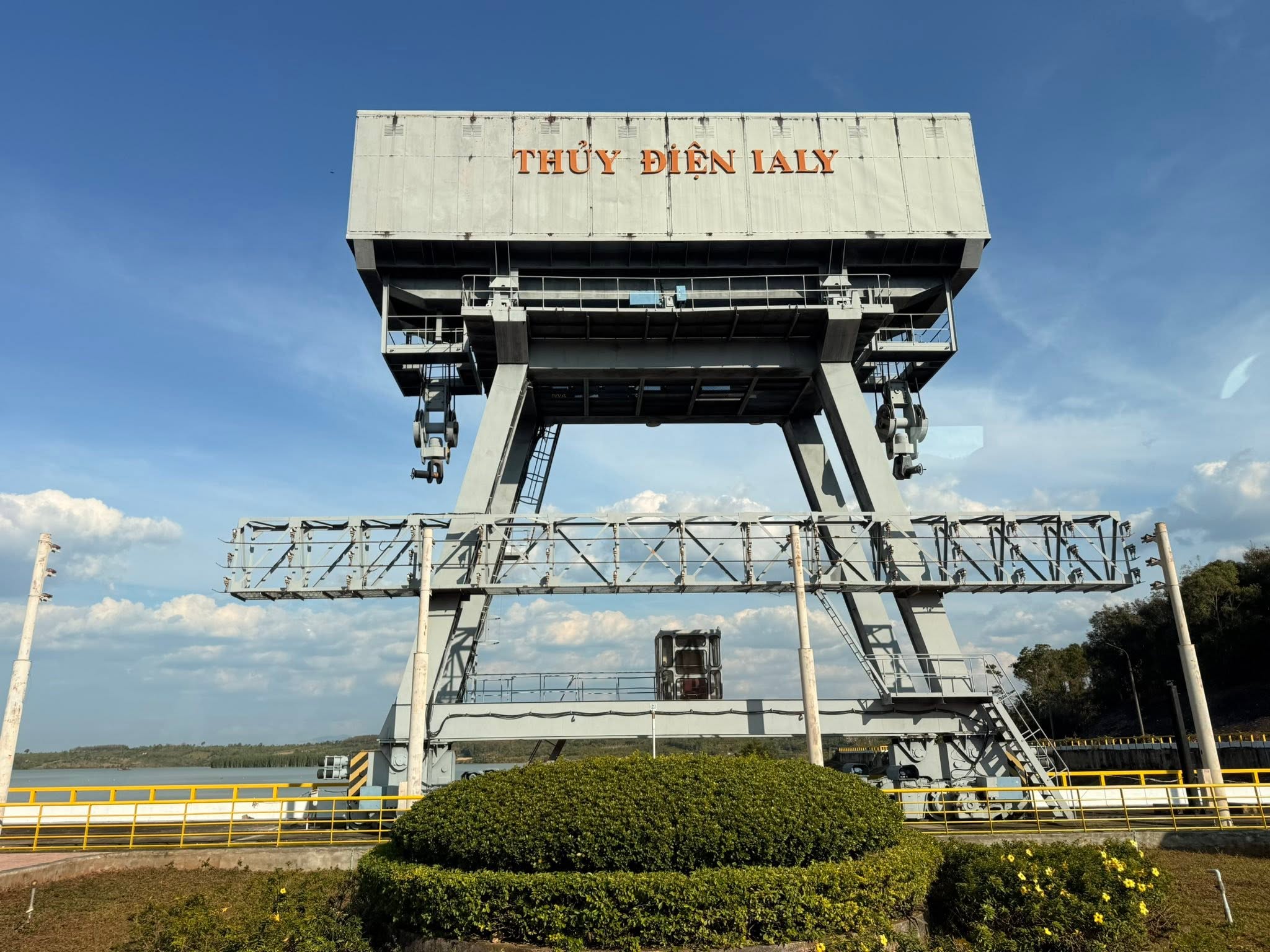
Amid the mountains and forests of Vietnam’s Central Highlands, on the Sê San River, Ialy Hydropower Plant is one of the major hydropower projects developed to harness the region’s abundant water resources. The plant not only plays an important role in the national power system but has also created a vast reservoir, forming a distinctive landscape between the mountains of Gia Lai and Kon Tum.
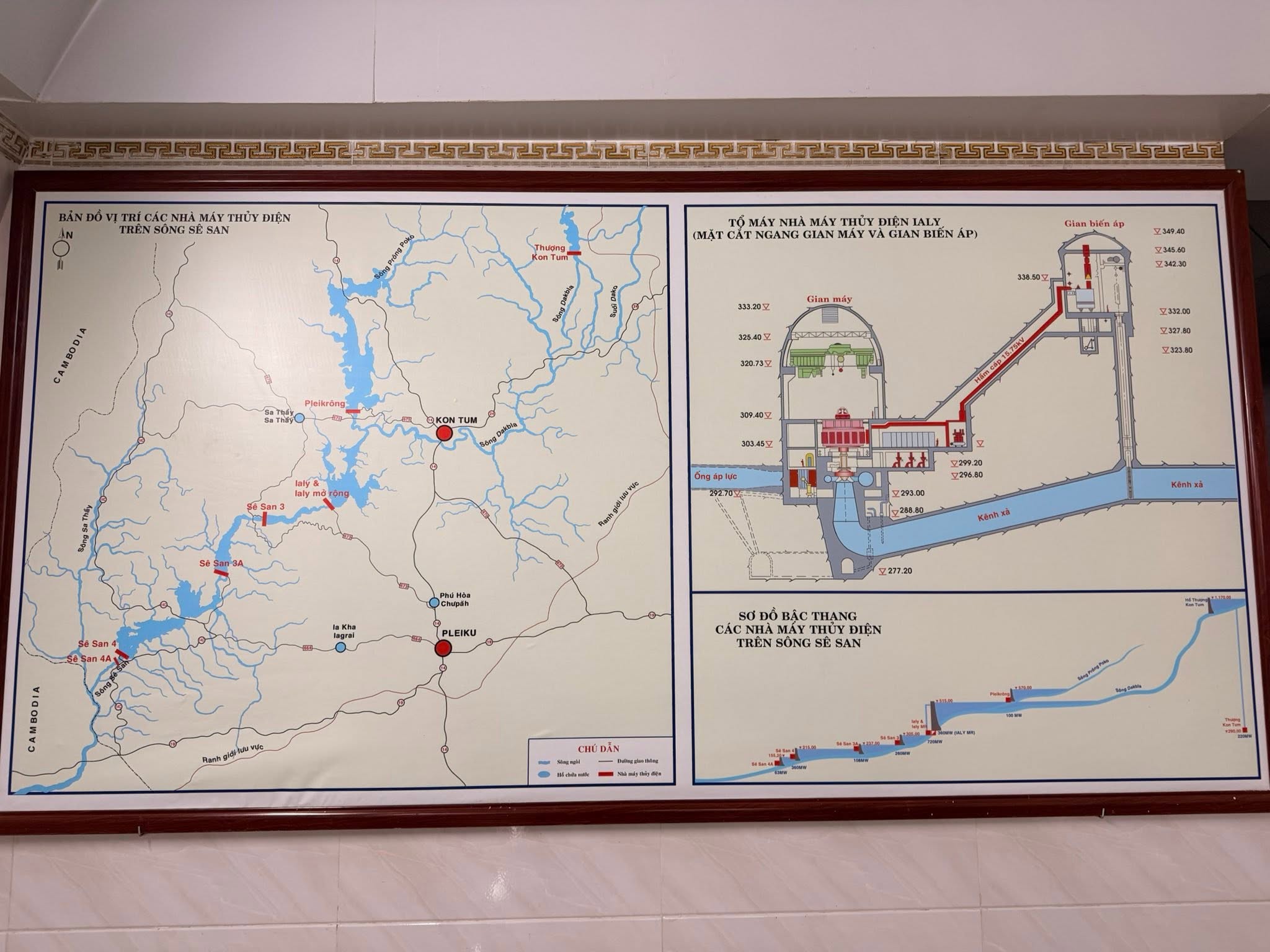
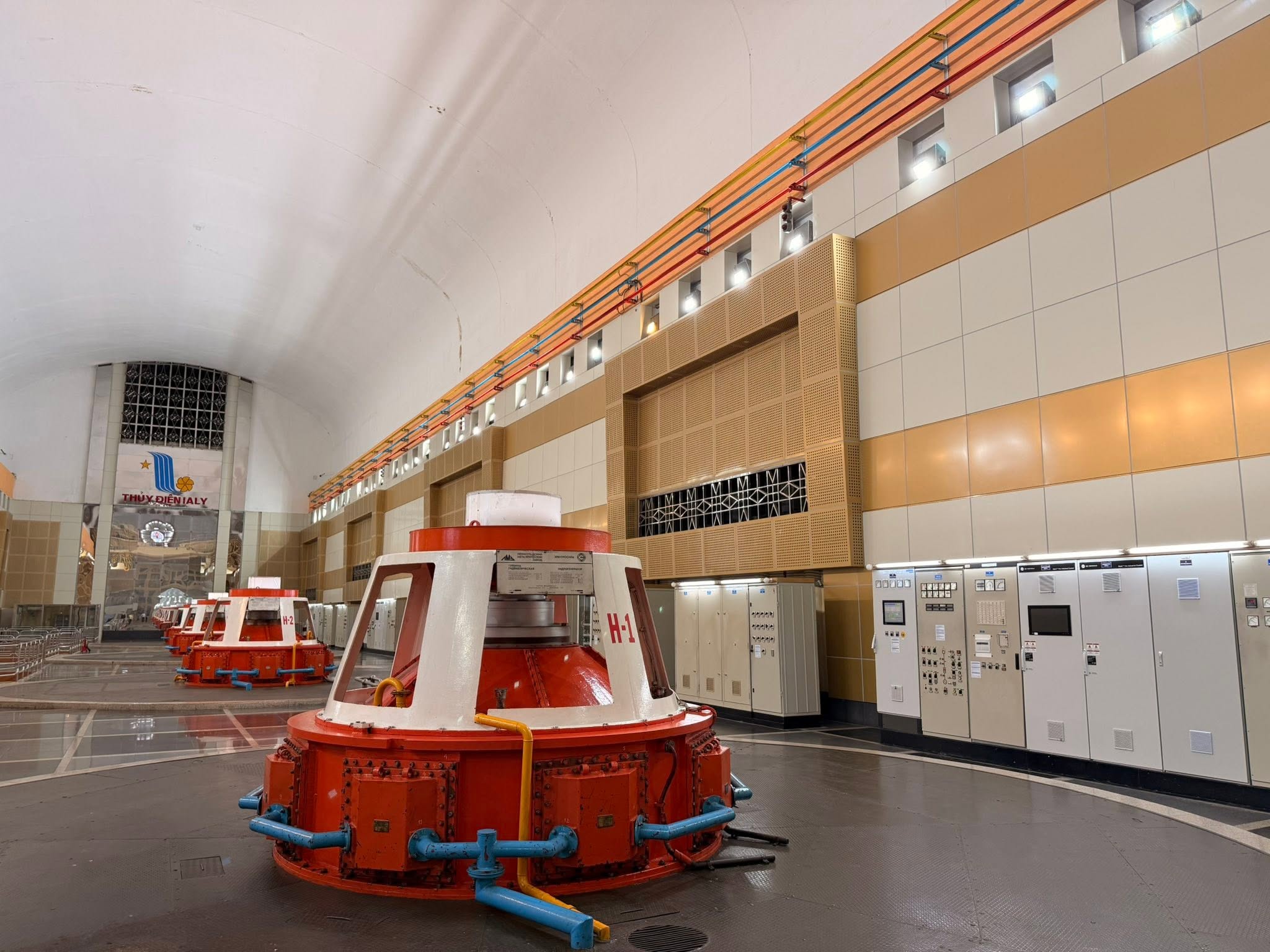
Construction of Ialy Hydropower Plant began in 1993 and was completed and inaugurated in 2003. The plant initially consisted of four generating units with a total installed capacity of 720 MW and an average annual electricity output of approximately 3.68 billion kWh. Most of the plant’s major components were built underground inside the mountains, creating a remarkable engineering complex amid the Central Highlands landscape.
The surrounding area also features Ialy Reservoir, covering approximately 64.5 km², with a total capacity of more than 1 billion cubic meters. Surrounded by mountains and forests, the reservoir has become an important part of the landscape and offers another perspective on exploring the Sê San River and the Central Highlands.
A Hydropower Project on the Sê San River
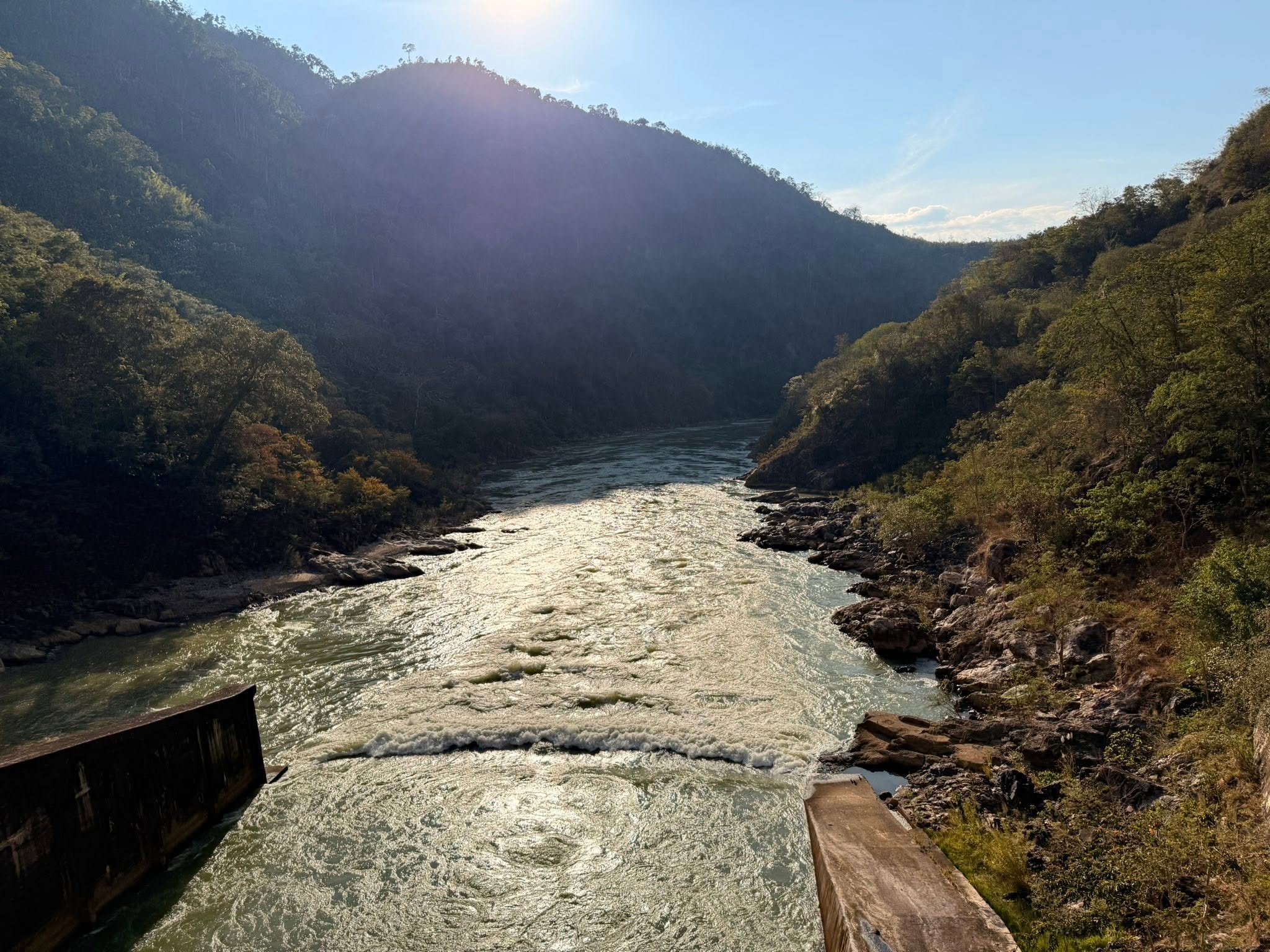
The Sê San is one of the major rivers of the Central Highlands, flowing through the areas of Gia Lai and Kon Tum before joining the Mekong River system. A series of hydropower projects has been developed along the river, with Ialy being one of the largest.
According to the technical documents, Ialy is the third hydropower cascade on the Sê San River. The main project facilities are located in the Ialy area, northwest of Pleiku, while much of the reservoir extends toward Sa Thầy. From Pleiku, the route to the project follows National Highway 14 before connecting to local roads leading to the plant.
Construction officially began on November 4, 1993. The first generating unit began producing electricity on May 12, 2000, while the final unit was connected to the national grid on December 12, 2001. The entire project was officially inaugurated on April 27, 2003.
The plant’s four generating units each have a capacity of 180 MW, giving the original facility a total installed capacity of 720 MW. Its average annual electricity output is approximately 3.68 billion kWh, contributing to the national power system and supporting socio-economic development.
Ialy Reservoir Amid the Central Highlands
One of the most visible features created by the project is Ialy Reservoir. The construction of the dam transformed the landscape, creating a vast body of water surrounded by mountains and forests.
According to the technical specifications, the reservoir has a normal water surface area of approximately 64.5 km², with a total storage capacity of about 1.037 billion cubic meters. Its catchment area covers approximately 7,455 km².
Before the hydropower project was built, the area was known for the spectacular Ialy Waterfall, a natural landmark on the Sê San River. According to the source material, the waterfall was approximately 40 meters high. After the hydropower project was developed, the flow was regulated and the large reservoir was formed, creating a new landscape for the region.
The reservoir stretches between mountain ranges and forests, creating a landscape that is both expansive and tranquil. This has also given Ialy Reservoir potential for sightseeing and ecological experiences along the Sê San River.
The Underground Powerhouse
One of the most distinctive features of Ialy Hydropower Plant is its underground powerhouse. According to the technical documents, the water conveyance tunnel from the reservoir to the powerhouse is approximately 7,582 meters long, before branching into four tunnels leading to the four generating units located inside the mountain.
The plant therefore differs from the familiar image of a hydropower facility with a large powerhouse standing above ground. According to the source material, visitors can reach the underground powerhouse through a tunnel system approximately 600 meters long, leading into the large underground spaces where the generating units are installed.
Inside the mountain lies a large-scale system of technical equipment. The four generating units and their supporting systems are arranged within the underground complex, creating a remarkable engineering space.
This is also one of the aspects that makes Ialy particularly interesting to visitors interested in hydropower and engineering. From the outside, the landscape is dominated by the mountains and forests of the Central Highlands, while beneath the mountain slopes lies a network of tunnels, water passages and a large underground powerhouse.
The Numbers Behind Ialy’s Scale
Building a project on the scale of Ialy required a complex system of major structures to be developed across challenging terrain.
The main dam is a rock-fill dam with a clay core, with a maximum height of approximately 71 meters and a crest length of about 1,142 meters. The gated spillway has six radial gates, each 15 meters wide.
The reservoir has a normal water level of 515 meters above the reference elevation and a dead water level of 490 meters. Its dead storage is approximately 258.07 million cubic meters, while its useful storage is approximately 779.02 million cubic meters.
These figures demonstrate that Ialy is much more than a power station. It is an integrated engineering system consisting of a reservoir, dam, spillway, water conveyance tunnels and an underground powerhouse.
From an Energy Project to a Travel Experience
Alongside its industrial and engineering significance, Ialy Reservoir has created a vast landscape amid the Central Highlands. The lake, river branches, mountains and forests form a distinctive highland scenery.
The source material also highlights the experience of travelling along the Sê San River, taking in the scenery of the river, mountains and sky from the water. This offers another way to experience the Central Highlands, not only through its red-earth roads, forests, mountains and villages, but also through the expansive water landscape created by the hydropower system.
As part of a journey through northwestern Gia Lai, Ialy Hydropower Plant can be connected with nearby natural and cultural attractions to create a travel route along the Sê San River. The value of such a journey lies not only in the scenery, but also in the story of how people studied, designed, constructed and operated a major engineering project in the heart of the Central Highlands.
From Ialy to the Hydropower Cascade on the Sê San River
Ialy is not an isolated project but part of a broader hydropower system on the Sê San River basin. After Ialy, several other hydropower plants were developed along the river, creating a network of reservoirs and power stations that contribute to water regulation and electricity generation.
In 2007, Ialy Hydropower Plant was reorganized into Ialy Hydropower Company, which, according to the source material, managed and operated Ialy, Sê San 3 and Pleikrông hydropower plants, with a combined capacity of 1,080 MW.
The reservoirs throughout the Sê San basin are also operated under interconnected reservoir management procedures to meet electricity generation and water regulation requirements while ensuring the safety of the facilities during the flood season. The source material records a series of Prime Ministerial decisions governing interconnected reservoir operations in the Sê San basin, which have been updated over different periods.
From a geographical and engineering perspective, this system demonstrates the important role that the Sê San River has played in the development of the Central Highlands’ energy infrastructure.
The Legacy of a Major Project Amid the Highlands
Ialy Hydropower Plant brings together several layers of value: an energy facility, a major engineering achievement, a reservoir landscape and the natural setting of the Sê San River.
From its construction in 1993 to its completion in 2003, the project took nearly a decade to build. The mountain tunnels, underground powerhouse, dam and reservoir together form a remarkable engineering landmark within the Central Highlands landscape.
Today, alongside its role in electricity generation, Ialy Reservoir and the surrounding area offer another way to explore Gia Lai: discovering major infrastructure amid nature, learning about hydropower engineering and experiencing the scenery of the Sê San River.
Standing beside Ialy Reservoir, visitors can encounter another side of the Central Highlands. Beyond forests, mountains, waterfalls and traditional villages, the region also contains large-scale engineering works built deep inside the mountains, helping shape the economic development and landscape of this highland region.
Basic Information
| Item | Information |
|---|---|
| Project name | Ialy Hydropower Plant |
| Alternative name in some sources | Yaly Hydropower Plant |
| River | Sê San River |
| Location | Gia Lai and Kon Tum, according to the project documents |
| Construction started | November 4, 1993 |
| Inaugurated | April 27, 2003 |
| Original number of generating units | 4 units |
| Installed capacity | 720 MW |
| Average annual electricity output | Approximately 3.68 billion kWh |
| Reservoir surface area | Approximately 64.5 km² |
| Reservoir capacity | Approximately 1.037 billion m³ |
| Distinctive feature | Underground powerhouse with generating units inside the mountain |
| Water conveyance tunnel | Approximately 7,582 m |
| Travel value | Ialy Reservoir, Sê San River, hydropower infrastructure and engineering experiences |