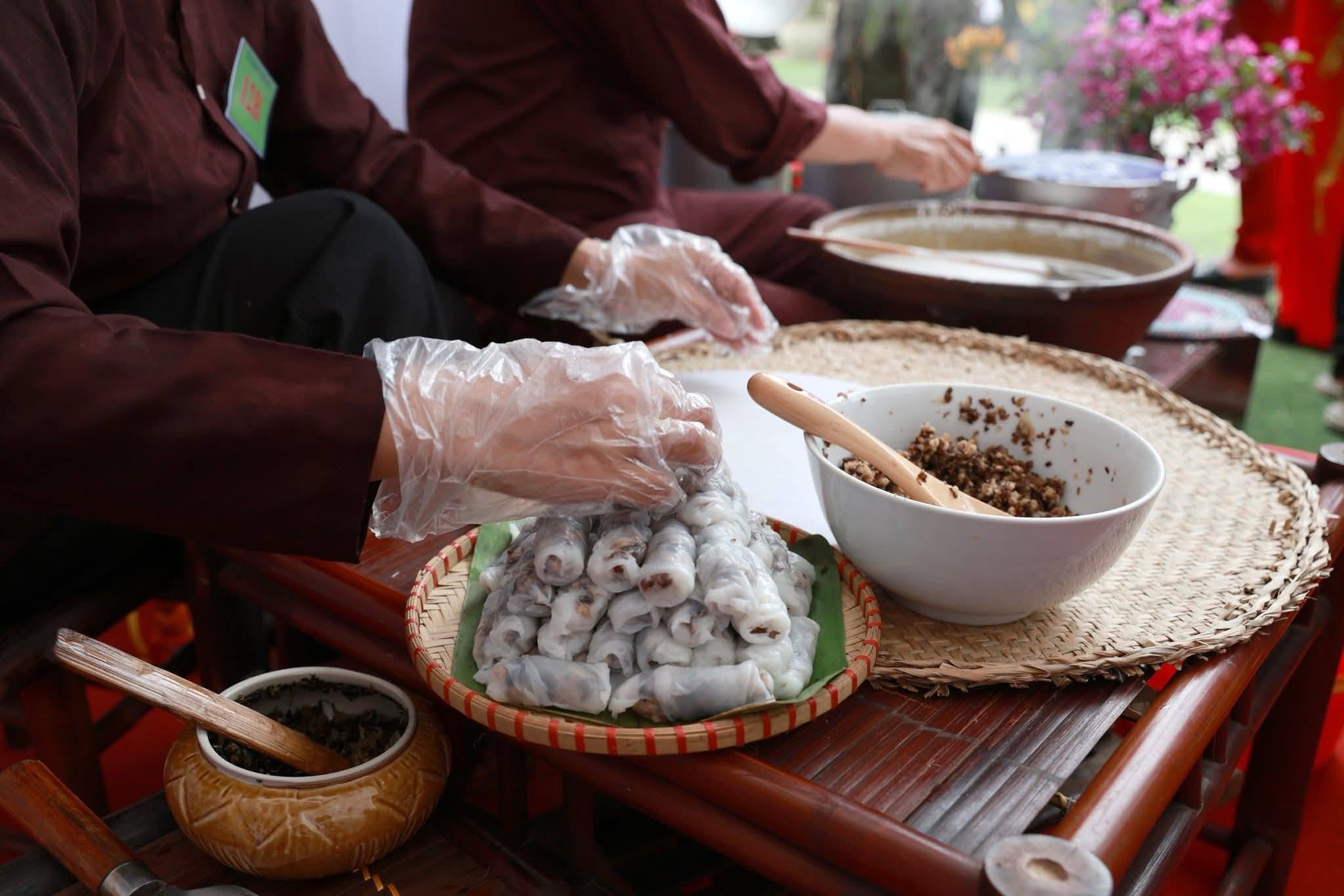
The traditional craft of making Thanh Trì bánh cuốn, now associated with Vĩnh Hưng Ward, Hà Nội, is closely connected with the historic suburban area of Thanh Trì, an ancient settlement southeast of Thăng Long. The area has long been known not only for its landscape but also for its delicate bánh cuốn, a traditional Vietnamese steamed rice roll that entered local folk verse:
“Thanh Trì has delicious bánh cuốn,
With Ngũ Nhạc Hill and the Red River.”
From earlier times, the people of Thanh Trì primarily made their living through agriculture. Bánh cuốn making developed as a traditional supplementary occupation, particularly during periods when agricultural work was less demanding. Over generations, local families accumulated extensive knowledge about selecting rice, preparing and grinding flour, steaming and rolling the cakes, preparing dipping sauce, and preserving the finished product.
Today, the craft is not simply a means of livelihood. It is also part of the cultural memory of the Thăng Long-Hà Nội region, reflecting the skill, care, refinement, and adaptability of the local community.
From an Agricultural Side Occupation to a Hanoi Culinary Tradition
Historically, Thanh Trì was an agricultural community. Rice cultivation provided both the main livelihood and the essential raw material for bánh cuốn.
The area’s location near the Tô Lịch River and its fertile land created favorable conditions for wet-rice cultivation. Non-glutinous rice was therefore readily available. According to traditional knowledge, varieties such as Khang Dân and tám thơm were suitable for making bánh cuốn.
Combined with clean, cool water from village wells, these ingredients produced thin, soft, translucent rice sheets with the natural fragrance of freshly prepared rice.
The development of transportation also helped connect the craft with the urban life of Hanoi. Vendors carried bánh cuốn from the village into the city, selling it through streets and narrow lanes and gradually making Thanh Trì bánh cuốn part of Hanoi’s familiar culinary landscape.
The Art of Steaming Bánh Cuốn
Making bánh cuốn is a traditional craft that requires considerable skill and experience. Each stage, from selecting and soaking rice to grinding the flour, preparing the steaming pot, stretching the cloth, steaming the rice sheets, and rolling them, requires careful attention.
The batter is spread by hand over a tightly stretched cloth placed across the mouth of a steaming pot. The artisan must control the consistency of the batter and the temperature of the steam so that the sheet is thin enough without becoming too fragile.
Once cooked, the rice sheet is carefully lifted from the cloth using a bamboo stick. It must be removed without tearing, allowed to cool naturally, and retain enough elasticity after cooling.
This process requires patience, precision, and highly practiced hand movements. Traditionally, women played an important role in the craft because bánh cuốn could be made at home and fitted around other household and agricultural responsibilities, providing additional income without requiring significant capital investment.
The essence of Thanh Trì bánh cuốn lies in these apparently simple sheets. They should be thin, soft, and translucent, neither too thick nor too fragile, and capable of retaining their characteristic texture after cooling.
The Distinctive Flavor of Thanh Trì Bánh Cuốn
Traditional Thanh Trì bánh cuốn is usually served without a filling, although some versions contain a simple filling of minced meat and wood ear mushrooms. The rice rolls are commonly accompanied by chả quế cinnamon pork sausage, fried shallots, and a lightly diluted sweet-and-sour fish sauce.
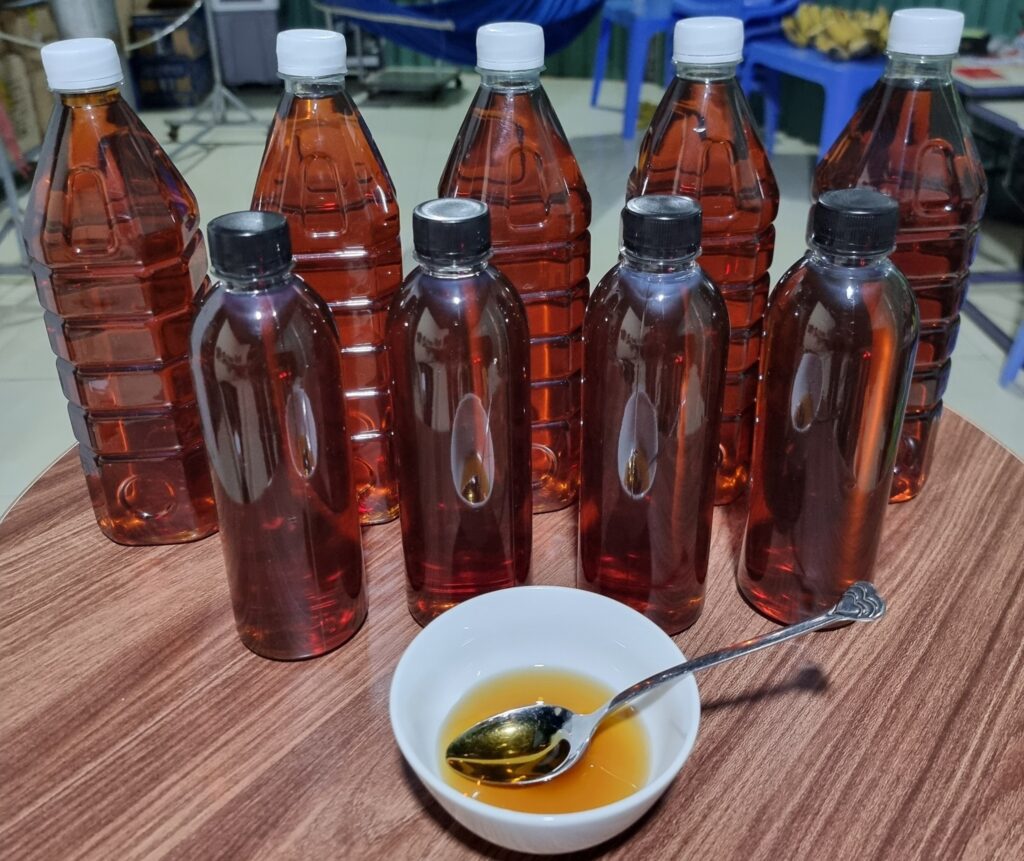
The dipping sauce plays an especially important role in defining the overall flavor. It is traditionally prepared in a style associated with Hanoi cuisine, with a light yet savory taste that avoids excessive sharpness.
In the past, some families used cà cuống, a traditional aromatic ingredient, to add a distinctive fragrance to the dipping sauce. This practice represents one of the refined characteristics of historic Hanoi cuisine.
The soft rice rolls, savory fish sauce, fragrant fried shallots, and accompanying foods create a balanced combination that appears simple while requiring considerable precision in preparation.
The Cultural Space of the Craft
The cultural space associated with Thanh Trì bánh cuốn extends from family kitchens and village markets to street vendors, craft fairs, and culinary tourism events today.
These spaces are not merely places where the craft is practiced. They also provide environments in which traditional knowledge is preserved and transmitted from one generation to another.
Traditional tools such as copper steaming pots, steaming cloths, bamboo sticks, and bamboo trays reflect the careful relationship between the artisan and manual labor. Each tool is adapted to a particular stage of production, creating a process deeply rooted in traditional craftsmanship.
Some households have also developed small-scale commercial models, packaging bánh cuốn for sale through supermarkets and specialty food shops. This allows the traditional product to reach contemporary consumers while maintaining its connection with the village craft.
Traditional Knowledge and Intergenerational Transmission
The practice of making Thanh Trì bánh cuốn preserves a broad range of folk knowledge, including how to select suitable rice, soak and grind it, prepare the batter, control steaming temperature, steam the sheets, prepare dipping sauce, and prevent the finished product from becoming sour.
This knowledge is transmitted primarily through family traditions, oral instruction, and direct practice. Learning to make bánh cuốn involves more than following a written recipe. Apprentices must develop the ability to judge the consistency of the batter, the heat of the steaming pot, and the precise moment when each rice sheet is ready.
Many of these skills are therefore embodied forms of knowledge that can only be fully acquired through observation and repeated practice under the guidance of experienced makers.
The craft has also demonstrated an ability to adapt to changing market conditions. From traditional street vendors to packaged products sold through modern retail channels, Thanh Trì bánh cuốn continues to provide livelihoods for local households while remaining connected to its traditional foundations.
The Cultural Value of Thanh Trì Bánh Cuốn
The craft of making Thanh Trì bánh cuốn reflects the traditional supplementary occupations of Vietnam’s agricultural society. It demonstrates how local communities used available resources and periods of agricultural downtime to create additional sources of income.
At the same time, the craft preserves traditional manual techniques and everyday practices associated with communities on the outskirts of historic Thăng Long.
Thanh Trì bánh cuốn also represents a refined style of cuisine associated with the cultural image of Tràng An. The dish has become part of Hanoi’s urban memory and appears in Vietnamese folk culture as a recognizable expression of the region’s culinary identity.
The production process contains practical knowledge that continues to have relevance today. The craft provides household livelihoods while creating opportunities for younger generations to learn traditional techniques and understand the cultural meaning of a local food heritage.
National Intangible Cultural Heritage
In recognition of its historical, cultural, technical, and community values, the traditional craft of Thanh Trì bánh cuốn making was included in the National Intangible Cultural Heritage List by the Minister of Culture, Sports and Tourism under Decision No. 2228/QĐ-BVHTTDL dated June 27, 2025.
The recognition acknowledges not only a traditional food but also the body of knowledge behind it, including rice selection, flour preparation, steaming techniques, dipping sauce preparation, traditional tools, and methods of intergenerational transmission.
Amid the continuing urban development of Hanoi, Thanh Trì bánh cuốn remains a cultural link between contemporary life and the memory of the historic suburban communities of Thăng Long. The craft preserves an important part of Hanoi’s culinary culture and traditional knowledge.
Basic Information
| Information | Details |
|---|---|
| Heritage | Thanh Trì Bánh Cuốn Making |
| Location | Vĩnh Hưng Ward, Hà Nội |
| Cultural setting | Thanh Trì suburban area, Thăng Long-Hà Nội |
| Traditional craft | Steamed rice roll making |
| Main ingredients | Non-glutinous rice, water, wood ear mushrooms, minced meat, and accompanying ingredients |
| Key techniques | Rice selection, soaking, grinding, batter preparation, steaming, and rolling |
| Traditional tools | Steaming pot, steaming cloth, bamboo stick, bamboo tray |
| Typical accompaniments | Chả quế, fried shallots, dipping fish sauce |
| Transmission | Family tradition, oral instruction, and direct practice |
| Heritage status | National Intangible Cultural Heritage |
| Recognition | Decision No. 2228/QĐ-BVHTTDL, June 27, 2025 |