
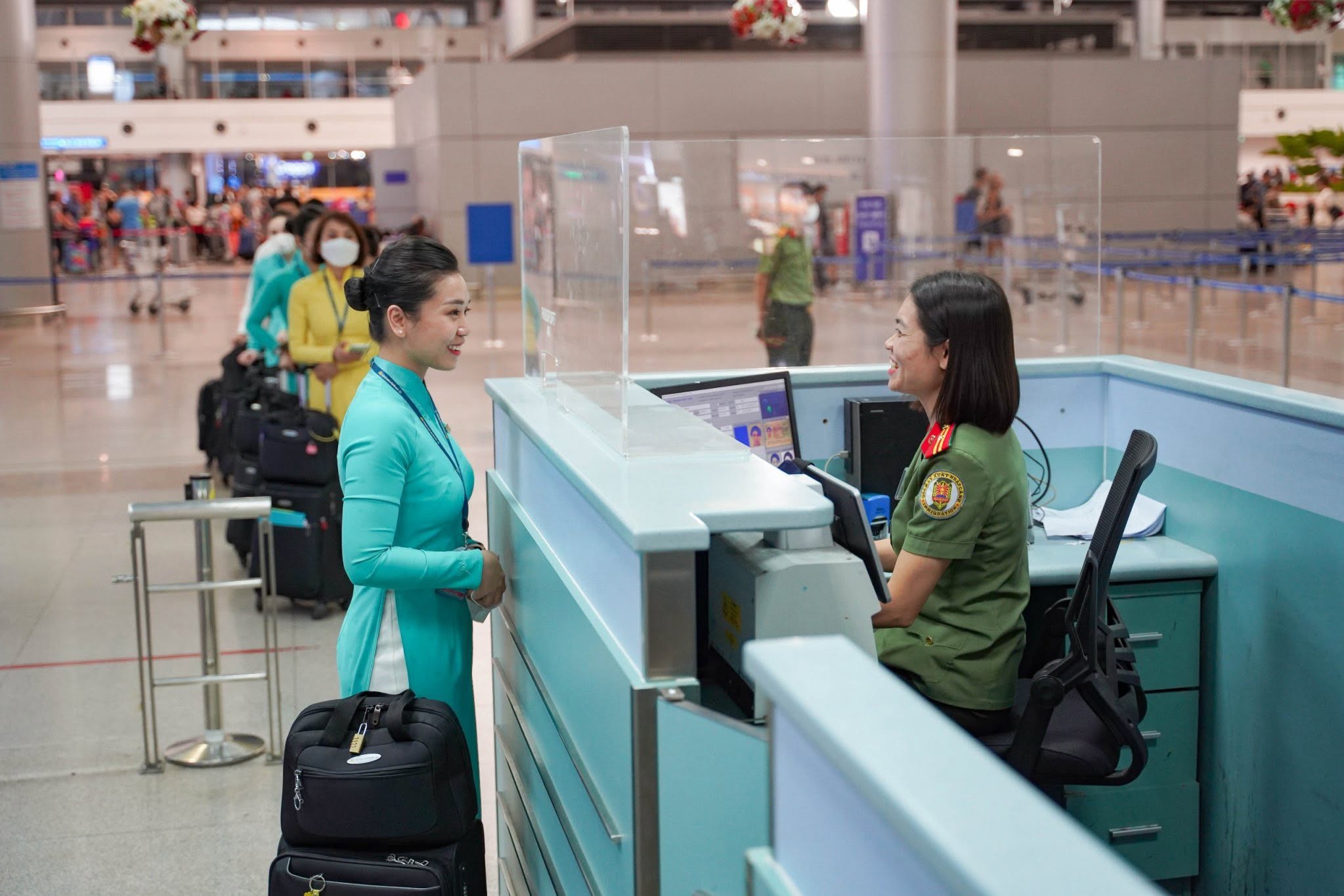
Vietnam is an increasingly popular destination for international travelers, offering breathtaking natural landscapes, rich cultural heritage, delicious cuisine, and unforgettable travel experiences. Before visiting Vietnam, foreign tourists should familiarize themselves with the country’s entry requirements, visa regulations, passport validity rules, and immigration procedures.
This guide provides essential information to help international visitors prepare their travel documents and complete immigration procedures smoothly upon arrival in Vietnam.
1. Entry Requirements for Foreign Visitors to Vietnam
Foreign nationals traveling to Vietnam must meet the entry requirements established by Vietnamese immigration authorities.
In general, international visitors must:
- Hold a valid passport or an internationally recognized travel document.
- Obtain a valid Vietnamese visa unless eligible for visa exemption.
- Enter Vietnam through an authorized international border checkpoint.
- Not be subject to any entry restrictions under Vietnamese law.
- Comply with Vietnamese immigration, security, and residence regulations.
For travelers entering Vietnam with a visa, passports generally must remain valid for at least six months upon arrival. Different passport validity requirements may apply to visa-exempt travelers.
Visitors should check the specific requirements applicable to their nationality and immigration status before departure.
2. Types of Visas for Traveling to Vietnam
Depending on nationality, travel purpose, and intended length of stay, international tourists may enter Vietnam under different visa arrangements.
Vietnam Visa Exemption
Vietnam offers visa-free entry to citizens of certain countries under bilateral agreements, unilateral visa exemption policies, and other applicable arrangements.
The permitted length of stay varies depending on nationality and the relevant visa exemption policy.
Eligible travelers may enter Vietnam without applying for a visa in advance, provided they meet all applicable entry requirements.
Vietnam Electronic Visa (e-Visa)
The Vietnam electronic visa, commonly known as an e-Visa, allows eligible foreign nationals to apply for a visa online without visiting a Vietnamese embassy or consulate.
Vietnamese e-Visas are available for a maximum validity period of 90 days and may permit single or multiple entries.
Travelers can submit their applications through the official Vietnam e-Visa portal:
Once approved, visitors should save a digital copy of their e-Visa and carry a printed copy in case it is requested during travel or immigration checks.
Visas Issued by Vietnamese Embassies and Consulates
Travelers who are not eligible for visa exemption or whose travel circumstances are not covered by the e-Visa system may contact a Vietnamese embassy or consulate abroad.
Application requirements, processing times, and fees depend on the visa category and individual circumstances.
3. Documents to Prepare Before Traveling to Vietnam
International visitors should prepare the following documents before departure.
Valid passport: Ensure that your passport meets the applicable validity requirements and that your personal information is accurate.
Visa or visa exemption eligibility: Confirm whether you need a visa and make sure your immigration documents match your nationality, travel purpose, and intended stay.
Flight tickets or travel itinerary: Keep details of your arrival and onward travel arrangements available, especially if requested by your airline or immigration authorities.
Accommodation information: Prepare the name, address, and contact details of your hotel, guesthouse, or other accommodation in Vietnam.
Travel insurance: Although travel insurance is not a general mandatory entry requirement for all tourists, comprehensive coverage is strongly recommended for medical emergencies, accidents, and unexpected travel disruptions.
Travelers should also keep digital copies of important documents in a secure location.
4. Immigration Procedures at Vietnamese International Airports
For visitors arriving by air, the immigration process generally involves the following steps.
Step 1: Proceed to Immigration Control
After landing, follow the airport signs to the immigration or passport control area.
Foreign visitors should proceed to the appropriate immigration counters and follow instructions from airport and immigration personnel.
Step 2: Present Your Passport and Visa
At the immigration counter, travelers must present their passports and any required visas or supporting documents.
Immigration officers may verify:
- Personal information and nationality.
- Passport and visa validity.
- Purpose of travel.
- Intended length of stay.
- Accommodation details in Vietnam.
Additional questions or documentation may be required in certain circumstances.
Step 3: Complete Immigration Clearance
Once entry is approved, travelers should verify their permitted period of temporary stay.
The authorized duration of stay may differ from the overall validity period of a visa. Visitors should follow the period granted by Vietnamese immigration authorities.
Step 4: Collect Baggage and Clear Customs
After completing immigration procedures, passengers proceed to baggage claim to collect their checked luggage.
Travelers must then comply with customs regulations, including declaring cash, goods, or restricted items when required.
Once immigration and customs formalities are completed, visitors may leave the airport and begin their journey through Vietnam.
5. Entering Vietnam by Land or Sea
International travelers may also enter Vietnam through authorized land border crossings and seaports.
Entering Vietnam by Land
Vietnam shares international land borders with China, Laos, and Cambodia.
Foreign visitors may enter through designated international border checkpoints, subject to immigration requirements and the operating conditions of each crossing.
Travelers using an e-Visa must ensure that their intended border checkpoint is included in the official list of entry points accepting electronic visas.
Entering Vietnam by Sea
Visitors arriving on international cruise ships or other authorized vessels must complete immigration procedures at designated Vietnamese seaports.
Depending on the itinerary and travel arrangements, immigration formalities may be coordinated by the cruise operator or travel organizer.
Travelers should confirm the applicable procedures with their transport provider before departure.
6. Vietnam Customs Regulations for International Travelers
When entering Vietnam, visitors must comply with customs regulations concerning luggage, currency, personal belongings, and restricted goods.
Important considerations include:
- Declare cash amounts exceeding the applicable reporting thresholds.
- Do not bring prohibited drugs, weapons, or other items banned under Vietnamese law.
- Follow import regulations concerning medicines, food products, plants, animals, and products of animal or plant origin.
- Declare goods exceeding duty-free allowances or subject to customs declaration requirements.
- Avoid carrying packages or luggage belonging to strangers without knowing their contents.
Under Vietnam’s cash declaration regulations, travelers carrying more than USD 5,000 or the equivalent in other foreign currencies, or more than VND 15 million in cash, must declare these amounts when entering through international border checkpoints.
Customs allowances and inspection requirements may vary depending on the type and quantity of goods.
7. Important Regulations During Your Stay in Vietnam
After entering Vietnam, international visitors must comply with local immigration and residence regulations.
Respect your permitted length of stay: Travelers must leave Vietnam or complete any legally available immigration procedures before their authorized stay expires.
Temporary residence registration: Hotels and other accommodation providers are generally responsible for registering foreign guests with the relevant authorities. Visitors should provide accurate passport and immigration information when checking in.
Keep travel documents secure: Store your passport safely and retain copies for reference when necessary.
Follow Vietnamese laws and local regulations: Respect local customs, cultural traditions, and rules at tourist attractions, historical sites, and restricted areas.
Visa extensions and changes: Not all visa categories are eligible for extension or conversion. Travelers should contact the appropriate Vietnamese immigration authorities for guidance regarding their individual circumstances.
8. Frequently Asked Questions About Entering Vietnam
Do all foreign tourists need a visa to visit Vietnam?
No. Citizens of countries covered by Vietnam’s visa exemption policies may enter without obtaining a visa in advance, provided they meet the applicable conditions.
Other travelers generally need a valid visa or another recognized basis for entry.
How long is a Vietnam e-Visa valid?
A Vietnam e-Visa may be issued for a maximum period of 90 days, allowing either single or multiple entries depending on the approved visa.
Is a return flight ticket required to enter Vietnam?
There is no universal requirement for every foreign tourist to present a return flight ticket in all circumstances.
However, airlines or immigration authorities may request evidence of onward travel depending on the traveler’s nationality, visa status, or entry conditions.
Can international tourists enter Vietnam multiple times?
Yes. Multiple entries are possible when travelers hold an appropriate multiple-entry visa or qualify under applicable visa exemption arrangements.
Can I enter Vietnam if my passport is about to expire?
Entry eligibility depends on the traveler’s nationality, visa category, passport validity, and applicable immigration regulations.
Travelers are strongly advised to renew passports approaching their expiration dates before traveling.
Is travel insurance mandatory for Vietnam?
Travel insurance is not a general entry requirement for all international tourists. However, purchasing comprehensive travel insurance is recommended to cover unexpected medical expenses, accidents, and travel disruptions.
9. Official Sources for Vietnam Immigration Information
International visitors should consult official government sources for the latest visa policies, entry requirements, and customs regulations.
- Vietnam Official e-Visa Portal: https://evisa.gov.vn/
- Vietnam Immigration Department: https://immigration.gov.vn/
- Ministry of Foreign Affairs of Vietnam: https://mofa.gov.vn/
- Vietnam Customs: https://customs.gov.vn/
Travelers should verify relevant requirements before departure, as immigration regulations and visa policies may change.
Conclusion
Understanding Vietnam’s entry requirements is an important part of planning a successful trip. Preparing a valid passport, obtaining the appropriate visa when necessary, and familiarizing yourself with immigration and customs procedures can help ensure a smooth arrival.
Whether you are visiting Vietnam for its vibrant cities, tropical islands, historical landmarks, cultural experiences, or extraordinary cuisine, proper preparation will allow you to focus on enjoying your journey.
Explore Vietnam with confidence and discover the country’s remarkable destinations with Travelin.vn – Travel in Vietnam.
Disclaimer: This article is provided by Travelin.vn for general travel information purposes only. Visa policies, immigration procedures, and customs regulations may change without prior notice. The information does not constitute legal advice or replace official guidance from Vietnamese authorities.