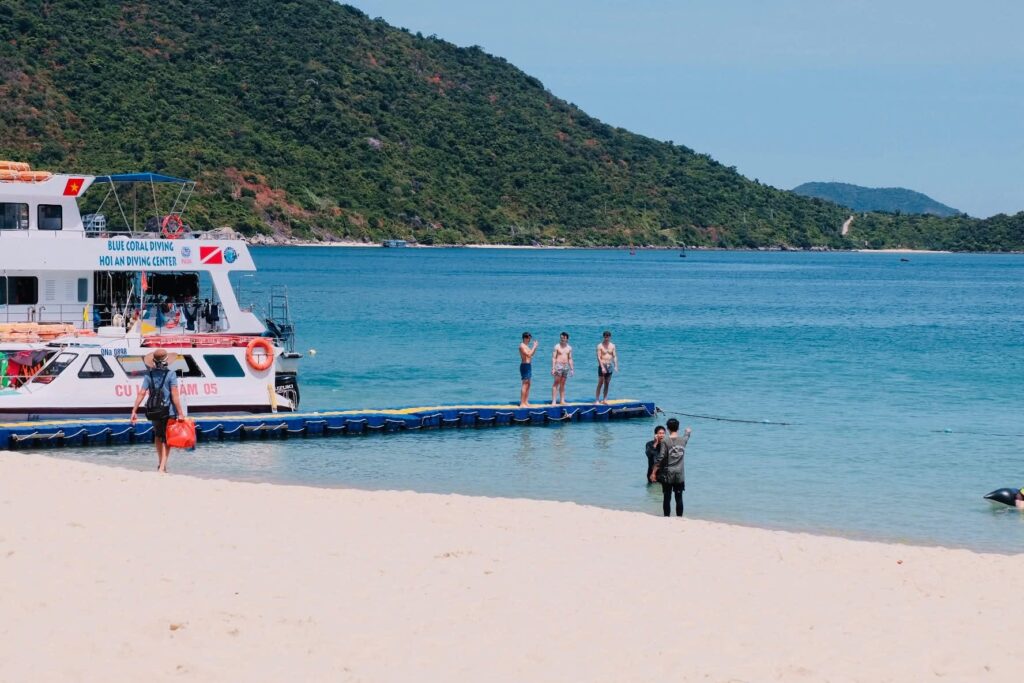
Vietnam is one of Southeast Asia’s most fascinating travel destinations, offering diverse natural landscapes, a rich cultural heritage, distinctive cuisine, and a wide range of travel experiences. From Hanoi’s historic Old Quarter and the spectacular limestone islands of Ha Long Bay to the ancient town of Hoi An, the vibrant streets of Ho Chi Minh City, the Mekong Delta, and tropical islands, every region offers something unique.
For international visitors, especially those traveling to Vietnam for the first time, understanding the country’s visa requirements, currency, transportation, climate, accommodation, and local customs can make a significant difference.
This Vietnam Travel Guide for International Visitors provides essential information, practical advice, and useful travel tips to help you explore Vietnam safely, comfortably, and confidently.
1. Essential Information Before Traveling to Vietnam
Passport and Visa Requirements
Foreign visitors must hold a valid passport or an accepted international travel document and meet Vietnam’s entry requirements.
Depending on nationality, travelers may be eligible for visa-free entry or may need to obtain a visa before arrival.
Vietnam offers an electronic visa (e-Visa) with a maximum validity of 90 days, available for single or multiple entries. Approval and the permitted period of stay depend on the visa issued.
Before traveling, visitors should check:
- Passport validity requirements.
- Visa exemption policies for their nationality.
- Visa type and permitted duration of stay.
- Eligible entry and exit checkpoints.
- Accuracy of personal information on the visa.
Official Vietnam e-Visa portal: https://evisa.gov.vn/
Travelers are encouraged to complete all necessary immigration procedures before departure and avoid unofficial visa websites that may charge excessive fees or provide unreliable services.
What Can You Bring into Vietnam?
Visitors may bring personal belongings, clothing, electronic devices, and other items for their trip, provided they comply with Vietnamese customs and aviation security regulations.
Certain goods, including cash, alcoholic beverages, tobacco, food products, medications, and specialized equipment, may be subject to quantity limits or declaration requirements.
Illegal drugs, prohibited weapons, and other restricted goods must not be brought into Vietnam.
Travelers should review current customs regulations before departure to avoid unexpected difficulties at the border.
2. Best Time to Visit Vietnam
Vietnam has a tropical monsoon climate, but weather conditions vary considerably between regions.
Northern Vietnam
Popular destinations include Hanoi, Ha Long Bay, Ninh Binh, Sa Pa, and Ha Giang.
Northern Vietnam experiences four relatively distinct seasons. Spring and autumn generally offer pleasant temperatures, making them popular times for sightseeing and outdoor activities.
Winter can be cold, especially in mountainous areas, while summer is typically hot, humid, and rainy.
Central Vietnam
Hue, Da Nang, Hoi An, Quy Nhon, and Nha Trang are well known for their beaches, cultural heritage, and coastal resorts.
Weather conditions vary across Central Vietnam. Some areas experience heavy rainfall and storms toward the end of the year, while the south-central coast follows different seasonal patterns.
Visitors should check the weather forecast for each destination rather than assuming that conditions are the same throughout the region.
Southern Vietnam
Ho Chi Minh City, Tay Ninh, Can Tho, Phu Quoc, and the Mekong Delta generally experience tropical weather with distinct wet and dry seasons.
The dry season is often more convenient for outdoor activities. During the rainy season, short but heavy afternoon showers are common.
Travel tip: Vietnam can be visited throughout the year. The ideal time depends on your destination, planned activities, and personal preferences.
3. Currency and Payments in Vietnam
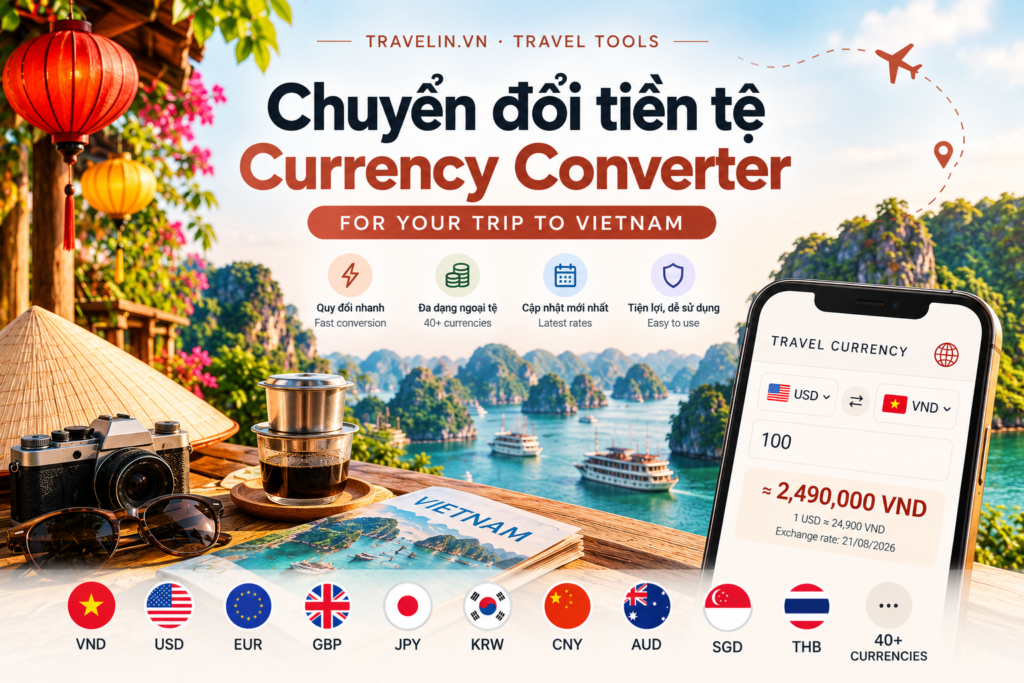
Vietnam’s official currency is the Vietnamese dong (VND).
Common banknote denominations include 1,000, 2,000, 5,000, 10,000, 20,000, 50,000, 100,000, 200,000, and 500,000 VND.
Foreign currency can be exchanged at banks and authorized currency exchange providers. Vietnam Currency Converter
Cash Payments
Cash remains widely used at traditional markets, street food stalls, small businesses, rural areas, and some tourist attractions.
Visitors should carry smaller denominations for everyday purchases and local services.
Credit and Debit Cards
Visa, Mastercard, and certain other international payment cards are accepted at many hotels, restaurants, shopping centers, and tourism businesses.
However, not every establishment accepts international cards.
Travelers should check transaction fees, ATM withdrawal charges, and exchange rates applied by their banks.
Important: Some Vietnamese banknotes have similar colors. Always check the denomination carefully before making a payment.
4. Transportation in Vietnam
Vietnam offers a variety of transportation options, including domestic flights, trains, buses, taxis, ferries, and high-speed boats.
Domestic Flights
Flying is one of the most convenient ways to travel between distant cities.
Major international airports include Noi Bai International Airport in Hanoi, Tan Son Nhat International Airport in Ho Chi Minh City, and Da Nang International Airport.
Other airports serve popular destinations such as Cam Ranh, Phu Quoc, Hue, and Da Lat.
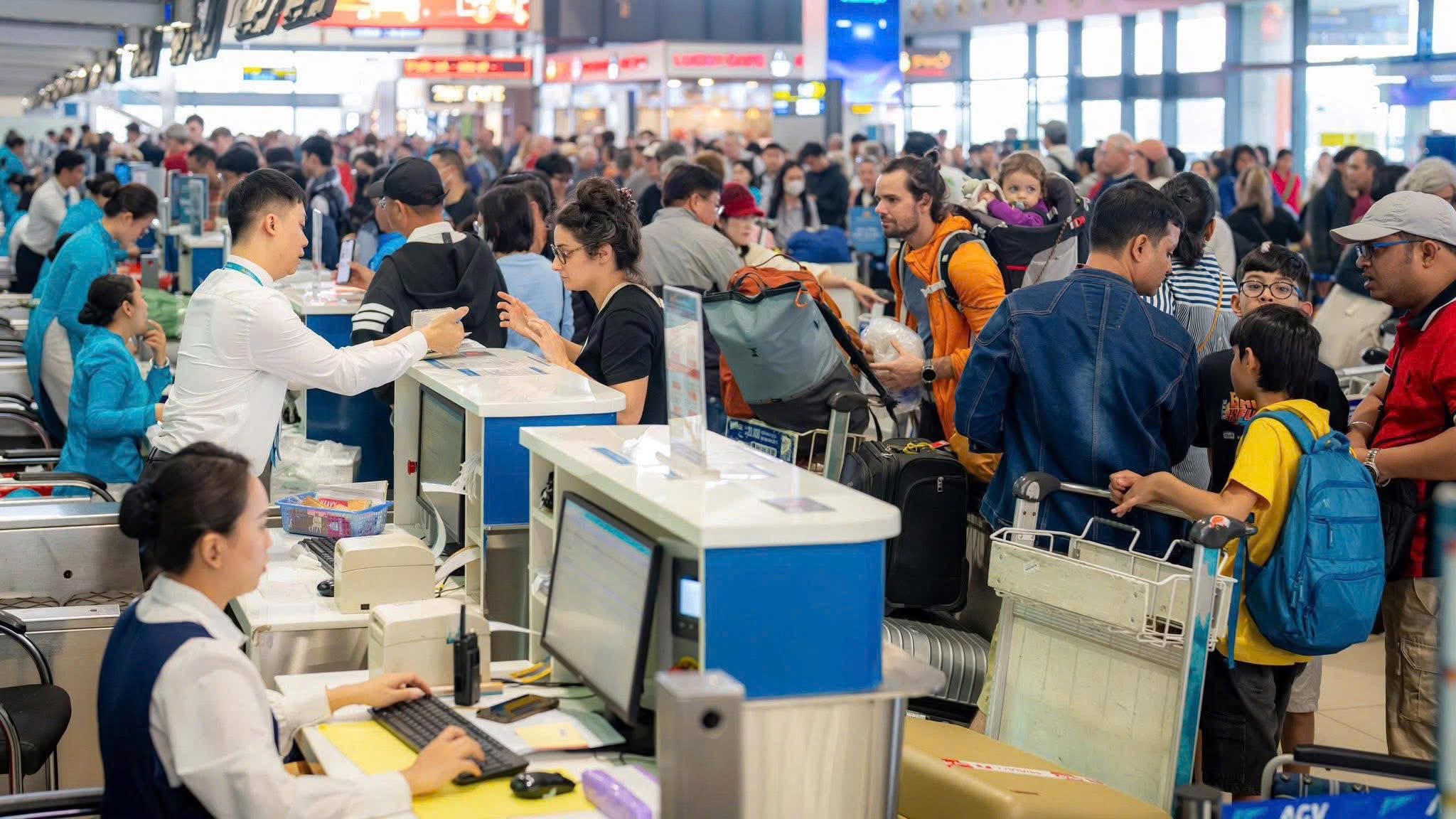
Travelers should check baggage allowances, airport check-in requirements, and ticket change policies before departure.
Trains
Traveling by train is an enjoyable way to experience Vietnam’s countryside and coastal scenery.
The North–South railway connects Hanoi and Ho Chi Minh City, passing through numerous destinations of cultural and tourism interest.
Depending on the train service, passengers can choose between seats and sleeper berths.
Vietnam Railways booking website: https://dsvn.vn/
Buses and Limousine Services
Intercity buses and limousine services are widely used for travel between cities and provinces.
Visitors should book through reputable operators and confirm pickup locations, departure times, baggage policies, and drop-off points.
Taxis and Ride-Hailing Services
Taxis and ride-hailing applications provide convenient transportation in many urban areas.
Apps such as Grab and other locally available services allow travelers to request rides, check estimated fares, and follow their routes.
Always verify the vehicle registration number and driver information before entering a booked vehicle.
Ferries and High-Speed Boats
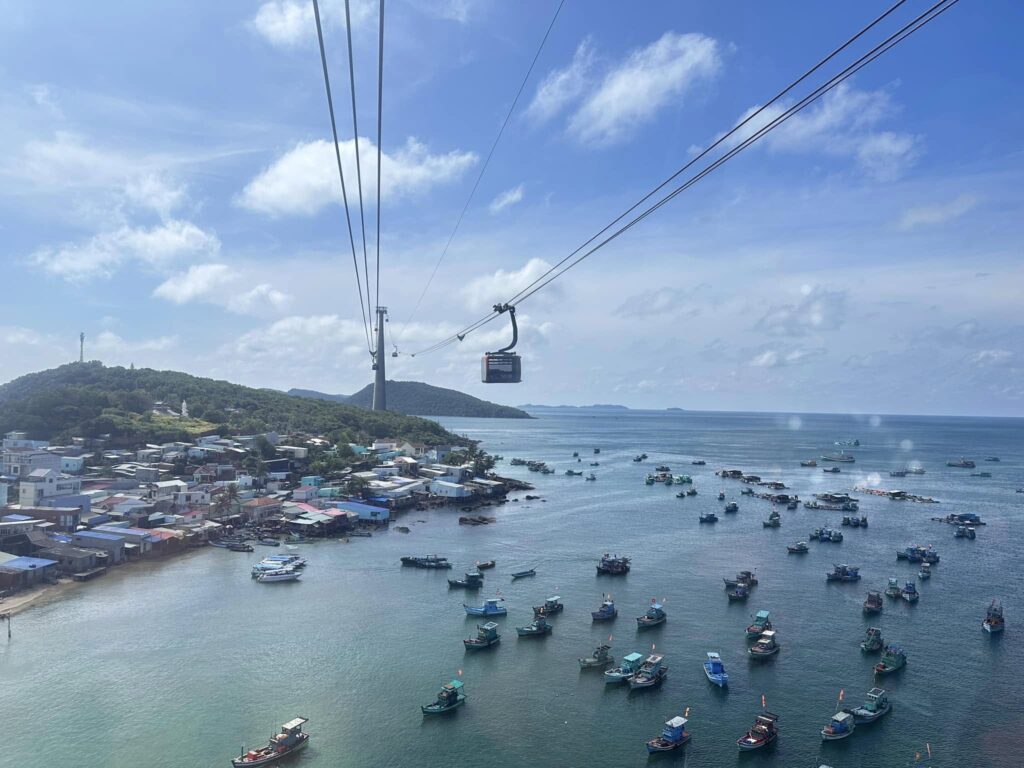
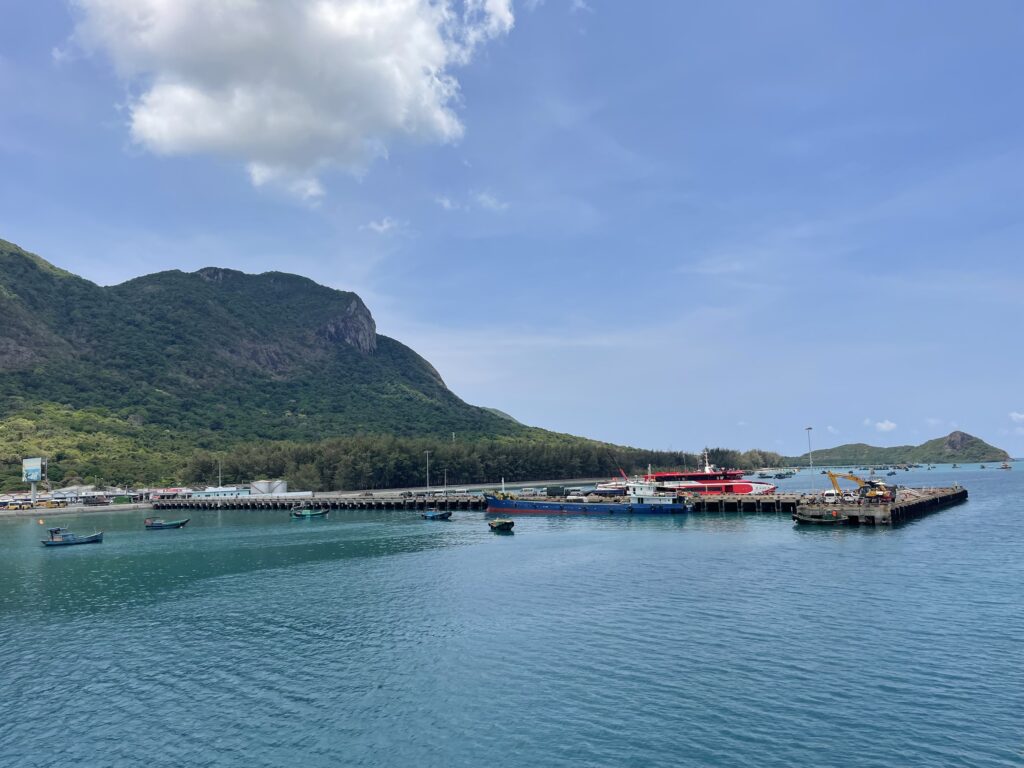
Ferries and high-speed passenger boats are essential for reaching island destinations such as Con Dao, Phu Quy, Phu Quoc, and Ly Son.
Schedules may change depending on weather conditions and operational requirements.
Travelers should book tickets in advance, carry valid identification, and reconfirm departure schedules shortly before traveling.
5. Accommodation in Vietnam
Vietnam offers a wide range of accommodation options for different budgets and travel styles.
Hotels
Major cities and tourist destinations have hotels ranging from affordable properties to luxury international resorts.
Homestays
Homestays are ideal for visitors interested in experiencing local culture and daily life, particularly in mountain communities, rural villages, and community-based tourism destinations.
Hostels
Hostels are popular among backpackers, solo travelers, and budget-conscious visitors because of their affordability and opportunities to meet other travelers.
Resorts
Beachfront and nature-based resorts are widely available in coastal destinations, islands, and scenic mountain areas.
Before booking, travelers should review the property’s location, facilities, guest feedback, check-in and check-out policies, and cancellation conditions.
Accommodation providers are responsible for registering foreign guests’ temporary stays with the relevant authorities under Vietnamese regulations. Visitors must provide valid identification information for this process.
6. Internet, SIM Cards, and eSIMs
Reliable Internet access is useful for navigation, translation, transportation bookings, communication, and travel planning.
Vietnam has extensive mobile network coverage in major cities, towns, and many tourist destinations.
Popular mobile network operators include Viettel, VNPT VinaPhone, and MobiFone.
International travelers can choose from several options:
- Physical tourist SIM cards.
- eSIM plans for compatible smartphones.
- International roaming through their home mobile provider.
- Wi-Fi at hotels, restaurants, and other establishments.
Choose a data plan based on your length of stay, expected usage, and destination coverage.
For trips to mountainous regions or remote islands, downloading offline maps and saving important contact information is recommended.
7. Vietnamese Food and Dining Tips
Vietnamese cuisine is one of the highlights of traveling through the country.
Each region has distinctive dishes influenced by local ingredients, history, and cultural traditions.
Popular Vietnamese Dishes to Try
Pho: Vietnam’s famous noodle soup, typically prepared with rice noodles, aromatic broth, and beef or chicken.
Banh Mi: A Vietnamese baguette sandwich filled with various meats, vegetables, herbs, and sauces.
Bun Cha: A traditional Hanoi dish featuring grilled pork, rice noodles, herbs, and dipping sauce.
Banh Xeo: A crispy Vietnamese pancake filled with ingredients such as shrimp, pork, and bean sprouts.
Goi Cuon: Fresh spring rolls made with rice paper, vegetables, herbs, and different fillings.
Com Tam: Broken rice, especially popular in Southern Vietnam, often served with grilled pork and side dishes.
Vietnamese Coffee: Known for its strong flavor, traditional drip brewing, iced milk coffee, and regional variations.
Food Safety Tips
Choose food establishments that maintain good hygiene and handle ingredients properly.
Drink safe water and be cautious with raw or improperly stored foods.
Travelers with food allergies should confirm ingredients before ordering.
Vietnamese dishes may contain peanuts, seafood, fish sauce, soy products, or other potential allergens.
8. Vietnamese Culture and Local Etiquette
Vietnam has a rich cultural heritage shaped by centuries of history, traditions, festivals, and religious practices.
Respecting local customs can make travel experiences more enjoyable and meaningful.
Dress Appropriately at Religious Sites
When visiting temples, pagodas, communal houses, and other religious or spiritual sites, wear respectful clothing and follow any posted rules.
Communicating with Local People
Many Vietnamese people are welcoming toward international visitors.
Learning a few basic Vietnamese phrases can be helpful:
- Xin chào: Hello.
- Cảm ơn: Thank you.
- Xin lỗi: Sorry / Excuse me.
- Bao nhiêu tiền?: How much is it?
- Tạm biệt: Goodbye.
Photography Etiquette
Ask permission before taking close-up photographs of individuals, particularly in private settings or during religious activities.
Respect photography restrictions at museums, historical sites, and other protected locations.
Tipping in Vietnam
Tipping is generally not mandatory in Vietnam.
However, travelers may choose to leave a tip to show appreciation for good service.
9. Staying Safe While Traveling in Vietnam
Taking basic precautions can help visitors enjoy a safer and more comfortable journey.
Road Safety
Traffic in major cities can be busy, particularly during rush hours.
Pedestrians should remain alert, use designated crossings whenever possible, and follow traffic signals.
Visitors should not ride motorcycles without sufficient experience and a legally recognized driving license.
Protecting Personal Belongings
Keep phones, wallets, and handbags secure in crowded areas.
Store digital copies of passports, visas, travel insurance, and other important documents.
Avoiding Tourist Scams
Confirm prices before using services, book tours through reputable providers, and be cautious of unusually cheap offers.
Travel Insurance
Travel insurance may provide financial protection for certain unexpected events, including medical emergencies, accidents, lost baggage, and travel disruptions, depending on the policy.
Review coverage carefully before departure.
10. Health and Medical Advice
Vietnam’s climate, local food, and travel activities may affect visitors who are not accustomed to the environment.
Travelers should consider bringing personal medication, sunscreen, insect repellent, and basic first-aid supplies.
Those carrying prescription medication, especially controlled medicines, should check Vietnamese import regulations and prepare appropriate medical documentation when required.
For outdoor activities, drink enough water, avoid prolonged exposure to intense heat, and monitor weather conditions.
Emergency Phone Numbers in Vietnam
- 113: Police.
- 114: Fire and rescue services.
- 115: Medical emergencies.
Visitors should also save the contact details of their hotel, tour operator, insurance provider, and their country’s embassy or consulate in Vietnam.
11. Top Places to Visit in Vietnam
Hanoi
Vietnam’s capital is famous for its Old Quarter, Hoan Kiem Lake, the Temple of Literature, historical architecture, and traditional cuisine.
Ha Long Bay
A UNESCO World Natural Heritage Site known for its dramatic limestone islands, emerald waters, and scenic boat excursions.
Ninh Binh
A beautiful destination featuring Trang An, Tam Coc, historical temples, and spectacular limestone landscapes.
Hue
The former imperial capital of Vietnam, renowned for the Complex of Hue Monuments, Nguyen Dynasty architecture, and royal cultural heritage.
Da Nang
A modern coastal city offering beautiful beaches, tourist attractions, and convenient access to Central Vietnam’s cultural destinations.
Hoi An
A UNESCO World Heritage town celebrated for its well-preserved historic architecture, traditional streets, and distinctive cultural atmosphere.
Da Lat
Located in the Central Highlands, Da Lat is known for its cooler climate, pine forests, lakes, gardens, and historic architecture.
Ho Chi Minh City
Vietnam’s largest economic and urban center, offering museums, historical landmarks, shopping districts, diverse dining experiences, and lively street culture.
Mekong Delta
A fascinating region characterized by rivers, canals, fruit orchards, traditional markets, and the distinctive culture of Southern Vietnam.
Phu Quoc
A popular tropical island destination with sandy beaches, resorts, natural attractions, and local cultural experiences.
Con Dao
An island destination known for its natural landscapes, marine ecosystems, beaches, and historically significant sites.
12. Suggested Vietnam Travel Itineraries
Travelers can plan their itinerary based on available time, interests, and preferred travel pace.
7-Day Vietnam Itinerary
A one-week trip is best suited to exploring one region.
Suggested routes include:
- Hanoi – Ninh Binh – Ha Long Bay.
- Da Nang – Hoi An – Hue.
- Ho Chi Minh City – Mekong Delta.
10 to 14-Day Vietnam Itinerary
With approximately two weeks, visitors can combine two or three regions, focusing on destinations with convenient transport connections.
Example route:
Hanoi – Ha Long Bay – Hue – Da Nang – Hoi An – Ho Chi Minh City.
21-Day Vietnam Itinerary
A three-week journey allows travelers to explore Vietnam from north to south, combining cities, cultural heritage, natural attractions, and coastal destinations.
Allow sufficient time between long-distance transfers and include flexibility for weather-related disruptions.
13. Common Mistakes First-Time Visitors Should Avoid
Some common mistakes international travelers make when visiting Vietnam include:
- Failing to check visa and immigration requirements.
- Planning too many destinations in a short period.
- Assuming the weather is the same throughout Vietnam.
- Not confirming prices before using services.
- Confusing Vietnamese banknote denominations.
- Arriving without a reliable Internet connection.
- Underestimating local traffic conditions.
- Renting motorcycles without meeting legal requirements.
- Booking travel services through unreliable sources.
- Traveling without appropriate insurance or backup plans.
Understanding these issues in advance can help reduce unnecessary risks and improve the overall travel experience.
14. Useful Apps for Traveling in Vietnam
Smartphone applications can make navigation, communication, and travel planning much easier.
Some useful apps and services include:
- Google Maps: Navigation, directions, and finding attractions.
- Google Translate: Language translation and communication.
- Grab: Ride-hailing in supported locations.
- Banking Apps: Managing payments and travel expenses.
- Weather Apps: Checking forecasts for each destination.
- Travel Booking Apps: Managing hotel reservations and transportation tickets.
Travelers should install essential apps before departure and check whether each service is available in their intended destinations.
15. Vietnam Travel Checklist
Before departing for Vietnam, consider completing the following checklist:
- Check passport validity and visa requirements.
- Confirm flight reservations and accommodation details.
- Review weather forecasts for your destinations.
- Prepare cash and suitable payment methods.
- Arrange a SIM card, eSIM, or roaming plan.
- Install navigation and translation apps.
- Review travel insurance coverage.
- Pack personal medication and essential supplies.
- Save important emergency contact numbers.
- Check customs and baggage regulations.
- Allow extra time for important transportation connections.
Frequently Asked Questions About Traveling to Vietnam
Do foreigners need a visa to visit Vietnam?
Visa requirements depend on nationality and entry conditions. Some travelers qualify for visa exemptions, while others need an appropriate visa. Vietnam offers electronic visas valid for up to 90 days.
Is Vietnam expensive to travel around?
Vietnam offers travel options for a wide range of budgets. Overall expenses depend on accommodation, transportation, dining preferences, activities, and the length of the trip.
Can I use Visa and Mastercard in Vietnam?
Yes. Many hotels, restaurants, and shopping centers accept international cards. However, carrying some cash is recommended for smaller businesses and local markets.
Do people in Vietnam speak English?
English is commonly used in many hotels, restaurants, and tourist areas, especially in major cities. English proficiency may be more limited in rural areas.
Is Vietnam suitable for solo travelers?
Vietnam is a popular destination for solo travel. Visitors should research their destinations, choose suitable accommodation, and follow normal personal safety precautions.
How many days do I need to explore Vietnam?
A 7 to 14-day trip is suitable for exploring selected regions. Travelers wishing to experience more of the country may prefer an itinerary of 21 days or longer.
What is the best way to travel between Vietnamese cities?
Domestic flights are convenient for long distances, while trains and buses are useful for shorter routes or scenic journeys. The best choice depends on travel time, budget, and personal preferences.
Conclusion
Vietnam offers international visitors an extraordinary variety of travel experiences, from ancient cultural heritage and spectacular natural scenery to dynamic cities, tropical islands, and distinctive regional cuisine.
A memorable journey begins with thoughtful preparation. Understanding visa requirements, transportation, weather, currency, accommodation, and local customs will help travelers explore Vietnam with greater confidence.
Whether you are visiting for a short holiday or planning an extended journey across the country, Vietnam has something to offer every type of traveler.
Travelin.vn – Travel in Vietnam helps international and domestic visitors discover destinations, cultural heritage, transportation options, and practical travel information throughout Vietnam.
Disclaimer: This guide is provided for general informational purposes only. Immigration rules, customs regulations, transportation requirements, and service conditions may change. Travelers should verify current information with official authorities and relevant service providers before departure.