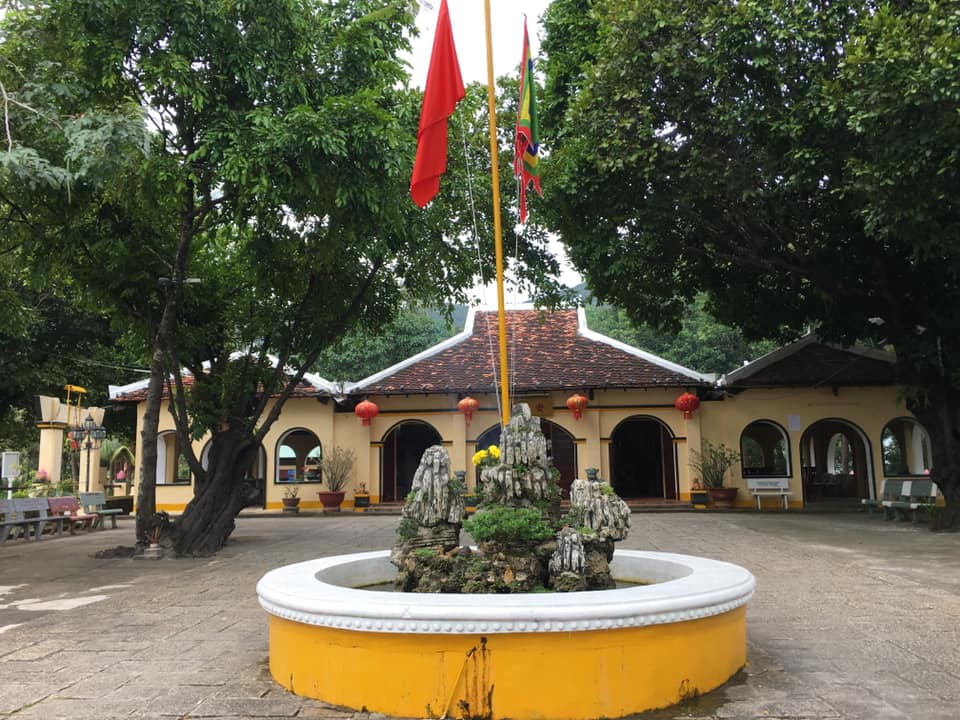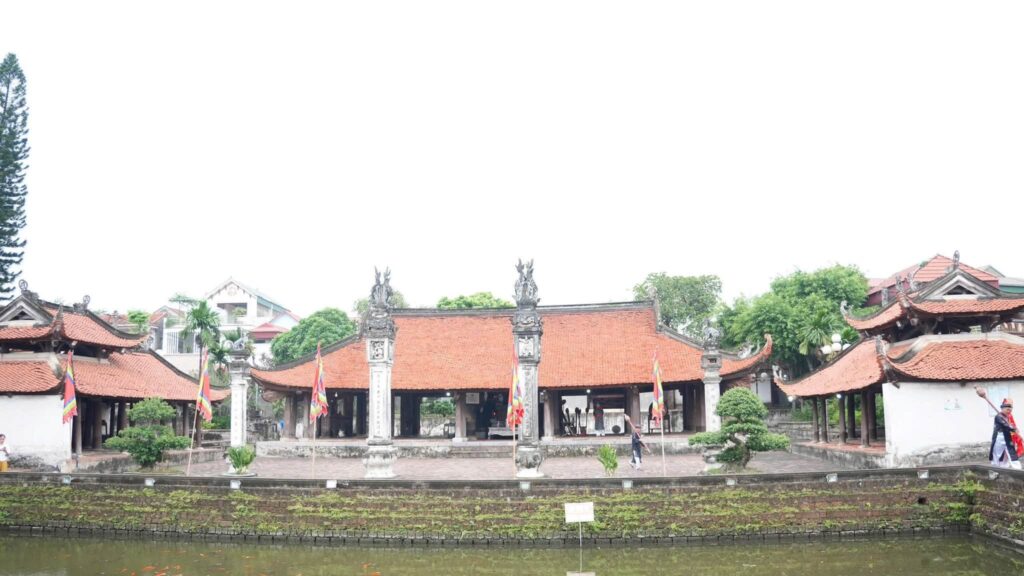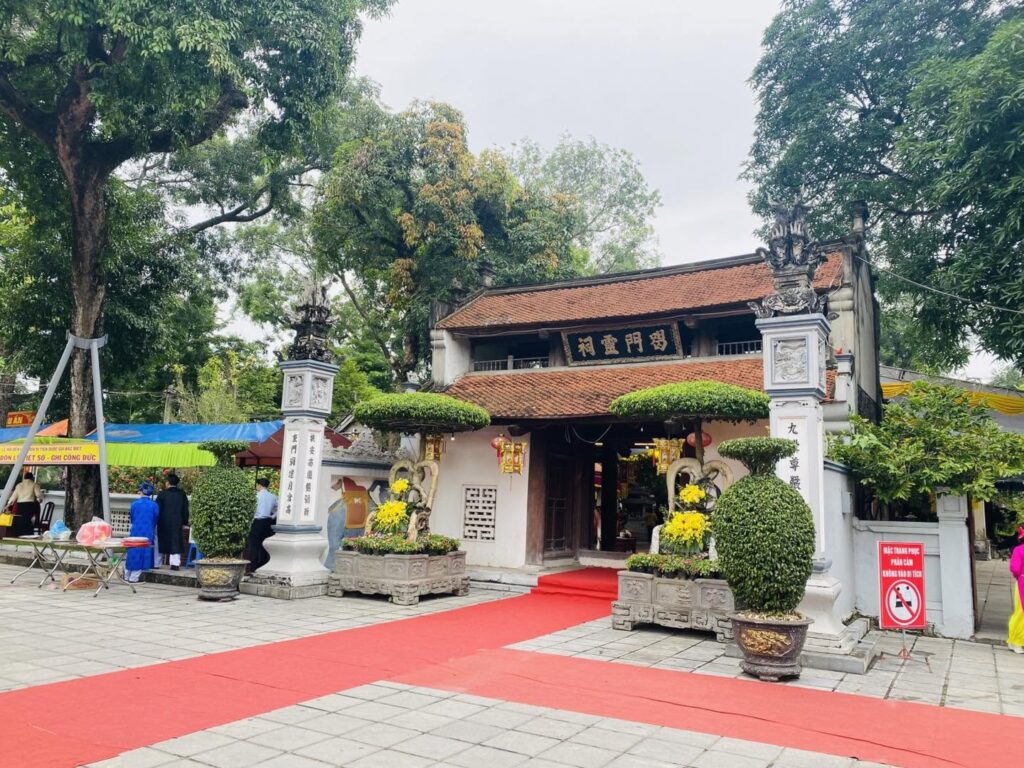
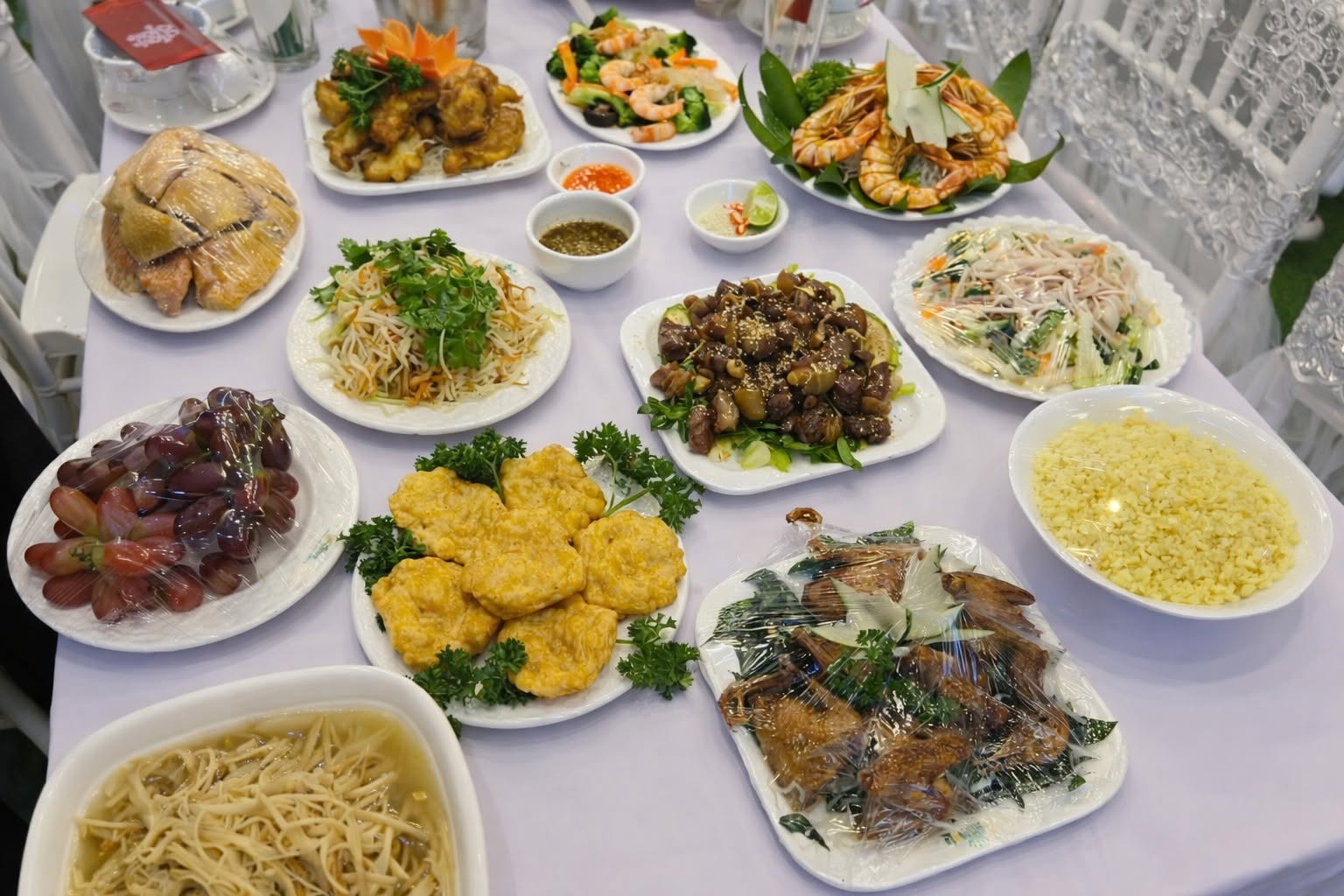
Bát Tràng Village, located in Bát Tràng Commune, Hà Nội, is not only renowned for its traditional pottery but also preserves a rich body of traditional knowledge related to food culture, particularly the art of preparing cỗ, the elaborate ceremonial meals served on important occasions.
Situated along the Red River and historically connected to important waterways and trade routes, Bát Tràng had access to a wide range of ingredients. These included mountain products such as shiitake mushrooms and wood ear mushrooms, as well as dried squid, dried shrimp, and sá sùng from coastal areas.
The village also developed a strong scholarly and family tradition, with considerable importance placed on ritual, etiquette, and family customs. In this context, preparing cỗ was not simply about making delicious food. The meal expressed the host family’s care, knowledge, standing, and understanding of traditional etiquette. Within the historic riverside village, the prosperity associated with pottery and trade helped create the conditions for culinary knowledge to develop into an important expression of culture, ritual, and community life.
Cỗ Bát Tràng in Community Life
Traditional cỗ is prepared for important occasions such as Tết, weddings, clan memorial ceremonies, and village festivals. Each ceremonial tray reflects the host family’s attentiveness, knowledge, and respect for guests and relatives.
Culinary knowledge is passed down primarily through learning by doing. Younger generations traditionally learn by working alongside experienced family members, particularly women who have played an important role in both cooking and household management.
A traditional meal is expected to be generous, harmonious in appearance, and appropriate to the rituals of the occasion. The arrangement and preparation of the dishes follow conventions that have been respected and maintained by the community over generations.
In the past, a Bát Tràng ceremonial meal often took the form of “cỗ bát trân”, consisting of six bowls and eight plates, representing elegance and abundance. Middle-income families might prepare a meal of four bowls and four plates. Although the composition of the meal has changed over time, several dishes have remained closely associated with traditional Bát Tràng cuisine, including boiled chicken, bamboo shoot and squid soup, stir-fried kohlrabi with squid, bánh chưng, chè kho, and braised pigeon.
Bamboo Shoot and Squid Soup
Bamboo shoot and squid soup is one of the dishes that demonstrates the Bát Tràng approach to ingredient selection, cooking technique, and presentation.
The squid is traditionally selected from high-quality sun-dried squid, commonly sourced from places such as Cô Tô or Thanh Hóa. It is prepared with ginger-infused rice wine to remove the fishy smell and clean the outer membrane. The squid is then lightly grilled until the surface is dry but not burnt before being torn into fine strips along the grain.
The squid is sautéed with lard or cooking oil until lightly golden, aromatic, and pleasantly crisp. Dried bamboo shoots, particularly bamboo shoots from Tuyên Quang, are carefully selected, with tough parts removed before being trimmed and split into even strips.
The bamboo shoots are boiled several times to reduce their sourness, then stir-fried with fish sauce, salt, and fried shallots to develop a rich flavor.
The soup base combines chicken cooking water, bone broth, and cooking liquid from dried shrimp, creating a clear and naturally sweet broth. The bamboo shoots and squid are then added and simmered gently for around 45 minutes.
The finished soup should have a clear broth, crisp bamboo shoots, and squid that is tender yet pleasantly chewy. The fragrance of bamboo shoots combines with the delicate sweetness of squid, creating a dish that is both rustic and refined and reflects the culinary knowledge accumulated by generations of Bát Tràng residents.
Stir-Fried Kohlrabi with Squid
Stir-fried kohlrabi with squid is another dish associated with traditional Bát Tràng ceremonial meals.
Tender kohlrabi is selected and julienned into thin, even strips. It is mixed with salt to soften it, then briefly blanched in hot water and gently squeezed to retain its natural crispness.
The squid is prepared in the same manner as for the soup and lightly sautéed before being combined with kohlrabi, carrot, and seasoning. Dried shallots are fried until fragrant, after which the ingredients are stir-fried until just cooked. Black pepper and fresh coriander are added before serving.
The dish requires careful control of heat, cooking time, seasoning, and stirring technique. The vegetables should remain crisp without becoming watery, while the squid should retain its natural sweetness and aroma.
The result is a balanced combination of the fresh sweetness of vegetables and the savory, slightly briny character of squid.
Preparing a Bát Tràng Ceremonial Meal
Preparing traditional Bát Tràng cỗ is not simply an individual cooking task. It is an organized process involving several people and following established customs.
Before an important ceremony, members of a family or clan traditionally discuss the menu and divide responsibilities. One person may take charge of cooking, while others prepare specific dishes, organize ingredients, arrange the trays, or handle serving.
Preparation may take between three and seven days. The knowledge involved extends beyond cooking techniques to include seasonal ingredient selection, food preparation, ceremonial etiquette, hospitality, and the arrangement of the meal.
A traditional meal seeks balance among savory dishes, soups, stir-fries, boiled foods, and desserts such as chè kho, xôi vò, and sweet chè. The emphasis is on careful preparation and harmony rather than simply abundance.
A distinctive feature is the use of Bát Tràng ceramic products for cooking, serving, and presenting the meal. This creates a close connection between the village’s culinary traditions and its long-established pottery craft.
Knowledge Passed Down Through Practice and Oral Tradition
The knowledge of preparing Bát Tràng cỗ is transmitted mainly through direct practice and oral tradition. Younger members learn not only how to prepare individual dishes but also how to select ingredients, control heat, measure seasoning, arrange food, and observe appropriate behavior during ceremonial occasions.
Traditional sayings such as “Luộc gà không sôi, canh trong mới ngọt” and “Cỗ khéo hơn cỗ đầy” encapsulate practical principles concerning cooking techniques and the balance between quality and quantity.
The division of labor among people involved in preparing cỗ, the organization of the process, and the arrangement of the dishes demonstrate that this knowledge extends far beyond recipes.
Preparing a ceremonial meal also creates an opportunity for different generations to work together. Through these shared activities, culinary knowledge, family customs, hospitality, and community values are transmitted from one generation to the next.
The Cultural Value of Bát Tràng Cỗ
The culinary knowledge of Bát Tràng is closely connected with the long history of the pottery village and reflects the community’s traditional culture of ritual and etiquette.
The ceremonial tray is not merely a collection of dishes. It is also a form of culinary organization in which aesthetics, ritual, and traditional Vietnamese concepts of balance are expressed through the selection, preparation, combination, and presentation of food.
Bát Tràng cỗ combines familiar ingredients with refined preparation. The harmony between dishes, the use of seasonal ingredients, and the attention paid to presentation reflect culinary knowledge refined through generations.
The communal preparation of cỗ also strengthens relationships among families, clans, and generations. During Tết, weddings, ancestral ceremonies, and village festivals, everyday cooking knowledge becomes a means of transmitting memories, customs, and community identity.
National Intangible Cultural Heritage
Recognizing its cultural significance, the traditional knowledge of preparing Bát Tràng cỗ was included in the National Intangible Cultural Heritage List by the Minister of Culture, Sports and Tourism under Decision No. 2229/QĐ-BVHTTDL dated June 27, 2025.
The recognition highlights a living body of culinary knowledge that has been developed, practiced, and transmitted within the Bát Tràng community. From selecting ingredients and preparing dishes to arranging ceremonial trays and observing traditional etiquette, these practices form an important part of the cultural heritage of the historic riverside village.
Basic Information
| Information | Details |
|---|---|
| Heritage | Traditional Knowledge of Preparing Bát Tràng Cỗ |
| Location | Bát Tràng Village, Bát Tràng Commune, Hà Nội |
| Cultural setting | Historic traditional craft village along the Red River |
| Main occasions | Tết, weddings, clan memorial ceremonies, village festivals, and family rituals |
| Traditional format | Cỗ bát trân, consisting of 6 bowls and 8 plates |
| Characteristic dishes | Boiled chicken, bamboo shoot and squid soup, stir-fried kohlrabi with squid, bánh chưng, chè kho, braised pigeon |
| Transmission | Direct practice, oral tradition, family and community instruction |
| Distinctive feature | Bát Tràng ceramic tableware used for preparing and presenting meals |
| Heritage status | National Intangible Cultural Heritage |
| Recognition | Decision No. 2229/QĐ-BVHTTDL, June 27, 2025 |