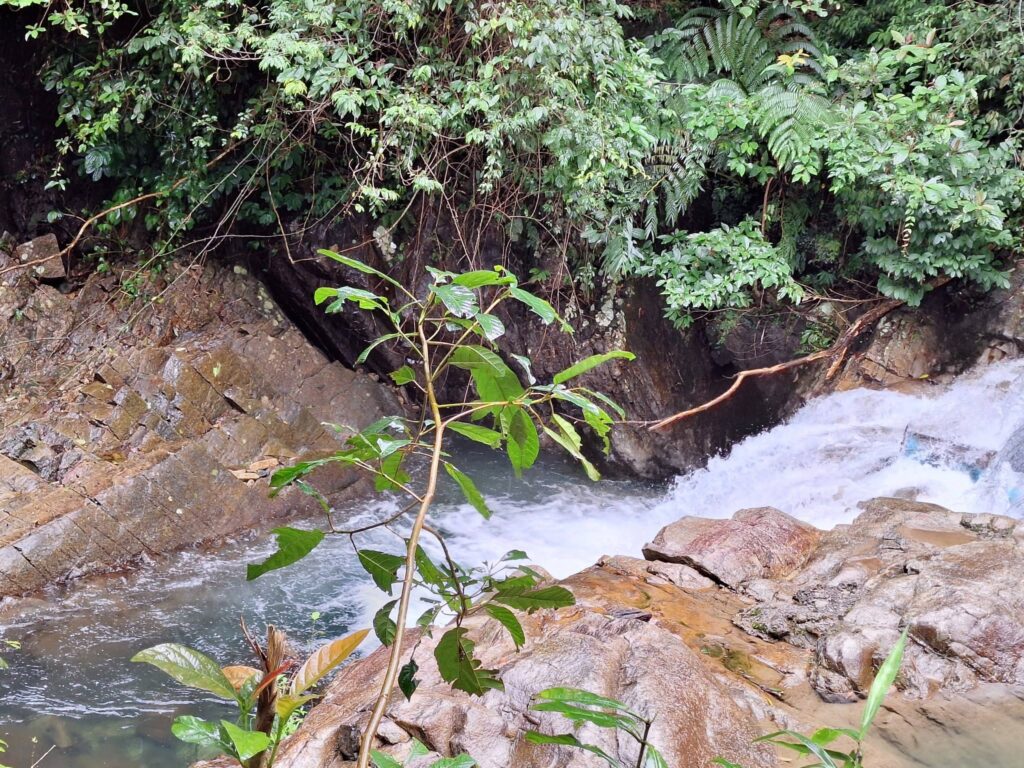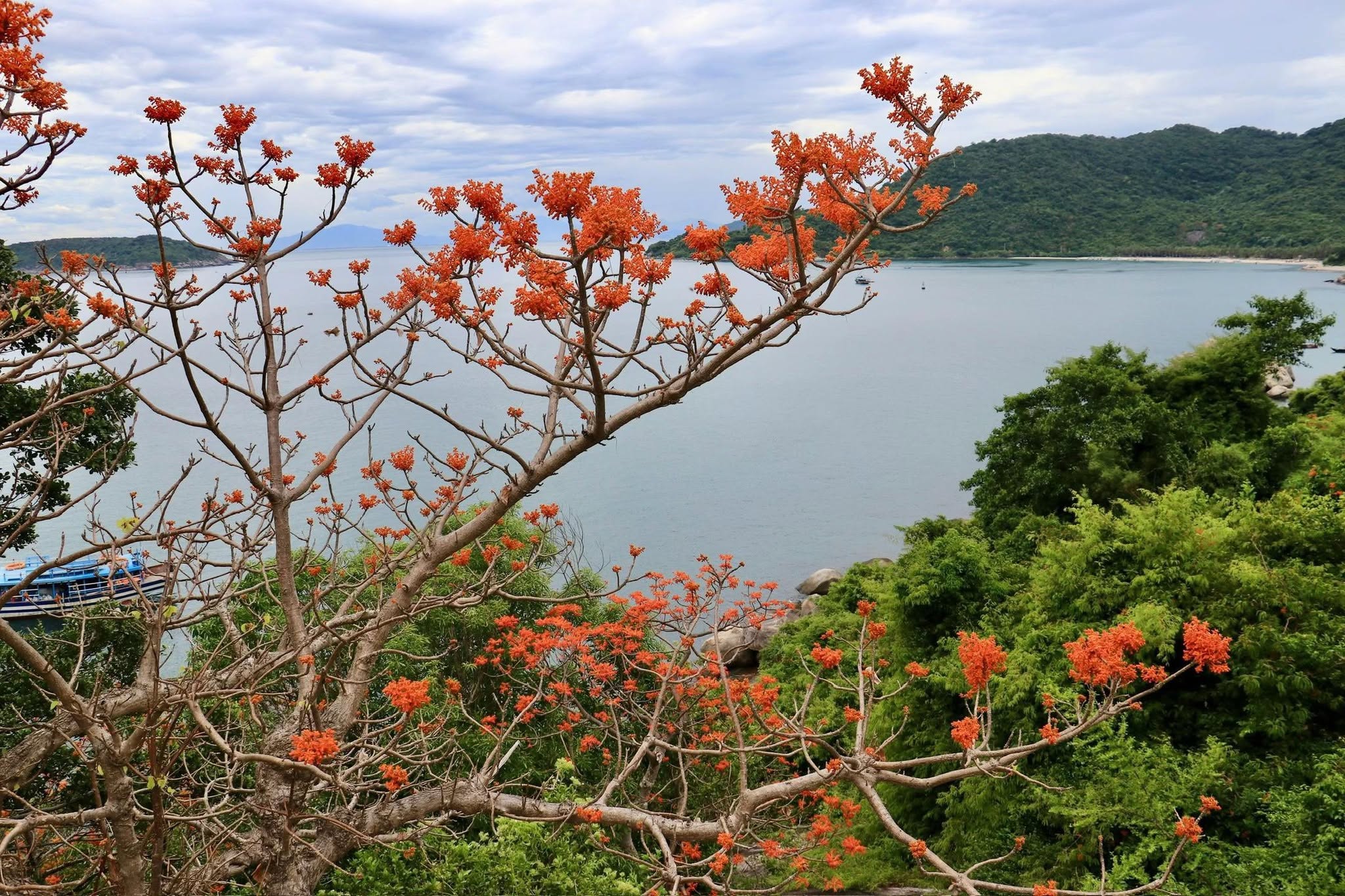
The Cu Lao Cham – Hoi An World Biosphere Reserve is one of Vietnam’s most remarkable island and coastal biosphere reserves, bringing together exceptional biodiversity, natural landscapes, maritime history and living cultural traditions. With its tropical forests, coral reefs, seagrass meadows, estuaries, mangrove ecosystems and historic communities, the reserve represents a unique relationship between people and nature along Vietnam’s central coast.
On May 26, 2009, during a meeting held on Jeju Island, South Korea, UNESCO officially recognized the Cu Lao Cham – Hoi An area as a World Biosphere Reserve under its Man and the Biosphere Programme (MAB).
This international designation recognizes not only the ecological importance of the islands and surrounding coastal environments but also efforts to combine biodiversity conservation, cultural heritage preservation and sustainable livelihoods for local communities.
Covering a total area of 33,737 hectares, the Cu Lao Cham – Hoi An World Biosphere Reserve forms an interconnected ecological landscape extending from the lower Thu Bon River basin and the estuarine environments of Hoi An to the offshore Cu Lao Cham Archipelago.
Today, the reserve is both an important conservation area and an attractive destination for travelers seeking pristine beaches, marine adventures, historical discoveries and responsible tourism experiences.
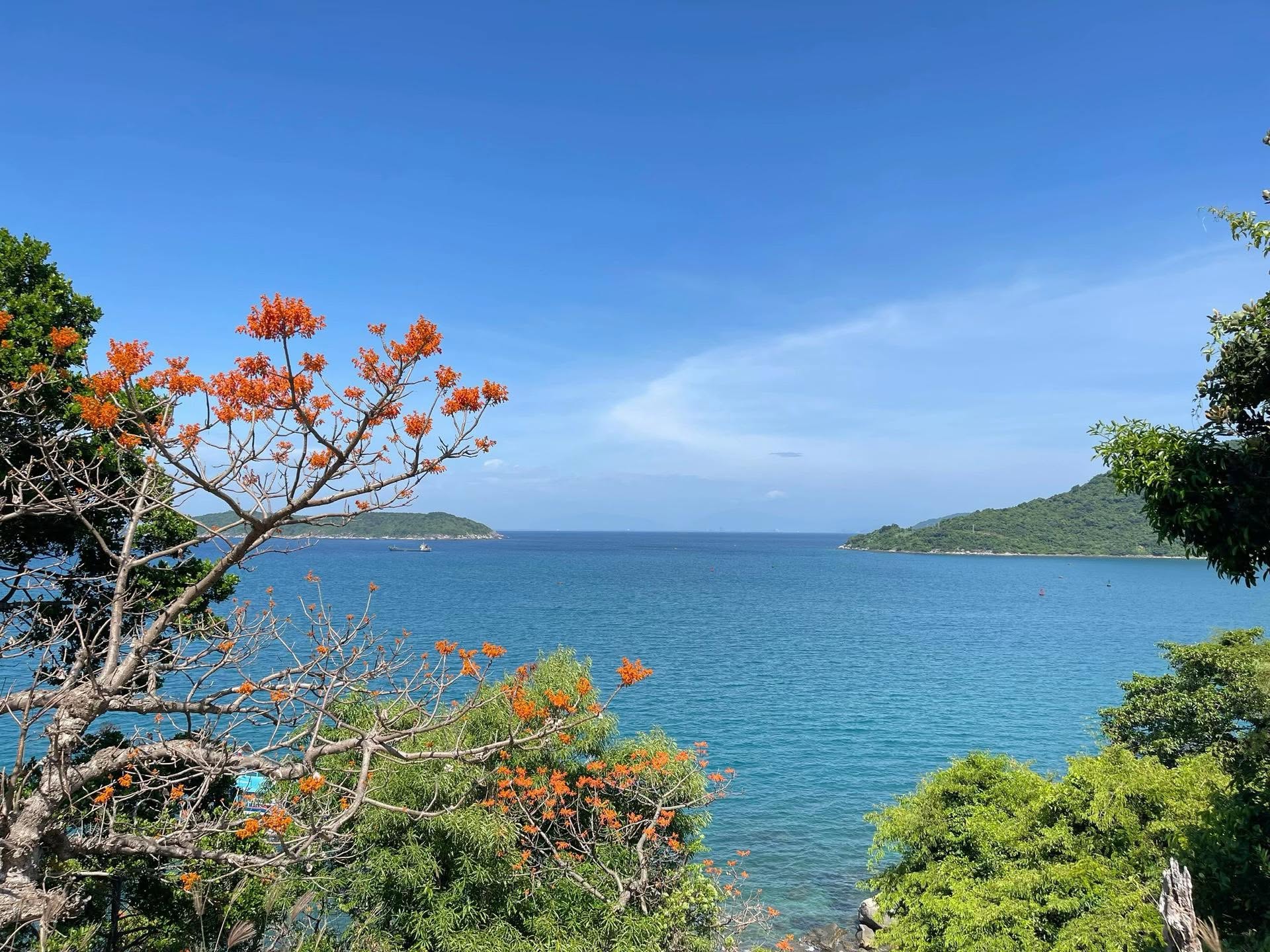
Overview of the Cu Lao Cham – Hoi An World Biosphere Reserve
The Cu Lao Cham – Hoi An World Biosphere Reserve is located within present-day Da Nang, Vietnam. It encompasses the Cu Lao Cham Archipelago, its surrounding marine waters and the ecological and cultural landscapes associated with Hoi An.
The Cu Lao Cham Archipelago lies approximately 15 kilometers east of Cua Dai Beach and consists of eight islands: Hon Lao, Hon Dai, Hon Mo, Hon Kho Me, Hon Kho Con, Hon La, Hon Tai and Hon Ong.
Hon Lao is the largest island and the main center of residential life, tourism services and visitor activities. The remaining islands contribute to the archipelago’s distinctive coastal scenery and provide habitats for various terrestrial and marine species.
Unlike protected natural areas that focus primarily on preserving specific habitats, a UNESCO biosphere reserve is designed to integrate biodiversity conservation, scientific research, environmental education and sustainable socioeconomic development.
This approach is particularly relevant to Cu Lao Cham – Hoi An, where island ecosystems are closely connected with rivers, wetlands, mangroves, coastal environments and communities that have depended on these natural resources for generations.
The Three Functional Zones
The Cu Lao Cham – Hoi An World Biosphere Reserve covers 33,737 hectares and is divided into three interconnected functional zones.
| Functional zone | Area |
|---|---|
| Core Zone | 11,560 hectares |
| Buffer Zone | 20,660 hectares |
| Transition Zone | 1,517 hectares |
| Total area | 33,737 hectares |
The Core Zone, covering 11,560 hectares, includes the islands and designated management areas within the Cu Lao Cham Marine Protected Area.
This zone performs the reserve’s primary conservation function through the management of the marine protected area and the protection of the islands’ special-use forests.
Conservation priorities include coral reefs, seagrass meadows, natural forests, wildlife habitats and areas essential for the reproduction and recovery of marine species. Fishing, tourism and other activities are subject to regulations appropriate to each management area.
The Buffer Zone, covering 20,660 hectares, includes marine waters surrounding the core zone, together with rivers, canals, natural lakes, wetlands, tidal flats, beaches, sandbars and estuarine environments associated with Hoi An.
This zone plays a crucial role in connecting terrestrial and marine ecosystems. Its wetlands and coastal habitats help retain sediments, filter water, provide shelter for aquatic species and maintain environmental conditions before river water reaches the sea.
Scientific research, environmental education, ecological restoration and carefully managed ecotourism are encouraged where they do not undermine the ecological integrity of the core zone.
The Transition Zone, covering 1,517 hectares, includes the remaining designated areas of the reserve, notably Hoi An Ancient Town and surrounding residential and traditional craft communities.
This is where economic activities, cultural traditions, tourism and everyday community life interact most directly.
Traditional craft villages such as Tra Que Vegetable Village, Kim Bong Carpentry Village and Thanh Ha Pottery Village demonstrate the long-standing relationship between local people, natural resources and traditional knowledge passed down through generations.
Together, these three zones reflect the defining philosophy of the Cu Lao Cham – Hoi An World Biosphere Reserve: nature conservation is not separate from human life but closely connected with cultural preservation, responsible resource use and sustainable development.
Biodiversity and Distinctive Ecosystems
One of the reserve’s greatest strengths is the diversity of ecosystems found within a relatively compact geographical area. These environments form a continuous ecological network extending from forested islands and coastal waters to estuaries and inland wetlands.
Coral reef ecosystems are among the most important natural resources of Cu Lao Cham. According to the reference material, the surrounding waters support approximately 300 species of hard and soft corals, creating habitats for numerous reef fish and other marine organisms.
Coral reefs contribute to coastal protection while providing feeding, shelter and breeding grounds for marine life. They also support tourism activities such as snorkeling and underwater exploration.
Seagrass ecosystems are equally important. Seagrass meadows stabilize the seabed, store carbon and provide food and shelter for various marine species.
Together with coral reefs, these underwater habitats help maintain fisheries resources and the ecological balance of the surrounding marine environment.
The waters around Cu Lao Cham also support reef fish, mollusks, sea cucumbers, giant clams and other ecologically significant organisms. Sea turtles are associated with marine habitats in the wider area, emphasizing the importance of protecting coastal ecosystems and reducing human disturbance.
Natural forest ecosystems play an essential role in maintaining the environmental stability of the islands.
The forests covering the rocky mountains of Cu Lao Cham help prevent soil erosion, protect biodiversity and regulate freshwater resources, which are particularly valuable to communities living on offshore islands.
Among the islands’ distinctive plants is the red-flowering parasol tree, locally known as ngo dong. Around July and August, its brilliant red blossoms transform sections of the mountainsides, creating one of Cu Lao Cham’s most memorable seasonal landscapes.
Another notable species is the Cu Lao Cham rock crab, a terrestrial crab that inhabits forested slopes, rocky crevices and mountainous environments. Its diet includes natural vegetation found in the island forests.
Because of concerns about overharvesting, rock crab collection has become associated with a community-based resource management and ecological labeling program.
The islands’ coastal caves also provide habitats for swiftlets, birds whose nests are traditionally harvested for the edible bird’s nest trade.
Swiftlet nest harvesting has long been an important local occupation, combining economic value with traditional knowledge of bird behavior, breeding seasons, island geography and harvesting techniques.
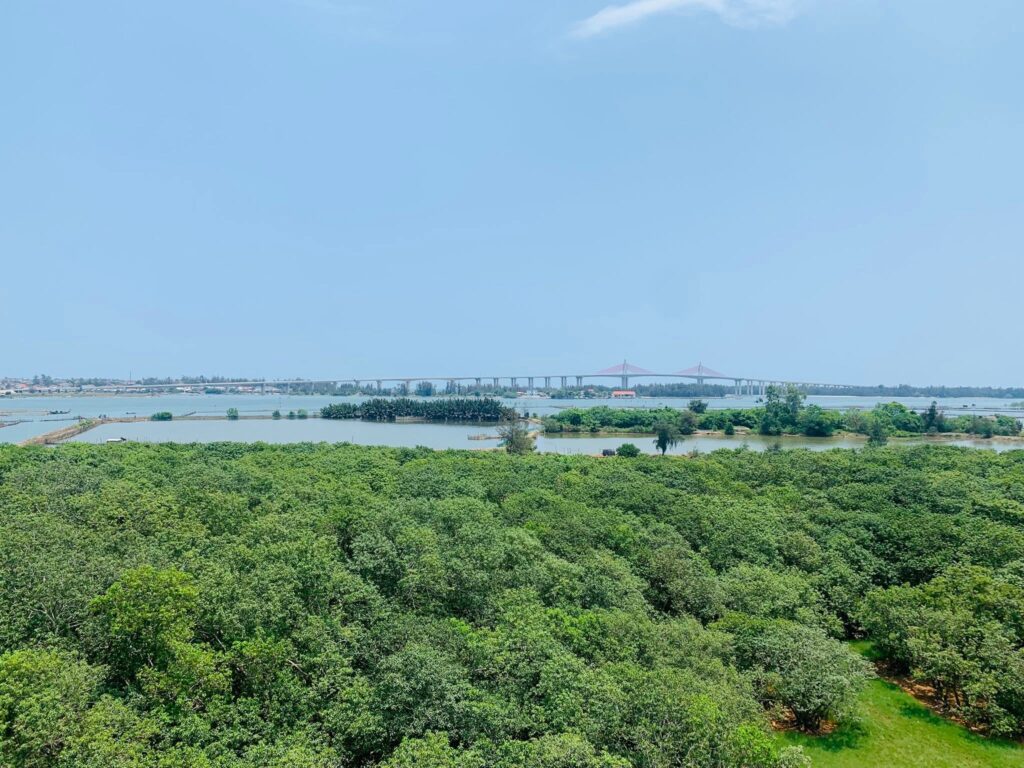
On the mainland, Cam Thanh’s nipa palm forests, tidal flats, estuaries and wetlands form essential ecological links between the Thu Bon River system and the marine environment around Cu Lao Cham.
This remarkable variety of interconnected habitats makes the biosphere reserve an important location for biodiversity research, environmental education, genetic resource conservation and sustainable livelihood development.
Cultural Heritage, History and Major Attractions
Cu Lao Cham is celebrated not only for its turquoise waters and sandy beaches but also for its long history of settlement, maritime trade and cultural exchange.
Located along historic sea routes connected with the trading port of Hoi An, the islands once served as important stopping points where merchant vessels could obtain freshwater, food supplies and shelter during their voyages.
Archaeological evidence and historical monuments reveal cultural layers associated with the Sa Huynh culture, Champa and Dai Viet, demonstrating the islands’ role in regional maritime networks over many centuries.
Beaches and Natural Landscapes
Cu Lao Cham offers a variety of beautiful beaches, each with its own atmosphere and attractions.
Bai Ong Beach is one of the most popular destinations on the islands. Its sandy shoreline, restaurants, freshwater shower facilities and recreational services make it a common stop on organized day trips. The beach also provides access to marine activities offered by local tourism operators.
Bai Chong Beach is known for its attractive sandy coastline, coconut palms and naturally sculpted coastal rocks. It is a pleasant place for swimming, relaxing and enjoying the island scenery.
Bai Lang is the main residential and transport area of Cu Lao Cham, where visitors can observe everyday island life, explore local markets and discover historical and religious landmarks.
Bai Xep Beach is recognized for its clear waters and natural surroundings. The nearby marine environment attracts visitors interested in underwater ecosystems, subject to weather conditions and conservation regulations.
Bai Huong is a traditional fishing village where visitors can learn about local fishing practices, community traditions and the cultural identity of island residents.
Beyond the beaches, travelers can explore the Heritage Banyan Tree, scenic coastal roads, mountain viewpoints and natural forest landscapes.
During the ngo dong flowering season, the red blossoms scattered across the hillsides create striking scenery for nature lovers and photographers.
Archaeological Sites and Historical Monuments
According to the heritage information provided, Cu Lao Cham contains several nationally recognized monuments, including two archaeological sites, five historical monuments and one architectural and artistic monument.
Bai Ong and Bai Lang Archaeological Sites are important locations for studying the islands’ early settlement history and their connections with ancient maritime trade networks.
Archaeological discoveries from these sites contribute to understanding cultural exchange between the mainland and offshore islands.
Hai Tang Pagoda is one of the most significant religious landmarks on Cu Lao Cham. Dating back to the 18th century, the pagoda stands in a peaceful setting surrounded by mountains and natural scenery.
Its traditional architecture and spiritual significance reflect the long-standing religious practices of the island community.
Xom Cam Ancient Well, often associated with Cham cultural heritage, is an important historical water source on the island.
The well has supplied freshwater to residents for generations and is traditionally linked to the needs of merchant vessels stopping at Cu Lao Cham.
The Swiftlet Nest Harvesters’ Ancestral Temple, located in Bai Huong, honors the pioneers and predecessors associated with the traditional swiftlet nest harvesting occupation.
The temple reflects the community’s respect for traditional livelihoods and the knowledge required to work in the islands’ challenging natural environment.
Other important historical monuments include Lang Tien Hien, Lang Ong Ngu and Lang Co Hon (Am Linh Shrine).
These sites illustrate the diverse religious traditions of coastal communities.
The worship of village founders reflects gratitude toward those who established settlements, while whale worship expresses fishermen’s hopes for protection during dangerous voyages. Shrines dedicated to departed spirits preserve traditions of remembrance and spiritual responsibility.
Cu Lao Cham’s sheltered anchorage is another important location associated with the islands’ maritime history. For generations, sheltered waters have provided fishing vessels with refuge during unfavorable weather.
Traditional Crafts and Intangible Cultural Heritage
Cu Lao Cham is also home to traditional occupations recognized as part of Vietnam’s national intangible cultural heritage.
The Thanh Chau – Hoi An Swiftlet Nest Harvesting Tradition is closely associated with the collection of natural swiftlet nests from coastal caves and rocky islands.
This occupation requires specialized knowledge of island terrain, swiftlet behavior, seasonal cycles and traditional harvesting techniques developed over generations.
The Traditional Ngo Dong Hammock Weaving Craft of Cu Lao Cham is another distinctive cultural practice.
Using fibers obtained from the ngo dong tree, skilled artisans process and weave the material into traditional hammocks. The craft reflects the community’s ability to transform local natural resources into useful products through inherited techniques.
Other aspects of island culture include fishing, seafood processing, occupational ceremonies, village festivals and traditional religious customs.
For visitors, learning about these practices offers an opportunity to discover Cu Lao Cham beyond its beaches and marine attractions.
Environmental Conservation and Sustainable Tourism
One of the most widely recognized achievements of the Cu Lao Cham – Hoi An World Biosphere Reserve is the active participation of local communities in environmental protection and natural resource management.
Since 2009, Cu Lao Cham has implemented its well-known “Say No to Plastic Bags” initiative, aiming to reduce plastic pollution and encourage more environmentally responsible consumption.
The program promotes reusable bags, baskets and other alternatives while raising awareness of the harmful effects of plastic waste on marine ecosystems.
It has become an important example of community-based environmental protection in Vietnam.
Another notable initiative is the Cu Lao Cham Rock Crab Eco-Labeling Program.
According to the reference material, rock crab harvesting is regulated through seasonal restrictions and minimum size requirements, including a minimum carapace width of 7 centimeters under the described management model.
Crabs approved for commercial sale are required to carry an identification label, helping regulate harvesting and improve traceability.
Visitors are encouraged to choose only properly labeled rock crabs when purchasing or consuming this local specialty.
Marine conservation also involves patrols, coral reef monitoring, habitat restoration and cooperation between conservation authorities and local fishing communities.
Residents participate directly in protecting marine resources, monitoring sensitive habitats and supporting conservation initiatives.
Sustainable tourism development is another major priority. Activities such as snorkeling, forest exploration, traditional craft experiences and fishing village visits must be managed carefully to minimize environmental impacts.
The conservation model of Cu Lao Cham demonstrates that the value of a UNESCO biosphere reserve extends beyond international recognition. Its long-term success depends on cooperation among local communities, authorities, tourism operators and visitors.
Cu Lao Cham Travel Guide: Best Time to Visit, Transportation and Suggested Itinerary
Cu Lao Cham is suitable for a day trip from Hoi An or a longer island experience lasting two days and one night.
Because the archipelago lies offshore, visitors should consider seasonal weather, sea conditions, transportation schedules and conservation regulations when planning their trip.
Best Time to Visit Cu Lao Cham
The most favorable period for visiting Cu Lao Cham is generally from March to August, when the weather is relatively stable, sunny days are more frequent and the sea is often calmer.
These conditions are particularly suitable for swimming, snorkeling and other marine activities.
July and August are also associated with the flowering season of the ngo dong trees, adding a distinctive natural attraction to the islands.
From September to February, central Vietnam experiences its wetter and stormier season. Strong winds, rough seas and unpredictable weather can affect transportation and outdoor activities.
Boat services may be restricted or temporarily suspended for safety reasons.
Visitors planning to travel during this period should check weather forecasts, transportation announcements and the latest operating conditions before departure.
How to Get to Cu Lao Cham
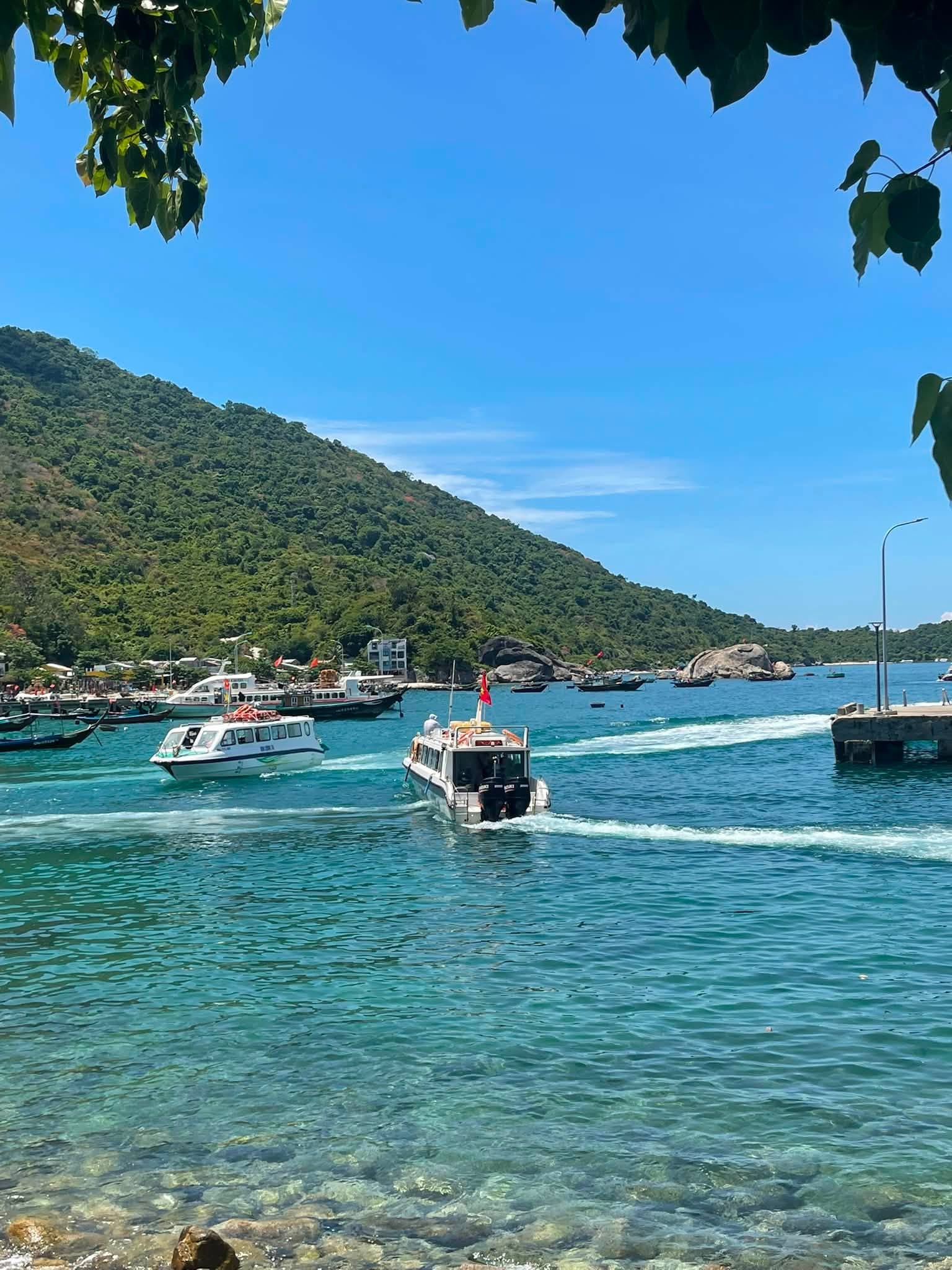
The most common way to reach Cu Lao Cham is by speedboat departing from the Cua Dai Port area near Hoi An.
| Transportation | Approximate travel time | Characteristics |
|---|---|---|
| Speedboat | 15–20 minutes | Fast and convenient, commonly used for organized tours |
| Wooden boat | Around 90 minutes | Slower transportation, generally associated with local passenger services or authorized trips |
Actual travel times depend on sea conditions, vessel type, route and operating schedules.
According to the reference material, visitors should also consider an entrance fee of VND 70,000 per person and an environmental protection and security fee of VND 20,000 per person, in addition to transportation costs.
The source also mentions exemptions or discounts for young children. These prices and eligibility conditions are indicative and should be confirmed before booking, as regulations and fees may change.
Suggested One-Day Cu Lao Cham Itinerary
Morning: Depart from Cua Dai and Explore Bai Lang
Travel by speedboat to Cu Lao Cham and begin exploring Bai Lang, the island’s main residential area.
Visit the Cu Lao Cham Marine Life Conservation Exhibition House, Xom Cam Ancient Well and Hai Tang Pagoda.
Continue to Tan Hiep Market to discover local specialties, traditional products and the daily life of island residents.
Late Morning: Discover the Marine Environment
Join a guided snorkeling excursion in an authorized marine tourism area.
Observe coral reefs and tropical marine life while following the instructions of your guide and respecting conservation regulations.
Lunch: Enjoy Local Island Cuisine
Have lunch at a local restaurant or tourism service establishment.
Popular specialties include sun-dried squid, seasonal seafood, local snails and wild forest vegetables.
Afternoon: Relax on the Beach and Return to the Mainland
Spend time swimming or relaxing at Bai Ong or Bai Chong Beach.
Enjoy the coastal scenery before returning to Cua Dai Port according to the scheduled boat service.
For a two-day, one-night visit, travelers can spend more time exploring Bai Huong Fishing Village, learning about traditional crafts, watching the sunrise and experiencing the quieter atmosphere of island life.
Additional marine activities and specialized excursions should always be arranged according to weather conditions and local conservation rules.
Important Visitor Guidelines
Visitors to Cu Lao Cham are expected to respect the environmental and cultural regulations of the biosphere reserve.
-
Do not bring plastic bags onto the islands, and minimize single-use plastic products.
-
Do not litter on beaches, in forests, at visitor sites or in the sea.
-
Wear appropriate life jackets when traveling by boat or participating in water activities.
-
Do not step on, break, collect or remove coral from its natural habitat.
-
Do not harvest marine organisms in strictly protected areas.
-
Do not hunt wildlife or disturb natural habitats.
-
Purchase or consume only rock crabs carrying valid ecological labels, in accordance with local regulations.
-
Dress respectfully when visiting pagodas, temples, shrines and other religious sites.
-
Follow the instructions of conservation authorities, boat operators and licensed tourism guides.
-
Monitor weather conditions carefully, especially during the rough-sea season.
Following these guidelines helps protect both visitor safety and the natural resources that make Cu Lao Cham an exceptional destination.
Cu Lao Cham – Hoi An: Where Nature and Cultural Heritage Meet
The Cu Lao Cham – Hoi An World Biosphere Reserve is distinguished by its combination of island ecosystems, estuarine environments, mangrove forests, cultural heritage and traditional community life.
While the Cu Lao Cham Archipelago represents the marine and island environment with its coral reefs, forests, beaches and rich biodiversity, the Hoi An area reflects centuries of interaction between people, rivers, trade, craftsmanship and cultural exchange.
Together, these landscapes form a distinctive biosphere reserve where environmental conservation and cultural preservation support the shared goal of sustainable development.
For travelers, Cu Lao Cham offers much more than swimming and snorkeling. It provides an opportunity to explore maritime history, discover historical monuments, experience traditional livelihoods and develop a deeper appreciation of the relationship between people and nature.
Protecting Cu Lao Cham means safeguarding an important part of the natural and cultural heritage of Vietnam’s central coast for future generations.
Quick Facts
| Information | Details |
|---|---|
| Official name | Cu Lao Cham – Hoi An World Biosphere Reserve |
| UNESCO designation | World Biosphere Reserve |
| Recognition date | May 26, 2009 |
| Recognition location | Jeju Island, South Korea |
| UNESCO program | Man and the Biosphere Programme (MAB) |
| Location | Cu Lao Cham and Hoi An area, Da Nang, Vietnam |
| Total area | 33,737 hectares |
| Core Zone | 11,560 hectares |
| Buffer Zone | 20,660 hectares |
| Transition Zone | 1,517 hectares |
| Number of islands | 8 |
| Largest island | Hon Lao |
| Distance from Cua Dai | Approximately 15 km |
| Major ecosystems | Coral reefs, seagrass meadows, natural forests, mangroves, estuaries and wetlands |
| Cultural heritage | Archaeological sites, pagodas, temples, traditional swiftlet nest harvesting and ngo dong hammock weaving |
| Best time to visit | March to August |
| Transportation | Speedboats and authorized wooden boats |
| Popular activities | Snorkeling, swimming, heritage exploration, fishing village experiences and ecotourism |