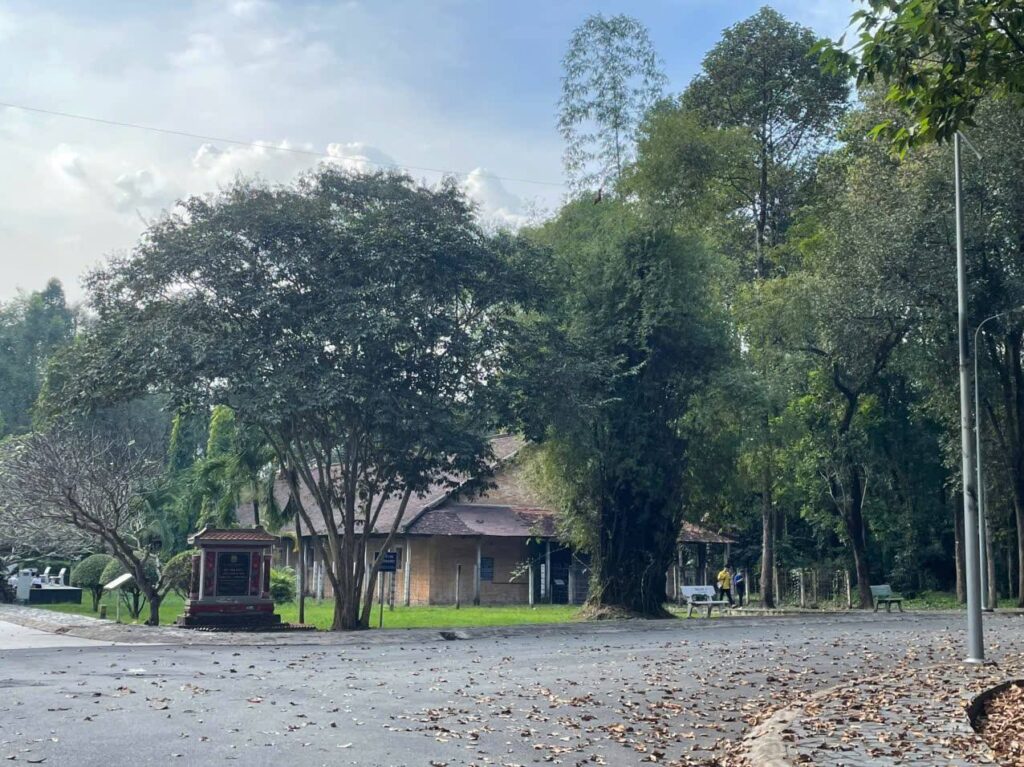
Hoàng Đế Citadel is one of the most important historical relics in the former Bình Định region, now located in An Nhơn Ward, Gia Lai Province. Built on the foundations of Đồ Bàn, the ancient capital of the Champa Kingdom, the site preserves successive layers of Champa, Tây Sơn and Nguyễn Dynasty culture. From an ancient Cham capital to the headquarters of the Tây Sơn movement and later the imperial capital of the Central Government under Emperor Thái Đức – Nguyễn Nhạc, Hoàng Đế Citadel is a remarkable testament to the political, military and cultural history of central Vietnam.
Quick Information
| Item | Information |
|---|---|
| Name | Hoàng Đế Citadel |
| Former name | Đồ Bàn Citadel |
| Type | Historical relic |
| Location | An Nhơn Ward, Gia Lai Province |
| Year of construction | 1776 |
| Officially named Hoàng Đế Citadel | 1778 |
| Historical figure associated | Emperor Thái Đức – Nguyễn Nhạc |
| Cultural layers | Champa, Tây Sơn and Nguyễn Dynasty |
| Structure | Outer Citadel, Inner Citadel and Forbidden Citadel |
| Outer Citadel circumference | Approximately 7,400 m |
| Inner Citadel dimensions | 430 m long and 370 m wide |
| Forbidden Citadel dimensions | 174 m long and 126 m wide |
| National-level recognition | 1982 |
Location: An Nhơn Ward, Gia Lai Province, Vietnam.
From Đồ Bàn Capital to Hoàng Đế Citadel
Hoàng Đế Citadel was constructed by the Tây Sơn dynasty in 1776 on the foundations of Đồ Bàn, the ancient capital of the Champa Kingdom. In 1778, the site was officially named Hoàng Đế Citadel, marking the establishment of a new political center under the Central Government led by Nguyễn Nhạc.
From 1776 to 1793, the citadel served as the main headquarters of the Tây Sơn military forces and later became the capital of the central government of Emperor Thái Đức – Nguyễn Nhạc. The decision to establish the capital on the former Đồ Bàn site reflected Nguyễn Nhạc’s strategic vision in utilizing the location, architectural foundations and symbolic significance of an ancient city that had existed for centuries.
Few historical sites in Vietnam preserve such a remarkable combination of cultural layers. Ancient Cham remains, Tây Sơn royal architecture and Nguyễn Dynasty structures coexist within the same landscape, creating a heritage site of exceptional historical depth.
Scale and Structure of the Ancient Citadel
Hoàng Đế Citadel was originally a rectangular architectural complex consisting of three main defensive and ceremonial zones: the Outer Citadel, Inner Citadel and Forbidden Citadel.
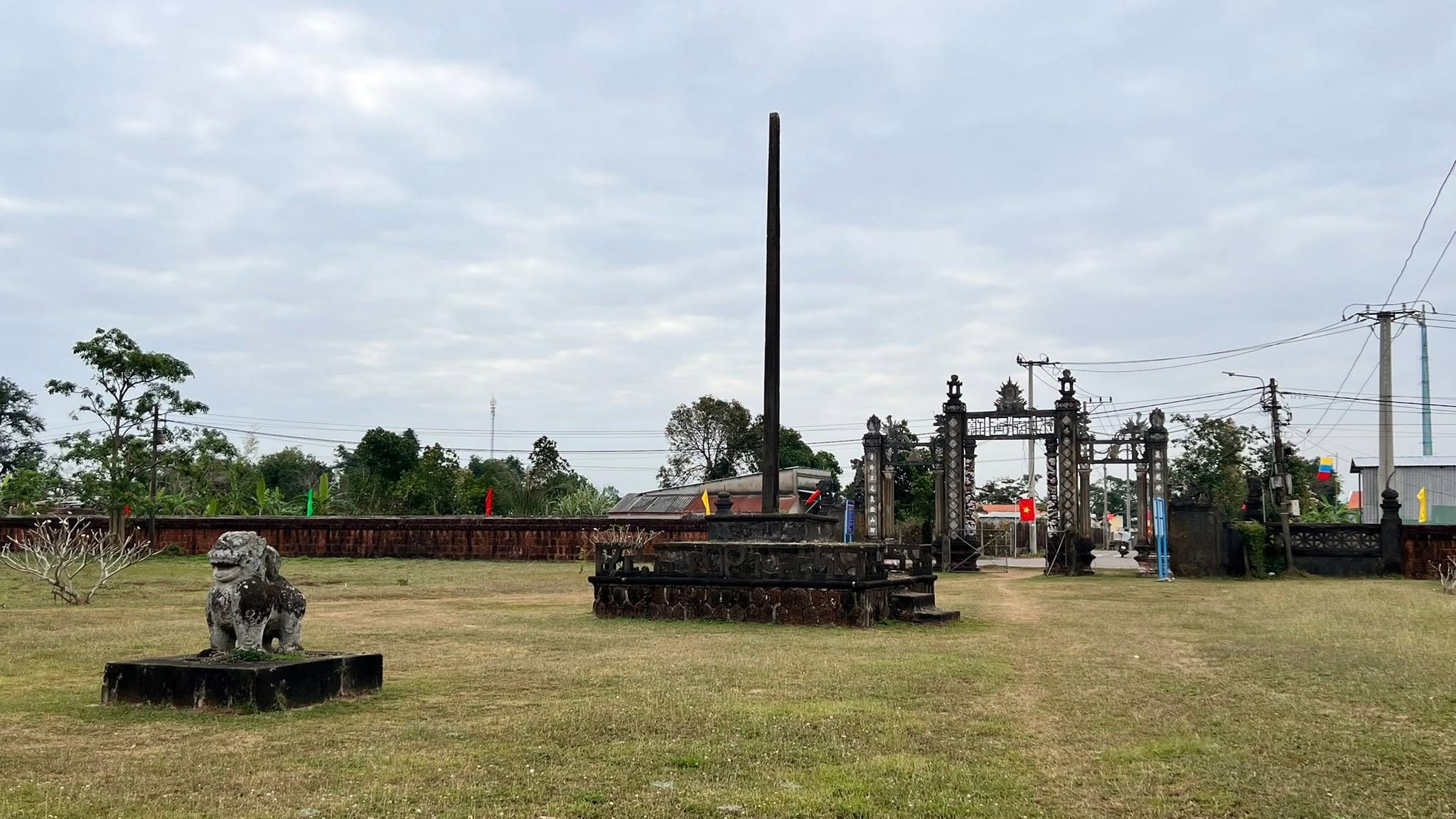
The Outer Citadel had a circumference of approximately 7,400 meters, enclosing the extensive urban and military area. Within it stood the Inner Citadel, also known as the Imperial Citadel, measuring approximately 430 meters in length and 370 meters in width.
At the heart of the Inner Citadel was the Forbidden Citadel, regarded as the central seat of royal power. It measured approximately 174 meters long and 126 meters wide, and is believed to have contained palaces and residential spaces for the royal court.
The three-layer structure reflects the scale and organization of a feudal capital, while also demonstrating how the Tây Sơn authorities adapted and expanded upon the architectural foundations of the earlier Champa capital.
Three Cultural Layers: Champa, Tây Sơn and Nguyễn Dynasty
Hoàng Đế Citadel is often regarded by researchers as a living museum of regional history because of the overlapping cultural layers preserved at the site.
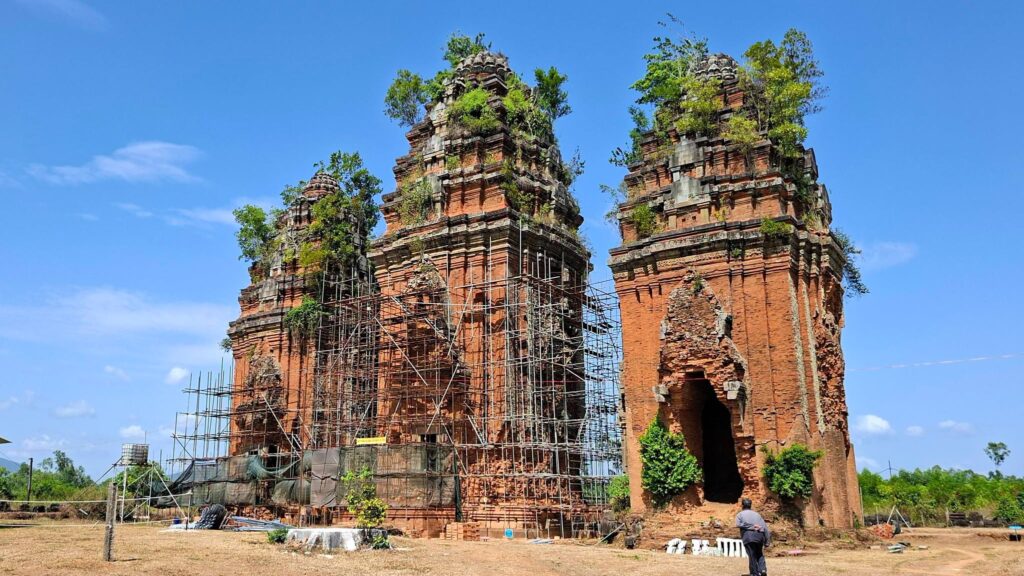
The first layer is Champa, associated with Đồ Bàn, which served as an important political and cultural center of the Champa Kingdom for centuries. Structures such as Cánh Tiên Tower, stone sculptures, defensive walls and ancient architectural remains testify to the achievements of Champa civilization in this region.
The second layer is Tây Sơn, associated with Nguyễn Nhạc’s transformation of the former Đồ Bàn site into the political center of the Central Government under Emperor Thái Đức. Archaeological traces of palaces, reservoirs, foundations and ceremonial structures have helped clarify the appearance of the Tây Sơn capital.
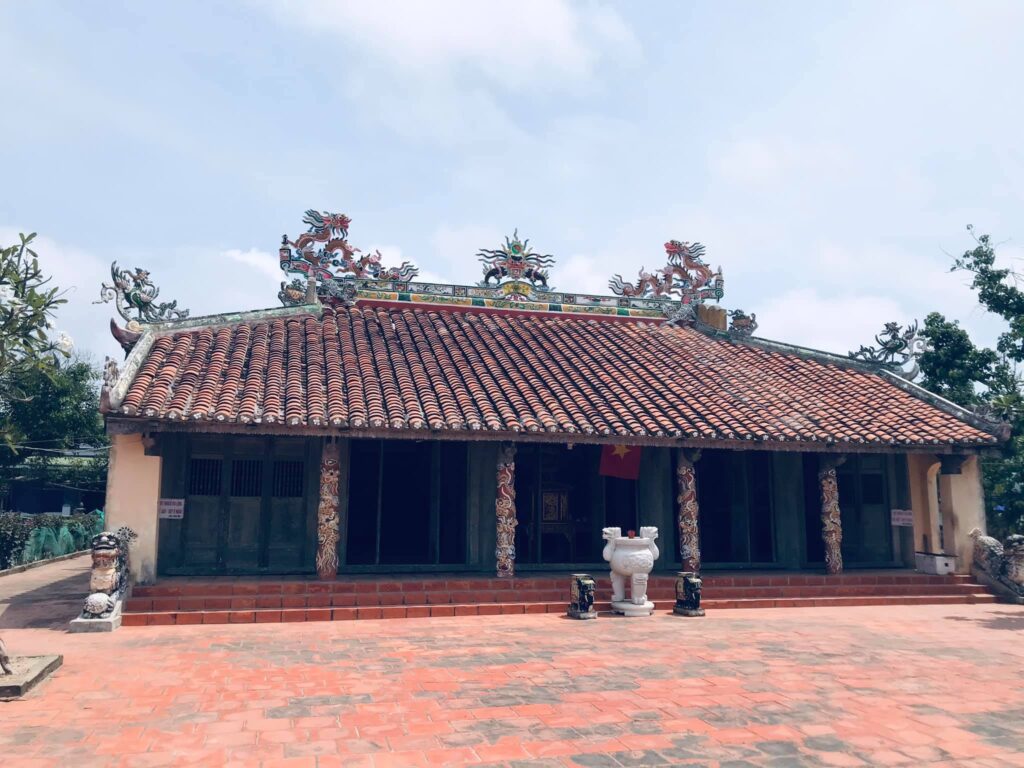
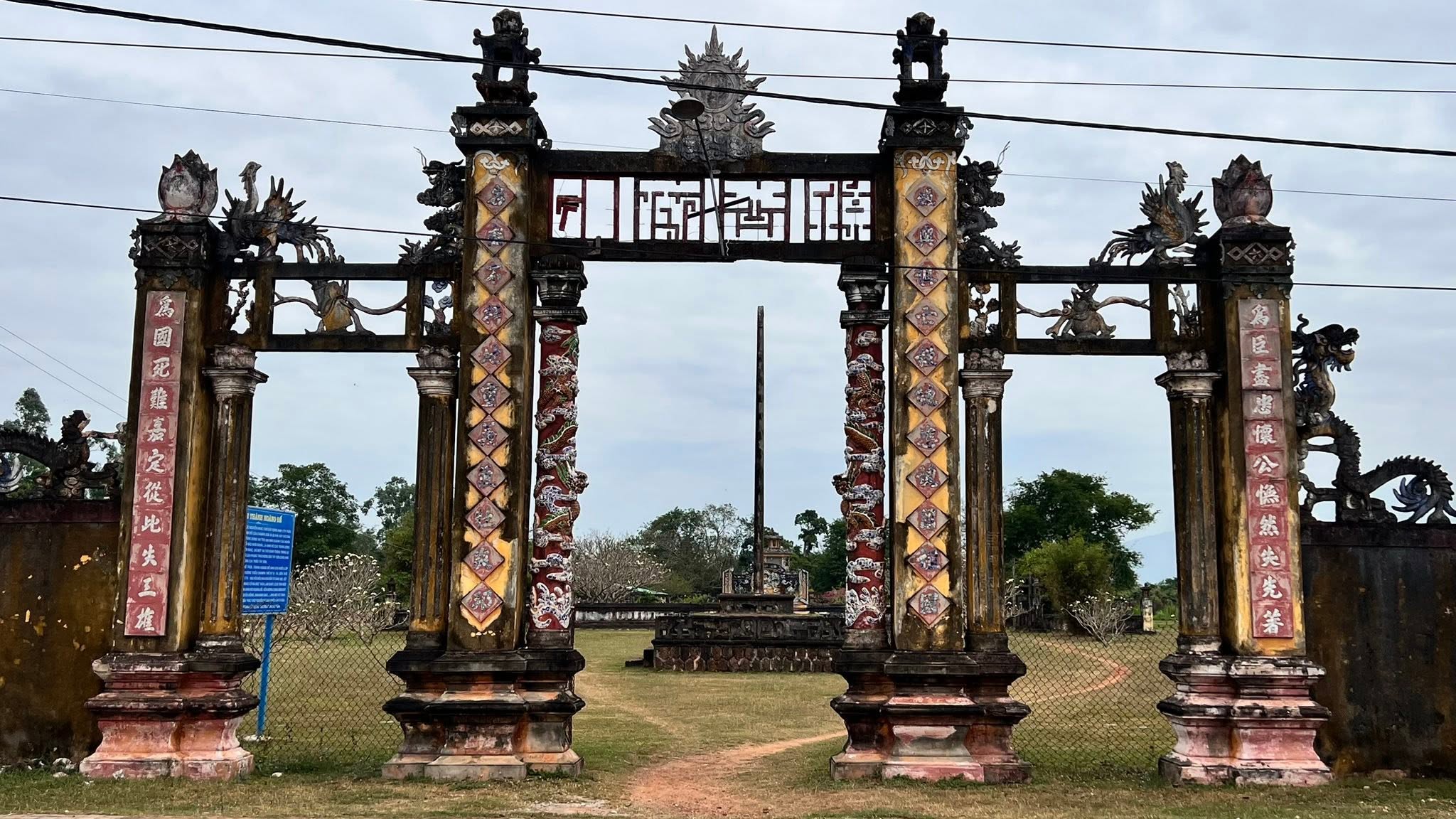
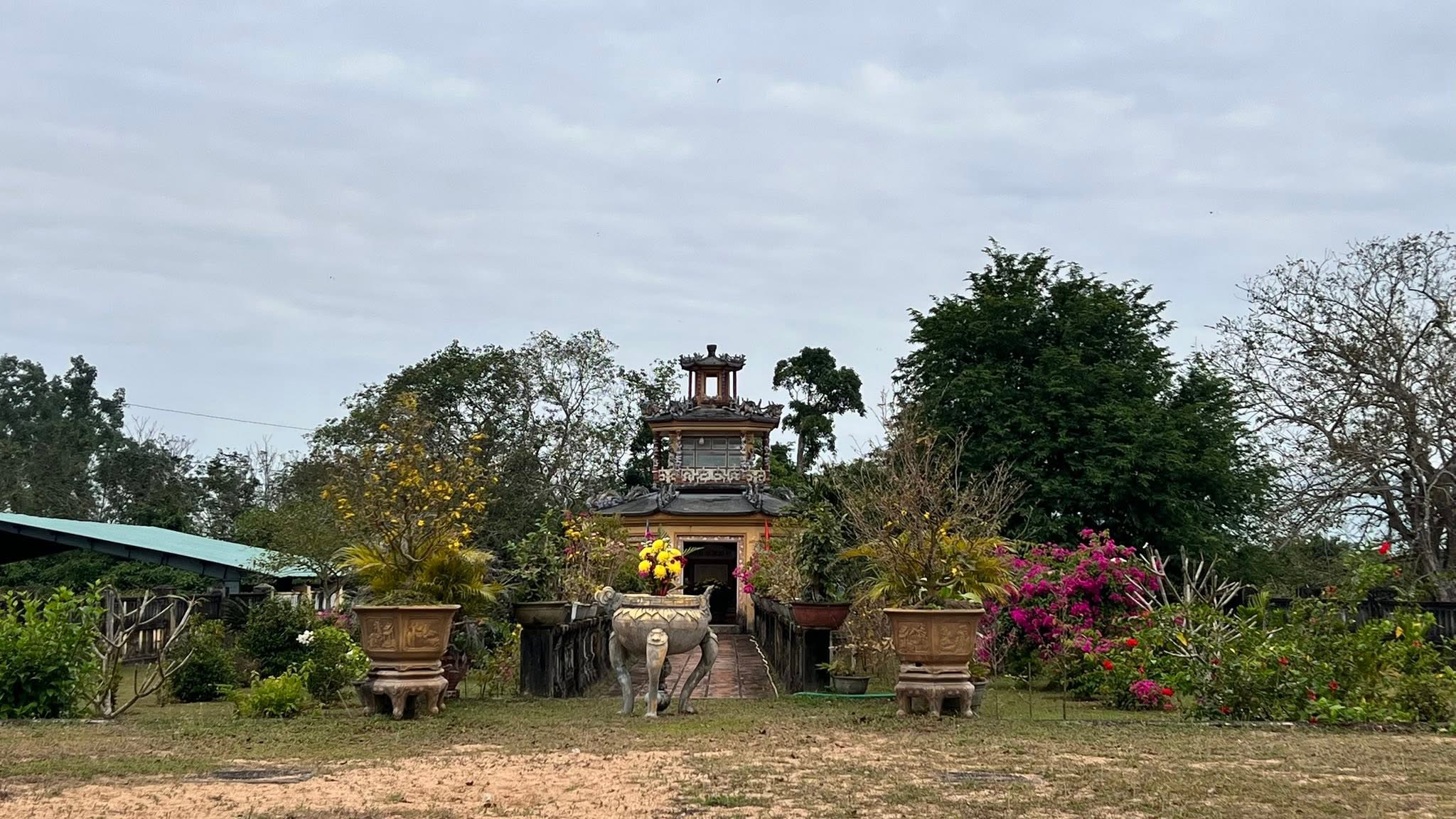
The third layer is the Nguyễn Dynasty, represented by structures built after the fall of the Tây Sơn dynasty. On the former citadel grounds, the Nguyễn court constructed a memorial complex dedicated to Võ Tánh and Ngô Tùng Châu, two Nguyễn officials who died during the military conflict at the citadel in the late eighteenth century. The complex reflects Nguyễn Dynasty artistic and architectural styles, adding another historical chapter to the site.
Important Archaeological Discoveries
Through successive archaeological excavations, the layout and historical character of Hoàng Đế Citadel have gradually become clearer. Researchers have uncovered various architectural remains, including two crescent-shaped ponds, a leaf-shaped pond, the foundations of the Octagonal Palace, the Quyển Bồng Palace associated with the Tây Sơn period, and the foundations of the Chiêu Trung Shrine from the Nguyễn Dynasty.
Particularly significant are the architectural traces discovered within the Forbidden Citadel, which reveal the scale and organization of the Tây Sơn royal complex. Archaeologists have also identified remains believed to be a Tây Sơn-period stone rockery, consisting of large upright stones that may have symbolized longevity, stability and prosperity within the royal landscape.
The Nam Giao Esplanade has also been excavated, revealing traces of foundations and surrounding walls. This discovery contributes to the understanding of the ceremonial and religious functions of the ancient capital and confirms the presence of a formal state ritual space.
However, because Hoàng Đế Citadel contains several overlapping cultural layers, the exact scale and layout of certain areas, particularly the Forbidden Citadel and Inner Citadel, remain subjects of ongoing historical and archaeological research.
Precious Artifacts of Hoàng Đế Citadel
Beyond its ancient walls, foundations and towers, the Hoàng Đế Citadel area is also associated with a remarkable collection of Champa stone sculptures.
Among the most notable are a pair of Champa stone lions dating from approximately the 11th–12th centuries, officially recognized as National Treasures in 2024. Discovered near Cánh Tiên Tower, the sculptures are regarded as outstanding examples of Champa stone carving, demonstrating both artistic sophistication and powerful visual expression.
Another important pair is the stone elephants of Đồ Bàn Citadel, dating from approximately the 12th–13th centuries and recognized as National Treasures in 2023. These monumental sculptures, once positioned near the Inner Citadel, are among the largest Champa stone elephant statues ever discovered. Their imposing forms evoke the majesty and ceremonial grandeur of the ancient capital.
At Nhạn Sơn Pagoda are two guardian statues, commonly known in local tradition as “Ông Đỏ” and “Ông Đen.” Dating from approximately the 12th–13th centuries and recognized as National Treasures in 2019, the statues reflect the religious symbolism and distinctive artistic style of classical Champa sculpture.
Together, these artifacts provide valuable insight into the cultural and artistic significance of Đồ Bàn before the site became the capital of the Tây Sơn dynasty.
The Mausoleum of Võ Tánh and Ngô Tùng Châu
After the fall of the Tây Sơn dynasty, Hoàng Đế Citadel was gradually destroyed and fell into ruin. On the former citadel grounds, the Nguyễn Dynasty built a memorial complex dedicated to Võ Tánh and Ngô Tùng Châu, two historical figures associated with the military events that took place at the citadel in the late eighteenth century.
The mausoleum complex reflects the architectural and artistic style of the Nguyễn Dynasty and forms an important part of the broader heritage landscape. Its presence illustrates how the functions and symbolic meanings of the citadel changed across different historical periods.
Hoàng Đế Citadel and the Tây Sơn Heritage Network
Hoàng Đế Citadel forms part of a wider historical and cultural landscape associated with the Tây Sơn uprising and the homeland of many prominent Tây Sơn generals.
Other related relics in the surrounding area include Gò Đá Đen, Bến Trường Trầu, Bãi Nhạn – Tam Tòa Mountain, the Võ Văn Dũng ancestral temple and the Bùi Thị Xuân ancestral temple, among others. Together, these sites form an important network of historical and cultural heritage, reflecting the development of the Tây Sơn movement and the establishment of its political and military power.
Conservation and Heritage Development
Hoàng Đế Citadel was recognized as a national historical relic in 1982. In recent years, conservation efforts have included archaeological research, the establishment of protected boundaries, restoration of surviving structures and planning for the gradual rehabilitation of significant heritage elements.
Several projects have been proposed or implemented, including the construction of a temple dedicated to Emperor Thái Đức – Nguyễn Nhạc, restoration of the Nam Giao Esplanade and improvement of the surrounding landscape. However, conservation work remains complex because the site contains overlapping Champa, Tây Sơn and Nguyễn Dynasty remains.
Researchers emphasize the importance of continued archaeological excavation guided by clear scientific objectives, combining historical research, architectural studies and heritage conservation. Any reconstruction should be based on reliable evidence rather than assumptions, ensuring that the historical character of Hoàng Đế Citadel is preserved with accuracy and integrity.
A Remarkable Heritage Destination in Gia Lai
With a history spanning many centuries, Hoàng Đế Citadel brings together the legacies of Champa civilization, the Tây Sơn movement and the Nguyễn Dynasty. Ancient walls, palace foundations, reservoirs, Cham towers, Nguyễn-period memorial structures and exceptional stone sculptures together create a unique heritage landscape.
For travelers interested in history, archaeology and the cultural heritage of central Vietnam, the citadel offers an opportunity to explore the evolution of ancient capitals, the rise of the Tây Sơn dynasty and the complex cultural transitions that shaped the region.
Hoàng Đế Citadel is more than the remains of a capital that served as a center of power during two distinct historical periods. It is also a witness to major transformations in the history of Champa and Vietnam, a heritage site whose stories continue to be researched, preserved and brought back into public life.