

Vietnam is one of Southeast Asia’s most appealing destinations for travelers seeking memorable experiences at reasonable costs. From vibrant cities and traditional villages to beautiful beaches and mountain landscapes, the country offers a wide range of travel options for different budgets.
However, affordable travel does not happen automatically. Transportation, accommodation, meals, sightseeing activities, and unexpected expenses can quickly add up without proper planning.
Learning how to create a realistic travel budget can help you manage your spending, avoid unnecessary costs, and enjoy your journey through Vietnam with greater confidence.
1. Determine Your Total Travel Budget
Before planning your itinerary, decide how much money you can comfortably spend on your trip.
Your total budget should cover the main travel expenses, including:
- International and domestic transportation.
- Hotels, hostels, homestays, or other accommodation.
- Daily meals and drinks.
- Local transportation.
- Entrance tickets and sightseeing activities.
- Shopping and personal expenses.
- Emergency and unexpected expenses.
International visitors should also consider visa fees, travel insurance, mobile connectivity, and currency exchange charges.
Setting a clear spending limit makes it easier to choose suitable destinations, accommodation, and travel experiences.
2. Divide Your Budget into Expense Categories
One of the easiest ways to manage travel expenses is to allocate your budget across several categories.
The following distribution can serve as a starting point:
| Expense Category | Suggested Allocation |
|---|---|
| Accommodation | 25% |
| Food and drinks | 20% |
| Transportation | 25% |
| Sightseeing and activities | 15% |
| Emergency reserve | 15% |
| Total | 100% |
These percentages are illustrative and should be adjusted to match your travel style.
For example, a multi-city itinerary may require a larger transportation budget, while a relaxing beach holiday may involve higher accommodation costs.
3. Choose the Right Time to Visit Vietnam
Travel dates can significantly influence the cost of your trip.
During public holidays, major festivals, and peak tourism periods, accommodation and transportation prices may increase due to higher demand.
To save money, consider:
- Traveling during less crowded periods.
- Choosing weekdays instead of weekends when practical.
- Booking flights and accommodation in advance.
- Comparing prices across different travel dates.
- Looking for promotions from reputable travel providers.
- Checking seasonal weather conditions before booking.
Vietnam’s climate varies considerably between regions. A cheaper travel period may also coincide with heavy rainfall, storms, or unfavorable sea conditions.
Always balance potential savings with weather, safety, and transportation reliability.
4. Save Money on Transportation
Transportation can account for a significant portion of your travel budget, especially if you plan to visit several destinations.
Vietnam offers various transportation options, including domestic flights, trains, long-distance buses, limousine services, ferries, taxis, and local public transport.
To reduce transportation expenses:
- Compare the total cost of different transportation options.
- Check baggage allowances and additional charges.
- Use public transportation when convenient.
- Group nearby attractions into the same day’s itinerary.
- Avoid unnecessary last-minute booking changes.
- Check estimated taxi or ride-hailing fares before traveling.
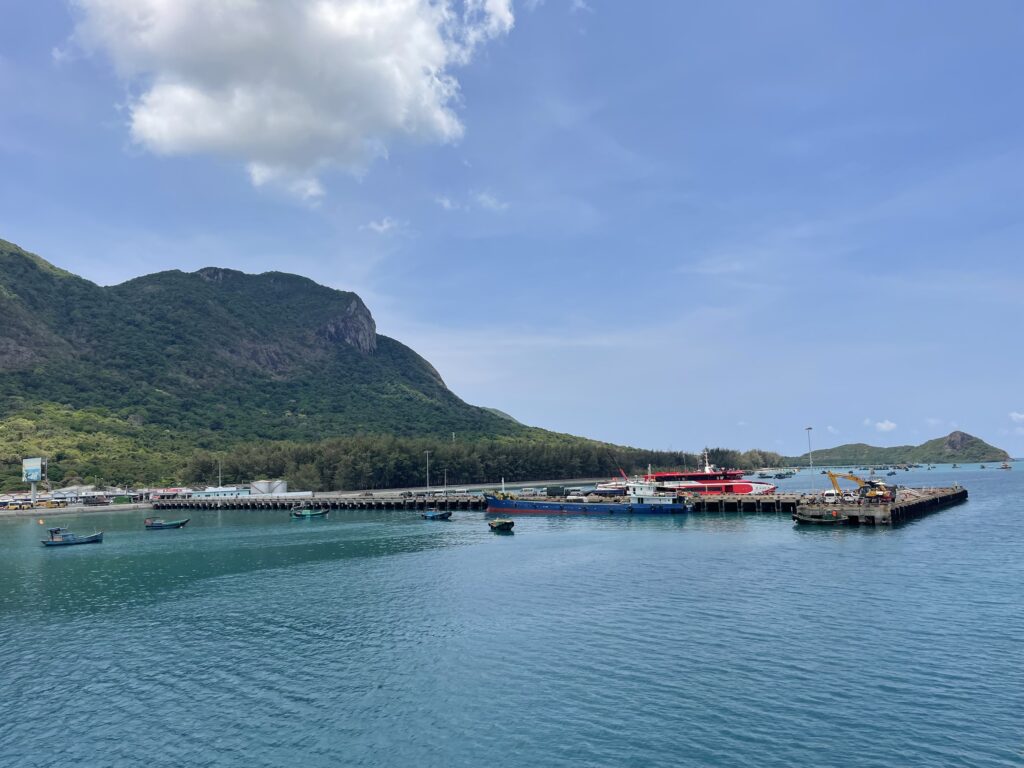
For island destinations, always review ferry schedules and weather forecasts. Cancellations or delays caused by unfavorable sea conditions may lead to additional accommodation and transportation expenses.
5. Find Affordable Accommodation
Vietnam offers accommodation for a wide range of budgets, from backpacker hostels and family-run homestays to hotels and luxury resorts.
Choosing the cheapest room is not always the most economical option.
A hotel located far from major attractions may result in higher transportation costs and longer travel times.
Before booking, consider:
- The total room price, including applicable taxes and fees.
- Distance from attractions and transportation hubs.
- Guest reviews and property ratings.
- Cancellation and refund policies.
- Included amenities such as breakfast and Wi-Fi.
- Charges for early check-in, late check-out, or additional guests.
Choosing accommodation that fits your itinerary can help you save both money and time.
6. Manage Your Daily Food Budget
Vietnamese cuisine is one of the highlights of traveling through the country.
From pho and banh mi to regional noodle dishes, fresh seafood, and traditional desserts, travelers can enjoy a wide variety of food at different price levels.
To keep dining expenses under control:
- Explore local restaurants with clearly displayed prices.
- Review menus before ordering.
- Confirm seafood prices and weights in advance.
- Combine affordable local meals with occasional special dining experiences.
- Set a daily allowance for snacks, coffee, and drinks.
- Choose establishments with appropriate food hygiene practices.
Eating at local restaurants can be both economical and culturally rewarding.
7. Prioritize Sightseeing and Travel Experiences
Not every memorable experience in Vietnam requires an expensive ticket or organized tour.
Many destinations offer free or low-cost activities, including walking through historic neighborhoods, exploring traditional markets, visiting public spaces, and enjoying scenic landscapes.
When planning activities, divide them into three groups:
- Must-see attractions: Places and experiences you consider essential.
- Optional activities: Experiences you can enjoy if your budget allows.
- Free or low-cost experiences: Activities that add value without significantly increasing expenses.
This approach helps you focus your spending on the experiences that matter most.
Before booking tours, check whether entrance tickets, transportation, meals, and guide services are included in the advertised price.
8. Set Aside Money for Unexpected Expenses
Even a carefully planned trip may involve unexpected costs.
Common situations include transportation delays, changes in accommodation, additional baggage charges, medical expenses, or itinerary adjustments caused by weather.
As a general budgeting guideline, consider setting aside approximately 10–20% of your planned travel budget for emergencies and unexpected expenses.
The appropriate amount depends on your itinerary, travel duration, personal circumstances, and level of financial risk.
Keep this reserve separate from your regular spending budget whenever possible.
Travel insurance may also help reduce financial exposure to certain covered emergencies.
9. Sample Budget for a Five-Day Trip to Vietnam
Suppose you have a total budget of VND 5,000,000 per person for a five-day trip within Vietnam.
You could allocate your spending as follows:
| Expense Category | Budget |
|---|---|
| Accommodation | VND 1,250,000 |
| Food and drinks | VND 1,000,000 |
| Transportation | VND 1,250,000 |
| Sightseeing and activities | VND 750,000 |
| Emergency reserve | VND 750,000 |
| Total | VND 5,000,000 |
Under this example, your planned spending is VND 4,250,000, with VND 750,000 reserved for unexpected expenses.
Important: This is an illustrative budget for a relatively economical domestic itinerary. It does not include international flights and may not be sufficient for certain destinations, travel seasons, or activities.
Actual costs vary depending on departure location, transportation choices, accommodation standards, and individual preferences.
10. Track Your Spending Throughout the Trip
Creating a budget is only the beginning. Monitoring expenses during your trip helps you stay within your planned spending limits.
You can use a budgeting application, spreadsheet, or simple notes on your phone to record daily expenses.
At the end of each day:
- Review how much you have spent.
- Compare actual expenses with your planned budget.
- Identify categories where spending is higher than expected.
- Adjust upcoming activities or purchases when necessary.
For group travel, agree in advance on how shared expenses will be divided and recorded.
11. Additional Budget Considerations for International Travelers
Visitors arriving from overseas may need to account for expenses that domestic travelers do not typically face.
These can include:
- Visa or e-Visa fees, where applicable.
- International airfare.
- Travel insurance.
- Foreign currency exchange charges.
- ATM withdrawal and international transaction fees.
- Local SIM cards or travel eSIM packages.
- Airport transfers.
- Additional transportation between destinations.
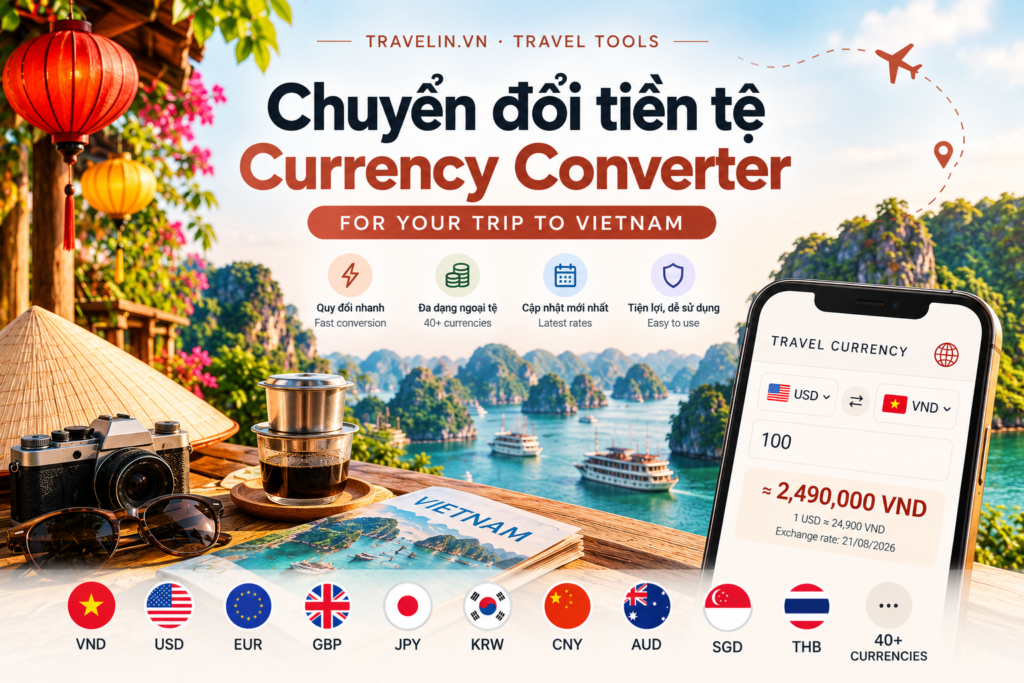
It is also helpful to understand the Vietnamese dong (VND) and check exchange rates before making major purchases or withdrawing cash.
Use reputable banks and authorized currency exchange services.
Practical Money-Saving Tips for Vietnam
A few simple habits can make a meaningful difference to your overall travel expenses.
Book strategically: Compare prices and booking conditions rather than choosing solely based on advertised discounts.
Travel at a comfortable pace: Visiting fewer destinations may reduce transportation expenses and allow more time to explore each location.
Use local services: Consider reputable local restaurants, public transportation, and community-based experiences.
Avoid unnecessary fees: Check baggage policies, currency conversion charges, and cancellation conditions.
Keep your itinerary flexible: Allow enough time between transportation connections to reduce the risk of costly disruptions.
Review your spending regularly: Small daily expenses can become significant over a longer trip.
Enjoy Vietnam Without Overspending
Traveling on a budget does not mean sacrificing meaningful experiences.
With thoughtful planning, realistic spending limits, and a suitable emergency reserve, visitors can discover Vietnam’s natural beauty, cultural heritage, local cuisine, and diverse destinations while maintaining control over their finances.
Whether you are planning a short city break, a coastal holiday, or a journey across several regions, a well-organized budget can help make your trip more enjoyable and financially manageable.
Explore more destination guides, travel tips, and useful travel planning tools at Travelin.vn – Travel in Vietnam.
Disclaimer: The percentages and budget examples in this article are provided for general reference only. They are not official travel price quotations or personalized financial advice. Actual expenses depend on travel dates, destinations, service providers, and individual needs.