

When traveling to Vietnam, carrying some Vietnamese dong (VND) is still essential, even if you have a Visa, Mastercard, or another international payment card. Cash remains useful at traditional markets, local restaurants, small shops, and certain tourist attractions.
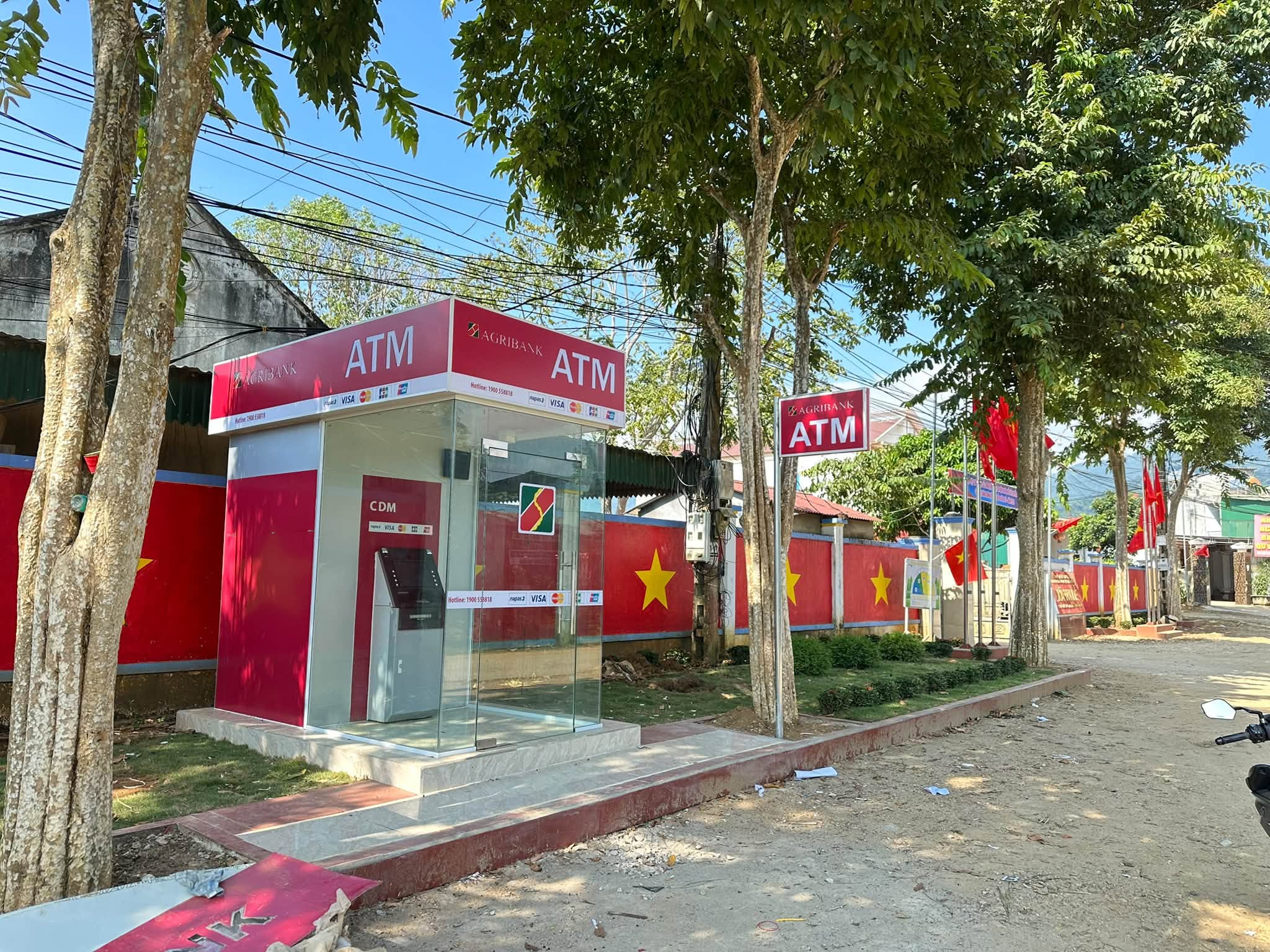
One of the most convenient ways to obtain Vietnamese currency is to withdraw cash directly from an ATM using an international bank card. However, not every ATM accepts foreign-issued cards, and withdrawal fees and transaction limits may vary between banks.
This guide from Travelin.vn – Travel in Vietnam explains how international visitors can find ATMs, withdraw Vietnamese dong, understand transaction fees, choose the right currency conversion option, and handle common ATM problems during their trip.
1. Can Foreign Tourists Withdraw Money from ATMs in Vietnam?
Yes. Foreign tourists can withdraw cash from ATMs in Vietnam that support their international card network.
Commonly supported payment networks include:
- Visa: International debit cards and eligible credit or prepaid cards with cash withdrawal functionality.
- Mastercard: International debit cards and other eligible cards that allow cash withdrawals.
- UnionPay: Accepted at selected ATM networks.
- JCB: Supported at compatible ATMs within participating networks.
Withdrawal availability depends on the issuing bank, card type, card status, and ATM network.
If you use a credit card to withdraw money, the transaction may be classified as a cash advance, which can involve additional fees and interest charges.
For this reason, an international debit card is generally a more suitable option for withdrawing money from your bank account.
2. Where Can You Find ATMs in Vietnam?
ATMs are available in many Vietnamese cities, residential areas, shopping centers, and tourist destinations.
Common ATM locations include:
- Bank branches and banking offices.
- Shopping malls.
- Supermarkets and selected convenience stores.
- Airports.
- Areas near hotels.
- Commercial streets and residential neighborhoods.
Some banks operating ATM networks in Vietnam include:
| Bank | Full Name |
|---|---|
| Vietcombank | Joint Stock Commercial Bank for Foreign Trade of Vietnam |
| BIDV | Joint Stock Commercial Bank for Investment and Development of Vietnam |
| VietinBank | Vietnam Joint Stock Commercial Bank for Industry and Trade |
| Agribank | Vietnam Bank for Agriculture and Rural Development |
| Techcombank | Vietnam Technological and Commercial Joint Stock Bank |
| ACB | Asia Commercial Joint Stock Bank |
| MB Bank | Military Commercial Joint Stock Bank |
| VPBank | Vietnam Prosperity Joint Stock Commercial Bank |
This list is provided for reference only. Not every ATM operated by these banks supports all international cards.
Travelers should check the payment network logos displayed on the ATM before using it.
3. How to Withdraw Money from an ATM in Vietnam
The process of withdrawing cash from an ATM in Vietnam is generally similar to that in many other countries.
Step 1: Find a Compatible ATM
Look for an ATM displaying the Visa, Mastercard, or other payment network logo that matches your card.
For additional security, choose an ATM located at a bank branch or in a well-lit, monitored area.
Step 2: Insert Your Card
Insert your card into the machine according to the instructions displayed.
Some ATMs may support other card-reading methods, depending on their technology.
Step 3: Select Your Language
Many ATMs in Vietnam offer both Vietnamese and English.
International visitors can select English to navigate the transaction more easily.
Step 4: Enter Your PIN
Enter your card’s Personal Identification Number (PIN).
Cover the keypad with your hand while entering your PIN to protect your information.
Never share your PIN with anyone.
Step 5: Select Cash Withdrawal
Choose the option labeled:
Cash Withdrawal / Withdrawal
Depending on the ATM, you may also need to select an account type, such as Savings, Current, or Checking.
If you are unsure which account type to choose, check with your card issuer.
Step 6: Enter the Withdrawal Amount
Choose one of the suggested amounts or enter the amount you wish to withdraw.
ATMs in Vietnam normally dispense Vietnamese dong (VND).
For example:
- 500,000 VND.
- 1,000,000 VND.
- 2,000,000 VND.
- 3,000,000 VND.
The amount you can withdraw depends on the ATM’s transaction limit, your issuing bank’s restrictions, and your available balance.
Step 7: Review Fees and Currency Conversion
Before confirming the withdrawal, the ATM may display transaction fees or offer a currency conversion option.
Read the information carefully before proceeding.
Step 8: Collect Your Cash and Complete the Transaction
After a successful withdrawal, collect your cash, card, and receipt if provided.
The order in which the ATM returns your card and dispenses cash may vary.
Make sure the transaction has ended before leaving the machine.
4. How Much Are ATM Withdrawal Fees in Vietnam?
When withdrawing cash with a foreign-issued card, travelers may encounter several types of fees.
Local ATM Operator Fees
Some Vietnamese banks charge fees for withdrawals made with international cards.
Fees may be calculated as a fixed amount, a percentage of the withdrawal, or another method depending on the ATM operator.
There is no single ATM withdrawal fee that applies to every bank in Vietnam.
Fees Charged by Your Home Bank
Your card issuer may charge additional fees, including:
- Overseas ATM withdrawal fees.
- International transaction fees.
- Foreign currency conversion fees.
Credit Card Cash Advance Fees
If you use a credit card to withdraw money, the transaction may be subject to cash advance fees and interest according to your card agreement.
Example of ATM Withdrawal Costs
Suppose you withdraw 2,000,000 VND:
| Item | Amount |
|---|---|
| Cash received | 2,000,000 VND |
| Hypothetical ATM operator fee | 50,000 VND |
| Card issuer’s withdrawal fee | Depends on your bank |
| Currency conversion charges | Depends on your card terms |
Important: The 50,000 VND ATM fee shown above is a hypothetical example, not a verified current fee charged by any specific Vietnamese bank.
Always review the ATM’s displayed charges and your issuing bank’s fee schedule.
5. ATM Withdrawal Limits in Vietnam
Each ATM may have its own cash withdrawal limits.
These limits can depend on:
- The bank operating the ATM.
- Your international card type.
- The transaction processing network.
- The maximum amount allowed per withdrawal.
- Daily withdrawal limits set by your issuing bank.
Some ATMs may allow larger withdrawals than others.
If your requested amount exceeds the ATM’s limit, you may try a smaller amount or use another compatible ATM.
However, avoid making multiple withdrawals without checking the fees, as each transaction may result in additional charges.
6. Should You Choose VND or Your Home Currency at an ATM?
This is one of the most important things international travelers should understand when withdrawing money in Vietnam.
Some ATMs may offer a choice between:
- Using the exchange rate provided by the ATM.
- Allowing the card network and your issuing bank to process the currency conversion.
The first option may involve Dynamic Currency Conversion (DCC).
DCC allows an ATM operator or payment service provider to convert the transaction into your home currency at the time of withdrawal.
In many cases, declining the ATM’s currency conversion offer and allowing the transaction to be processed in VND may help you avoid an unfavorable DCC exchange rate.
For example, an ATM may display:
- Accept Conversion
- Decline Conversion
Travelers may wish to select Decline Conversion so the transaction can be processed in VND through the card network and issuing bank.
However, ATM interfaces vary. Declining currency conversion does not necessarily mean canceling the cash withdrawal.
Important: Your issuing bank may still charge international transaction or currency conversion fees.
7. Is It Better to Withdraw Money from an ATM or Exchange Foreign Currency?
Both methods have advantages and disadvantages.
| Factor | ATM Withdrawal | Currency Exchange |
|---|---|---|
| Convenience | Available at compatible ATMs | Requires an exchange location |
| Currency received | Vietnamese dong | Vietnamese dong |
| Fees | May include several charges | Depends on exchange rates and transaction conditions |
| Availability | Depends on ATM operation | Depends on business hours |
| Requirements | Eligible card, PIN, sufficient funds | Foreign currency and identification if required |
Travelers can combine ATM withdrawals and currency exchange services to manage their money more conveniently.
When exchanging physical foreign currency, use banks or other legally authorized currency exchange providers.
8. Can You Withdraw Money from ATMs at Vietnam’s Airports?
At major international airports such as Noi Bai International Airport, Tan Son Nhat International Airport, and Da Nang International Airport, travelers may find ATMs or banking services in designated areas.
However, ATM locations, operating status, and supported card networks may change.
If you need cash immediately after arriving in Vietnam, consider withdrawing enough VND for:
- Transportation from the airport.
- Food and drinks.
- Purchasing a SIM card or eSIM if needed.
- Other initial expenses.
There is usually no need to withdraw your entire travel budget at the airport.
9. Using ATMs in Rural Areas and on Vietnamese Islands
In Hanoi, Ho Chi Minh City, Da Nang, and many other major cities, travelers generally have more ATM options.
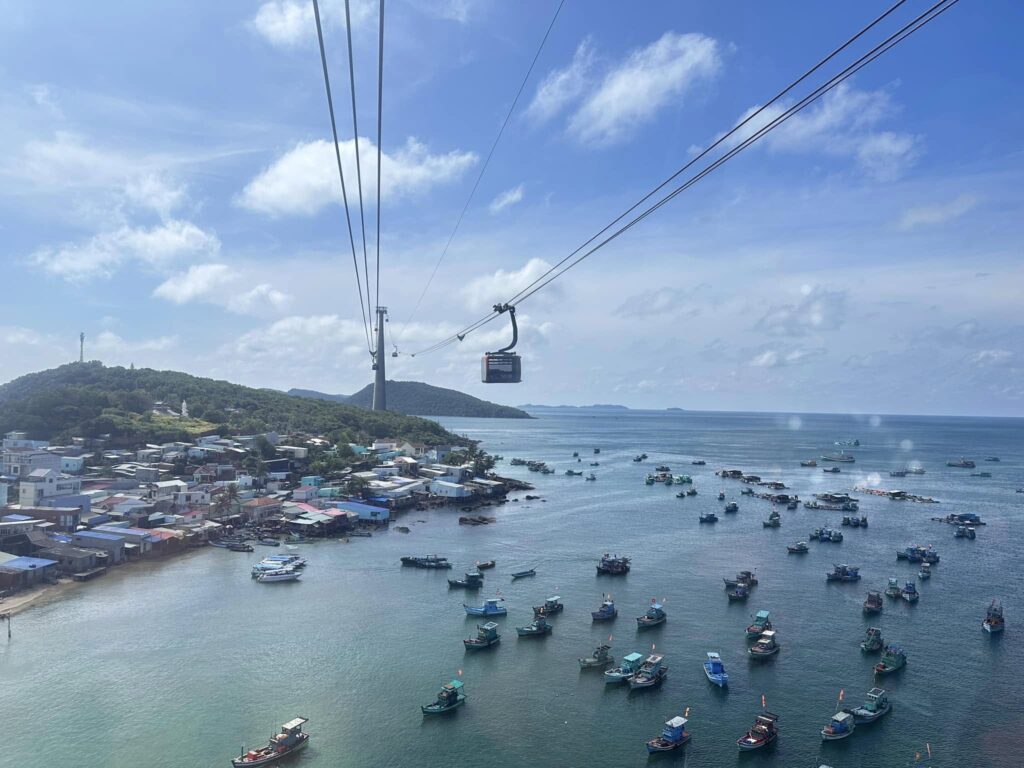
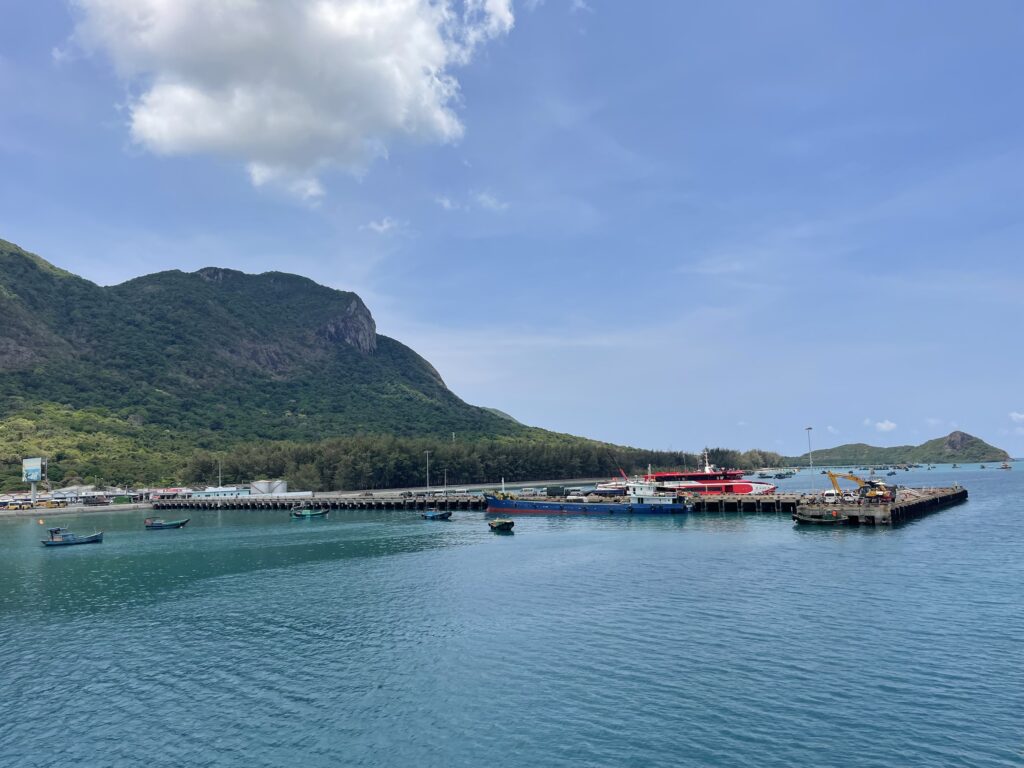
However, ATM availability may be limited in rural areas, mountainous regions, and certain islands.
ATMs in these locations may occasionally experience:
- Temporary cash shortages.
- Maintenance closures.
- Network connection problems.
- Limited international card compatibility.
If you plan to visit destinations such as Con Dao, Phu Quy Island, or remote areas, it is advisable to prepare sufficient cash before departure.
10. What Should You Do If an ATM Charges Your Account but Does Not Dispense Cash?
Although uncommon, ATM errors can occur.
If your bank account is debited but you do not receive the cash:
- Avoid immediately attempting several additional withdrawals.
- Check your banking app and transaction history.
- Record the ATM location, operating bank, date, time, and transaction amount.
- Keep the receipt or photograph any relevant on-screen information if possible.
- Contact your card issuer to report the problem and request a transaction investigation.
- Contact the ATM operator if local assistance is needed.
Resolution times depend on the banks involved and the payment network.
Do not assume that the money will be refunded immediately.
11. What Should You Do If an ATM Retains Your Card?
If an ATM keeps your card and does not return it:
- Check any message displayed on the screen.
- Record the ATM location and identifying information.
- Contact the ATM operator using an official customer service number.
- Notify your card issuer.
- Temporarily lock or block the card if there is a risk of unauthorized use.
Do not allow strangers to interfere with the ATM or ask for your PIN.
If the card cannot be recovered, contact your issuing bank about replacement options.
12. ATM Safety Tips for International Travelers
To protect your money and card information, follow these precautions:
- Prefer ATMs located at bank branches or monitored locations.
- Check the card reader and keypad for anything unusual.
- Cover the keypad when entering your PIN.
- Do not accept assistance from strangers who ask to handle your card or enter your PIN.
- Never share one-time passwords or security information.
- Review the withdrawal amount and fees before confirming.
- Enable transaction notifications through your banking app.
- Avoid displaying large amounts of cash after withdrawing.
- Carry a backup payment method.
- Contact your bank immediately if you notice suspicious transactions.
13. How Much Cash Should You Carry in Vietnam?
The amount of cash you need depends on your destination, length of stay, and spending habits.
If major expenses such as hotels, flights, and transportation have already been paid for, travelers may consider carrying approximately 300,000–700,000 VND per person per day for smaller purchases.
For rural destinations or islands, a larger cash reserve may be appropriate.
Avoid keeping all your cash in one place. Consider dividing it into smaller amounts and storing it securely.
14. Frequently Asked Questions About ATMs in Vietnam
Can foreigners withdraw money from ATMs in Vietnam?
Yes. Foreign visitors can use eligible international cards at ATMs that support the corresponding payment network.
Do ATMs in Vietnam have an English-language option?
Many ATMs offer English, especially in major cities. However, the interface and language options vary by machine.
Can I withdraw US dollars from an ATM in Vietnam?
ATMs serving ordinary customers in Vietnam generally dispense Vietnamese dong (VND). Travelers should not assume that US dollar withdrawals are available.
Should I use a credit card to withdraw cash?
Credit cards may allow cash withdrawals, but these transactions often involve cash advance fees and interest. An international debit card is generally more suitable for withdrawing funds from a bank account.
Which bank has the lowest ATM fees in Vietnam?
There is no single bank that is always the cheapest for every foreign-issued card. The total cost depends on the ATM operator, issuing bank, card network, and transaction conditions.
Can I withdraw money using Apple Pay or Google Wallet at Vietnamese ATMs?
Only if the ATM supports a compatible contactless cash withdrawal function and your digital wallet, card, and issuing bank allow it.
Travelers should not assume that all ATMs in Vietnam support this feature.
What should I do if an ATM declines my card?
Check your card status, withdrawal limits, and international transaction settings. You can also try another compatible ATM.
If the problem continues, contact your issuing bank.
Is it safe to use ATMs in Vietnam?
ATMs are a common way to access cash in Vietnam. As in any destination, travelers should use reputable machines, protect their PIN, monitor transactions, and follow basic security precautions.
Conclusion
Foreign tourists can withdraw Vietnamese dong from ATMs in Vietnam using eligible international bank cards, provided the ATM supports the relevant payment network.
To avoid unnecessary expenses, travelers should understand withdrawal fees, transaction limits, and currency conversion options before confirming a transaction.
Combining Vietnamese dong in cash with an international payment card can make traveling more convenient, particularly when visiting different cities, rural areas, and island destinations.
Travelin.vn – Travel in Vietnam provides practical guides to currency, payment methods, travel budgets, and other essential information to help international visitors prepare for their journeys.
Disclaimer: This article is provided for general informational purposes. ATM fees, withdrawal limits, card acceptance, and transaction procedures may change depending on the bank and date. Travelers should verify current conditions directly with their card issuer and ATM operator.