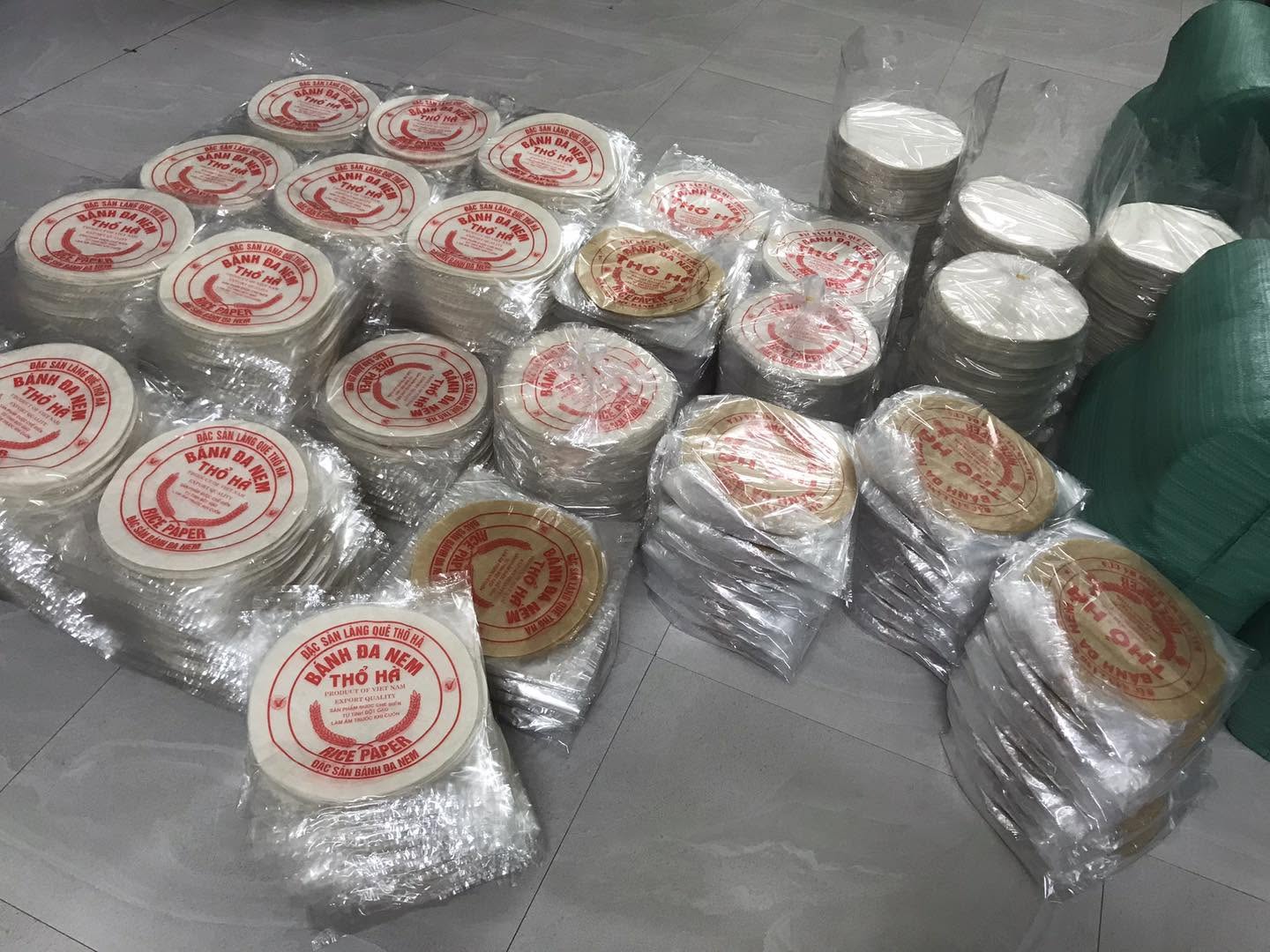
Thổ Hà has long been known as a traditional craft village where the making of bánh đa nem, the thin rice paper wrappers commonly used for Vietnamese spring rolls, has been preserved through generations. According to historical records, the craft emerged in the early 20th century, when some local families with experience in making rice noodles developed a new method of processing rice.
At first, the product was made primarily for local consumption. Its distinctive flavor and quality, however, gradually attracted traders from other areas. Today, Thổ Hà bánh đa nem is sold widely in Vietnam and exported to markets including Taiwan, South Korea, Japan, and several European countries. The product has also achieved OCOP certification under Bắc Ninh Province’s One Commune One Product program.
The craft is more than a source of income. It preserves a body of traditional knowledge, strengthens community connections, and has become part of the cultural experience associated with Thổ Hà village.
From Rice Noodle Making to Bánh Đa Nem
The origins of Thổ Hà bánh đa nem are traced to the early 20th century. Drawing on their existing knowledge of rice processing and rice noodle making, local families developed techniques for producing thin, flexible sheets of rice paper.
As the product became increasingly popular, the craft expanded beyond household production. Traders began coming to Thổ Hà to purchase the wrappers, creating a larger market and encouraging more families to take up the profession.
Today, around 300 households in Thổ Hà are reported to maintain the craft. While modern equipment has been introduced to increase productivity, many important techniques and practical skills continue to be passed down within families and the community.
Selecting the Right Rice
The quality of bánh đa nem begins with the selection of rice. Local artisans traditionally prefer good-quality non-glutinous rice with plump, intact grains that show no signs of mold or breakage.
One distinctive requirement is that the rice should come from grain stored for at least one year. According to local experience, newly harvested rice contains more natural starch and can become sticky during the steaming process.
Khang Dân and Mộc Tuyền are among the preferred varieties. Mộc Tuyền, a long-season winter rice variety, may not be particularly prized for cooking rice, but its characteristics make it suitable for bánh đa nem because it expands evenly and is less likely to stick.
Rice is combined with salt and sugar, which contribute to the flavor and texture of the finished product. The amount of salt can also be adjusted according to weather conditions. More salt may be used during dry weather, while less is used when the air is humid.
Preparing the Rice Flour
After being carefully cleaned, the rice is soaked in lightly salted water for around two to three hours so that the grains absorb water evenly.
In the past, Thổ Hà residents ground rice by hand using traditional stone mills made from two fitted stone slabs. The process required considerable physical effort and time. Today, most households use electric milling machines instead.
The resulting flour is filtered through cloth to remove impurities and then mixed with salt and sugar. The artisan must achieve the appropriate consistency, as the thickness and quality of the batter directly affect the finished rice paper.
The Art of Steaming the Rice Paper
Steaming is considered the most important stage in making Thổ Hà bánh đa nem. The batter is ladled onto a steaming surface and spread into an even, thin layer before being covered and cooked with steam.
This process requires considerable experience. The artisan must control the amount of batter, spread it evenly, and determine the appropriate steaming time. Once the sheet is cooked, a plastic tube is used to gently roll and remove it from the surface without tearing.
Since around 2005, many households have adopted electric steaming machines. According to the source material, these machines can increase productivity by approximately five to seven times compared with traditional hand-steaming methods.
Despite the introduction of machinery, practical knowledge remains important. Experienced artisans continue to play a key role in determining the quality of each batch.
Drying the Sheets in the Village
After steaming, the thin rice sheets are transferred to bamboo drying racks and exposed to gentle sunlight. Drying is another stage that requires close attention to weather and timing.
Many households use upright racks to make efficient use of limited space. Some also place the racks across fences or on rooftops. The drying time must be carefully controlled. If the sheets are dried for too long, they can become brittle and break easily. If they are not dried sufficiently, they may retain moisture.
Once properly dried, the sheets are cut into round or square shapes and carefully packaged to preserve their texture and quality during storage and transportation.
From Local Food to a Wider Market
Thổ Hà bánh đa nem is made primarily from rice and, according to the source material, contains no additives. What began as a local food product has gradually developed into a commercial product distributed in many parts of Vietnam and exported to several overseas markets.
The craft provides employment and income for hundreds of local workers. At the same time, it helps preserve traditional knowledge about rice selection, flour preparation, steaming, drying, cutting, and packaging.
The production process also contributes to the character of the village itself. During the drying season, bamboo racks filled with thin rice sheets become a familiar part of the village landscape, connecting everyday economic activity with the visual identity of the traditional craft village.
Thổ Hà Bánh Đa Nem and Community Tourism
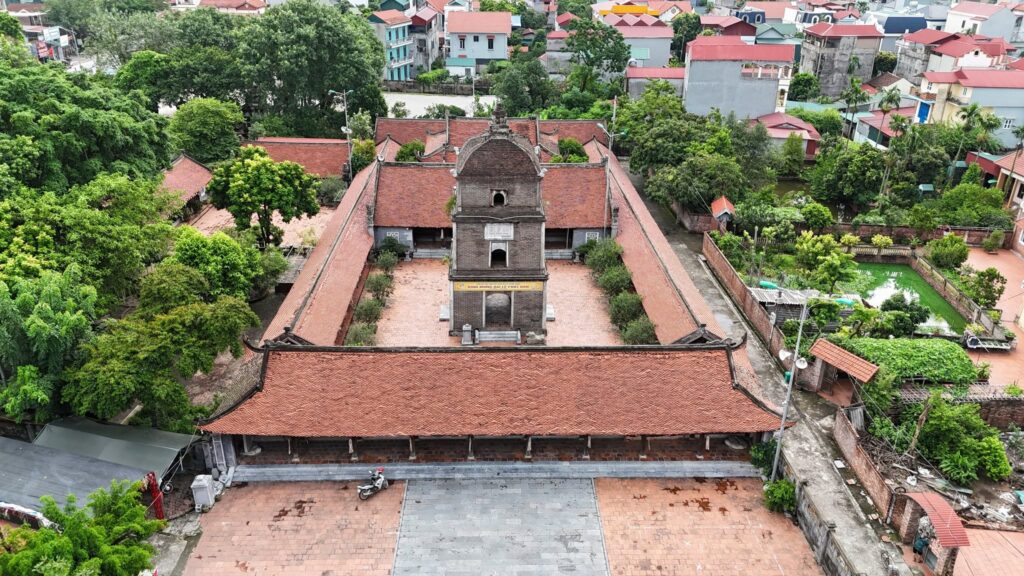
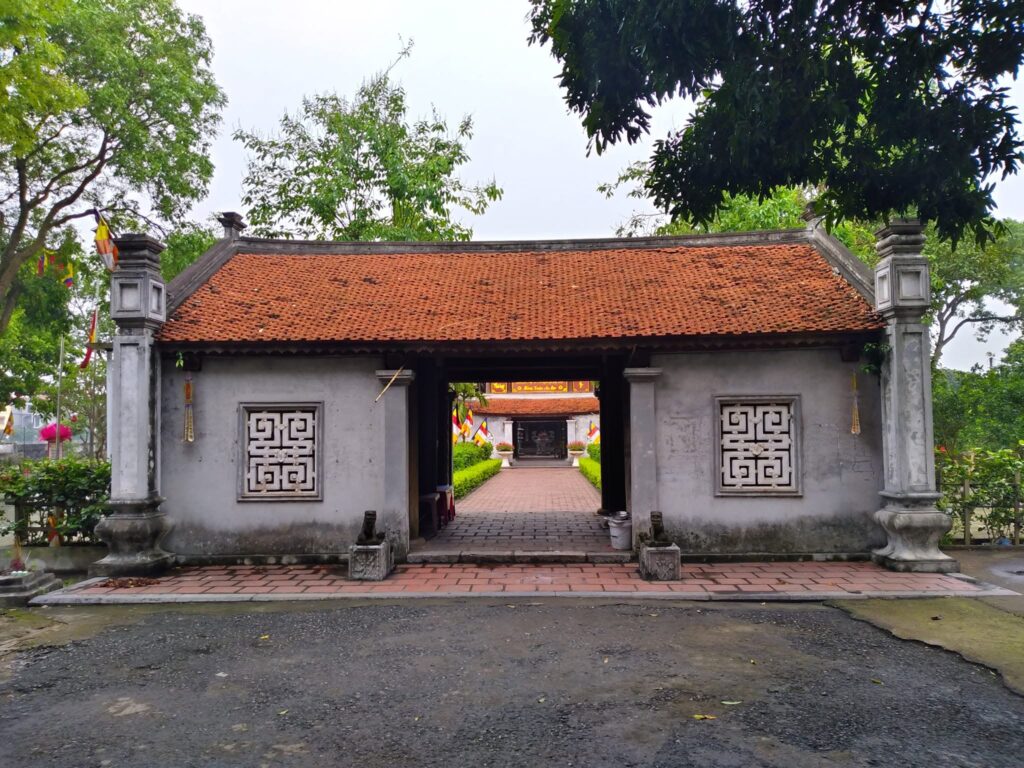
Thổ Hà is not known only for its bánh đa nem. The village also possesses historic architectural sites, traditional festivals, and a distinctive community cultural environment.
Within this setting, bánh đa nem making has become an important element of the village’s tourism experience. Visitors can learn about the selection of rice, milling, steaming, drying, and other stages of production, gaining a closer understanding of the knowledge and labor behind a familiar Vietnamese food.
The connection between traditional craft and community tourism also creates opportunities for local economic development. Bánh đa nem can serve not only as a food product but also as a meaningful local gift that carries the identity of Thổ Hà to visitors and wider markets.
Preserving the Heritage of Thổ Hà
The making of Thổ Hà bánh đa nem reflects the creativity, adaptability, and persistence of the local community. Its value lies not only in the finished product but also in the knowledge and skills accumulated through generations.
Modern equipment has helped households improve productivity and respond to market demand, while traditional knowledge continues to guide essential stages of production. This combination of inherited techniques and technological adaptation allows the craft to remain part of contemporary village life.
The traditional craft of making Thổ Hà bánh đa nem was included in the National Intangible Cultural Heritage List by the Minister of Culture, Sports and Tourism under Decision No. 2211/QĐ-BVHTTDL dated June 27, 2025.
The recognition provides an important foundation for preserving the craft’s traditional knowledge, strengthening its cultural value, and connecting the heritage with sustainable village tourism and community development.
Basic Information
| Information | Details |
|---|---|
| Heritage | Thổ Hà Bánh Đa Nem Making |
| Location | Thổ Hà Village, Bắc Ninh Province |
| Origins | Early 20th century, according to recorded sources |
| Main ingredients | Non-glutinous rice, salt, sugar |
| Preferred rice varieties | Khang Dân, Mộc Tuyền |
| Main production stages | Rice selection, soaking, milling, filtering, mixing, steaming, drying, cutting, and packaging |
| Households maintaining the craft | Approximately 300 |
| Markets | Vietnam and selected international markets |
| Tourism value | Traditional craft and community tourism experiences |
| Heritage status | National Intangible Cultural Heritage |
| Recognition | Decision No. 2211/QĐ-BVHTTDL, June 27, 2025 |