

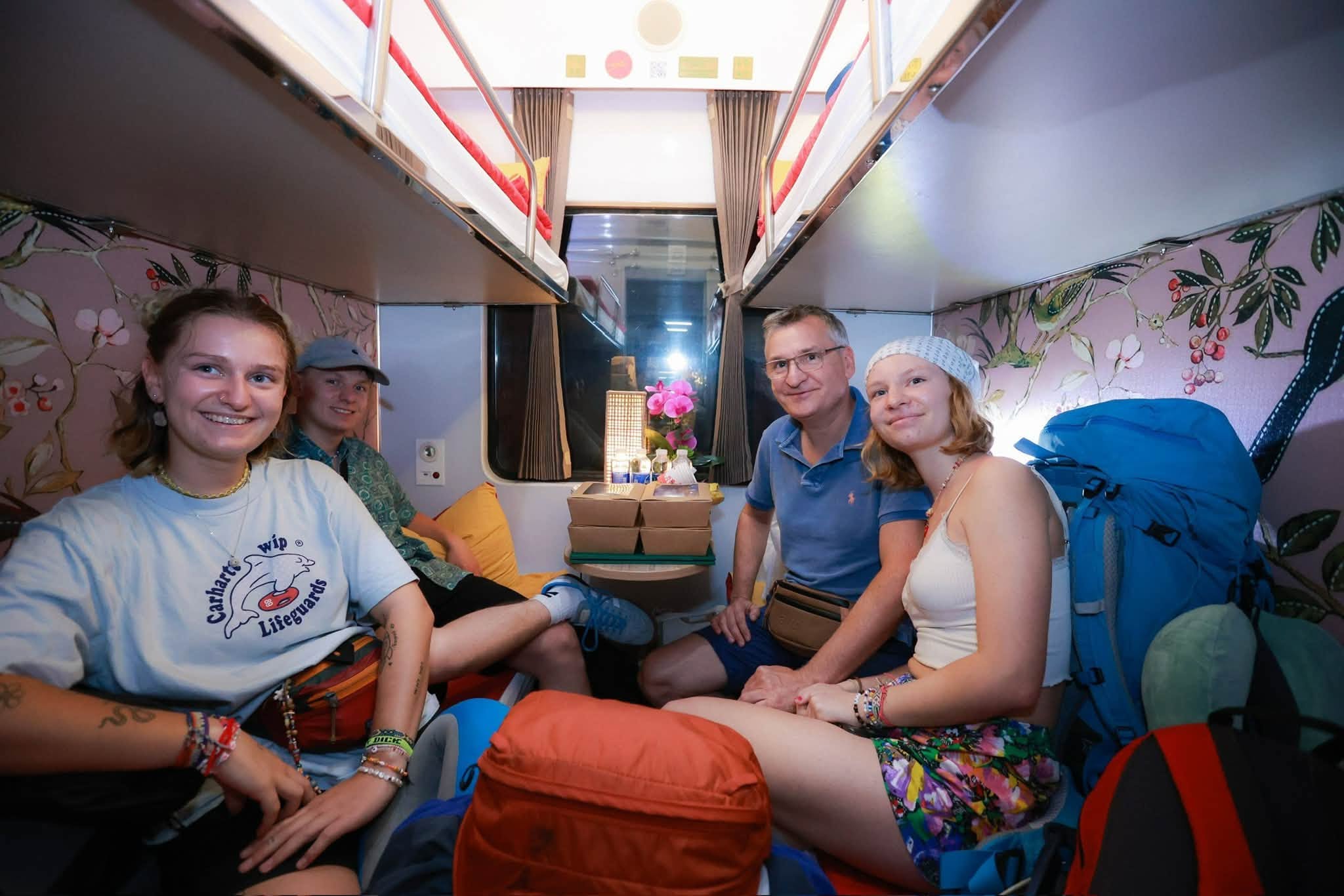
Traveling by train is one of the most memorable ways to explore Vietnam. The country’s North–South Railway connects Hanoi and Ho Chi Minh City, passing through historic towns, peaceful countryside, mountain landscapes, and beautiful coastal regions.
Often associated with the famous Reunification Express, this railway journey offers international travelers a unique opportunity to experience Vietnam beyond its airports and highways.
Whether you are planning to travel the entire route or explore Vietnam through several shorter train journeys, understanding ticket booking, seat classes, travel times, luggage rules, and onboard facilities can help you enjoy a more comfortable trip.
This guide covers everything tourists need to know about traveling on Vietnam’s North–South Railway.
1. What Is the Vietnam North–South Railway?
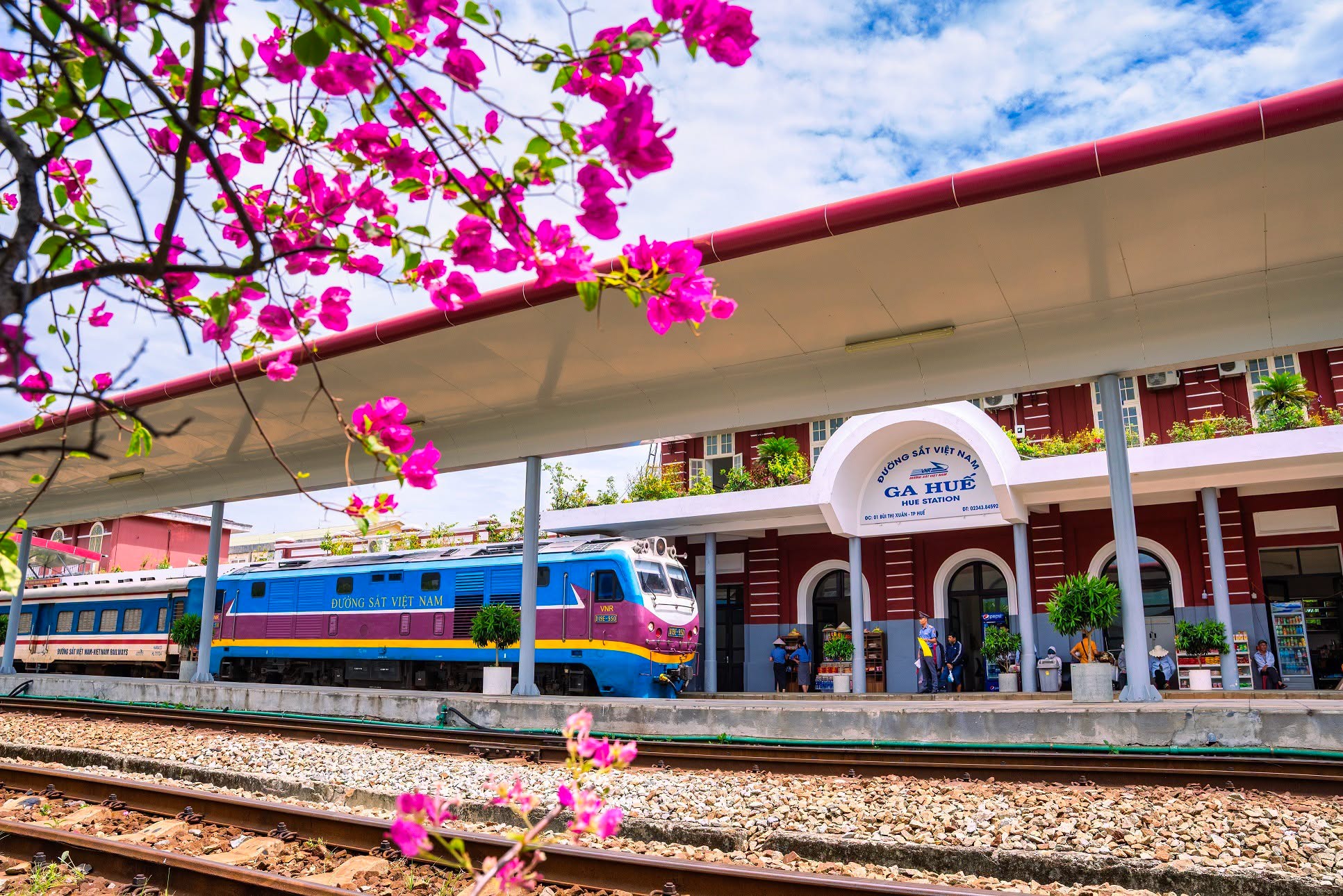
The North–South Railway, also known as the Reunification Railway, is Vietnam’s main railway corridor connecting Hanoi in the north with Ho Chi Minh City in the south.
The railway stretches approximately 1,726 kilometers and passes through numerous provinces, cities, and scenic regions.
Passenger services operate along the route, allowing travelers to journey between major destinations or stop at smaller towns along the way.
The term Reunification Express is commonly used by international travelers to describe the North–South train experience, although several different train services operate along the railway.
For tourists, the railway provides an alternative to domestic flights and long-distance buses, particularly for those interested in scenic journeys and local experiences.
2. Major Destinations Along the North–South Railway
Vietnam’s North–South Railway connects or provides access to many popular tourist destinations.
| Destination | Main Railway Station | Travel Highlights |
|---|---|---|
| Hanoi | Hanoi Railway Station | Old Quarter, Hoan Kiem Lake, historical attractions |
| Ninh Binh | Ninh Binh Station | Trang An, Tam Coc, ancient Hoa Lu |
| Dong Hoi | Dong Hoi Station | Phong Nha–Ke Bang, Nhat Le Beach |
| Hue | Hue Station | Imperial City, royal tombs, traditional cuisine |
| Da Nang | Da Nang Station | My Khe Beach, Son Tra Peninsula |
| Quy Nhon | Dieu Tri Station | Beaches and coastal attractions |
| Nha Trang | Nha Trang Station | Beaches, islands, seaside resorts |
| Phan Thiet and Mui Ne | Binh Thuan Station | Mui Ne beaches and sand dunes |
| Ho Chi Minh City | Saigon Railway Station | Ben Thanh Market, cultural and urban attractions |
Some railway stations are located outside the main tourist districts, so additional transportation may be required.
Not every train stops at every station. Travelers should check the stopping pattern of their selected service before booking.
3. How Long Does the Train from Hanoi to Ho Chi Minh City Take?
The full railway journey between Hanoi and Ho Chi Minh City generally takes approximately 30–40 hours, depending on the train service, schedule, and operating conditions.
Travelers can complete the journey in one trip or divide it into shorter sections.
A popular multi-stop itinerary might include:
- Hanoi to Ninh Binh.
- Ninh Binh to Dong Hoi.
- Dong Hoi to Hue.
- Hue to Da Nang.
- Da Nang to Nha Trang.
- Nha Trang to Ho Chi Minh City.
Breaking up the journey allows visitors to explore different destinations without spending the entire trip onboard.
Actual journey times vary, so always consult the latest railway timetable.
4. Types of Seats and Sleeper Berths on Vietnamese Trains
Vietnamese trains offer different accommodation classes depending on the service.
Choosing the right seat or sleeper berth is particularly important for overnight and long-distance journeys.
Air-Conditioned Soft Seats
Soft seats are suitable for short and medium-distance journeys.
They generally provide a more economical option than sleeper accommodation on the same route.
However, sitting for many hours may become uncomfortable, especially on overnight journeys.
Six-Berth Sleeper Cabins
Six-berth sleeper cabins usually have three levels of beds on each side.
They are a popular option for budget-conscious travelers who want to lie down during long journeys.
Upper berths may be less convenient for passengers with mobility limitations or large luggage.
Four-Berth Sleeper Cabins
Four-berth sleeper cabins generally have two levels of beds on each side.
These cabins provide more space per passenger than six-berth cabins and are often preferred for overnight travel.
They are particularly suitable for international tourists, couples, families, and travelers who value additional comfort.
Upgraded and Premium Train Carriages
Some train services offer upgraded carriages with improved interiors and additional amenities.
Facilities vary depending on the train and carriage type.
Check the exact accommodation details before booking rather than assuming that all premium services offer identical features.
5. How to Book Train Tickets in Vietnam
Travelers can purchase railway tickets through official ticketing channels, railway stations, and authorized agents.
The official online ticketing website is:
Step-by-Step Train Ticket Booking
Step 1: Choose Your Departure and Arrival Stations
Enter the stations where you want to begin and end your journey.
Step 2: Select Your Travel Date
Choose your preferred departure date.
Step 3: Compare Available Trains
Review train numbers, departure times, arrival times, and available accommodation.
Step 4: Choose Your Seat or Sleeper Berth
Select a suitable carriage and accommodation category.
Step 5: Enter Passenger Information
Provide the required personal information accurately.
International travelers should ensure their names and identification details match the documents they will use for travel.
Step 6: Review the Fare and Make Payment
Check the total amount and select an available payment method.
Step 7: Save Your Ticket
Keep your electronic ticket, booking confirmation, or ticket code accessible on your phone.
International visitors should check which payment methods are supported before completing an online booking.
6. How Much Do Train Tickets Cost in Vietnam?
Train ticket prices vary depending on several factors:
- Departure and arrival stations.
- Travel date.
- Train service.
- Seat or sleeper category.
- Berth position.
- Ticket availability.
- Seasonal demand.
- Applicable promotions or discounts.
Sleeper berths are generally more expensive than standard seats for comparable journeys, but they offer greater comfort during long-distance travel.
Ticket demand can increase significantly during Tet, Vietnamese public holidays, and peak tourism periods.
For accurate prices, check the official railway booking system for your intended travel date.
7. What Documents Do Foreign Tourists Need?
International visitors should prepare their passport or another identification document accepted under the railway operator’s current requirements.
When purchasing tickets, ensure that passenger information is entered correctly.
Before arriving at the station, prepare:
- Your electronic ticket or booking confirmation.
- Passport or accepted identification.
- Train number.
- Departure time.
- Boarding station details.
- Relevant contact information.
If you purchase tickets through an agency, verify the booking details and ensure the tickets are valid.
8. Luggage Rules on Vietnamese Trains
Train travel can be convenient for passengers carrying personal luggage, but baggage allowances and restrictions still apply.
Travelers should check the current railway operator’s luggage policy before departure.
General recommendations include:
- Do not bring prohibited or dangerous items.
- Keep luggage in designated storage areas.
- Avoid blocking aisles and exits.
- Keep passports, money, and valuables close to you.
- Use luggage locks when appropriate.
- Label your bags for easy identification.
Passengers traveling with oversized luggage, bicycles, or special equipment should contact the railway operator in advance to confirm transportation conditions.
9. Food and Facilities on Overnight Trains
Long-distance trains may offer food and beverage services, although availability varies by train and operating arrangements.
For overnight journeys, consider bringing:
- Drinking water.
- Snacks.
- Personal hygiene products.
- Tissues and hand sanitizer.
- A light jacket.
- Headphones.
- A power bank.
- Any essential personal medication.
Some carriages may have charging facilities, but travelers should not rely on uninterrupted access to electrical outlets.
Keep your sleeping area tidy and avoid bringing food with strong odors that could disturb other passengers.
10. The Most Scenic Train Routes in Vietnam
One of the biggest attractions of railway travel in Vietnam is the opportunity to enjoy beautiful landscapes along the journey.
Hue to Da Nang: The Hai Van Pass Railway
<text>The railway between Hue and Da Nang is widely regarded as one of Vietnam’s most scenic train journeys.</text>
The route passes through the Hai Van Pass area, where mountains meet the sea.
Depending on the train, weather, and time of day, passengers may enjoy spectacular views of the coastline, forested hills, and winding railway tracks.
For the best scenery, choose a service that passes through this section during daylight hours.
Ninh Binh and the Northern Countryside
The railway through Ninh Binh offers views of rural landscapes, agricultural fields, villages, and limestone mountain formations.
It is a pleasant introduction to the scenery of northern Vietnam.
Vietnam’s South Central Coast
Railway sections through central and south-central Vietnam offer changing views of coastal landscapes, mountains, farmland, and local communities.
Travelers interested in photography should check the timing of their train to maximize daylight sightseeing opportunities.
11. Traveling by Train with Children
Train travel can be suitable for families with children, particularly when sleeper accommodation is available.
Parents should consider:
- Checking current child ticket policies.
- Choosing convenient sleeper positions.
- Supervising children when moving between carriages.
- Keeping children away from train doors and restricted areas.
- Bringing snacks, drinking water, and personal essentials.
- Preparing activities for long journeys.
Lower sleeper berths are often more convenient for families traveling with young children.
12. Essential Tips for First-Time Train Travelers
If you are taking a train in Vietnam for the first time, these tips can make your journey easier.
Arrive early: Allow enough time to locate the correct platform, carriage, and seat.
Check your station: Some destinations have more than one station or require additional transportation from the station to the tourist area.
Follow railway announcements: Boarding arrangements and operating schedules may change.
Keep documents accessible: Have your ticket and identification ready for inspection.
Secure your belongings: Keep valuable items close to you, especially overnight.
Follow safety instructions: Do not stand near open carriage doors or leave the train during short stops without permission.
Allow time for connections: Avoid planning extremely tight connections between trains, flights, and ferries.
13. Train vs. Plane: Which Is Better for Traveling in Vietnam?
Both trains and domestic flights are useful transportation options in Vietnam.
| Feature | Train | Plane |
|---|---|---|
| Long-distance travel time | Usually longer | Usually faster |
| Scenic experience | Excellent on selected routes | More limited |
| Overnight accommodation | Sleeper berths available | Not comparable |
| Luggage | Subject to railway rules | Subject to airline rules |
| Destination access | Towns and cities along railway routes | Cities served by airports |
| Best for | Scenic travel and multi-stop itineraries | Travelers with limited time |
If you have a short vacation and need to cover long distances, domestic flights may be more practical.
If you enjoy slow travel, scenic landscapes, and visiting multiple destinations, the railway offers a rewarding alternative.
14. Suggested North–South Train Travel Itinerary
Instead of traveling directly from Hanoi to Ho Chi Minh City, international visitors can explore Vietnam through a multi-stop railway journey.
A suggested route is:
Hanoi → Ninh Binh → Dong Hoi → Hue → Da Nang → Nha Trang → Ho Chi Minh City
Hanoi
Explore the Old Quarter, Hoan Kiem Lake, historical landmarks, and the city’s vibrant food culture.
Ninh Binh
Discover Trang An, Tam Coc, limestone landscapes, and ancient cultural sites.
Dong Hoi
Use Dong Hoi as a gateway to the caves and natural landscapes of Phong Nha–Ke Bang National Park.
Hue
Visit the Imperial City, royal tombs, traditional gardens, and historical attractions.
Da Nang
Enjoy beaches, urban attractions, and the scenic railway journey through the Hai Van Pass area.
Nha Trang
Relax by the sea and explore coastal attractions.
Ho Chi Minh City
Experience the city’s markets, architecture, museums, restaurants, and energetic urban atmosphere.
The number of days spent in each destination can be adjusted according to your budget and interests.
Check train schedules for every section before finalizing your itinerary.
15. Frequently Asked Questions About Train Travel in Vietnam
Is the Reunification Express a single train?
No. The name Reunification Express is commonly used to describe the North–South railway experience, but multiple passenger train services operate along the route.
Can foreign tourists book train tickets online?
Yes. International travelers can use available booking channels, subject to the supported payment and identification requirements.
Are sleeper trains comfortable?
Sleeper trains can be a comfortable option for overnight travel, particularly in four-berth cabins. Comfort depends on the train, carriage condition, and individual preferences.
Is it safe to travel by train in Vietnam?
Train travel is a commonly used transportation option. Passengers should follow railway safety instructions and take normal precautions with personal belongings.
Can I stop at different cities along the route?
Yes. Travelers can plan separate train journeys between destinations, purchasing tickets for each section as needed.
Is the Hanoi to Ho Chi Minh City train worth taking?
For travelers who enjoy scenic journeys and have sufficient time, the North–South railway can be a memorable experience. Visitors with limited time may prefer a combination of trains and domestic flights.
Discover Vietnam by Train with Travelin.vn
Vietnam’s North–South Railway is more than a transportation route. It offers a fascinating journey through the country’s diverse landscapes, cultures, and destinations.
From the historic streets of Hanoi and the limestone scenery of Ninh Binh to the coastal railway near Hai Van Pass and the vibrant atmosphere of Ho Chi Minh City, every section offers a different perspective on Vietnam.
By choosing suitable train services, booking tickets in advance, and preparing for the journey, travelers can enjoy a comfortable and memorable railway experience.
At Travelin.vn – Travel in Vietnam, we provide destination guides, transportation information, and practical travel tips to help international visitors discover Vietnam.
Travelin.vn – Explore Vietnam with Confidence.
Disclaimer: This article provides general travel information for reference purposes only. Train schedules, journey times, fares, carriage types, luggage policies, and passenger requirements may change. Travelers should verify current information with Vietnam’s railway operators before departure.