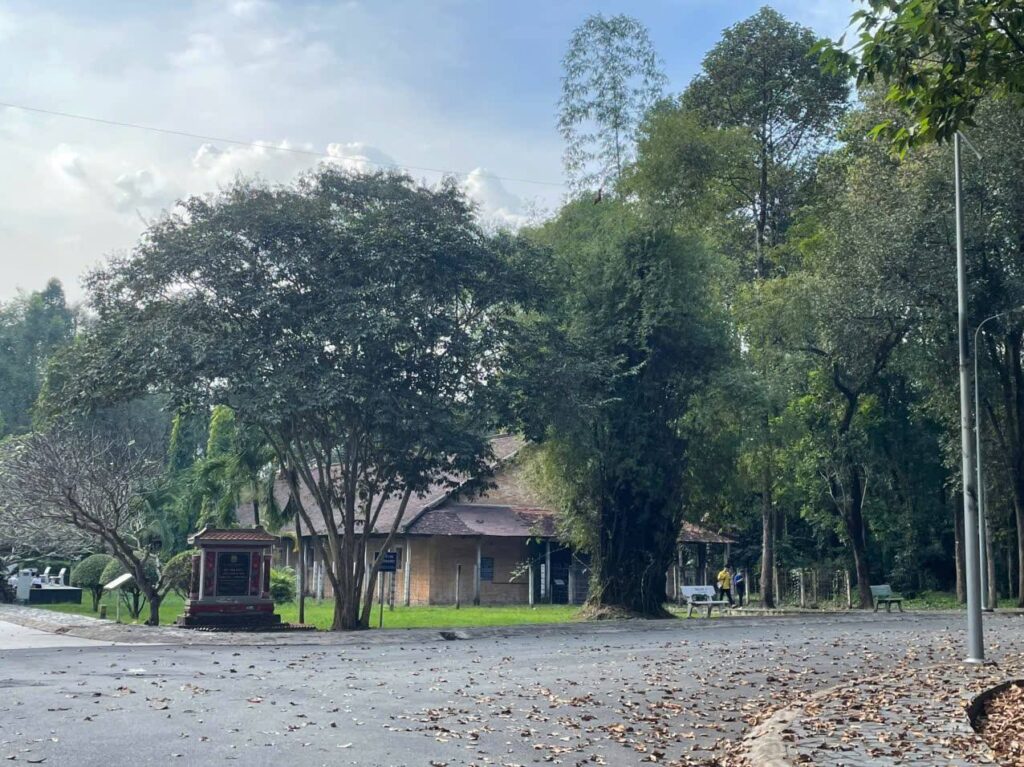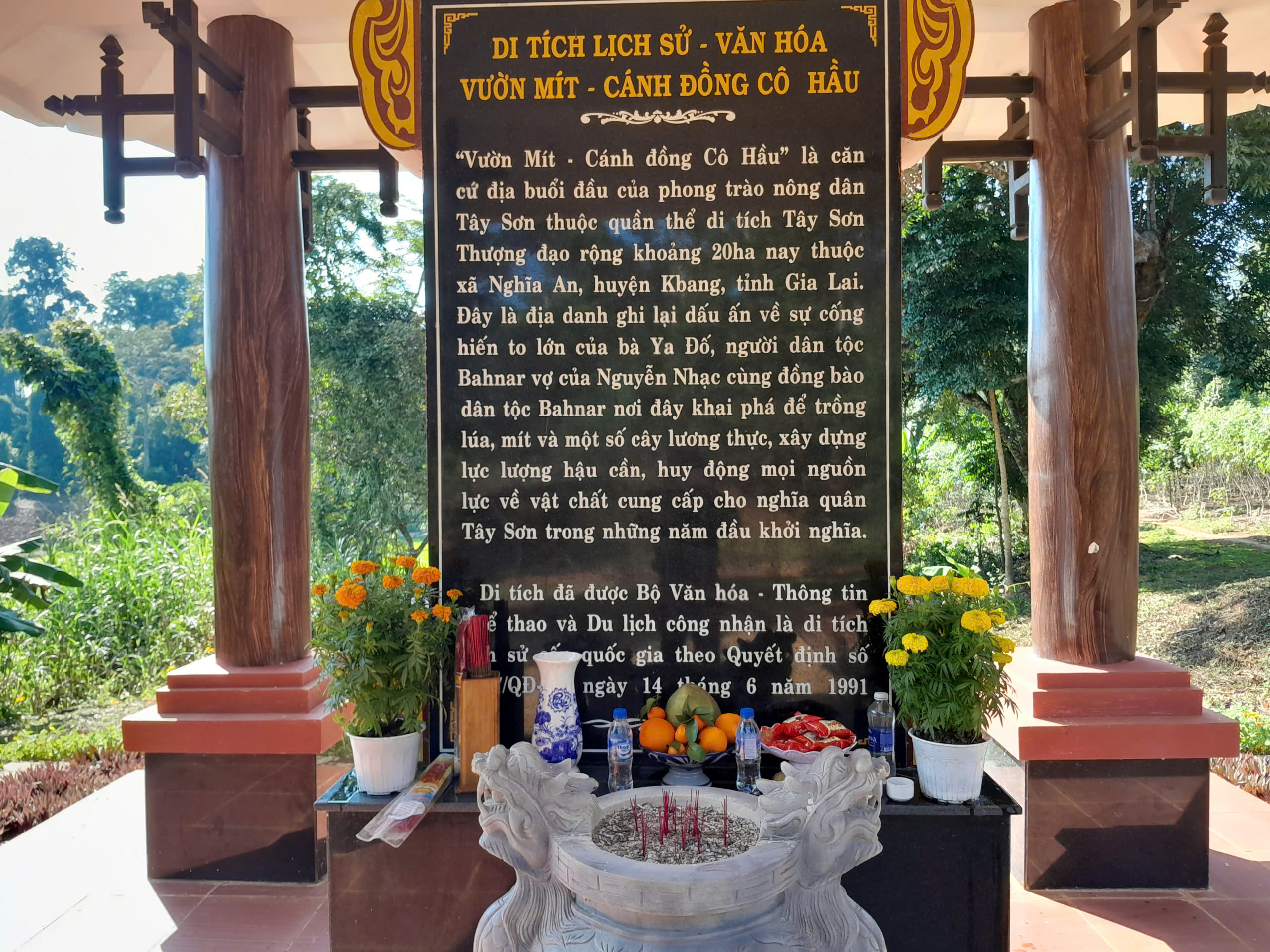
Amid the forests and mountains of Vietnam’s Central Highlands, in Kong Bo La Commune, Gia Lai Province, the Vuon Mit – Co Hau Field Historic Site preserves traces associated with the early formation of the Tay Son Thuong Dao base. The site is closely connected with the story of Ya Do, a Bahnar woman known in local oral tradition as Co Hau. She is remembered for working with the local community to reclaim land, cultivate rice and plant fruit trees, helping provide food for the Tay Son forces during the early period of the movement.
Vuon Mit – Co Hau Field forms part of the Tay Son Thuong Dao Special National Historic Complex. According to historical materials, the site covers more than 20 hectares and was recognized as a national historical relic in 1991. In 2022, the Tay Son Thuong Dao complex was designated a Special National Historic Relic, highlighting the significance of this historical landscape for understanding the Tay Son movement and the history of ethnic communities in the Central Highlands.
A Field That Supplied the Tay Son Forces
In the history of Tay Son Thuong Dao, Co Hau Field is associated with a long period of preparation before the Tay Son movement advanced toward the lowlands. According to local tradition, during his trade activities and efforts to establish relationships with Bahnar communities, Nguyen Nhac married Ya Do, the daughter of a powerful Bahnar chief in the region.
After becoming Nguyen Nhac’s wife, Ya Do is said to have encouraged local Bahnar people to support the Tay Son movement. Recognizing the fertile land around the Mo Dieu forest, Nguyen Nhac entrusted Ya Do and experienced farmers with the task of clearing the land and opening rice fields.
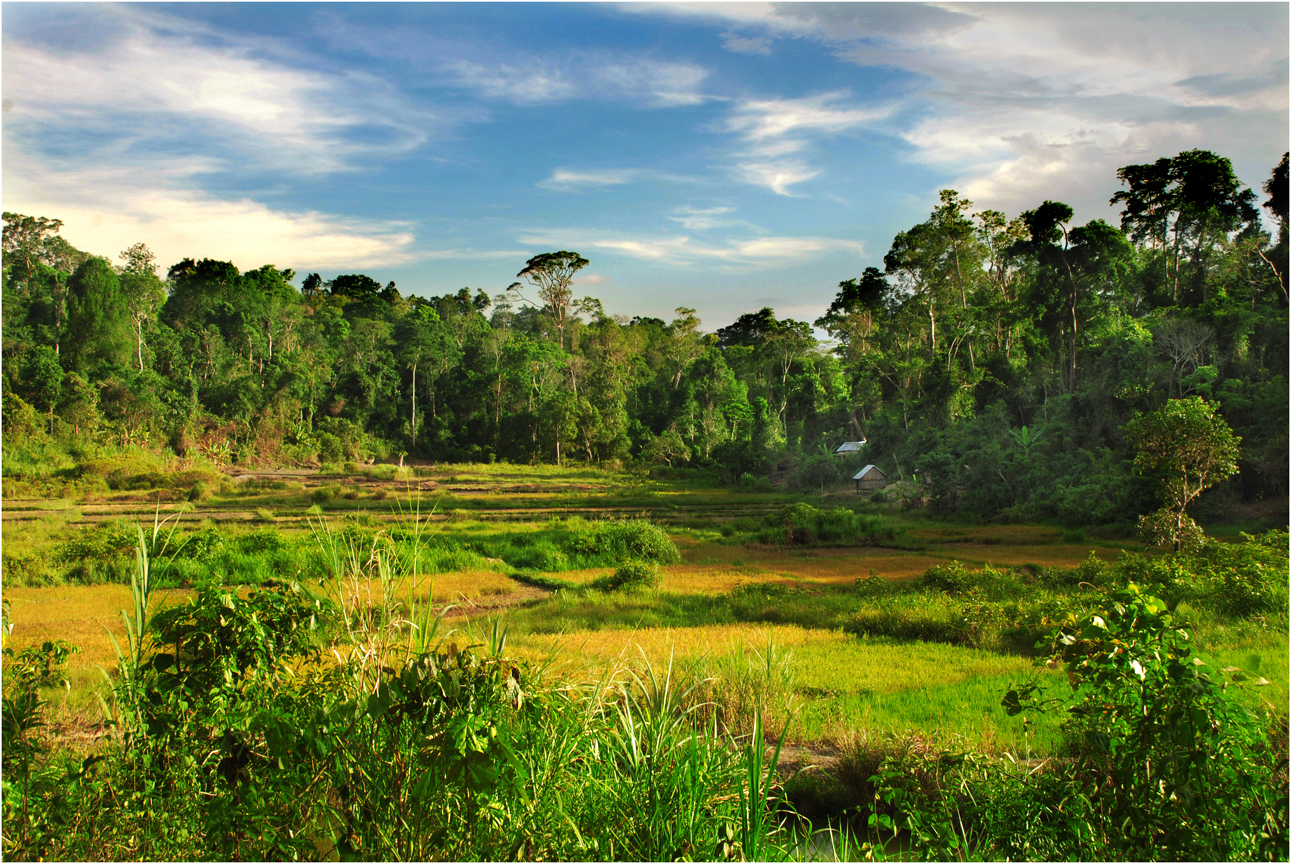
From previously uncultivated areas, a large field was gradually established to grow rice and provide food for the forces.
Local people came to call the area Co Hau Field.
Ya Do is also remembered as having introduced several crops from the lowlands to the Central Highlands, including oranges, lemons and jackfruit. These stories are associated with the formation of the old jackfruit garden and have become part of the historical memory preserved by the local Bahnar community.
Today, Bahnar residents continue to cultivate the field. Local materials record that some households have built homes close to their farmland, continuing the agricultural traditions associated with the story of Co Hau.
Ya Do’s Jackfruit Garden and the Remaining Traces
If Co Hau Field recalls the story of land reclamation and food production for the Tay Son forces, the jackfruit garden represents a surviving natural trace frequently mentioned in local traditions.
Historical accounts state that Ya Do once planted jackfruit in this area, using varieties brought from the lowlands. Over time, the old trees became part of the landscape and collective memory of the Tay Son Thuong Dao region.
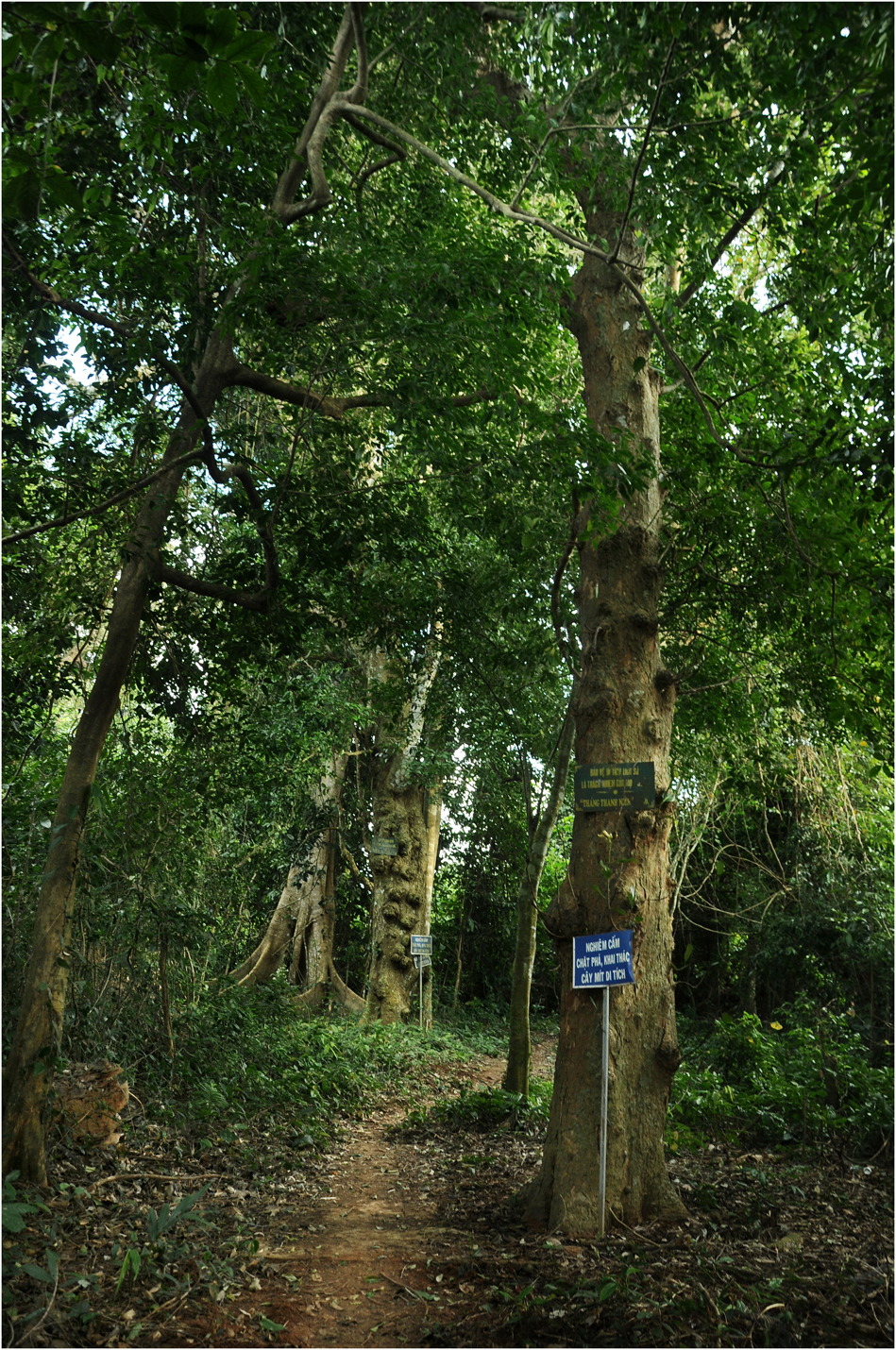
The garden, however, has not survived intact. According to current information, only nine old jackfruit trees remain at the site, including two trees with trunks more than 1.2 meters in diameter. Some trees were damaged by natural disasters, with branches broken after Typhoon No. 13 in 2025.
Time, natural conditions and changes to the landscape have created challenges for preserving the remaining old trees.
These jackfruit trees are therefore more than long-lived plants. Within the historic landscape, they serve as living markers that help later generations imagine an area once reclaimed and cultivated to support the early Tay Son movement.
Ya Do and the Story of a Bahnar Woman
One of the distinctive features of Vuon Mit – Co Hau Field is that its historical memory is closely associated with a female figure connected to the Bahnar community.
According to local tradition, Ya Do was the daughter of a Bahnar chief. Her marriage to Nguyen Nhac is remembered not simply as a personal story, but also as part of the relationship that developed between Kinh and Bahnar communities in Tay Son Thuong Dao.
After her marriage, Ya Do is traditionally remembered as playing an active role in encouraging the community to participate in the Tay Son movement and contribute food and labor. She is said to have worked with villagers to clear land, open rice fields and cultivate fruit trees. The field and garden consequently became associated with her name, Co Hau.
According to the local legend, Nguyen Nhac later brought Ya Do to Quy Nhon after he ascended the throne. However, life at the royal court was said to have been unsuitable for a woman who had grown up among the mountains and forests. The tradition recounts that she asked to return to her homeland and spent her final years in the landscape with which she had been closely connected. Mount To Gu in K’Bang is traditionally regarded as her final resting place.
The story of Ya Do therefore continues to exist not only in memories of the Tay Son dynasty but also in the spiritual life of the Bahnar community. Some traditional prayers are said to mention Ya Do together with mountain, river and earth deities.
The Legacy of Tay Son Thuong Dao
Vuon Mit – Co Hau Field does not stand apart from the broader system of Tay Son Thuong Dao historical sites. According to historical materials, after establishing a base in the western mountains, Nguyen Nhac and the Tay Son forces expanded their activities across areas of K’Bang and An Khe, using the mountainous terrain to establish bases, train forces and secure food supplies.
From the highland base, the Tay Son movement gradually expanded. In 1773, Nguyen Nhac led his forces down toward Tay Son Ha Dao in Binh Dinh. Co Hau Field can therefore be understood within the broader story of the preparation of forces and logistical resources during the early period of the Tay Son movement.
Local traditions also preserve numerous place names associated with Nguyen Nhac. At De Cho Gang, for example, a tradition tells of a large stone beside Cho Ngang Stream where Nguyen Nhac once stopped. The stone later became known as Ong Nhac Stone, or To Mo Bok Nhac in the local Bahnar tradition.
Together, these stories form a network of historical memories spread throughout Tay Son Thuong Dao. Within that network, Vuon Mit – Co Hau Field is particularly associated with agricultural production and logistical support during the early period of the movement.
Historical and Cultural Values
The significance of the site lies not only in its old jackfruit trees or cultivated fields. More importantly, it preserves memories of the participation of the Bahnar community in the Tay Son movement and the connections between lowland and highland communities.
In local memory, Ya Do has become a figure associated with solidarity between Kinh and Bahnar people. Her story also reflects the remembered role of women in organizing community life, reclaiming land and securing food supplies during the early years of the Tay Son movement. Local historical materials consequently present her as a symbol of community cohesion in the history of Tay Son Thuong Dao.
In 1991, Vuon Mit – Co Hau Field was recognized as a national historical relic. In 2022, it became part of the Tay Son Thuong Dao Special National Historic Complex. This provides an important foundation for continuing to preserve the landscape, historical materials and cultural values associated with the local community.
From Legend to Living Heritage
What makes Vuon Mit – Co Hau Field distinctive is the way history, legend, landscape and contemporary life intersect. The field is still cultivated by Bahnar residents, while the remaining old jackfruit trees continue to stand within a landscape associated with the story of Ya Do.
At the same time, the site faces natural deterioration. Only a limited number of the old jackfruit trees remain. Some have decayed, lost branches or fallen, while the historic landscape has also been affected by time and natural disasters.
Preserving Vuon Mit – Co Hau Field therefore means more than protecting several old trees or maintaining a historic place name. It also means preserving the story of Ya Do, the Bahnar community, the process of reclaiming agricultural land and an important chapter in the early history of Tay Son Thuong Dao.
Amid the mountains and forests of Gia Lai, the remaining jackfruit trees and cultivated fields continue to form a living connection between past and present. Here, heritage does not exist only in built structures. It also survives in the land itself, in community memory and in stories passed from one generation to the next.
Basic Information
| Item | Information |
|---|---|
| Historic Site | Vuon Mit – Co Hau Field |
| Associated historical figure | Ya Do, also known as Co Hau |
| Location | Kong Bo La Commune, Gia Lai Province |
| Historical setting | Tay Son Thuong Dao |
| Type | Historical and cultural relic |
| Recognition | National historical relic in 1991; part of the Tay Son Thuong Dao Special National Historic Complex since 2022 |
| Area according to historical materials | More than 20 hectares |
| Associated figure | Ya Do, also known as Co Hau |
| Key values | Tay Son history, Bahnar culture, Kinh-Bahnar community connections and the landscape of old jackfruit trees |
Cultural and Historical Value
Vuon Mit – Co Hau Field preserves a combination of historical memories, local traditions and agricultural landscapes associated with the early period of the Tay Son movement. Its significance extends from the story of Ya Do and the Bahnar community to the fields and old jackfruit trees that remain in the landscape today.