
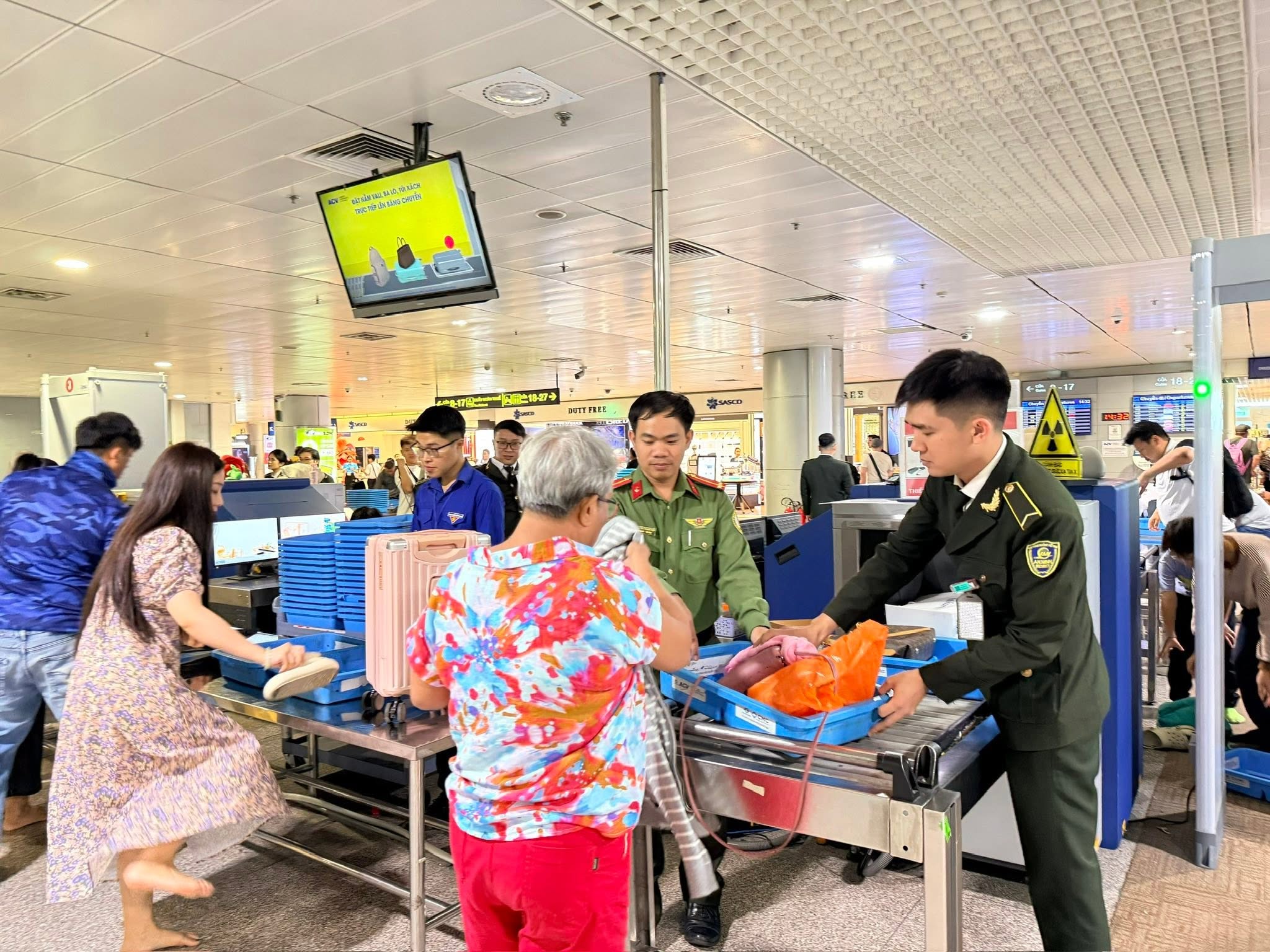
International travelers are generally allowed to bring personal belongings and legally permitted items into Vietnam for their trip. However, certain goods are subject to duty-free allowances, customs declarations, import permits, or quarantine requirements. E-cigarettes, heated tobacco products, and goods prohibited from importation must not be brought into Vietnam.
Understanding Vietnam’s customs regulations before departure can help travelers complete entry procedures smoothly and avoid having items confiscated or left behind at the border.
1. Personal Belongings You Can Bring into Vietnam
Travelers entering Vietnam may bring personal belongings in quantities and types appropriate for the purpose and duration of their visit.
Common examples include:
- Clothing, shoes, and personal toiletries.
- Mobile phones, laptops, and tablets.
- Cameras and accessories for personal use.
- Essential items for babies and young children.
Personal belongings that are reasonably appropriate for the trip are eligible for duty-free treatment under Vietnam’s regulations on incoming passenger baggage.
However, travelers carrying multiple identical electronic devices, large quantities of brand-new products in their original packaging, or items that appear intended for commercial purposes should check the applicable customs requirements.
Important: The VND 10 million duty-free allowance does not mean that all personal luggage exceeding this value is automatically taxable.
Personal belongings appropriate for the trip are treated separately from other goods subject to the VND 10 million duty-free allowance.
2. How Much Alcohol and Tobacco Can You Bring into Vietnam?
Vietnam applies specific duty-free allowances to alcoholic beverages and conventional tobacco products carried by arriving passengers.
| Product category | Duty-free allowance |
|---|---|
| Alcohol containing 20% ABV or more | 1.5 liters |
| Or alcohol containing less than 20% ABV | 2 liters |
| Or alcoholic beverages and beer | 3 liters |
| Cigarettes | 200 cigarettes |
| Or loose tobacco | 250 grams |
| Or cigars | 20 cigars |
The categories marked “or” represent alternative allowances and should not be interpreted as separate quantities that can automatically be combined.
The duty-free allowances for alcohol and tobacco do not apply to travelers under 18 years of age.
If you carry quantities exceeding the applicable allowance, you must declare them so customs authorities can determine the relevant procedures and tax obligations.
A duty-free allowance is not the same as an unlimited import entitlement. Paying import duties does not automatically make every quantity or product legally permissible.
Alcohol and tobacco purchased at duty-free shops overseas must also be considered when calculating the baggage allowances applicable upon arrival in Vietnam.
3. Are Gifts and Shopping Items Subject to Import Duties?
Goods other than alcohol, tobacco, and qualifying personal belongings may be eligible for duty-free entry if their total customs value does not exceed VND 10 million, provided they are not prohibited, temporarily suspended from importation, or subject to special import conditions.
These goods may include gifts, souvenirs, and shopping purchases brought into Vietnam.
Travelers should:
- Keep receipts or invoices to help establish the value of goods.
- Declare items exceeding the applicable duty-free allowance.
- Check whether particular products require import permits or other specialized approvals.
Labeling an item as a “gift” does not automatically exempt it from customs duties, permits, or import restrictions.
4. How Much Cash Can You Bring into Vietnam?
Travelers entering Vietnam through international border checkpoints using a passport must submit a customs declaration if they carry:
- More than USD 5,000 in cash, or the equivalent value in other foreign currencies.
- More than VND 15 million in Vietnamese currency.
These amounts are customs declaration thresholds, not maximum limits on the cash travelers may bring into Vietnam.
Travelers carrying USD 5,000 or less, or the equivalent in another foreign currency, who intend to deposit that cash into their own foreign-currency payment account at an authorized credit institution in Vietnam must also declare it to customs.
If you make a declaration, keep the customs-certified document for future reference when necessary.
5. Can You Bring Prescription Medication into Vietnam?
Travelers may need to bring medication for personal medical use. However, import requirements depend on the active ingredients, type of medication, and quantity carried.
Special attention is required for:
- Narcotic medications.
- Psychotropic medications.
- Medicines containing controlled precursors.
These categories are subject to specific regulatory controls.
A medicine being legally available in your home country does not automatically mean it can be brought into Vietnam without restrictions.
When traveling with medication, you should:
- Keep medicines in their original packaging with clearly identifiable labels.
- Carry a prescription or medical certificate where appropriate.
- Prepare information about the active ingredients and prescribed dosage.
- Contact the relevant Vietnamese health or customs authorities before departure if the medicine contains controlled substances.
If you require medication throughout your trip, confirm the applicable import conditions before deciding how much to carry.
6. Food, Plants, Seeds, and Animals: What Should You Check?
Not all food products and natural materials qualify as personal belongings that can enter Vietnam without restrictions.
Certain items may be subject to import controls, quarantine procedures, or other requirements.
Examples include:
- Meat, meat products, and other products of animal origin.
- Fresh fruits, live plants, seeds, and planting materials.
- Live animals, pets, and related animal products.
Whether an item requires quarantine inspection, an import permit, or additional documentation depends on its nature, origin, and the applicable regulations.
Travelers should contact the relevant animal or plant quarantine authority, or customs officials at their intended port of entry, before traveling with these products.
Vacuum-sealing, commercially packaging, or carrying only a small quantity does not automatically exempt an item from quarantine requirements.
7. Items You Must Not Bring into Vietnam Without Legal Authorization
E-Cigarettes and Heated Tobacco Products
Do not bring e-cigarettes or heated tobacco products into Vietnam, even for personal use.
These products are prohibited from importation. The duty-free allowances for conventional cigarettes and tobacco do not apply to them.
Travelers should check their luggage carefully before departure to ensure they are not carrying prohibited vaping or heated tobacco products.
Illegal Drugs, Weapons, and Dangerous Goods
Travelers must not bring prohibited goods into Vietnam, including:
- Illegal narcotics and controlled drugs.
- Unauthorized firearms and ammunition.
- Explosives and explosive materials.
- Other goods prohibited under Vietnamese import regulations.
Certain items may be permitted only under specific legal exemptions or authorization procedures.
Travelers should never assume that a product legally owned in another country can be imported into Vietnam without permission.
Prohibited Cultural Materials
Cultural products containing material prohibited from dissemination or circulation in Vietnam may be restricted or prohibited from importation.
This can also apply to materials subject to official decisions requiring their withdrawal, confiscation, or destruction.
Wildlife and Products from Protected Species
Travelers should avoid purchasing or transporting products made from protected wildlife without confirming their legal status.
Examples include:
- Elephant ivory.
- Rhinoceros horn.
- Specimens of protected wild animals.
- Souvenirs or decorative items made from endangered species.
Products involving endangered, rare, or protected species may be prohibited or require specialized documentation, including permits under the Convention on International Trade in Endangered Species of Wild Fauna and Flora (CITES).
8. Customs Permission Does Not Mean an Item Is Allowed in Carry-On Baggage
Vietnamese customs regulations and airline baggage rules are separate.
Even when an item is legally permitted to enter Vietnam, it may still be restricted in carry-on or checked baggage under aviation security regulations.
Travelers must also comply with the requirements of their airline, departure airport, and any transit airports.
Power Banks and Portable Chargers
Power banks must be carried in hand luggage and must not be placed in checked baggage.
Under guidance issued by the Civil Aviation Authority of Vietnam effective July 1, 2026, each passenger may carry a maximum of two power banks.
Power banks with a capacity exceeding 100 Wh but not exceeding 160 Wh require prior approval from the airline.
Travelers should also check the airline’s additional safety requirements before departure.
Liquids, Sharp Objects, and Battery-Powered Devices
Other items that may be subject to separate aviation security restrictions include:
- Liquids, aerosols, and gels.
- Knives, scissors, and sharp objects.
- Certain battery-powered electronic devices.
- Aerosol containers and other potentially hazardous items.
Always check both Vietnam’s import regulations and your airline’s baggage restrictions.
An item permitted through customs may still be prohibited from the aircraft cabin.
9. What Should You Do If You Are Unsure About an Item?
If you are uncertain whether an item can be brought into Vietnam, check the requirements before departure.
Identify the product’s name, ingredients or materials, quantity, country of origin, and any documents that may be required.
Upon arrival, contact customs officers or use the customs declaration channel if you are carrying declarable goods or are uncertain about their import conditions.
For a smoother arrival experience:
- Check restricted and prohibited items before packing.
- Keep purchase receipts for valuable goods.
- Carry prescriptions and supporting medical documents for medication.
- Prepare import permits or quarantine certificates when required.
- Do not carry packages for other people unless you know exactly what they contain.
- Declare goods when required rather than assuming they qualify for an exemption.
Taking these precautions can help prevent delays, additional charges, or the seizure of restricted items.
Frequently Asked Questions
Can tourists bring laptops and cameras into Vietnam?
Yes. Laptops, cameras, smartphones, and similar electronic devices intended for personal use are generally permitted. Travelers carrying unusually large quantities or multiple identical new devices may be subject to additional customs checks.
Can I bring alcohol into Vietnam?
Yes, subject to applicable import regulations. Duty-free allowances include 1.5 liters of alcohol containing 20% ABV or more, or 2 liters of alcohol below 20% ABV, or 3 liters of alcoholic beverages and beer.
These are alternative allowances, not quantities that can automatically be combined.
Can I bring cigarettes into Vietnam?
Conventional cigarettes may qualify for a duty-free allowance of up to 200 cigarettes for eligible adult travelers. Different alternative allowances apply to loose tobacco and cigars.
E-cigarettes and heated tobacco products are prohibited from importation.
Do I need to declare cash when entering Vietnam?
You must declare cash if you carry more than USD 5,000, or its equivalent in another foreign currency, or more than VND 15 million in Vietnamese currency.
Additional declaration requirements may apply when depositing foreign-currency cash into an eligible account in Vietnam.
Can I bring prescription medication?
Medication may be permitted, but requirements depend on the active ingredients and quantity. Medicines containing narcotic, psychotropic, or other controlled substances are subject to special rules.
Can I bring fresh fruit or meat into Vietnam?
These products may be subject to quarantine and import restrictions. Check the applicable requirements before traveling, even if the products are intended for personal consumption.
Can I bring a power bank on a flight to Vietnam?
Power banks must be carried in hand luggage rather than checked baggage. Quantity, capacity, and airline approval requirements may apply.
Final Travel Tips
Most travelers can bring ordinary personal belongings into Vietnam without difficulty. However, customs requirements become more important when carrying alcohol, tobacco, cash, medication, food, plants, animals, or high-value goods.
The safest approach is to check the rules before departure, keep relevant documents accessible, and declare items whenever required.
Understanding what you can and cannot bring into Vietnam will help you avoid unnecessary complications and enjoy a smoother arrival.
Disclaimer: This article provides general travel information and does not replace official legal advice or instructions from Vietnamese authorities. Customs allowances, import restrictions, quarantine requirements, and airline baggage rules may change. Travelers should verify the requirements applicable to their specific items before departure.