Vietnam offers visa exemptions to citizens of numerous countries to encourage international tourism, cultural exchange, and economic cooperation. Depending on their nationality, purpose of travel, and applicable immigration regulations, foreign visitors may enter and stay in Vietnam for a specified period without obtaining a visa in advance.
Understanding Vietnam’s visa exemption policy, eligible countries, permitted lengths of stay, and entry requirements can help international travelers plan a smoother and more convenient journey.
What Is Vietnam Visa Exemption?
Vietnam visa exemption allows eligible foreign nationals to enter and stay in Vietnam for a limited period without applying for a visa, provided they meet the country’s immigration requirements.
Vietnam generally applies two main types of visa exemption:
-
Unilateral visa exemption: Vietnam independently grants visa-free entry to citizens of selected countries under government policies.
-
Bilateral visa exemption: Vietnam and another country agree to exempt each other’s citizens from visa requirements under specific conditions.
The permitted duration of stay depends on nationality, passport type, and the applicable visa exemption agreement or policy.
Countries Eligible for 45-Day Visa-Free Entry to Vietnam
Under Government Resolutions No. 44/NQ-CP and No. 229/NQ-CP, Vietnam grants visa-free entry for up to 45 days to citizens of 24 countries, subject to the relevant conditions.
12 Countries Eligible for 45-Day Visa Exemption Regardless of Travel Purpose
| No. | Country | Visa-Free Stay |
|---|---|---|
| 1 | Germany | 45 days |
| 2 | France | 45 days |
| 3 | Italy | 45 days |
| 4 | Spain | 45 days |
| 5 | United Kingdom | 45 days |
| 6 | Russia | 45 days |
| 7 | Japan | 45 days |
| 8 | South Korea | 45 days |
| 9 | Denmark | 45 days |
| 10 | Sweden | 45 days |
| 11 | Norway | 45 days |
| 12 | Finland | 45 days |
This policy is effective from March 15, 2025, through March 14, 2028.
Citizens of these countries may enter Vietnam without a visa for up to 45 days, regardless of passport type or purpose of entry, provided they satisfy Vietnamese immigration regulations.
12 European Countries Eligible for 45-Day Visa Exemption Under the Tourism Promotion Program
| No. | Country | Visa-Free Stay |
|---|---|---|
| 1 | Belgium | 45 days |
| 2 | Bulgaria | 45 days |
| 3 | Croatia | 45 days |
| 4 | Czechia (Czech Republic) | 45 days |
| 5 | Hungary | 45 days |
| 6 | Luxembourg | 45 days |
| 7 | Netherlands | 45 days |
| 8 | Poland | 45 days |
| 9 | Romania | 45 days |
| 10 | Slovakia | 45 days |
| 11 | Slovenia | 45 days |
| 12 | Switzerland | 45 days |
This visa exemption policy is effective from August 15, 2025, through August 14, 2028.
It applies to citizens of the listed countries entering Vietnam for tourism purposes, regardless of passport type, provided they meet the applicable entry requirements.
Countries Eligible for Visa Exemption Under Bilateral Agreements
In addition to unilateral visa exemption policies, Vietnam has signed bilateral visa exemption agreements with several countries.
For travelers holding ordinary passports, the following countries are among those eligible for visa-free entry:
| Country | Visa-Free Stay |
|---|---|
| Singapore | 30 days |
| Thailand | 30 days |
| Malaysia | 30 days |
| Indonesia | 30 days |
| Philippines | 21 days |
| Cambodia | 30 days |
| Laos | 30 days |
| Brunei | 14 days |
| Myanmar | 30 days |
| Chile | 90 days |
| Panama | 90 days |
| Kazakhstan | 30 days |
| Kyrgyzstan | 30 days |
| Mongolia | 30 days |
Some bilateral agreements include additional restrictions on the total permitted duration of stay within a specified period.
For example, Kazakhstani citizens holding ordinary passports may stay in Vietnam visa-free for up to 30 days per entry, with a maximum total stay of 90 days within any 180-day period.
The table above highlights common visa exemption arrangements for ordinary passport holders. It does not include every agreement involving diplomatic, official, or special passports.
Visa-Free Entry to Phu Quoc Island
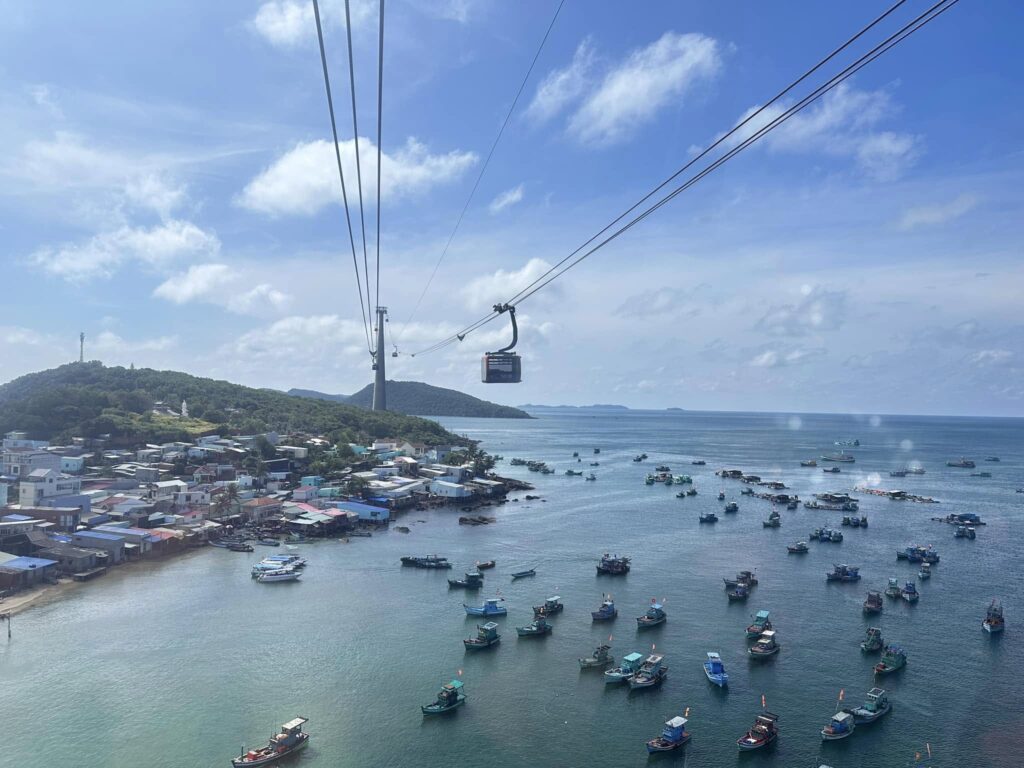
Vietnam also offers a special visa exemption policy for foreign visitors traveling to Phu Quoc Island, one of the country’s most popular tropical destinations.
Under this policy, eligible foreign passport holders may enter, exit, and stay on Phu Quoc Island for up to 30 days without obtaining a Vietnamese visa.
This arrangement makes Phu Quoc an attractive destination for international travelers seeking beach holidays, luxury resorts, cultural experiences, and island adventures.
However, visa-free entry to Phu Quoc does not automatically permit unrestricted travel throughout mainland Vietnam.
Visitors planning to continue their journey to destinations such as Hanoi, Ho Chi Minh City, Da Nang, or other parts of Vietnam must ensure they meet the appropriate visa or immigration requirements.
Requirements for Visa-Free Entry to Vietnam
Although eligible travelers do not need to obtain a visa before arrival, they must still comply with Vietnam’s immigration regulations.
Important requirements include:
-
Holding a valid passport, generally with at least six months of remaining validity for unilateral visa exemption.
-
Not being subject to any entry restrictions under Vietnamese law.
-
Complying with the authorized period of temporary residence.
-
Entering Vietnam for a purpose permitted under the applicable visa exemption policy.
-
Providing travel itinerary, accommodation details, or proof of onward or return travel if requested by immigration authorities or transportation providers.
Travelers are strongly encouraged to verify passport validity and entry requirements before booking international flights.
What If Your Country Is Not Eligible for Visa-Free Entry?
Travelers whose nationalities are not covered by Vietnam’s visa exemption policies may apply for a Vietnam electronic visa (e-Visa).
Vietnam currently makes electronic visas available to citizens of all countries and territories.
A Vietnam e-Visa may be issued for a maximum validity of 90 days, with either single-entry or multiple-entry options.
Travelers can submit their applications through the official Vietnam Immigration Department e-Visa portal:
Official Vietnam e-Visa website: https://evisa.gov.vn/
Applicants generally need to prepare a valid passport, a digital portrait photograph, an image of the passport information page, and other required personal and travel details.
It is advisable to apply sufficiently in advance of the intended departure date.
Frequently Asked Questions About Vietnam Visa Exemption
Can US citizens enter Vietnam without a visa?
US citizens holding ordinary passports are generally not eligible for visa-free entry to mainland Vietnam based solely on nationality.
American travelers may apply for a Vietnam e-Visa or obtain another appropriate visa before traveling.
Special visa exemption arrangements, including those applicable to Phu Quoc Island, may be available under specific conditions.
Do Australian and Canadian citizens need a visa for Vietnam?
Australian and Canadian citizens holding ordinary passports generally need a valid visa to visit mainland Vietnam.
Both nationalities are eligible to apply for Vietnam’s electronic visa.
How long can Japanese and South Korean citizens stay in Vietnam without a visa?
Japanese and South Korean citizens may enter Vietnam visa-free for up to 45 days, provided they satisfy the applicable immigration requirements.
Can travelers extend their visa-free stay in Vietnam?
Extensions or changes to temporary residence status depend on Vietnamese immigration regulations and the individual circumstances of each traveler.
Visa-free stays are not automatically extended.
Visitors who wish to remain in Vietnam beyond their authorized period should contact the relevant immigration authorities for guidance before their permitted stay expires.
Is a visa required for visiting only Phu Quoc Island?
Eligible foreign visitors may stay on Phu Quoc Island visa-free for up to 30 days under the island’s special immigration policy.
However, travelers must meet the relevant entry conditions, particularly regarding their travel itinerary and departure arrangements.
Can travelers enter Vietnam multiple times under a visa exemption?
Multiple visa-free entries may be possible, depending on nationality and the applicable exemption policy.
However, each entry is subject to immigration inspection and the relevant conditions of stay. Some bilateral agreements also impose limits on cumulative stays.
Important Travel Advice for International Visitors
Vietnam’s visa exemption policies may change in accordance with government resolutions, international agreements, and immigration regulations.
Before traveling, international visitors should verify the latest requirements through official Vietnamese government sources, the Vietnam Immigration Department, or the nearest Vietnamese embassy or consulate.
Preparing valid travel documents, understanding the permitted duration of stay, and checking visa requirements in advance will help ensure a more convenient and enjoyable visit to Vietnam.
Whether exploring Hanoi’s historic streets, discovering the cultural heritage of Hue, relaxing on the beaches of Da Nang, or enjoying the tropical scenery of Phu Quoc, understanding Vietnam’s entry requirements is an important first step toward a memorable journey.
Official References
Disclaimer: This article is provided for general travel information only and does not constitute legal or immigration advice. Visa exemption policies and entry requirements may change. Travelers should always verify the latest regulations with official Vietnamese authorities before departure