

Vietnam offers a diverse transportation network connecting major cities, rural communities, mountainous regions, and beautiful island destinations. From domestic flights and trains to buses, taxis, ride-hailing services, and high-speed ferries, international travelers have many options for exploring the country.
However, getting around Vietnam can sometimes be challenging for first-time visitors. Understanding transportation options, booking procedures, payment methods, and local traffic rules can make your journey safer, more convenient, and more enjoyable.
This guide covers the main ways to travel around Vietnam, along with practical tips to help you plan your transportation.
1. Domestic Flights in Vietnam
Domestic flights are among the fastest ways to travel between distant destinations in Vietnam.
The country has numerous airports serving major tourism destinations, including Hanoi, Ho Chi Minh City, Da Nang, Hue, Nha Trang, Phu Quoc, and Da Lat.
Domestic airlines operate routes connecting major cities and popular travel destinations, although flight availability varies by route and season.
Advantages of domestic flights:
- Save time when traveling long distances.
- Convenient for multi-city itineraries.
- Offer various departure times on popular routes.
- Suitable for travelers with limited vacation time.
Travel tips:
- Check your departure and arrival airports carefully.
- Review cabin and checked baggage allowances.
- Bring your passport or another identification document accepted by the airline.
- Arrive at the airport with sufficient time for check-in and security procedures.
- Monitor flight updates and schedule changes.
Airfares vary depending on the airline, booking date, travel season, and ticket conditions.
2. Traveling by Train in Vietnam
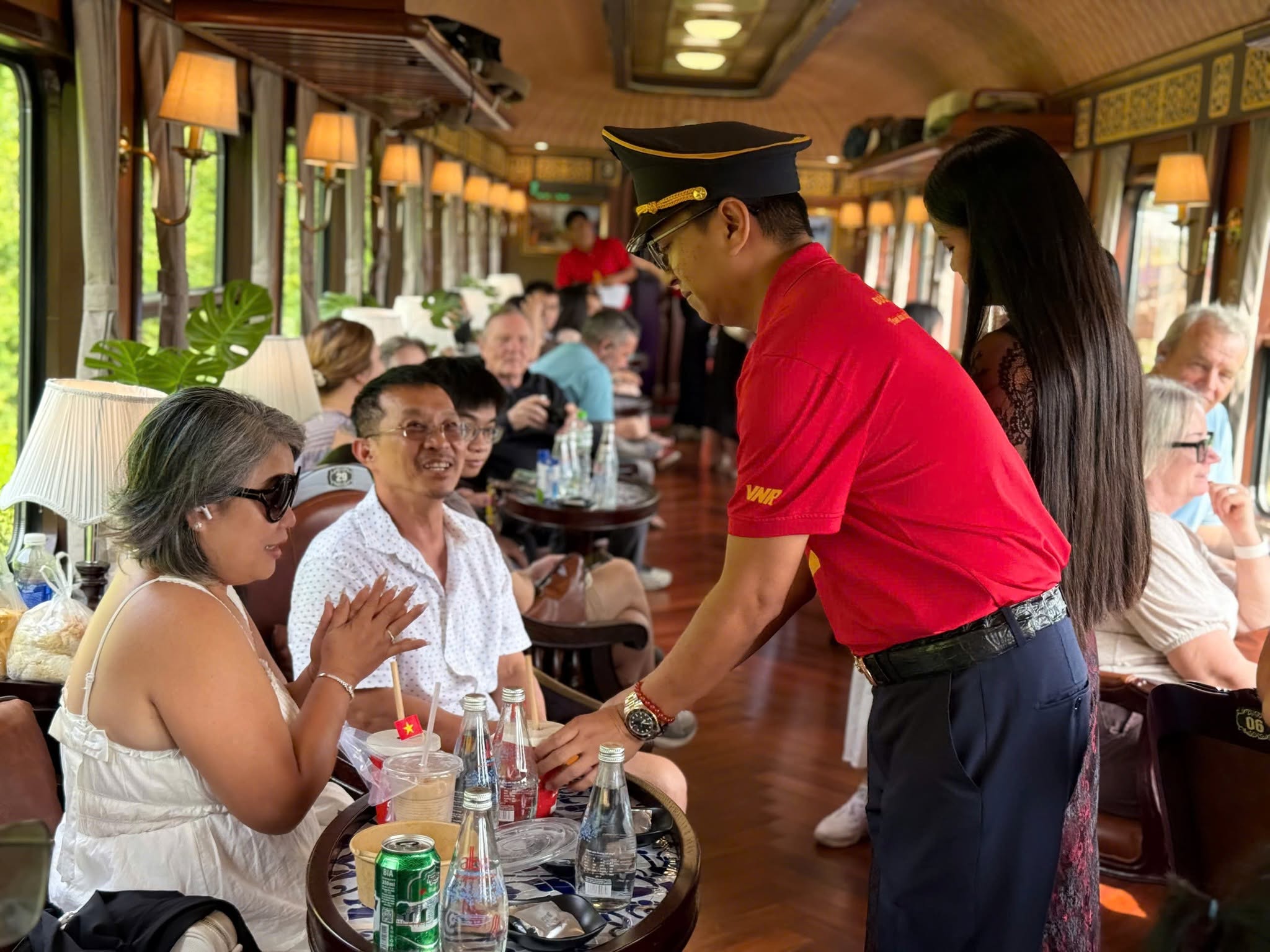
Train travel is an excellent option for visitors who want to enjoy scenic landscapes and experience a slower pace of travel.
Vietnam’s North–South railway connects Hanoi and Ho Chi Minh City, passing through many provinces and tourist destinations.
Depending on the train and route, passengers can choose between seating and sleeper accommodation.
Advantages of train travel:
- Enjoy scenic views of Vietnam’s countryside and coastline.
- Experience a traditional form of transportation.
- Choose sleeper berths on many long-distance services.
- Travel between destinations along the railway network.
Travel tips:
- Book early during public holidays and peak travel seasons.
- Confirm the correct departure and arrival stations.
- Keep your electronic ticket and identification documents accessible.
- Bring personal essentials for overnight journeys.
- Check train schedules before making connecting travel arrangements.
Travelers can find train information and booking options through the official Vietnam Railways ticketing website:
3. Intercity Buses and Limousine Services
Buses are widely used for traveling between cities and provinces in Vietnam.
They are particularly useful for destinations without convenient railway or air connections.
Travelers can choose from standard seated buses, sleeper buses, and premium limousine services, depending on the route.
Limousine services are popular on certain short- and medium-distance routes, such as Ho Chi Minh City to Vung Tau and Hanoi to Ninh Binh.
Advantages:
- Extensive transportation networks.
- Options for different budgets.
- Access to destinations not served by airports or railway stations.
- Convenient pickup and drop-off arrangements on selected services.
Travel tips:
- Choose reputable operators with clear booking information.
- Confirm your pickup and drop-off locations.
- Check baggage policies and cancellation conditions.
- Keep valuables with you.
- Avoid boarding vehicles without clear operator details or confirmed fares.
For overnight journeys, review the vehicle type, sleeping arrangements, and expected arrival time before booking.
4. Taxis and Ride-Hailing Services
Taxis and ride-hailing services are convenient for traveling within cities, transferring between airports and hotels, and visiting local attractions.
Traditional taxis are available in many destinations, while ride-hailing applications operate in numerous urban areas.
Service availability may vary by location.
Tips for using taxis and ride-hailing services:
- Choose established taxi companies or official ride-hailing applications.
- Verify the vehicle’s license plate and driver details.
- Confirm the destination and estimated fare.
- Use a map application to follow your journey when necessary.
- Check designated airport pickup areas.
- Be cautious of unsolicited transportation offers.
Airport tolls, parking charges, or other applicable fees may affect the final fare.
5. Public Buses and Urban Metro Systems
Public transportation can be an affordable way to explore Vietnam’s major cities.
Depending on the destination, travelers may have access to public buses, airport buses, and urban railway services.
Hanoi and Ho Chi Minh City have operational urban railway lines serving selected areas of their transportation networks.
Useful tips:
- Check routes, stops, and operating hours before departure.
- Confirm accepted payment methods.
- Keep your belongings secure in crowded areas.
- Use navigation applications to plan connections.
- Check the last departure time when traveling in the evening.
Public transportation may not provide direct access to every attraction, so you may need to combine it with walking or a taxi.
6. Renting a Motorbike or Car in Vietnam
Motorbike rental is popular among travelers who want to explore destinations independently.
However, traffic conditions in Vietnam can be unfamiliar to international visitors, particularly in busy cities.
Foreign travelers should only operate motor vehicles when they meet all applicable legal requirements.
Before renting a motorbike or car, check:
- Whether your driving license is legally recognized in Vietnam.
- Whether any international driving permit you hold is valid for use in Vietnam.
- Whether your license covers the specific vehicle category.
- Rental agreement terms and insurance conditions.
- Vehicle brakes, lights, tires, and general condition.
- Local traffic regulations and safety requirements.
Not all international driving permits are recognized in Vietnam. Travelers should verify the legal requirements for their specific documents before driving.
Motorbike riders and passengers must follow applicable helmet requirements, and drivers must comply with speed limits and alcohol-related traffic laws.
If you are unfamiliar with local traffic, hiring a vehicle with a driver may be a safer and more comfortable option.
7. High-Speed Ferries and Island Transportation
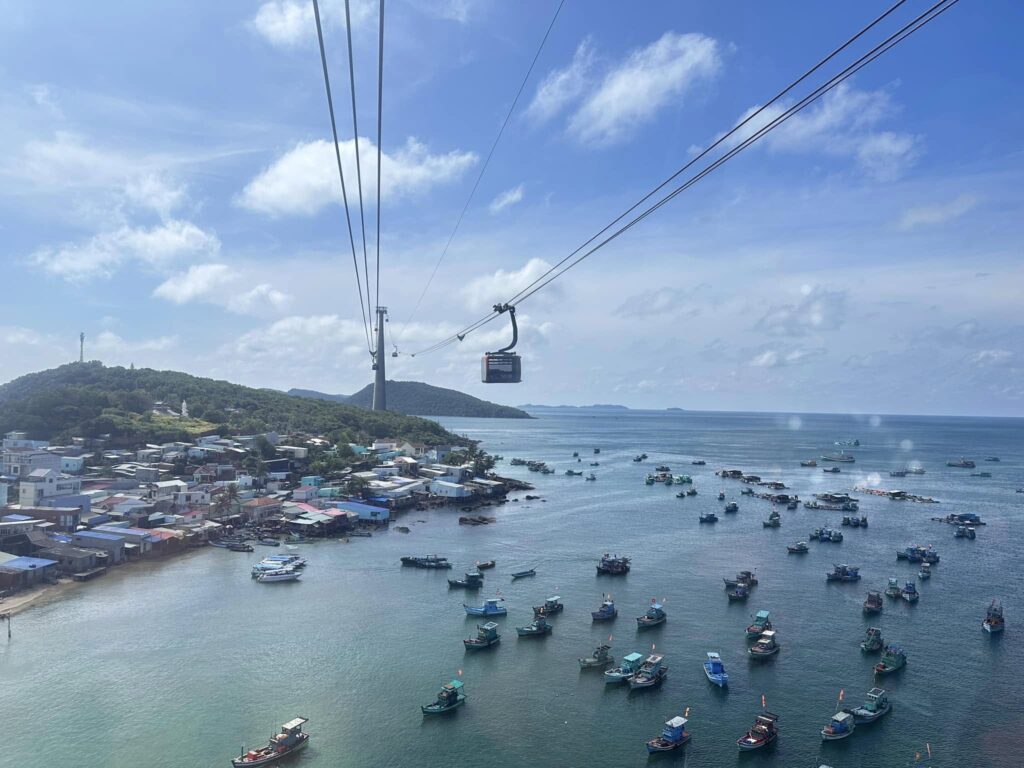
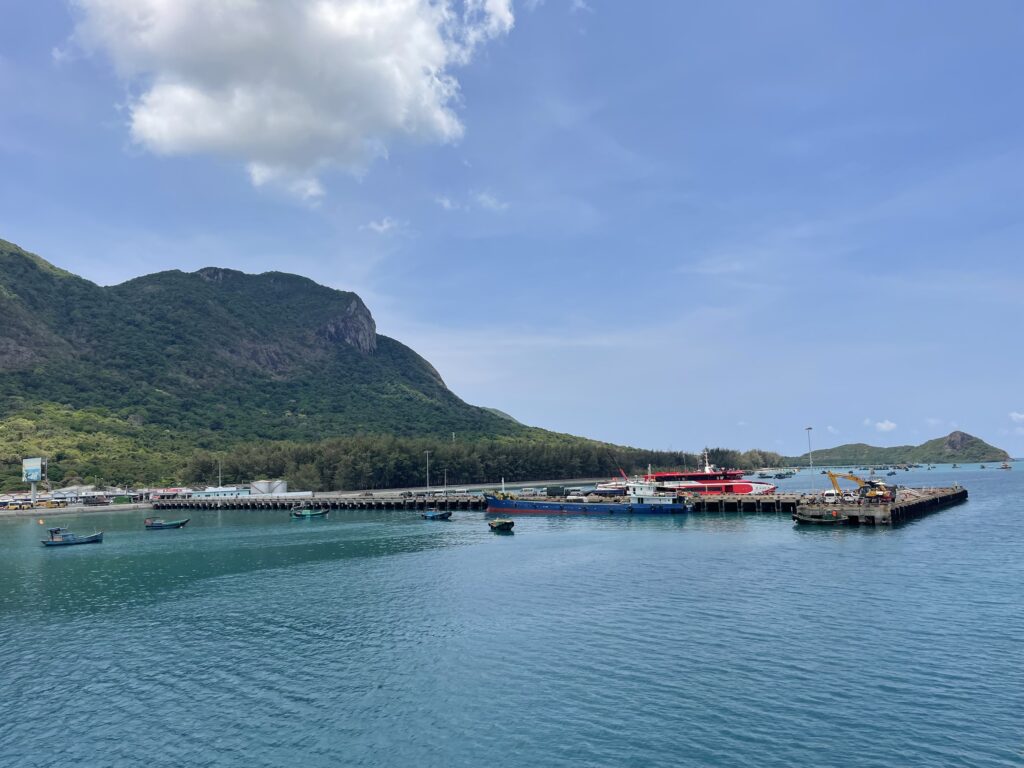
Vietnam is home to beautiful island destinations, including Phu Quoc, Con Dao, Phu Quy, and Cat Ba.
Depending on the destination, travelers can reach these islands by high-speed ferry, conventional ferry, or other authorized passenger vessels.
Popular ferry routes include:
- Rach Gia – Phu Quoc
- Ha Tien – Phu Quoc
- Vung Tau – Con Dao
- Tran De – Con Dao
- Phan Thiet – Phu Quy
Important ferry travel tips:
- Book through reputable operators or authorized ticket agents.
- Confirm the correct departure port and check-in time.
- Bring valid identification documents.
- Follow onboard safety instructions.
- Check weather forecasts and operator announcements.
- Allow additional time when connecting to flights or other transportation.
Ferry schedules may change or services may be suspended because of rough seas, storms, or operational conditions.
Travelers visiting islands should consider keeping some flexibility in their itineraries.
8. Getting from the Airport to the City Center
After arriving in Vietnam, international visitors usually need transportation from the airport to their hotel or destination.
Available options may include:
- Traditional taxis.
- Ride-hailing services.
- Airport buses or public buses.
- Hotel transfer services.
- Pre-booked private transportation.
Before arriving, save your accommodation address and check the available transportation options.
Confirm prices and pickup locations before accepting a service.
Avoid handing over luggage or making payments to individuals whose identity or service provider cannot be verified.
9. How to Book Transportation Tickets in Vietnam
Travelers can book transportation through official operator websites, mobile applications, authorized agencies, and ticket counters.
Before confirming a booking, review:
- Passenger name and identification details.
- Departure date and time.
- Departure and arrival locations.
- Ticket category or seat type.
- Baggage allowances.
- Cancellation, refund, and change policies.
- Total payment amount.
Keep your booking confirmation accessible on your phone, preferably with an offline copy.
For multi-leg journeys, allow enough time between transportation services, particularly when changing between airports, railway stations, and ferry ports.
10. Paying for Transportation in Vietnam
The Vietnamese dong (VND) is Vietnam’s official currency.
Transportation payments may be accepted in cash, by bank card, or through electronic payment services, depending on the provider.
However, international payment cards are not accepted everywhere.
Payment tips:
- Carry a reasonable amount of Vietnamese dong for small purchases.
- Check accepted payment methods before booking.
- Review foreign transaction and currency conversion fees.
- Keep receipts or electronic payment confirmations.
- Never share banking passwords or one-time verification codes.
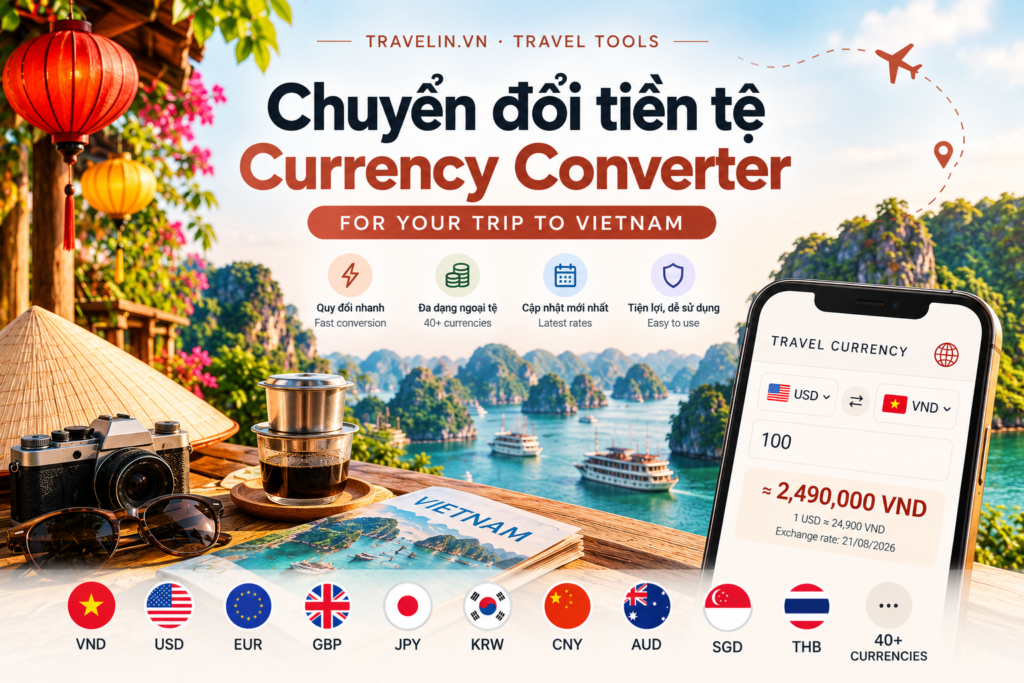
For international visitors, a currency converter can be useful when comparing prices and planning daily expenses.
11. Road Safety Tips for International Visitors
Traffic conditions in Vietnam may differ considerably from those in other countries.
Motorbikes are common, particularly in major cities, and some intersections can be busy.
To stay safe:
- Follow traffic signals and road signs.
- Use pedestrian crossings and traffic lights where available.
- Look carefully in both directions before crossing a road.
- Wear an appropriate helmet when riding a motorbike.
- Use seat belts in vehicles equipped with them.
- Never drive after consuming alcohol.
- Avoid using your phone while operating a vehicle.
- Consider professional drivers for unfamiliar or challenging routes.
In an emergency, the following numbers may be useful:
- 113: Police
- 114: Fire and rescue services
- 115: Medical emergency services
These emergency services primarily operate in Vietnamese, so assistance from your hotel or a local contact may be helpful when language support is needed.
12. Choosing the Best Transportation Option
Different transportation methods are suitable for different travel styles, distances, and budgets.
| Transportation | Best For |
|---|---|
| Domestic flights | Long-distance travel and saving time |
| Trains | Scenic journeys and intercity travel |
| Intercity buses | Affordable travel between provinces |
| Limousine services | Comfortable short- and medium-distance journeys |
| Taxis and ride-hailing | City transportation and airport transfers |
| Public buses and metro | Affordable urban transportation |
| High-speed ferries | Island destinations |
| Private vehicles with drivers | Families, groups, and customized itineraries |
Combining different transportation methods can often provide the best balance of convenience, travel time, and cost.
13. Essential Transportation Tips for First-Time Visitors
If this is your first trip to Vietnam, a little preparation can make getting around much easier.
Plan your route in advance. Check the distance between destinations and the transportation options available.
Allow extra travel time. Traffic congestion, weather, and operational changes can affect arrival times.
Stay connected. A local SIM card or travel eSIM can help with navigation, transportation bookings, and communication.
Keep important documents accessible. Carry your passport or other required identification when traveling.
Check weather conditions. This is especially important for mountain roads, island ferries, and outdoor travel.
Use reputable service providers. Compare booking conditions and verify operator details before making payments.
Keep emergency contacts available. Save your accommodation details and relevant emergency numbers.
Explore Vietnam with Travelin.vn
Understanding Vietnam’s transportation system is an important part of planning a successful trip.
Whether you are flying between major cities, enjoying a scenic train journey, traveling by bus through the countryside, or taking a high-speed ferry to an island, each transportation option offers a different way to discover the country.
With the right information and preparation, international visitors can travel around Vietnam more confidently, safely, and efficiently.
At Travelin.vn – Travel in Vietnam, we provide destination guides, transportation information, practical travel tips, and useful travel planning resources to help visitors explore Vietnam.
Travelin.vn – Explore Vietnam with Confidence.
Disclaimer: This article provides general travel information for reference purposes only. Transportation schedules, fares, routes, operating conditions, and legal requirements may change. Travelers should confirm current details with transportation providers and relevant authorities before departure.