
Vietnam is one of Southeast Asia’s most appealing travel destinations, offering beautiful landscapes, rich cultural heritage, delicious food, and a wide range of accommodation options. From bustling cities such as Hanoi and Ho Chi Minh City to popular destinations including Da Nang, Hoi An, Da Lat, Phu Quoc, and Con Dao, travelers can explore Vietnam on different budgets.
One of the most common questions international visitors ask when planning a trip is: How much money do you need per day in Vietnam?
As a general planning estimate, travelers can expect to spend approximately 500,000 to 3,000,000 VND per person per day, depending on their travel style, accommodation, transportation, and activities. Luxury vacations may cost considerably more.
This guide from Travelin.vn – Travel in Vietnam explains daily travel expenses, accommodation costs, food prices, transportation budgets, and estimated spending for 7-day, 14-day, and 30-day trips.
1. How Much Money Do You Need Per Day in Vietnam?
Daily travel costs in Vietnam can be divided into four main budget categories: budget, mid-range, comfortable, and luxury travel.
| Travel Style | Estimated Daily Budget per Person |
|---|---|
| Budget travel | 500,000–900,000 VND |
| Mid-range travel | 1,000,000–1,800,000 VND |
| Comfortable travel | 2,000,000–3,000,000 VND |
| Luxury travel | Over 3,000,000 VND |
These figures are approximate planning estimates rather than fixed prices. They mainly cover accommodation, meals, local transportation, and ordinary sightseeing activities.
International flights, visa fees, travel insurance, long-distance transportation, and special experiences are not included.
Solo travelers may spend more per person on accommodation than couples or friends sharing a hotel room.
2. Accommodation Costs in Vietnam
Vietnam offers a wide variety of accommodation options, ranging from budget hostels and homestays to luxury hotels and international resorts.
Budget Hostels and Guesthouses
These are suitable for backpackers, solo travelers, and visitors who want to keep accommodation costs low.
Estimated prices:
- Hostel dormitory bed: 150,000–350,000 VND per night.
- Budget private room: 300,000–600,000 VND per night.
Mid-Range Hotels
Mid-range hotels are popular among independent travelers, couples, and families.
Estimated prices:
- Standard hotel: 500,000–900,000 VND per room per night.
- More comfortable hotel: 900,000–1,500,000 VND per room per night.
Luxury Hotels and Resorts
Major cities and beach destinations offer upscale hotels, private villas, and luxury resorts.
Estimated prices:
- Upscale hotels: From approximately 1,500,000 VND per room per night.
- Resorts and private villas: From around 3,000,000 VND to several million VND per night.
Accommodation prices often increase during weekends, public holidays, peak travel seasons, and major events.
Travel tip: Always check the final room price, including taxes, service charges, and additional fees, before confirming your reservation.
3. Food and Drink Costs in Vietnam
Vietnamese cuisine is one of the highlights of visiting the country. Travelers can enjoy everything from affordable street food to fine dining experiences.
Budget-Friendly Local Food
Typical estimated prices include:
| Food or Drink | Estimated Price |
|---|---|
| Banh mi (Vietnamese sandwich) | 20,000–45,000 VND |
| Pho or noodle soup | 35,000–80,000 VND |
| Local rice meal | 35,000–70,000 VND |
| Vietnamese coffee | 20,000–50,000 VND |
| Bottled water | 8,000–20,000 VND |
Mid-Range Restaurants
A meal at a casual or mid-range restaurant may cost approximately 100,000–250,000 VND per person, depending on the menu and location.
Fine Dining
Meals at upscale restaurants, hotel restaurants, or premium international dining establishments may cost from 300,000 VND to more than 1,000,000 VND per person.
Estimated Daily Food Budget
- Budget travelers: 120,000–200,000 VND.
- Mid-range travelers: 200,000–400,000 VND.
- Comfortable travelers: 500,000–1,000,000 VND or more.
Food and drink prices at airports, luxury resorts, and major tourist attractions may be higher.
4. Transportation Costs in Vietnam
Transportation expenses depend on the distance traveled, type of vehicle, and destination.
Public Buses
Public buses are an affordable way to travel in many Vietnamese cities.
Fares on many ordinary urban routes may range from approximately 7,000 to 20,000 VND per journey, although some special routes cost more.
Taxis and Ride-Hailing Services
Taxis and ride-hailing applications are available in many cities and popular tourist destinations.
Fares depend on distance, travel time, vehicle type, and traffic conditions.
Travelers should check the estimated fare in the app or use a metered taxi.
Motorbike Rentals
In some destinations, motorbike rentals may cost approximately 100,000–200,000 VND per day, excluding fuel and additional charges.
International visitors must comply with Vietnam’s driving license and vehicle operation requirements.
Traveling Between Cities
Popular transportation options include:
- Domestic flights.
- Trains.
- Intercity buses.
- Limousine vans.
- High-speed ferries to island destinations.
Ticket prices vary considerably depending on the route, travel date, booking time, and service category.
If your itinerary includes several cities, it is advisable to calculate long-distance transportation costs separately from your regular daily budget.
5. Sightseeing and Activity Costs
Vietnam offers a wide range of free, affordable, and premium travel experiences.
Free and Low-Cost Activities
Travelers can explore historic neighborhoods, traditional markets, public parks, selected beaches, and other public spaces with little or no admission cost.
Museums and Historical Attractions
Entrance fees for museums, heritage sites, and scenic attractions may range from tens of thousands to several hundred thousand VND, depending on the destination.
Some attractions have different ticket categories or optional services.
Guided Tours and Experiences
Activities such as food tours, guided sightseeing, cooking classes, cruises, and nature excursions generally cost more than independent sightseeing.
For island trips, protected areas, or remote mountain destinations, travelers should also budget for transportation, guides, and any required services.
6. Daily Travel Budgets for Popular Destinations in Vietnam
Travel expenses vary across the country.
The following estimates represent a typical daily budget per person for ordinary accommodation, meals, local transportation, and basic sightseeing.
| Destination | Estimated Daily Budget per Person |
|---|---|
| Hanoi | 700,000–1,800,000 VND |
| Ho Chi Minh City | 800,000–2,000,000 VND |
| Da Nang | 700,000–1,800,000 VND |
| Hoi An | 700,000–1,800,000 VND |
| Hue | 600,000–1,500,000 VND |
| Da Lat | 700,000–1,800,000 VND |
| Nha Trang | 800,000–2,000,000 VND |
| Phu Quoc | 1,000,000–2,500,000 VND |
| Con Dao | 1,200,000–3,000,000 VND |
| Phu Quy | 700,000–1,800,000 VND |
These are illustrative budget ranges, not officially published average prices.
Actual spending may exceed these estimates during peak seasons or when choosing premium services.
For island destinations, flights, ferry tickets, and marine activities should be budgeted separately.
7. How Much Does a 7-Day Trip to Vietnam Cost?
For a one-week vacation, travelers can estimate their budget based on their preferred travel style.
| Travel Style | Estimated 7-Day Budget per Person |
|---|---|
| Budget | 3,500,000–6,300,000 VND |
| Mid-range | 7,000,000–12,600,000 VND |
| Comfortable | 14,000,000–21,000,000 VND |
For example, a traveler planning to spend 1,200,000 VND per day would need approximately:
1,200,000 × 7 = 8,400,000 VND.
This estimate excludes international airfare, visa fees, insurance, long-distance transportation, and special activities.
8. How Much Does a 14-Day Trip to Vietnam Cost?
A two-week trip allows visitors to explore several destinations and experience the cultural differences between Vietnam’s regions.
| Travel Style | Estimated 14-Day Budget per Person |
|---|---|
| Budget | 7,000,000–12,600,000 VND |
| Mid-range | 14,000,000–25,200,000 VND |
| Comfortable | 28,000,000–42,000,000 VND |
Travelers visiting multiple cities should allocate additional funds for intercity transportation.
Booking flights, trains, and accommodation in advance may help manage expenses, particularly during peak travel periods.
9. How Much Does a 30-Day Trip to Vietnam Cost?
For travelers planning to explore Vietnam over a month, the total budget depends heavily on the number of destinations and frequency of travel.
| Travel Style | Estimated 30-Day Budget per Person |
|---|---|
| Budget | 15,000,000–27,000,000 VND |
| Mid-range | 30,000,000–54,000,000 VND |
| Comfortable | 60,000,000–90,000,000 VND |
Staying longer in one destination may reduce average daily expenses through accommodation discounts, fewer transportation costs, and more flexible dining options.
By contrast, frequently traveling between distant cities can significantly increase the total budget.
10. Additional Travel Expenses You Should Consider
Besides accommodation, food, and transportation, international visitors should plan for several additional expenses.
Vietnam Visa Fees
Depending on nationality and travel purpose, visitors may qualify for visa-free entry or need to apply for an appropriate visa.
Any applicable visa fees should be included separately in the travel budget.
Tourist SIM Cards and eSIMs
Travelers may purchase a local SIM card or eSIM for mobile internet, navigation, ride-hailing applications, and communication.
Prices depend on the mobile operator, data allowance, and validity period.
Travel Insurance
Travel insurance is not a general mandatory entry requirement for all foreign tourists visiting Vietnam, but it is worth considering for unexpected medical expenses and other covered travel risks.
Banking and Currency Exchange Fees
International travelers may incur ATM withdrawal fees, foreign transaction charges, or currency conversion costs.
Laundry, Shopping, and Personal Expenses
Small personal expenses can add up over longer trips.
Emergency Budget
Consider setting aside an additional 10–20% of your planned travel budget for unexpected expenses.
This is a practical budgeting suggestion rather than a mandatory requirement.
11. How to Save Money While Traveling in Vietnam
Travelers can manage their expenses more effectively by following these practical tips:
- Plan a realistic itinerary and avoid unnecessary long-distance travel.
- Book flights and accommodation early when your travel dates are confirmed.
- Use public transportation when practical.
- Enjoy local Vietnamese food at establishments with clearly displayed prices.
- Compare tour and activity prices before booking.
- Check taxes, service charges, and additional fees.
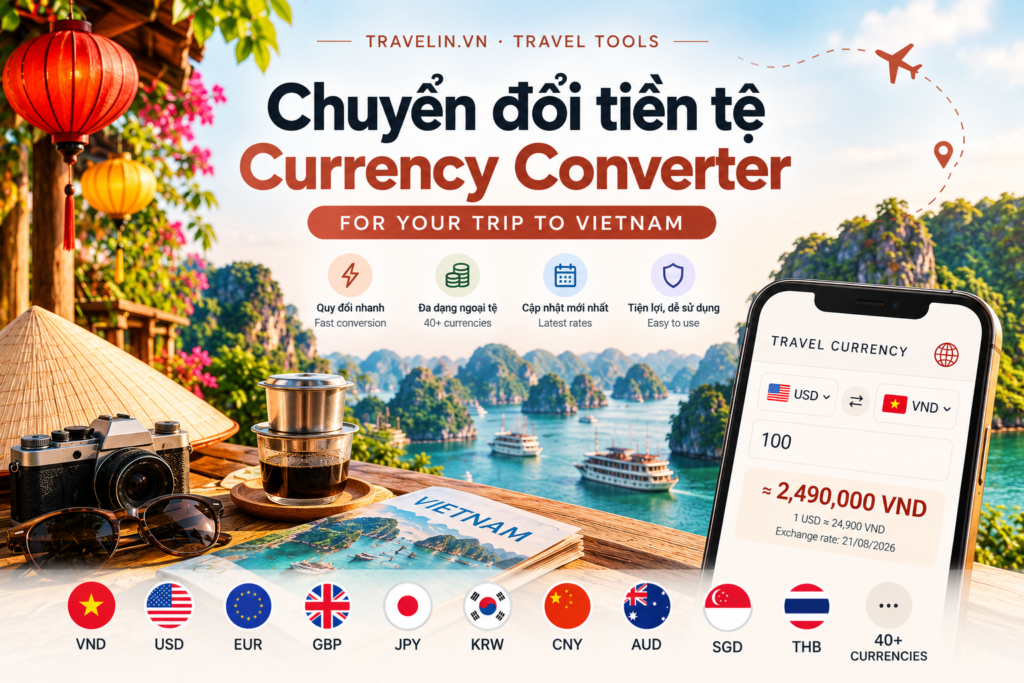
- Use a currency converter to monitor spending.
- Combine cash with international payment cards.
- Exchange foreign currency only through authorized providers.
- Keep a financial reserve for unexpected changes.
Budget travel does not mean always choosing the cheapest option. Safety, service quality, and transparent pricing are equally important.
12. Frequently Asked Questions About Vietnam Travel Costs
Is 500,000 VND per day enough for Vietnam?
It can be enough for some budget travelers who stay in hostels, eat inexpensive local food, and limit paid activities. However, this budget may be difficult to maintain in certain destinations or during peak seasons.
Is 1,000,000 VND per day enough for Vietnam?
For many destinations, 1,000,000 VND per person per day can cover standard accommodation, local meals, and some basic sightseeing. Actual costs depend on whether you travel alone or share accommodation.
Is Vietnam expensive for tourists?
Vietnam offers options for many different budgets. However, luxury resorts, island vacations, and popular destinations during peak travel periods can be relatively expensive.