

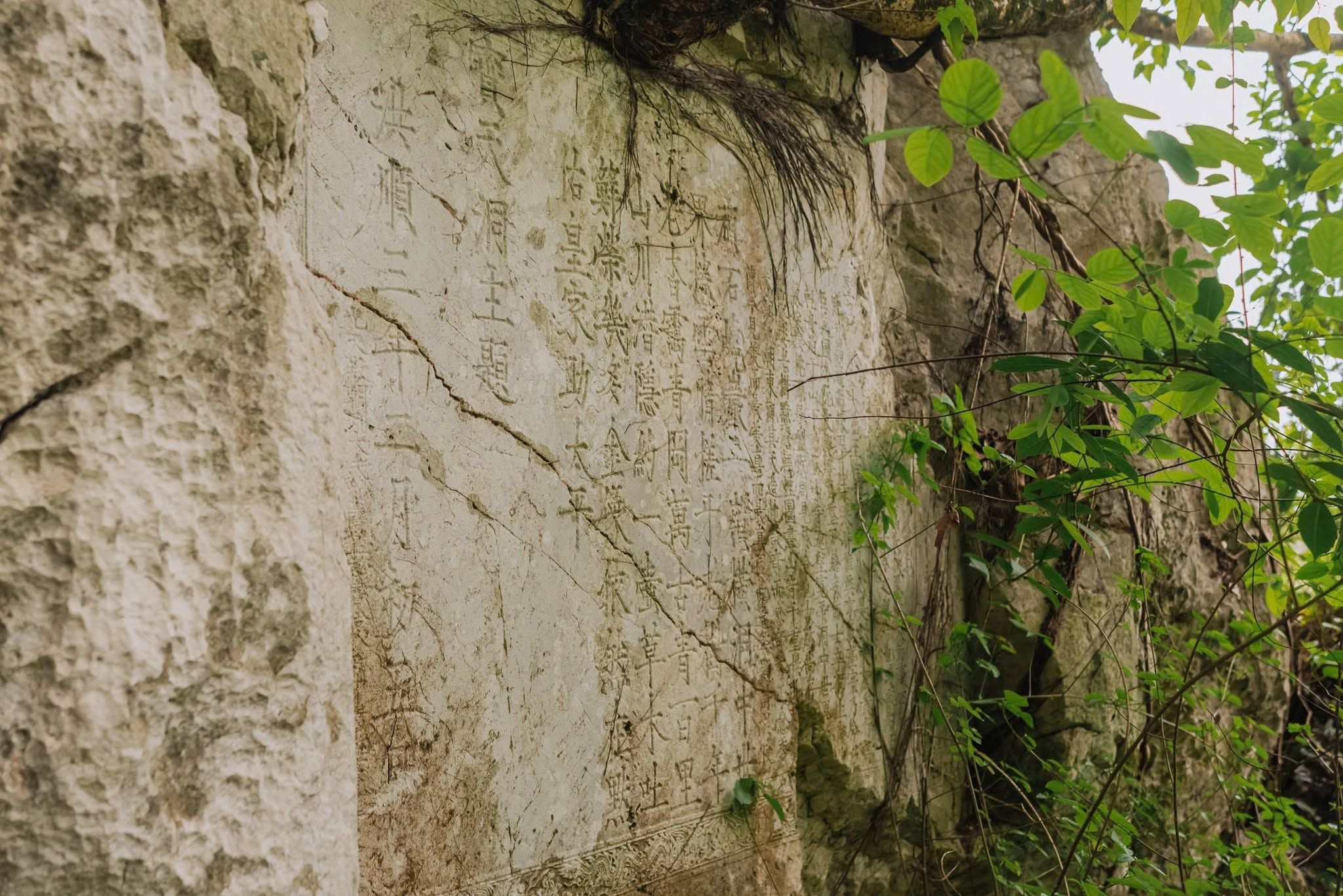
On November 5, 2026, the Cliff Inscriptions on Non Nuoc Mountain in Ninh Binh Province, Vietnam, were officially inscribed on the UNESCO Memory of the World Asia-Pacific Register. The recognition marks an important milestone in preserving a remarkable collection of ancient inscriptions that has survived for nearly 700 years.
Located on the natural rock faces of Non Nuoc Mountain, also known as Duc Thuy Son, the collection consists of 43 surviving inscriptions. Together, they preserve valuable records of Vietnamese history, literature, philosophy, religion, and artistic traditions across several dynasties.
The recognition also makes the inscriptions the first documentary heritage from Ninh Binh Province to be included in UNESCO’s Memory of the World Programme.
UNESCO Recognition on November 5, 2026
The inscriptions were officially added to the regional register during the 11th General Meeting of the Memory of the World Committee for Asia and the Pacific (MOWCAP), held in Jakarta, Indonesia.
The decision was announced at 3:20 PM Vietnam time on November 5, 2026.
The Stone Steles of Pho Hien in Hung Yen Province were also recognized during the same registration cycle.
With these additions, Vietnam has 13 documentary heritage collections recognized under UNESCO’s Memory of the World Programme, including four on the International Register and nine on the Asia-Pacific Regional Register.
For Ninh Binh, the inscription represents a significant achievement in the international recognition of its historical and cultural heritage.
It also creates new opportunities for research, conservation, digital preservation, and the wider promotion of Vietnam’s documentary heritage.
A Collection of 43 Inscriptions Spanning Nearly 700 Years
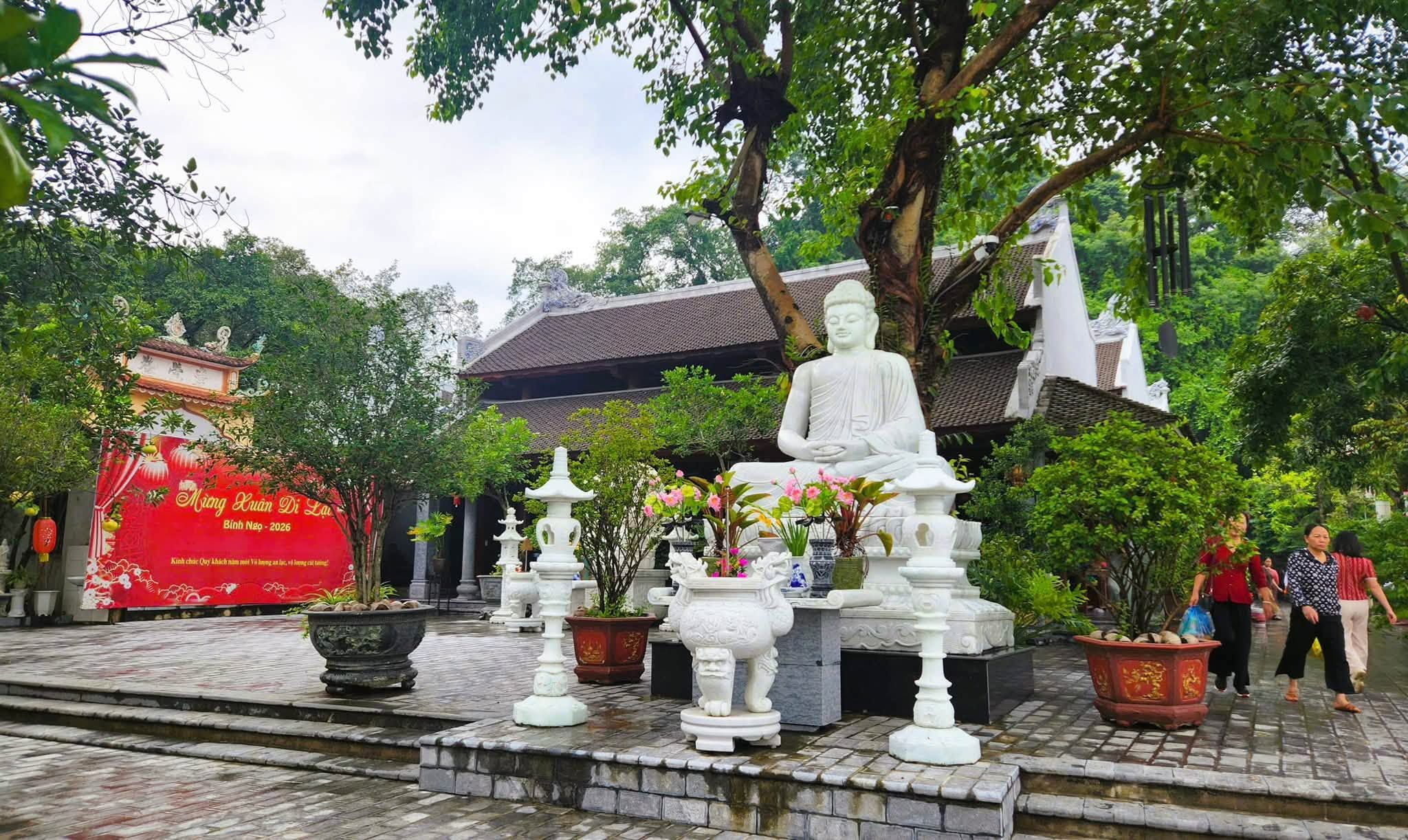
Non Nuoc Mountain, historically known as Duc Thuy Son, is located in Hoa Lu Ward, Ninh Binh Province.
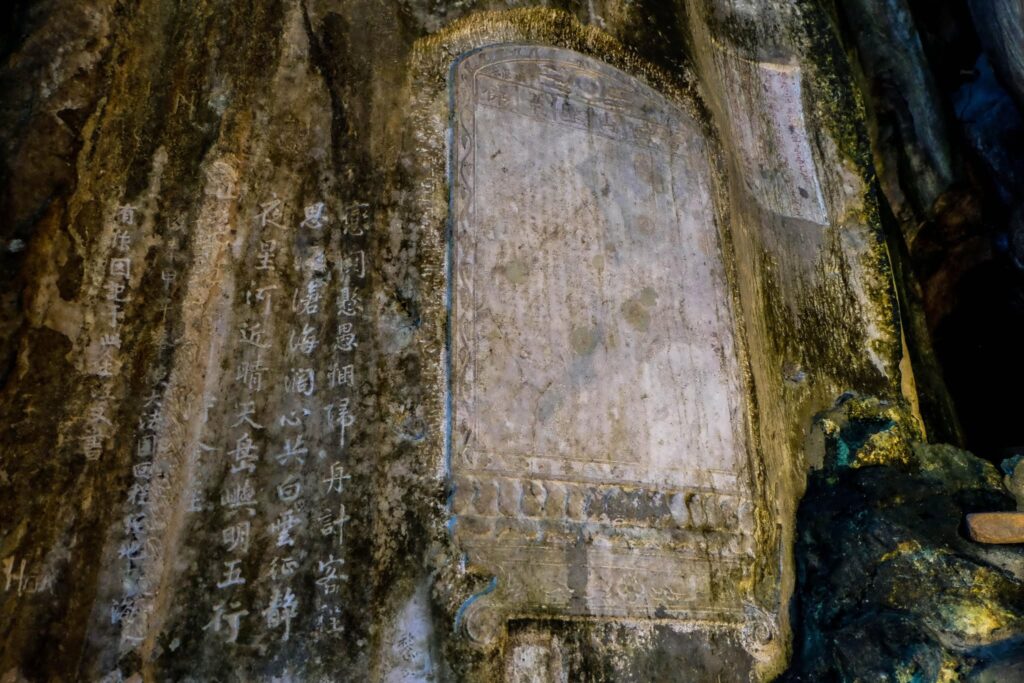
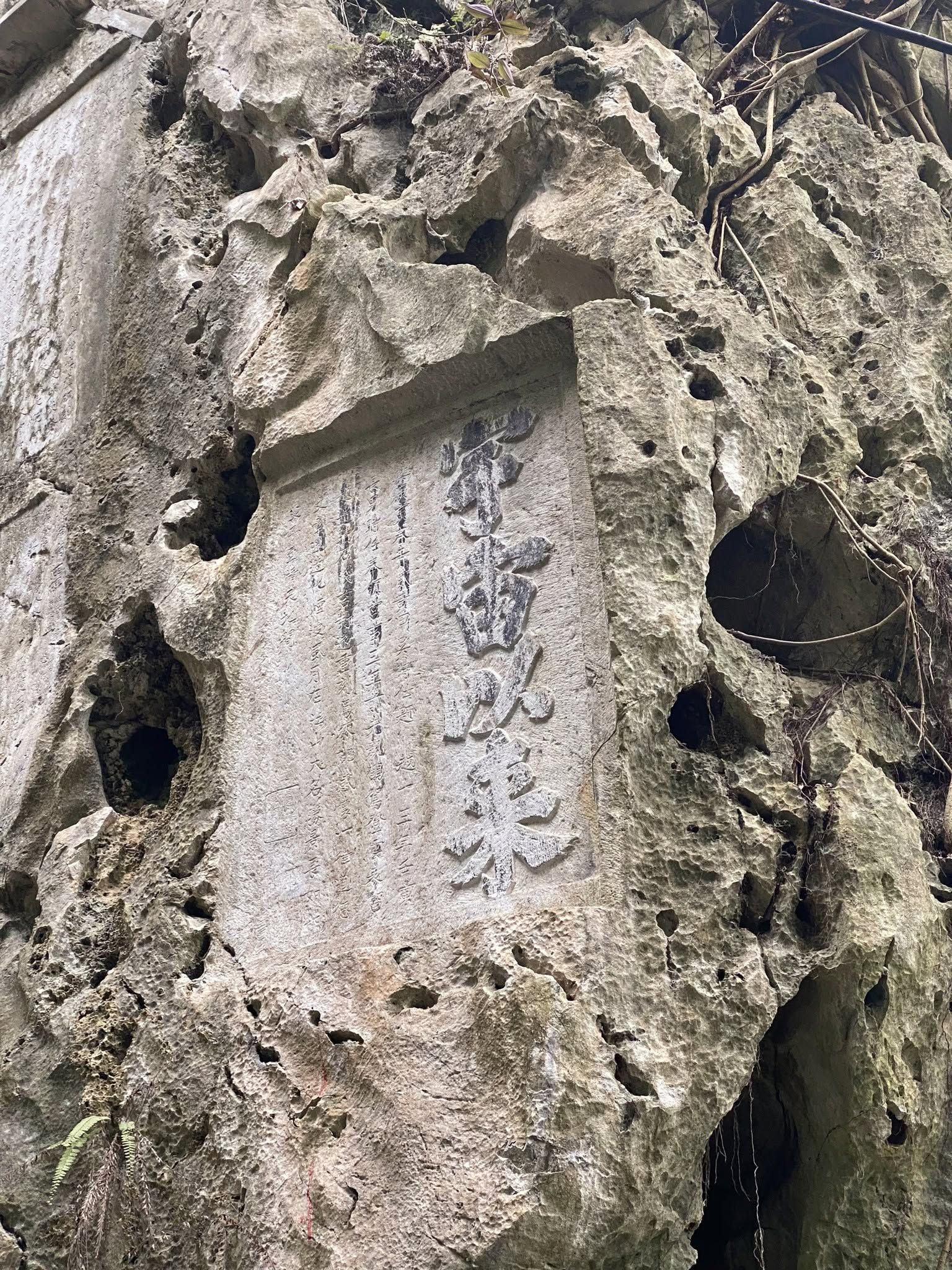
The mountain preserves 43 cliff inscriptions, including 37 inscriptions in Han-Nom scripts and six in the Vietnamese Latin-based script, Quoc Ngu.
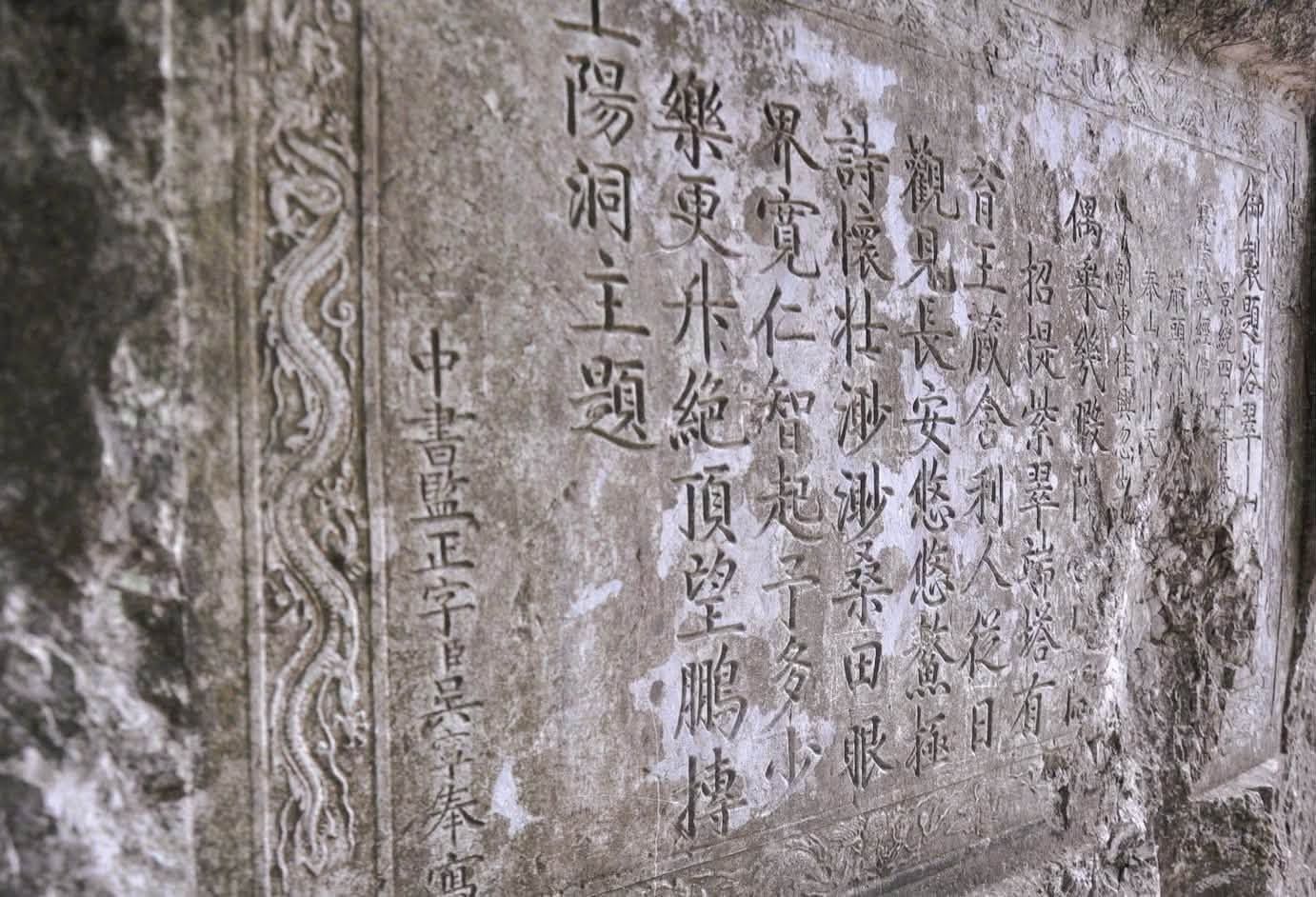
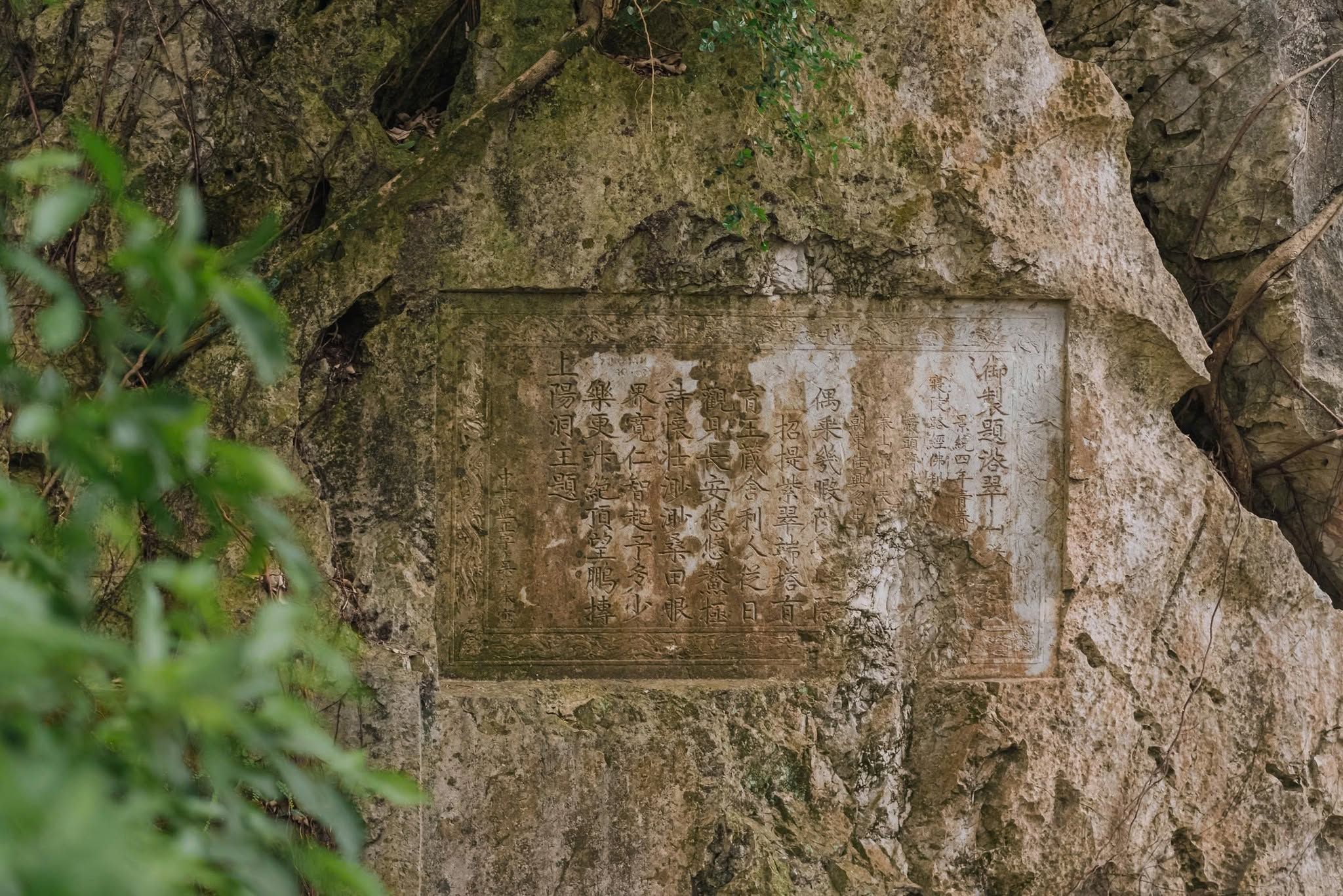
Known in Vietnamese as Ma nhai, these inscriptions were carved directly into natural rock surfaces rather than onto freestanding stone tablets.
They include poems, literary compositions, commemorative records, and historical texts associated with emperors, royal figures, scholars, officials, and poets.
The inscriptions date from the 14th to the 20th century, providing an exceptional record of Vietnam’s cultural and intellectual development.
Two of the earliest known inscriptions date to 1343. They include Duc Thuy Son Linh Te Thap Ky by the renowned scholar Truong Han Sieu and Nhat Ky Thien Long Tu Thuong Tru Tam Bao Vat, whose author remains unidentified.
Among the latest dated works is Khu Tue Tam Thanh Tang Tru Tiet by Bui Thien Co, carved in 1934. Three other inscriptions do not contain identifiable dates.
The collection’s chronological range and diversity of authors make it a valuable source for understanding the evolution of Vietnamese literature, thought, and society over several centuries.
Historical Records Preserved in Stone
One of the most remarkable characteristics of the Non Nuoc Mountain inscriptions is their authenticity.
Many of the texts remain on the original rock surfaces where they were created, preserving a direct connection between the written records and their historical setting.
Unlike manuscripts that may have been copied, edited, or reproduced over generations, these inscriptions retain physical evidence of their original creation.
Several works can be associated with prominent historical figures, including Truong Han Sieu, Pham Su Manh, Emperor Le Thanh Tong, Emperor Le Hien Tong, Ngo Thi Si, and Ngo Thi Nham.
Their writings offer insights into the intellectual interests, cultural values, and social conditions of their respective periods.
While some inscriptions celebrate the mountain’s natural beauty, others record historical events, philosophical reflections, religious beliefs, and aspects of everyday life.
The collection therefore serves not only as an important literary archive but also as a historical record of Vietnamese society.
Literary, Philosophical, and Artistic Significance
The Non Nuoc Mountain inscriptions represent an extraordinary collection of classical Vietnamese literature.
Many works reflect the tradition of composing poetry during journeys, scholarly gatherings, and visits to scenic landscapes.
Through their language and literary forms, the inscriptions illustrate the development of Han-Nom literature across successive dynasties.
Their subjects also reveal the interaction of Confucianism, Buddhism, and Taoism, reflecting the historical concept of the Three Teachings in Harmony.
Some inscriptions provide information about land ownership, religious institutions, and women’s participation in social and spiritual activities during Vietnam’s premodern period.
These records offer researchers valuable perspectives on aspects of society that may be less visible in conventional historical chronicles.
Beyond their literary and documentary value, the inscriptions are outstanding examples of traditional calligraphy and stone-carving craftsmanship.
Each character was carefully carved into natural rock, requiring technical precision and artistic skill.
The shapes, proportions, and arrangement of the characters reveal calligraphic styles associated with different historical periods.
The combination of literature, calligraphy, and stone carving gives the collection a distinctive artistic identity.
Why the Non Nuoc Mountain Inscriptions Are Important Documentary Heritage
The significance of the Non Nuoc Mountain inscriptions lies in several defining characteristics: their authenticity, chronological continuity, diversity of content, and unique physical setting.
The collection contains original texts preserved in the environment where they were created.
Their authors, dates, literary styles, and historical references provide valuable evidence for academic research.
Together, the inscriptions contribute to the study of Vietnamese history, classical literature, language, religion, calligraphy, and cultural exchanges across East Asia.
The concentration of 43 inscriptions spanning multiple dynasties is particularly noteworthy.
Rather than representing a single moment in history, the collection documents successive generations of literary and intellectual activity.
Its inclusion in the UNESCO Memory of the World Asia-Pacific Register acknowledges the importance of preserving this documentary heritage for future generations.
Preserving the Inscriptions After UNESCO Recognition
Although the inscriptions have survived for centuries, their preservation remains an ongoing challenge.
Natural weathering, rainfall, humidity, vegetation, and changes in the rock surface can gradually affect the condition of carved characters.
Human activities may also create additional risks if the site is not carefully managed.
Conservation efforts therefore need to prioritize the protection of original inscriptions and their surrounding environment.
Documentation, high-resolution photography, scholarly transcription, translation, and digital archiving are also essential.
These activities can preserve valuable information while making the inscriptions more accessible to researchers, students, and the wider public.
Introducing the texts through multilingual interpretation would further help international visitors understand their historical and cultural significance.
Importantly, any conservation work should respect the original appearance and authenticity of the inscriptions rather than alter their historical characteristics.
A Documentary Legacy Connecting Seven Centuries of Vietnamese History
From the earliest surviving inscriptions dated 1343 to works created in the 20th century, the cliff inscriptions of Non Nuoc Mountain preserve the voices of numerous generations.
Each inscription provides a glimpse into the ideas, experiences, and artistic traditions of people who lived centuries ago.
Together, they form a documentary legacy that connects Vietnam’s past with the present.
Their significance extends beyond the mountain itself, contributing to a broader understanding of the country’s literary heritage and cultural development.
The official UNESCO recognition on November 5, 2026, represents an important milestone for Ninh Binh and Vietnam’s documentary heritage.
It also reinforces the responsibility to protect these irreplaceable historical records, ensuring that the stories carved into the cliffs of Duc Thuy Son remain accessible to future generations.
The 43 inscriptions are more than ancient writings on stone. They are enduring records of Vietnamese scholarship, artistic achievement, and cultural memory.