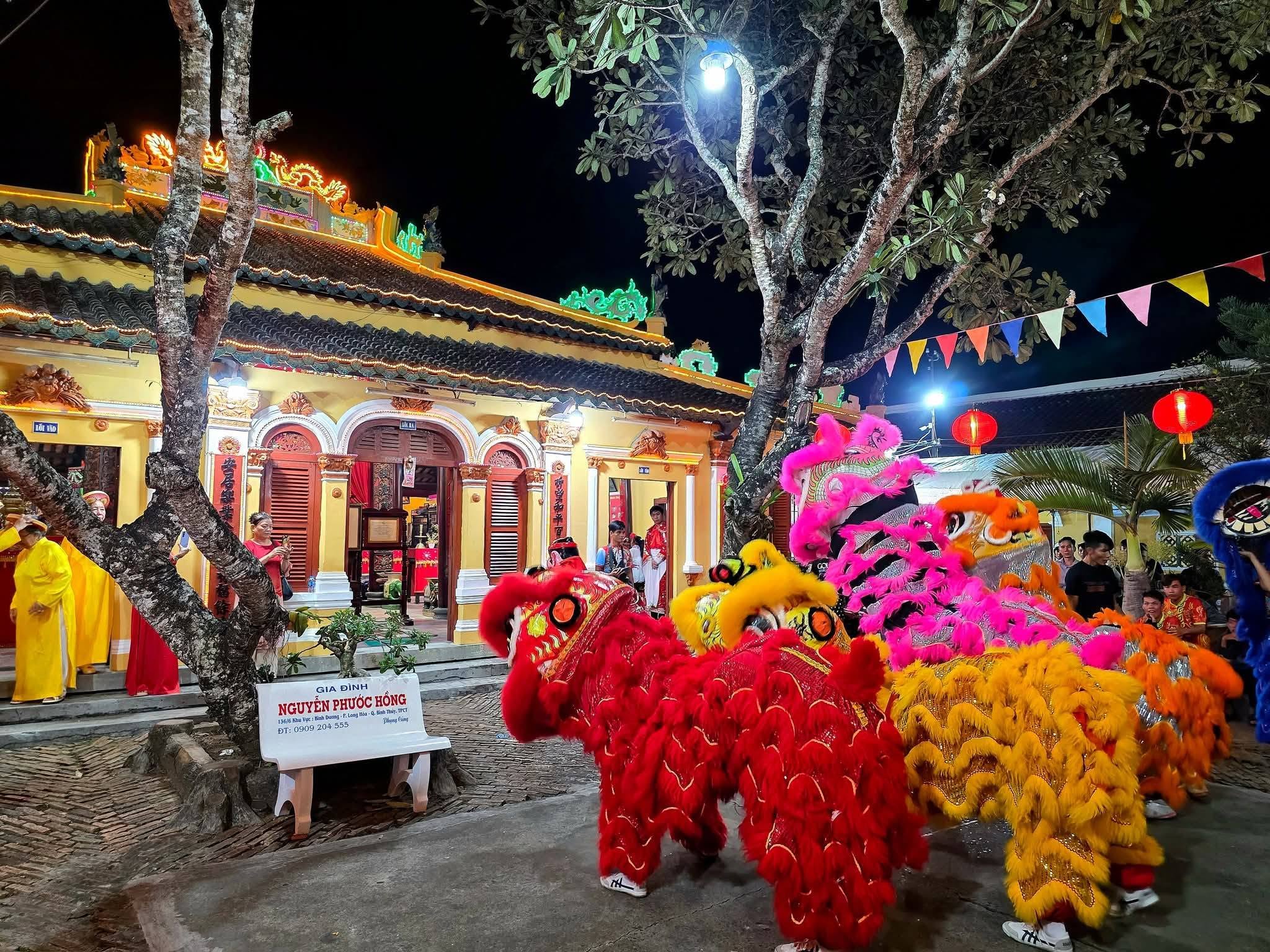
The Ky Yen Festival at Binh Thuy Communal House is one of the most important traditional festivals in Can Tho. Held annually in the fourth lunar month, the festival is the largest ceremonial event of the year at Binh Thuy Communal House, bringing together traditional rituals dedicated to the village guardian deity, the Agricultural Deity, Son Quan, and the early settlers and benefactors who contributed to the establishment and development of the local community.
The festival reflects the spiritual life of Southern Vietnamese communities and expresses traditional wishes for favorable weather, good harvests, peace, prosperity, and harmony between people and nature.
In recognition of its cultural significance, the Ky Yen Festival at Binh Thuy Communal House was included in the National Intangible Cultural Heritage List under Decision No. 266/QD-BVHTTDL dated January 30, 2018, issued by the Ministry of Culture, Sports and Tourism.
Binh Thuy Communal House and Its History
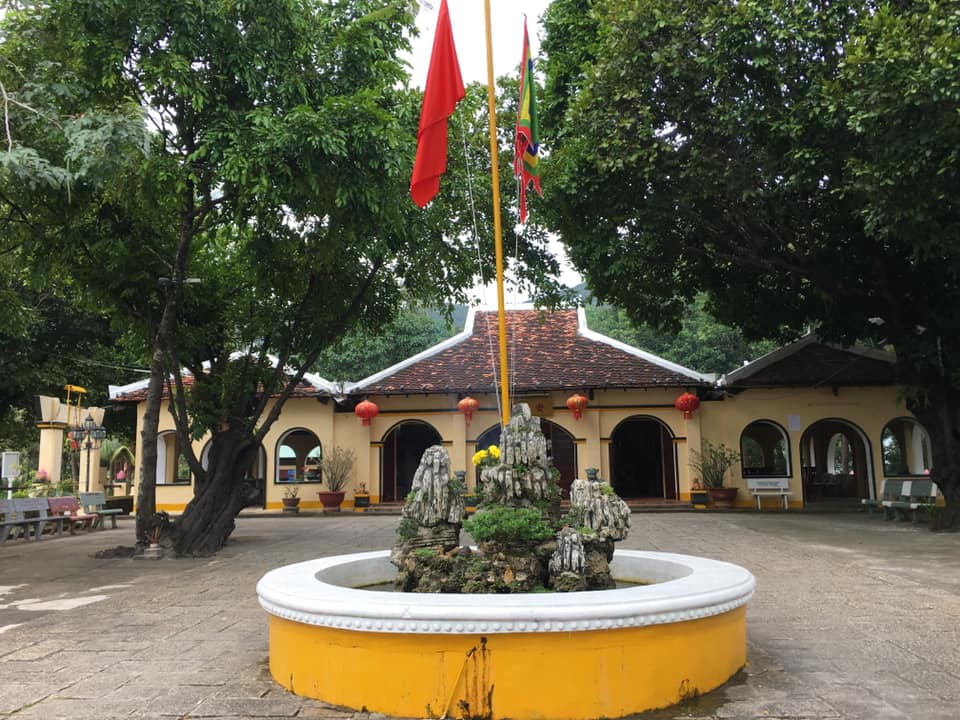
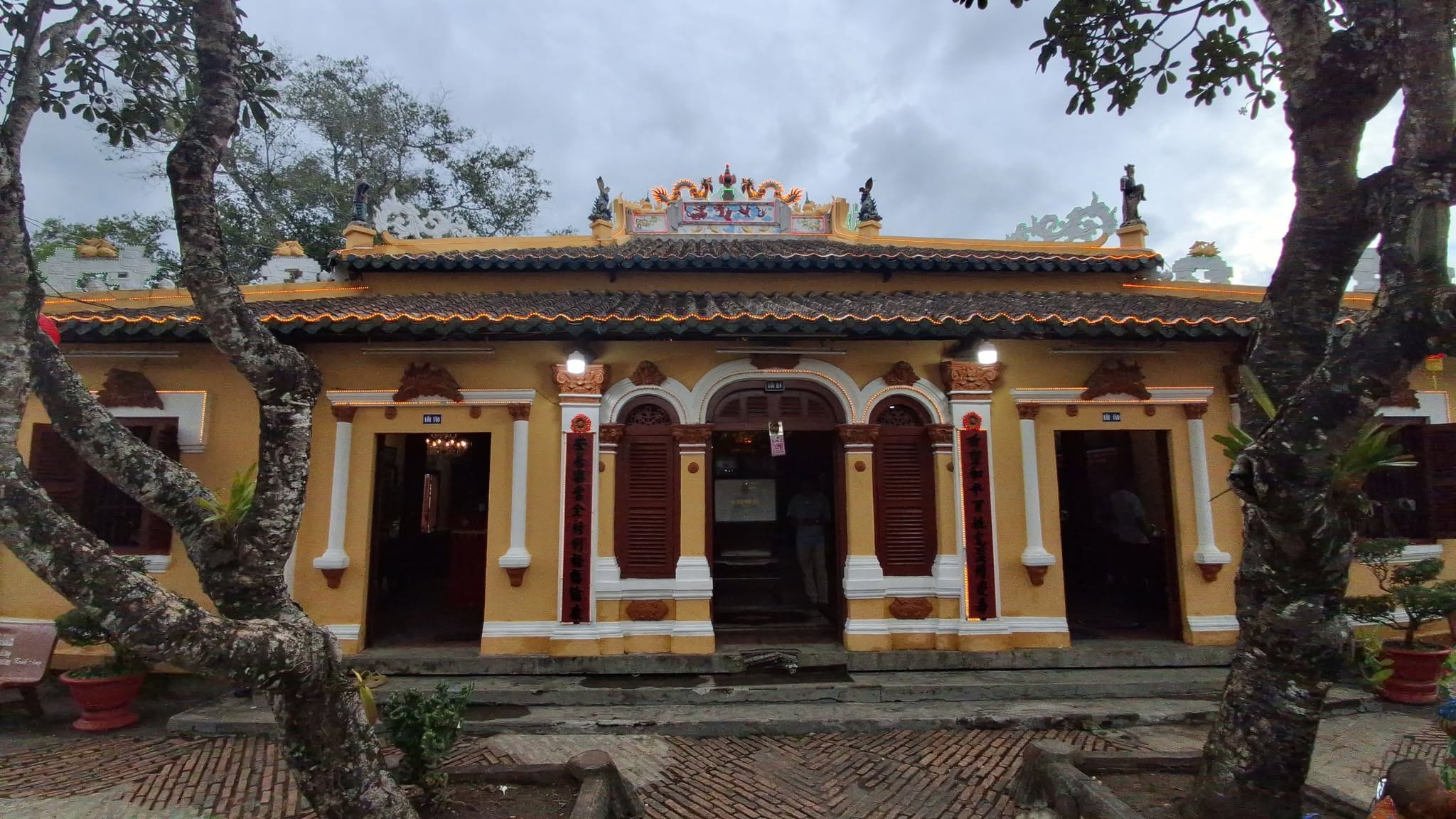
Binh Thuy Communal House is located on Le Hong Phong Street in Binh Thuy Ward, Can Tho City. It is a nationally recognized architectural and artistic heritage site and remains an important center of traditional religious and community activities in the area.
Historical records indicate that the area was formerly part of Long Tuyen Village. In 1844, a severe storm and flood caused extensive damage to houses, fields, and crops. After the disaster, local residents gradually returned, reclaimed the land, and rebuilt their lives. A small communal house made of wood and thatch was established near the Binh Thuy Creek estuary as a place to worship the local deity and pray for peace and stability.
According to local tradition, in 1852, during the reign of Emperor Tu Duc, Imperial Commissioner Huynh Man Dat was traveling along the Hau River when his boat encountered a violent storm. He sought shelter near the Binh Thuy Creek estuary, where the waters were unusually calm. Impressed by the peaceful landscape and the prosperous life of the local population, he reportedly proposed the name Binh Thuy, meaning a place of calm waters.
The emperor subsequently approved the name and, in the same year, granted the village a royal decree honoring its guardian deity as “Bon Canh Thanh Hoang”, the Guardian Deity of the Local Realm.
After several renovations, the communal house was rebuilt in brick and tile in the early 20th century and completed in 1910. In 1989, Binh Thuy Communal House was officially recognized as a national architectural and artistic heritage site.
Today, the communal house continues to preserve traditional religious practices and hosts two major Ky Yen ceremonies each year: the Thuong Dien Ky Yen Festival in the fourth lunar month and the Ha Dien Ky Yen Festival in the twelfth lunar month.
The Thuong Dien Ky Yen Festival
The Thuong Dien Ky Yen Festival is generally held from the 12th to the 15th day of the fourth lunar month. It is the most elaborate annual ceremony at Binh Thuy Communal House, featuring a sequence of traditional rituals conducted with solemnity and respect.
Preparations begin on the 11th day with ceremonies such as opening the three gates, the Earth Worship Ceremony, the Tien Thuong offering, and the Trinh Sanh ceremony.
The opening ceremony follows a prescribed order as the gates of the communal house are opened. The worship space and ritual objects are then carefully cleaned and prepared for the festival.
The Earth Worship Ceremony is held to inform the deity believed to govern the land that the festival is about to begin. The Tien Thuong offering is an occasion for the community to report the upcoming ceremony to their ancestors and those who came before them.
The Trinh Sanh ceremony takes place at the Agricultural Deity shrine within the communal house grounds. Traditionally, the offerings include a set of three sacrificial animals, consisting of a pig, a goat, and a goose. Every three years, a yellow-haired ox may replace the pig. The ritual expresses wishes for the prosperity of the country, the local community, and its people.
Procession of the Deity’s Royal Edict
At around 2 a.m. on the 12th day, the festival begins with the procession of the deity’s royal edict.
The royal edict is carried in a ceremonial procession through several local streets and residential areas before returning to the communal house for its reinstallation.
Residents along the procession route traditionally prepare offerings to welcome the deity. Their prayers focus on health, peace, prosperity, and a stable life for their families.
The procession also serves as an important link between the communal house and the wider community, bringing the sacred space of the festival into the streets and neighborhoods of Binh Thuy.
Worship of the Agricultural Deity
At around 5 a.m., a ceremony is held at the Agricultural Deity shrine.
The Agricultural Deity is traditionally associated with farming and the cultivation of the land. The ceremony expresses gratitude for the knowledge and blessings believed to have enabled people to cultivate crops and sustain their communities.
Offerings may include the sacrificial animals prepared during the previous day’s Trinh Sanh ceremony, together with roasted pork, wine, cakes, fruit, incense, and candles.
Ceremony for Changing the Cloth Covering the Royal Edict
Around midday, the ceremony for changing the cloth covering the royal edict takes place.
After the appropriate prayers are performed, the royal edict is respectfully brought out of its container. The officiant reads the decree before replacing its red cloth covering. The edict is then returned to its box and placed back on the altar.
Besides its religious significance, the ceremony provides an opportunity for members of the community to witness the royal decree associated with the history of the communal house.
Xay Chau and Dai Boi
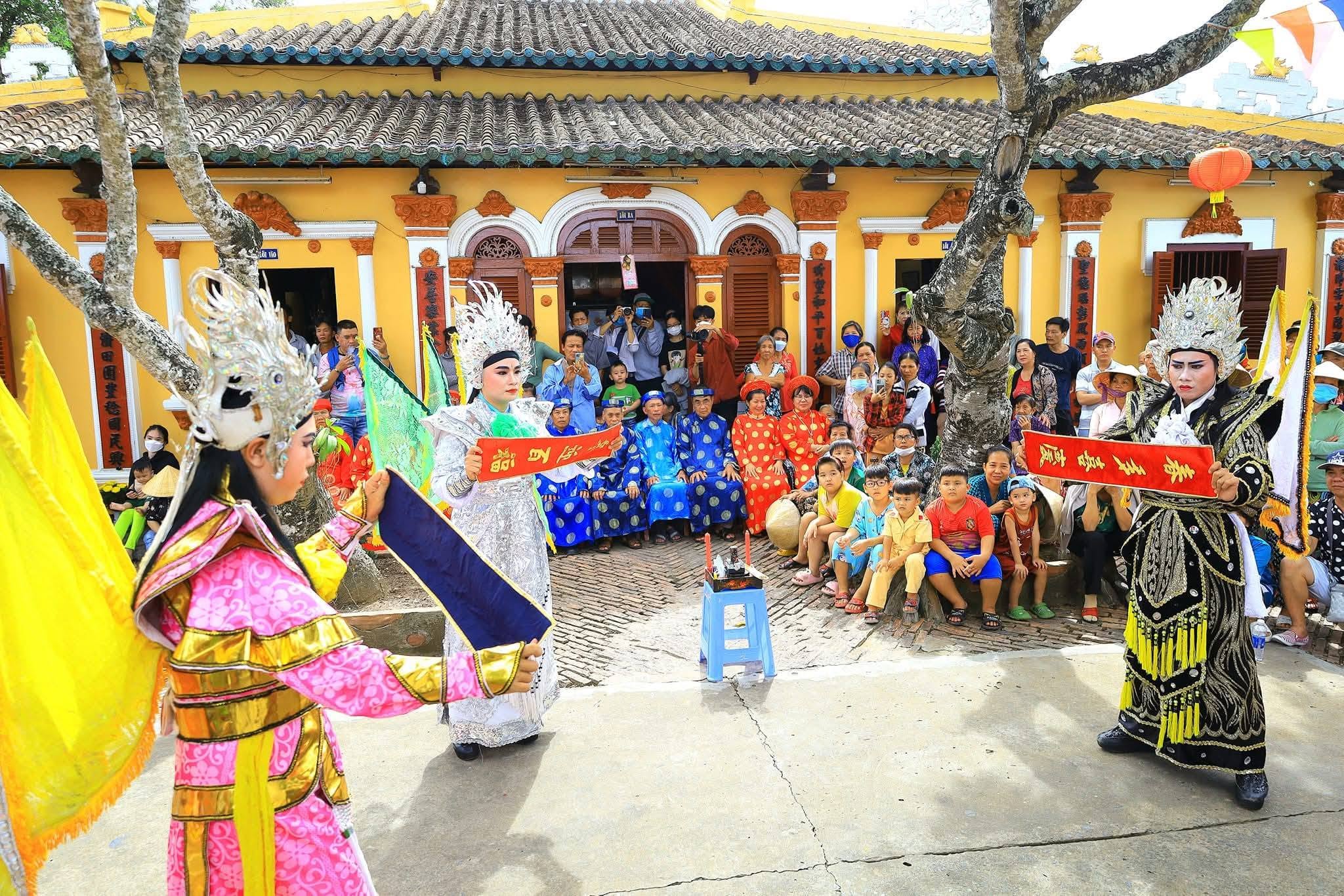
One of the most distinctive ceremonies of the festival is Xay Chau – Dai Boi, which is closely associated with traditional Vietnamese classical theater, particularly Hat Boi, the classical opera tradition of central and southern Vietnam.
At Binh Thuy Communal House, Xay Chau combines both literary and martial elements. The chief officiant first invites the village guardian deity to attend the ceremony and the theatrical performance. The beating of the ceremonial drum then marks the beginning of the ritual.
Xay Chau symbolizes the ordering of the universe, the harmony of opposing forces, and prayers for peace.
The ceremony is followed by Dai Boi, performed by Hat Boi actors. The ritual is expressed through a sequence of symbolic formations known as Nhat Thai, Luong Nghi, Tam Tai, Tu Tuong, and Ngu Hanh, corresponding to the numbers one through five.
Through costumes, movements, music, singing, and theatrical gestures, the performers transform traditional cosmological concepts into a living cultural performance.
The Main Ceremonies
On the morning of the 13th day, the Te Ban Soan ceremony is held in the main sanctuary. Those responsible for the festival gather to review the offerings and assign responsibilities for the remaining ceremonies.
At around 2 a.m. on the 14th day, the Tuc Yet ceremony is held to formally welcome the deity and present the ritual offerings. A prepared pig, together with a bowl of blood and a bowl containing bristles, forms part of the traditional offering. After the ceremonial text is read, it is burned according to ritual practice.
At around 2 a.m. on the 15th day, the Chanh Te ceremony takes place. This is the central worship ceremony of the Thuong Dien Ky Yen Festival.
The ceremony honors the guardian deity and pays tribute to the Tien Hien and Hau Hien, the early settlers and benefactors who contributed to opening the land, establishing the village, and building the local community. It also provides an occasion to commemorate those who sacrificed their lives for the country and community.
The ceremony is followed by Ton Vuong, performed by Hat Boi artists. The ritual is closely connected with the classical theatrical performances traditionally held during the festival.
The final major ritual is the Son Quan Ceremony, held at the Son Quan Shrine, commonly known as the Tiger Shrine. The ceremony expresses respect for the deity and prayers for a peaceful life, protection from natural disasters, disease, and dangers associated with the wild environment.
Cultural Activities and Festival Life
Alongside the solemn religious ceremonies, the Ky Yen Festival creates a lively cultural space with performances, traditional games, food demonstrations, and community activities.
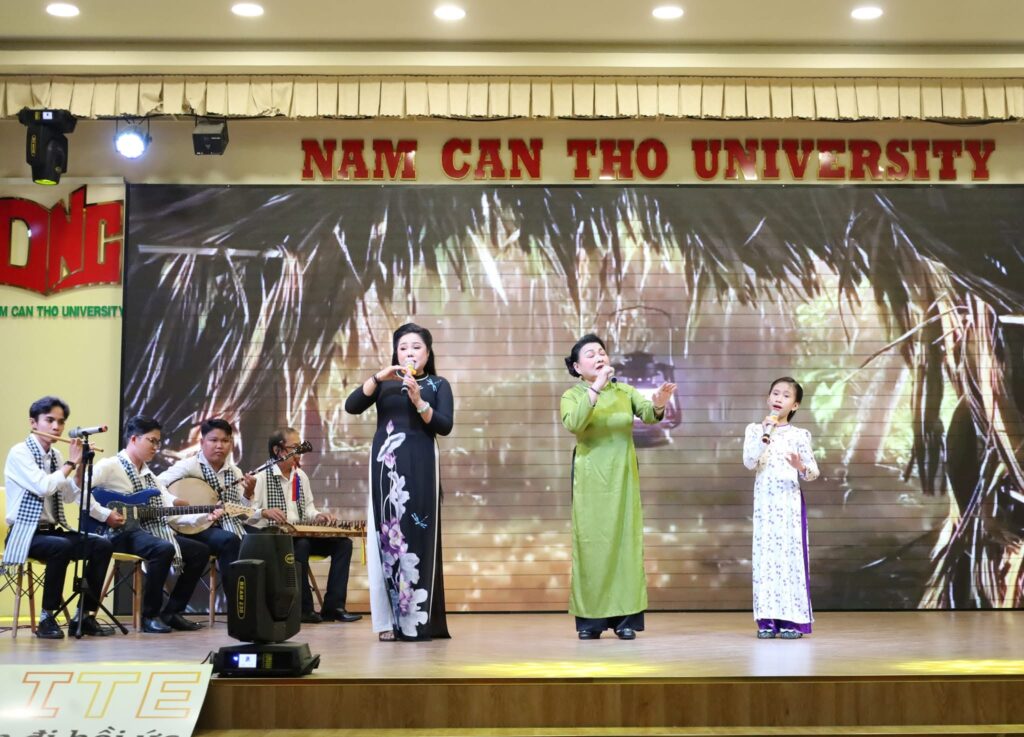
Traditional Hat Boi, classical theater, and Don Ca Tai Tu performances are important parts of the festival. Depending on the year, the festival program may also include calligraphy demonstrations, sketching, book exhibitions, local food presentations, tourism promotion booths, and traditional competitions.
Community activities may include boat racing, tug of war, blindfolded pot-breaking games, sack races, chess, and cycling events.
These activities give the festival a social dimension beyond its religious ceremonies. Residents gather, participate, meet one another, and pass traditional practices on to younger generations.
Cultural Significance
The Ky Yen Festival at Binh Thuy Communal House reflects the history of settlement and community formation in Southern Vietnam, where generations of residents reclaimed land, established villages, developed agriculture, and built communal institutions.
Its rituals bring together different layers of traditional folk beliefs, including worship of the village guardian deity, the Agricultural Deity, Son Quan, and the Tien Hien and Hau Hien. They also express the agricultural worldview of local communities, emphasizing harmony between people, nature, and the spiritual world.
The festival embodies the Vietnamese tradition of remembering one’s roots and honoring those who came before. Through prayers for favorable weather, abundant harvests, peace, and prosperity, it reflects the close relationship between traditional agricultural life and community beliefs.
The Xay Chau – Dai Boi ceremony also contributes to the preservation of Hat Boi, one of Vietnam’s traditional theatrical art forms. By maintaining these rituals in their original communal setting, the festival provides an environment where traditional knowledge, performance practices, ceremonial customs, and community values can continue to be passed from one generation to the next.
With its historical, religious, artistic, and community values, the Ky Yen Festival at Binh Thuy Communal House was officially recognized as a National Intangible Cultural Heritage in 2018.
Today, the festival remains an important cultural event in Binh Thuy and Can Tho, attracting local residents as well as visitors interested in exploring the traditional beliefs, performing arts, and community culture of the Mekong Delta.
Heritage Information
Heritage: Ky Yen Festival at Binh Thuy Communal House
Type: Traditional festival
Location: Binh Thuy Communal House, Binh Thuy Ward, Can Tho City, Vietnam
Main festival: Thuong Dien Ky Yen, held in the fourth lunar month
Other major festival: Ha Dien Ky Yen, held in the twelfth lunar month
Recognition: National Intangible Cultural Heritage
Decision: No. 266/QD-BVHTTDL, dated January 30, 2018
Recognizing authority: Ministry of Culture, Sports and Tourism
Key values: Folk beliefs, community culture, traditional rituals, Hat Boi, and the tradition of honoring ancestors and local benefactors