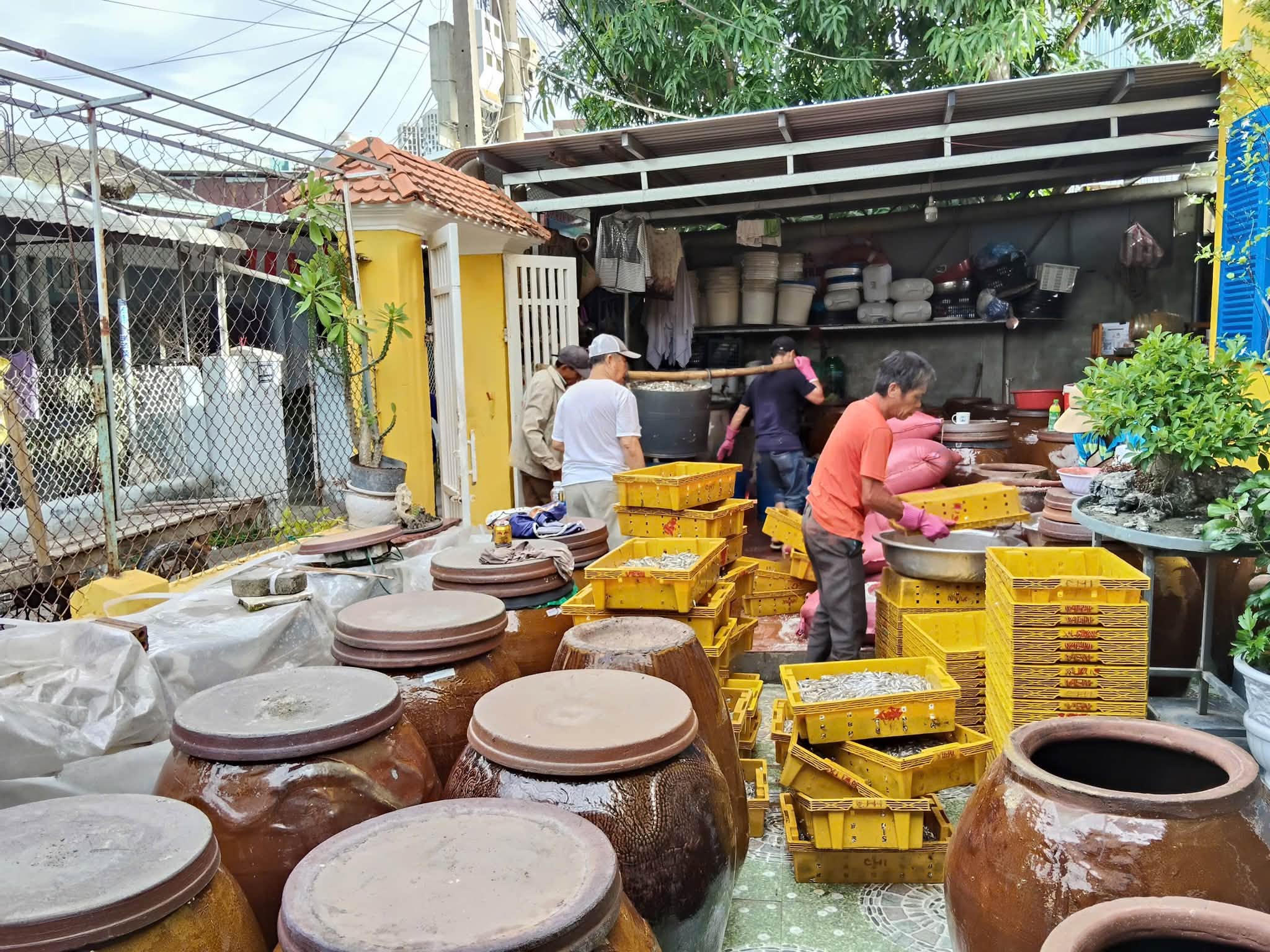
Nam O fish sauce making is one of Vietnam’s traditional coastal crafts that has survived through generations and remains closely connected to the history and cultural life of the local fishing community in Da Nang. With a history spanning centuries, the craft produces not only a distinctive local specialty but also preserves traditional knowledge, artisanal techniques and the cultural identity of Nam O fishing village.
On August 27, 2019, the Ministry of Culture, Sports and Tourism issued Decision No. 2974/QD-BVHTTDL, officially adding Nam O Fish Sauce Making Craft in Hoa Hiep Nam and Hoa Hiep Bac wards, Lien Chieu District, Da Nang, to the National Intangible Cultural Heritage List. The recognition reflects the historical and cultural significance of the craft, as well as the contributions of generations of artisans and local residents who have preserved it over time.
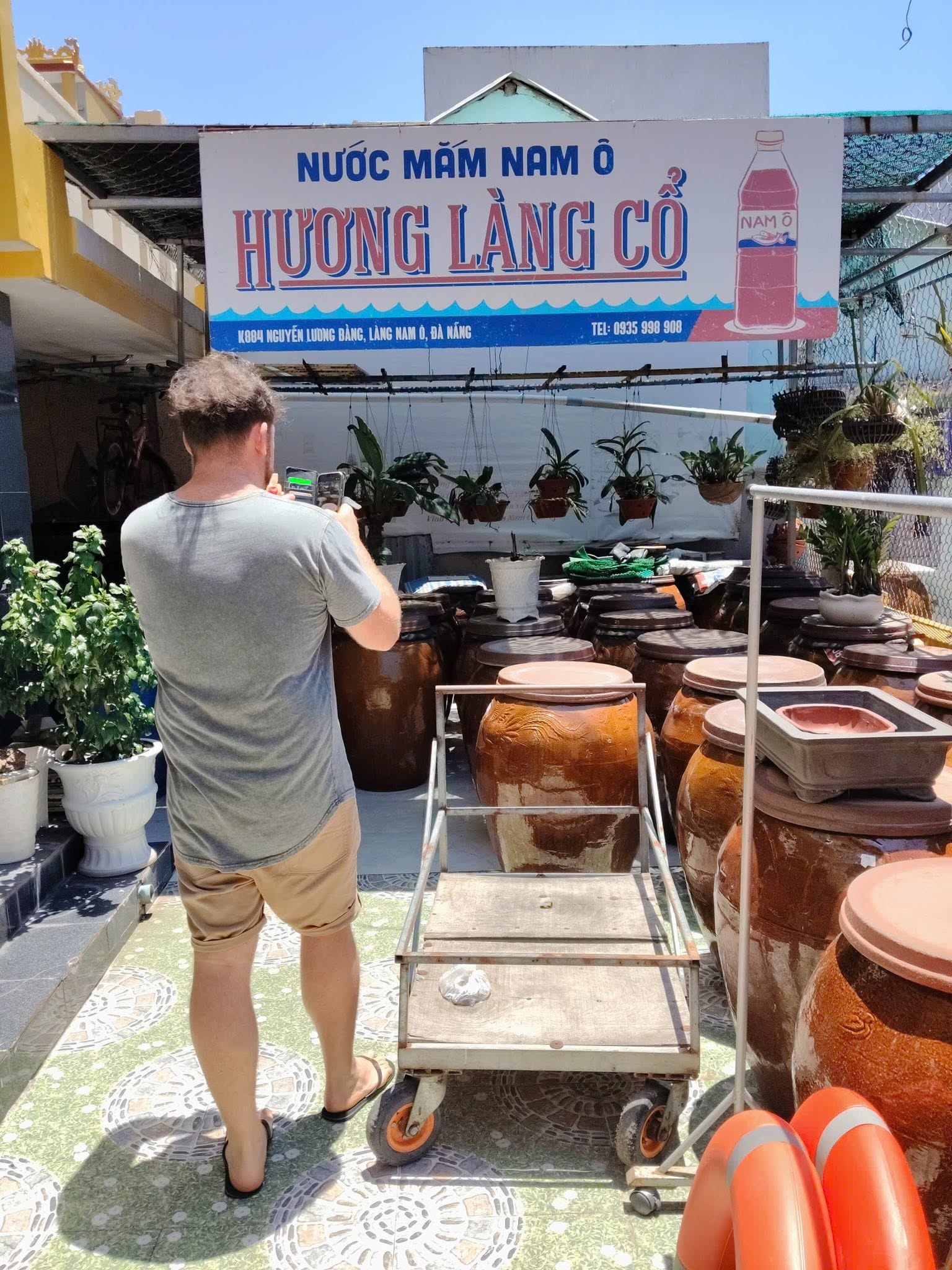
Nam O Fish Sauce Village by Da Nang Bay
Nam O is an old village in the northwestern part of Da Nang, located at the foot of Hai Van Pass where the Cu De River flows into Da Nang Bay. Surrounded by the sea, river and mountains, the village has long developed a community life closely connected with fishing, seafood harvesting and traditional seafood processing.
Fish sauce production in Nam O dates back many centuries and is closely associated with the local anchovy fishing tradition. As generations settled and developed the village, residents made use of the abundant seafood resources to produce fish sauce for household consumption as well as trade with neighboring areas.
Nam O is still associated with the traditional saying:
“Nam O fish sauce, Xuan Thieu carp.”
The saying reflects the place of Nam O fish sauce in the memories and everyday culture of local people. The product was once regarded as a prized specialty and is traditionally said to have been offered to the imperial court.
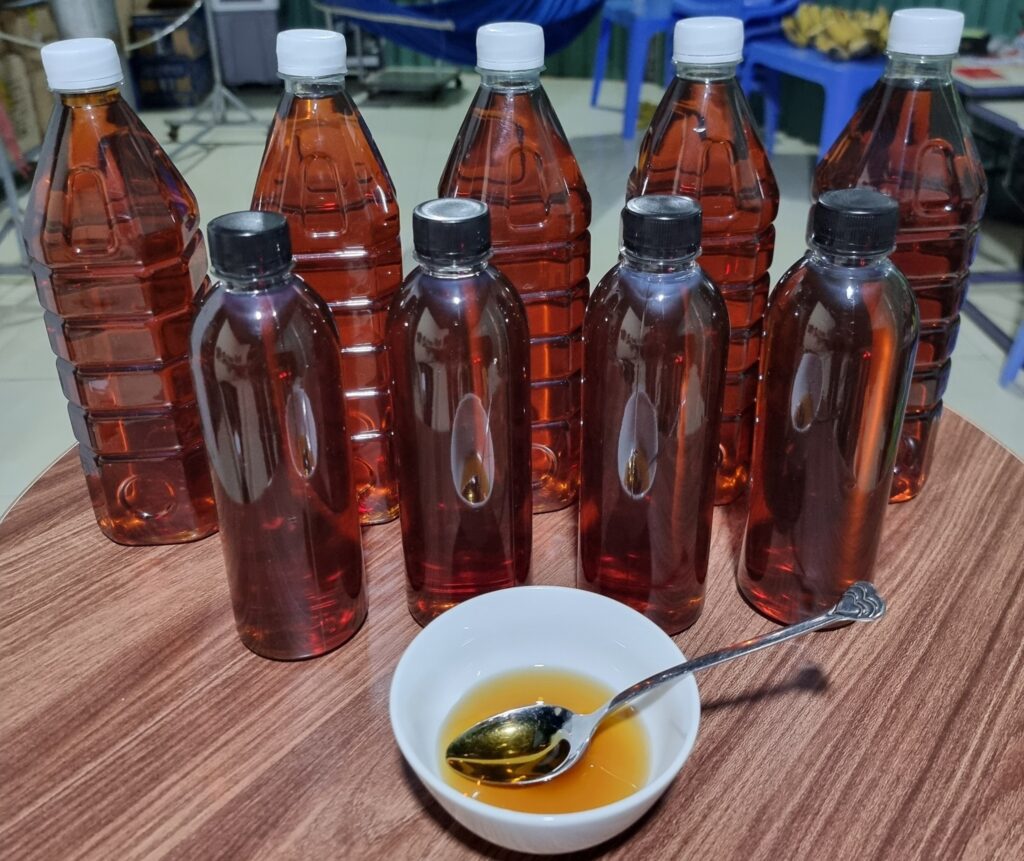
Nam O fish sauce is known for its distinctive aroma, rich flavor, natural sweetness and deep reddish-brown, caramel-like color. Behind this characteristic flavor is a traditional production method passed down through generations, involving carefully selected ingredients, specific fish-to-salt ratios, long fermentation and meticulous extraction.
The Traditional Technique Behind Nam O Fish Sauce
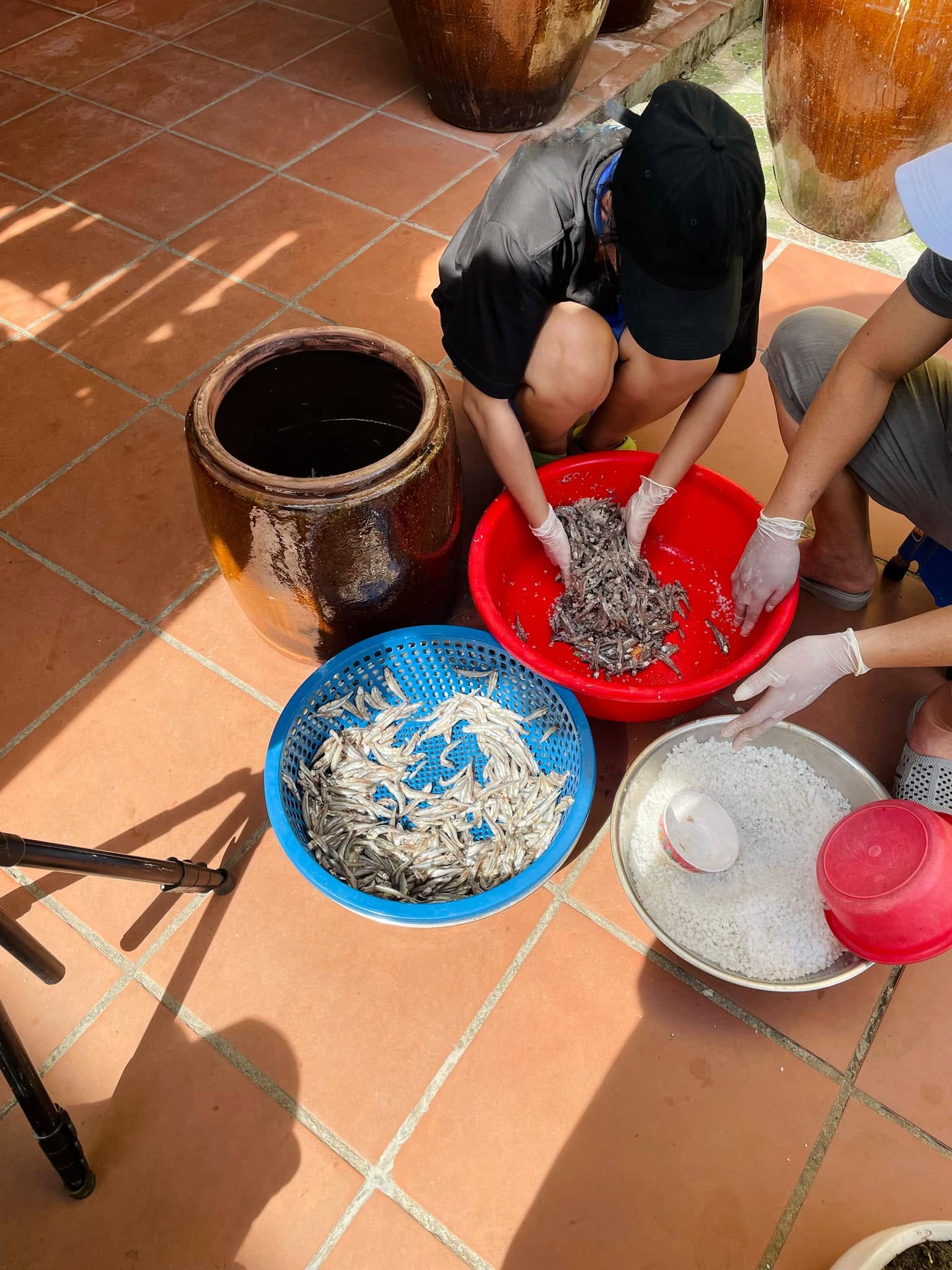
The main ingredient is black anchovy, harvested during the season when the fish is considered to be at its best. After careful selection, the fish is combined with sea salt that has been aged for a period of time to reduce its harshness and support a more stable fermentation process.
According to the traditional method, fish and salt are mixed in a specific ratio, commonly described by local producers as the “three parts fish, one part salt” method. The mixture is then placed in earthenware jars or traditional fermentation containers and left to mature over an extended period.
Fermentation can take approximately 12 to 18 months, depending on the production method and conditions. Throughout this period, producers rely heavily on experience to monitor the process and determine when the fish sauce has matured by observing its color, aroma, texture and taste.
Local fish sauce makers have a familiar saying: “Take care of fish sauce as you would a delicate child.” It expresses the patience, attention and dedication required throughout the production process.
One of the most demanding stages is the extraction and filtering of the fermented fish sauce. Traditionally, this is carried out manually to produce clear, aromatic and flavorful first-quality fish sauce. According to local production experience, producing approximately 100–150 liters of first-grade fish sauce can take around a year of fermentation and careful processing.
The Cultural Value of Nam O Fish Sauce Making
Nam O fish sauce is more than a food product used in everyday meals. It is part of the history of the coastal community in Da Nang and reflects the way local people adapted to their maritime environment, made use of marine resources and accumulated traditional knowledge over generations.
Knowledge of fishing seasons, salt selection, ingredient ratios, fermentation techniques, signs of maturity and traditional filtering methods has largely been passed down through hands-on practice and family experience. These elements form an important part of the intangible cultural value of the craft.
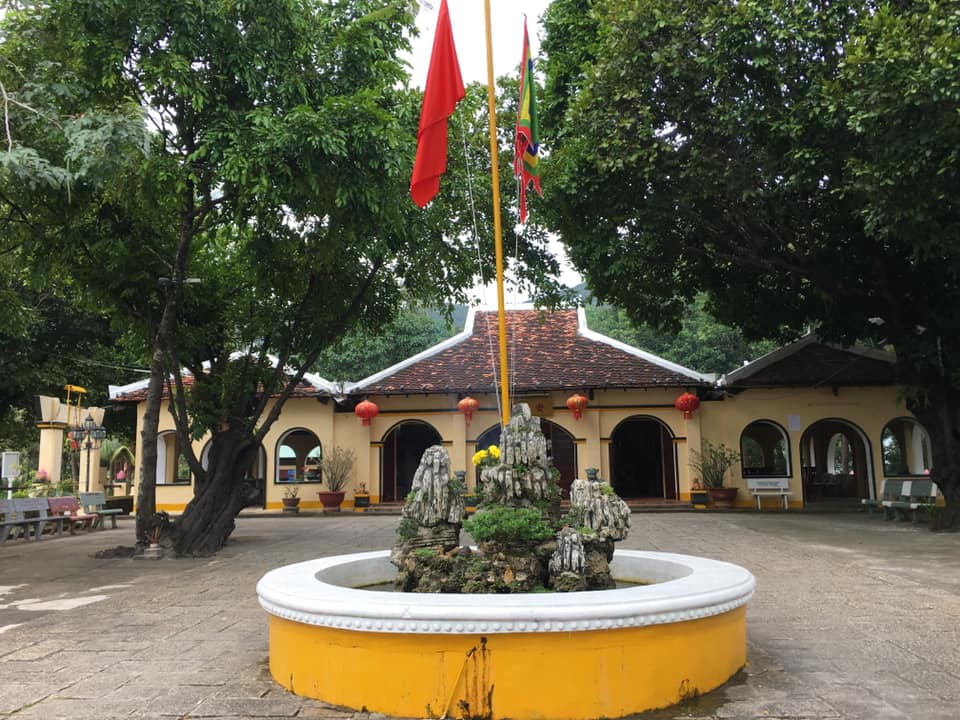
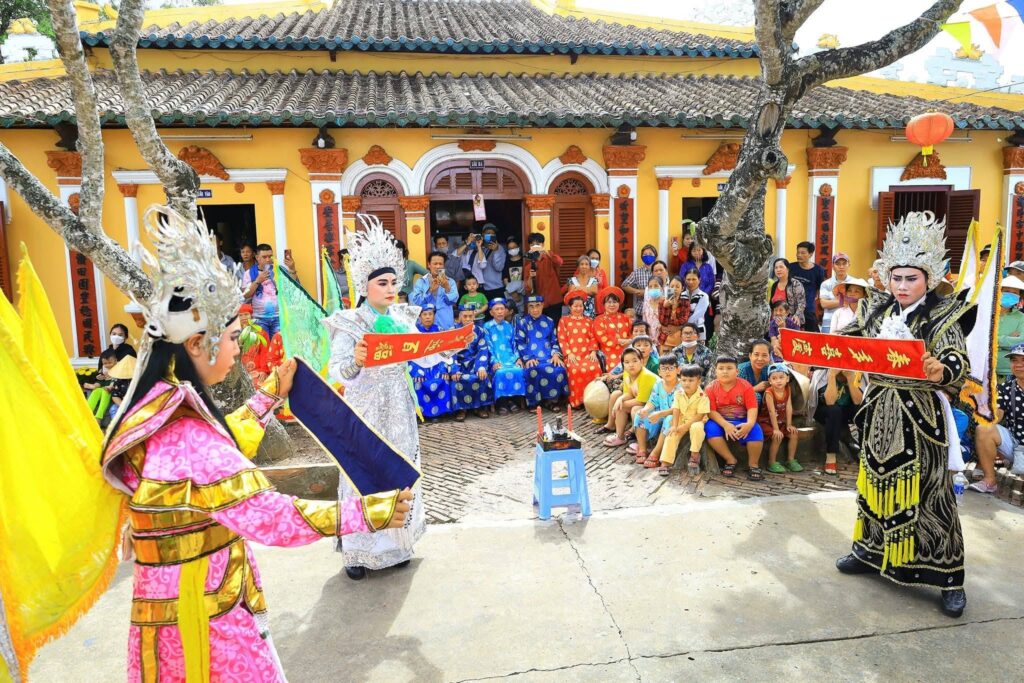
Nam O is also a cultural space closely associated with the traditional beliefs of coastal communities. Nam O Whale Worship Shrine, dedicated to the Whale God, dates back to the reign of Emperor Gia Long and remains an important spiritual site for local fishermen. The annual Cau Ngu Festival is held on the 15th and 16th days of the second lunar month, expressing gratitude to the sea and prayers for safety and favorable fishing seasons.
The traditional fish sauce craft of Nam O is also introduced and displayed at the Da Nang Museum as part of the city’s traditional cultural heritage.
A Traditional Craft Rooted in Community Life
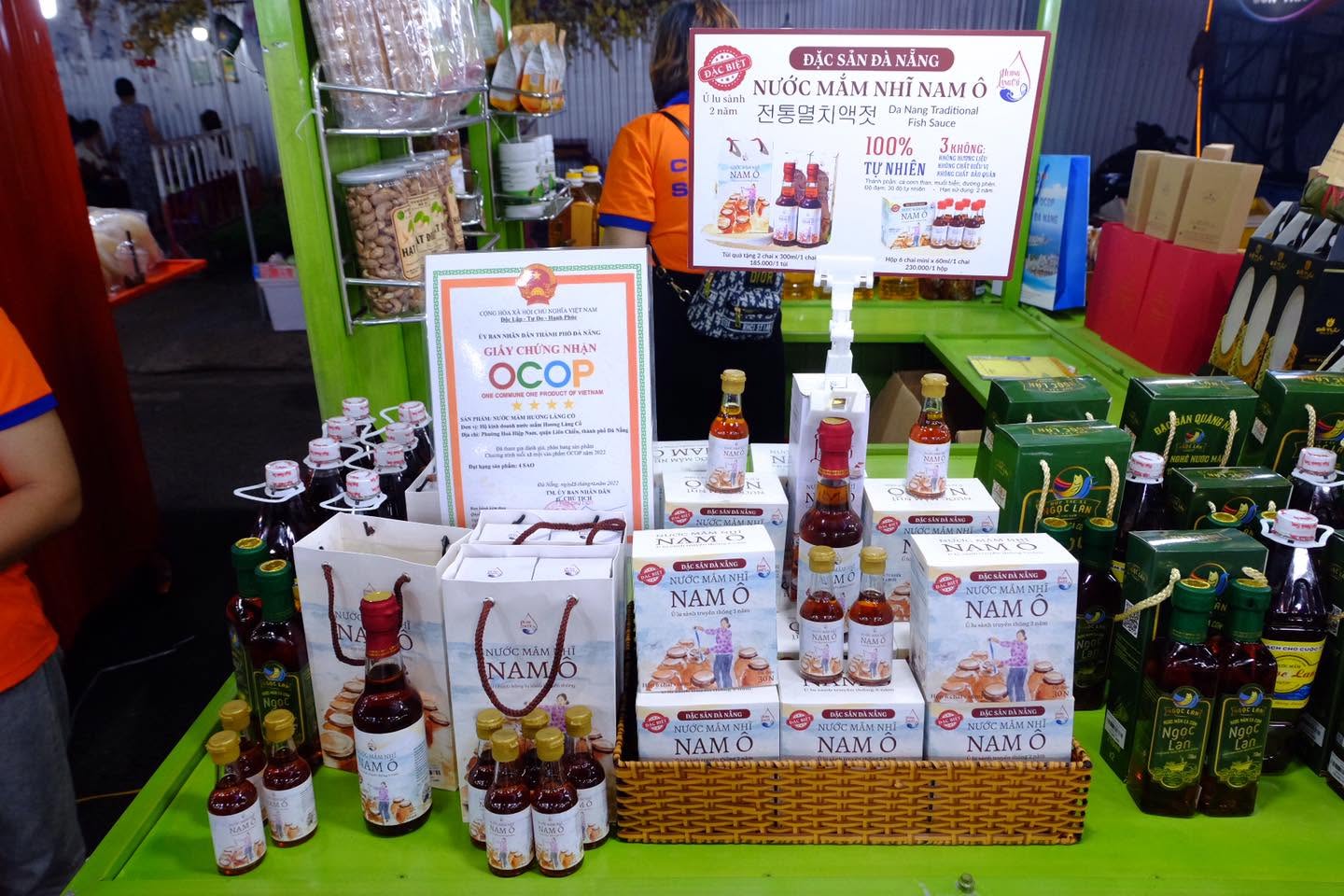
Over time, fish sauce production has provided employment and a source of income for many families in Nam O. The products are consumed in Da Nang and neighboring provinces and have also reached consumers in other parts of Vietnam.
According to information on the village’s traditional production activities, Nam O has had around 92 households producing fish sauce, with 54 households participating in the Traditional Fish Sauce Village Association. The village includes production facilities of different sizes, several independently registered brands, cooperatives and businesses involved in production and distribution.
Nam O fish sauce has been granted a collective trademark and logo, helping protect the brand, enhance the value of the product and support promotional activities. Maintaining the craft therefore serves both cultural preservation and local economic development by creating employment, supporting household incomes and sustaining livelihoods within the community.
Programs aimed at restoring, preserving and developing the craft village have also sought to support producers, improve product quality, strengthen the local brand and connect traditional fish sauce making with community-based tourism.
Nam O as a Traditional Craft Tourism Destination
Beyond fish sauce production, Nam O possesses a combination of natural and cultural attractions that can be incorporated into journeys through northwestern Da Nang. The area is close to Nam O Reef, Xuan Thieu Beach, Hai Van Pass and scenic coastal routes.
Within the fishing village, visitors can discover narrow lanes leading toward the sea, traditional fishing boats and basket boats, fish sauce production facilities and the everyday life of local residents. These elements offer an intimate experience of local culture beyond Da Nang’s more familiar urban attractions.
Nam O is also associated with a number of historical and cultural sites, including the temple dedicated to Princess Lieu Hanh, sites associated with Princess Huyen Tran, the ancient tomb of the village’s early founders, the Whale Worship Shrine and various Cham archaeological remains. The combination of landscape, history, spiritual traditions and traditional craftsmanship provides favorable conditions for developing cultural, community-based and experiential tourism.
Community tourism and fish sauce village conservation projects have been developed to make use of these values while giving local residents opportunities to participate directly in welcoming visitors, introducing local products and sharing the story of the village.
Experiencing Nam O Fish Sauce Village
Visitors to Nam O can explore traditional fish sauce production, observe fermentation jars and learn from local residents about fishing seasons, ingredient preparation and techniques passed down through generations.
Possible experiences include:
- Visiting traditional fish sauce production facilities.
- Learning about fish fermentation, extraction and bottling.
- Meeting local producers and artisans who have spent decades practicing the craft.
- Tasting local dishes prepared with traditional Nam O fish sauce.
- Combining a visit to the fish sauce village with Nam O Reef, Xuan Thieu Beach and Hai Van Pass.
- Exploring Whale Worship traditions and the cultural landscape of the fishing village.
Among the local specialties, Nam O fish salad is particularly associated with traditional fish sauce and reflects the close connection between the craft and the culinary culture of Da Nang.
Preserving a Living Heritage by Da Nang Bay
Through generations, Nam O fish sauce making has survived through traditional production methods, family knowledge and the community’s close relationship with the sea. Each fermentation jar represents not only a natural aging process but also accumulated knowledge, craftsmanship and collective memory.
Its recognition as a national intangible cultural heritage confirms the cultural significance of Nam O fish sauce making while highlighting the importance of protecting, transmitting and promoting the craft in contemporary life.
Today, preserving the craft goes beyond maintaining production. It also involves strengthening the local brand, improving product quality, developing experiential tourism and creating sustainable livelihoods for residents. When combined thoughtfully with Nam O’s landscapes, spiritual traditions and historical heritage, traditional fish sauce making can become an important part of exploring the coastal culture of Da Nang.
Nam O fish sauce therefore preserves more than the flavor of the sea. It carries the story of a coastal community that has lived, worked and passed down its traditional knowledge across generations.
Visitor Information
Location: Nam O Village, Hai Van Ward, Da Nang.
Distance: Approximately 15 km from central Da Nang and about 18 km from Da Nang International Airport.
Recommended visiting hours: 7:00–10:00 in the morning or 15:00–17:30 in the afternoon.
Best time to visit: February to August, when weather conditions are generally suitable for outdoor activities and exploring the village.
Visitor note: When visiting production facilities, respect the working environment, ask before taking photographs and consider purchasing products from producers with clear origins and established brands.