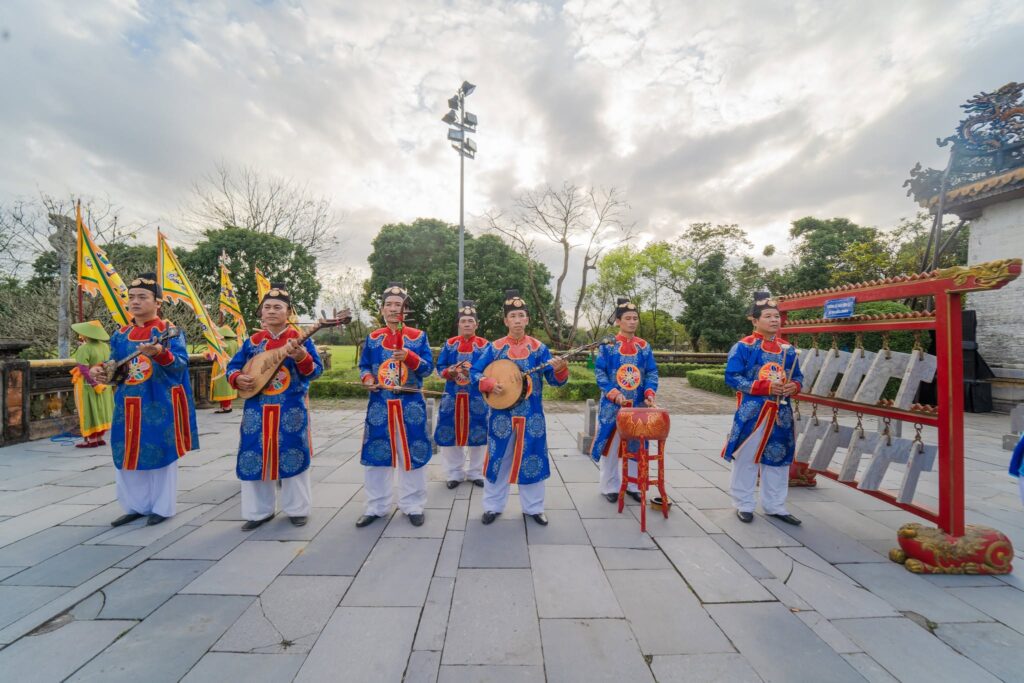
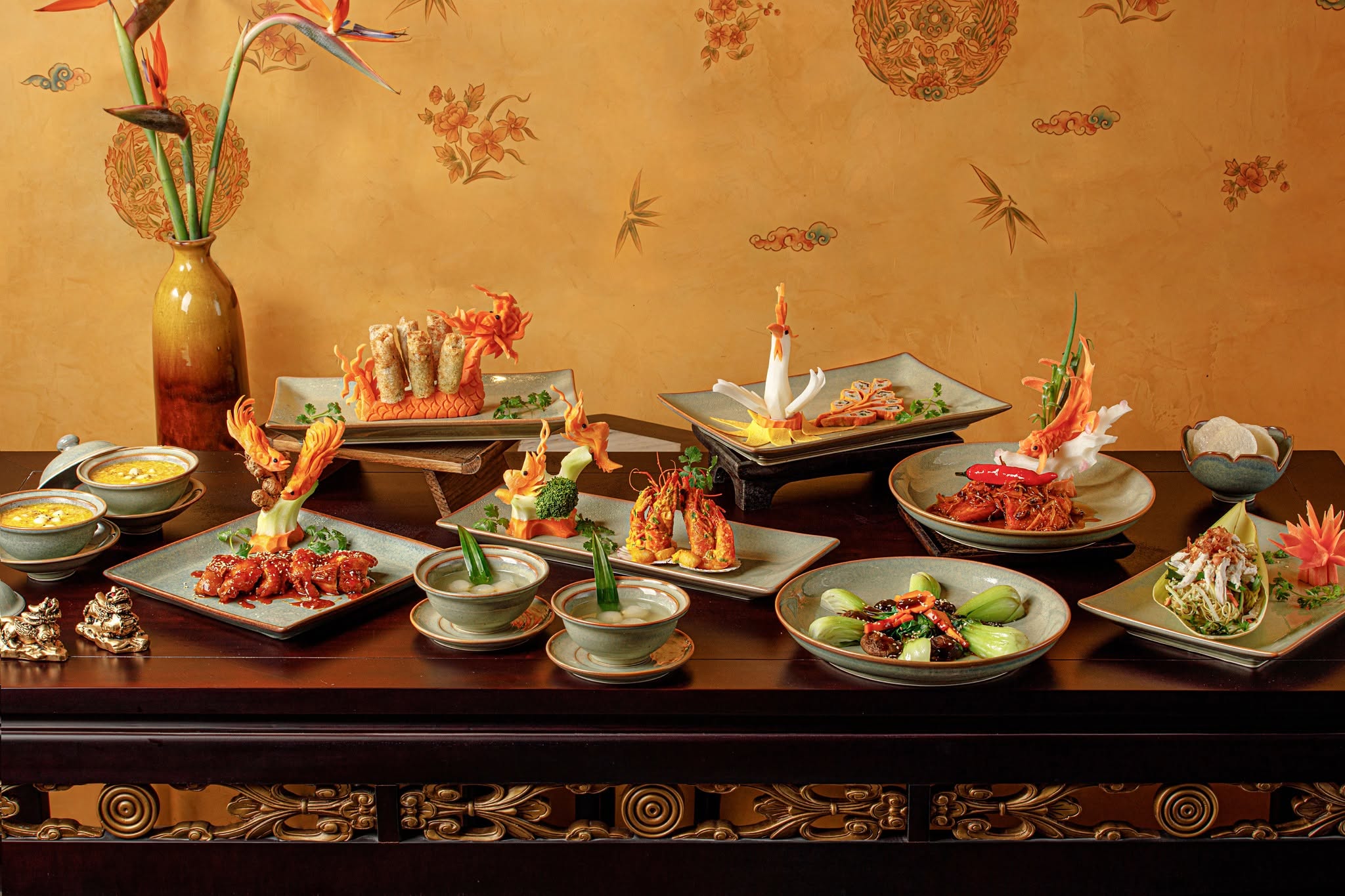
Nem Công Chả Phượng is a dish traditionally associated with the culinary culture of the Nguyễn royal court in Huế. According to stories passed down through generations, the dish was once associated with royal banquets and the cuisine served to members of the imperial court. Beyond its flavor, Nem Công Chả Phượng is particularly notable for its elaborate preparation and artistic presentation.
Over time, the image of Nem Công Chả Phượng has been preserved and adapted within modern Vietnamese cuisine. In Huế, the dish has become a culinary symbol that evokes the elegance, refinement and ceremonial character of the former imperial court.
Origins and Stories of Nem Công Chả Phượng
According to traditional accounts, Nem Công Chả Phượng was considered a precious dish served at royal banquets and prepared for the imperial family. Great attention was reportedly given to its ingredients, preparation and presentation.
There are several stories concerning the origins of the dish. One view suggests that Nem Công Chả Phượng appeared during the Nguyễn Lords period and was influenced by Chinese cuisine before being adapted to Vietnamese culinary traditions. Some accounts also refer to similar dishes associated with China, including Sichuan peacock rolls and Xijiang phoenix pâté.
The origins of Nem Công Chả Phượng are therefore surrounded by different stories and traditions. While these accounts should be distinguished from historical evidence that can be independently verified, the dish remains closely associated with the memory and imagery of Huế royal cuisine.
Nem Công Chả Phượng in the Past
According to traditional accounts, Nem Công was once prepared using peacock meat and did not require conventional cooking with heat. The meat was prepared as a fermented dish, with natural microbial fermentation combined with ingredients such as galangal, garlic and chili.
In traditional beliefs, peacock meat was considered particularly valuable and was believed to have detoxifying properties. Such beliefs contributed to the image of Nem Công as a rare and precious dish in royal cuisine.
Chả Phượng, meanwhile, was associated with the phoenix, a symbolic bird in East Asian culture. Traditional accounts describe the meat as being finely ground, seasoned, tightly wrapped and then steamed. Its elaborate preparation and association with the phoenix gave the dish connotations of nobility and power.
In the context of the former imperial court, the health of the emperor was considered extremely important. Stories about poisoning and political rivalry within royal courts further contributed to the perception of rare and supposedly health-protective dishes as particularly valuable. Nem Công Chả Phượng subsequently became associated with the idea of a protective or auspicious dish for royalty.
Nem Công Chả Phượng Today
Today, peacocks and phoenixes are not used as ingredients in the traditional manner described in historical stories. The use or hunting of rare wildlife is also incompatible with modern wildlife protection regulations.
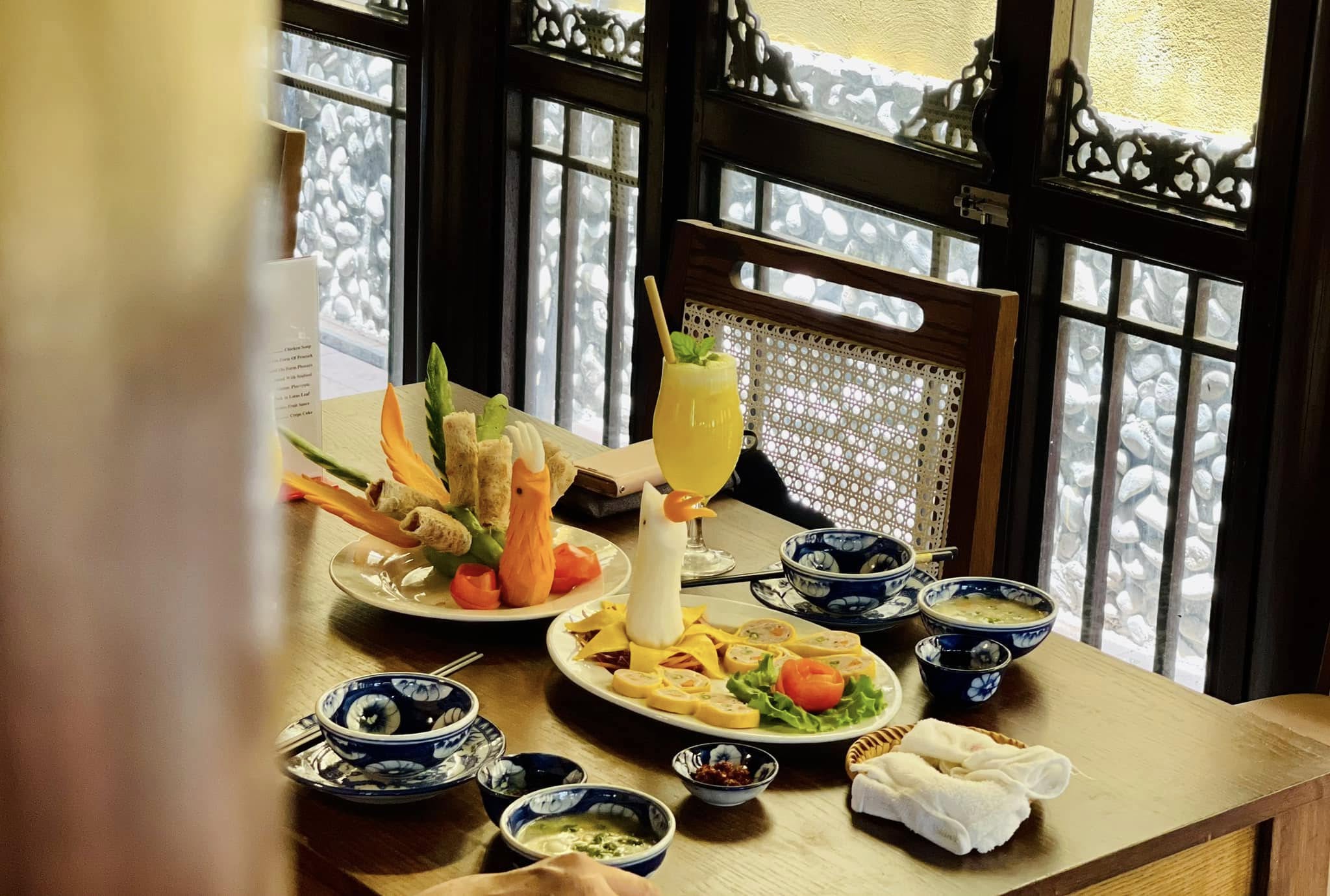
As a result, modern versions of Nem Công Chả Phượng primarily recreate the imagery through presentation and food styling, rather than using actual peacocks or phoenixes as ingredients. Chefs can use familiar ingredients to create decorative representations of the two birds, combining vegetables, eggs, meat and seasonings.
The distinctive feature of the modern dish lies in the art of shaping and presenting food, recreating the elegance associated with royal cuisine through ingredients more suitable for contemporary culinary practices.
For visitors to Huế, Nem Công Chả Phượng can be explored as part of the broader story of royal cuisine and traditional food presentation. More than a dish, its imagery evokes the craftsmanship of Vietnamese cooks and the aesthetic principles associated with the culinary culture of the former imperial capital.
Quick Information
| Item | Information |
|---|---|
| Name | Nem Công Chả Phượng |
| Associated with | Royal culinary culture of Huế |
| Characteristics | Elaborate preparation with an emphasis on shaping and presentation |
| Symbolism | Peacock and phoenix imagery |
| Cultural value | Evokes the elegance, refinement and ceremonial character of royal cuisine |
| Modern form | Primarily recreated with contemporary ingredients and decorative food presentation |
| Associated destination | Huế, Vietnam |