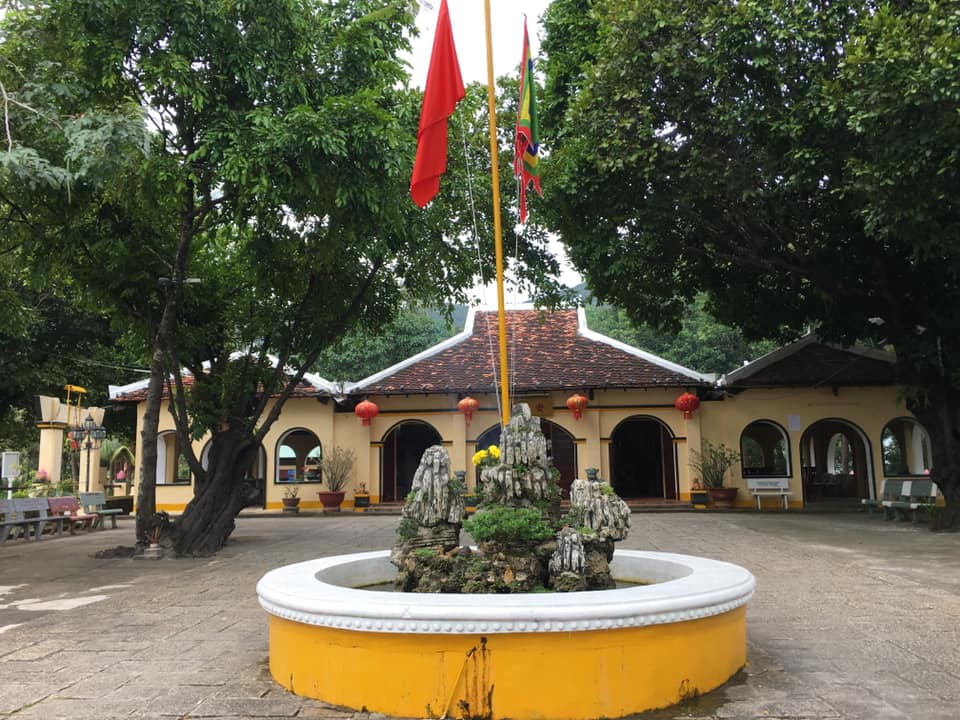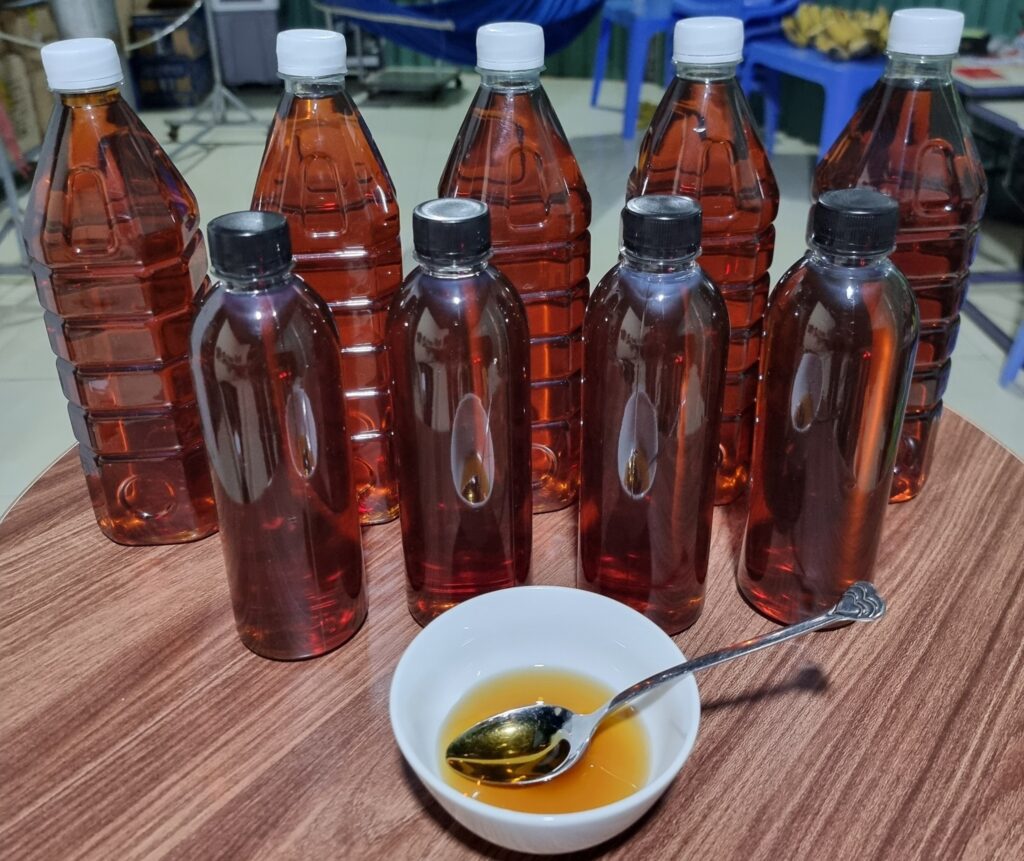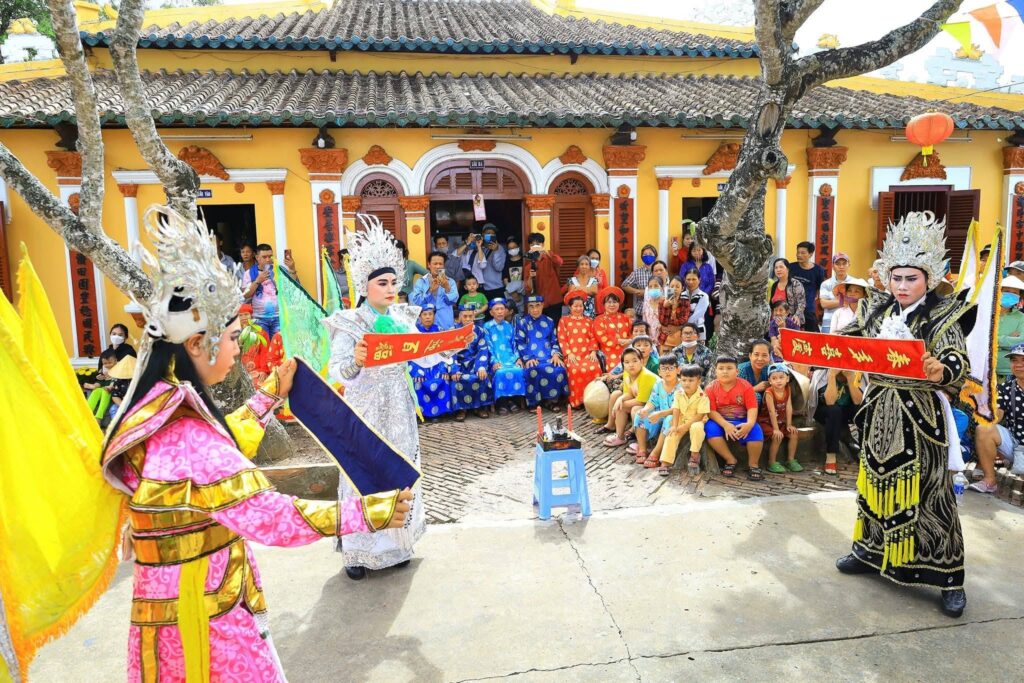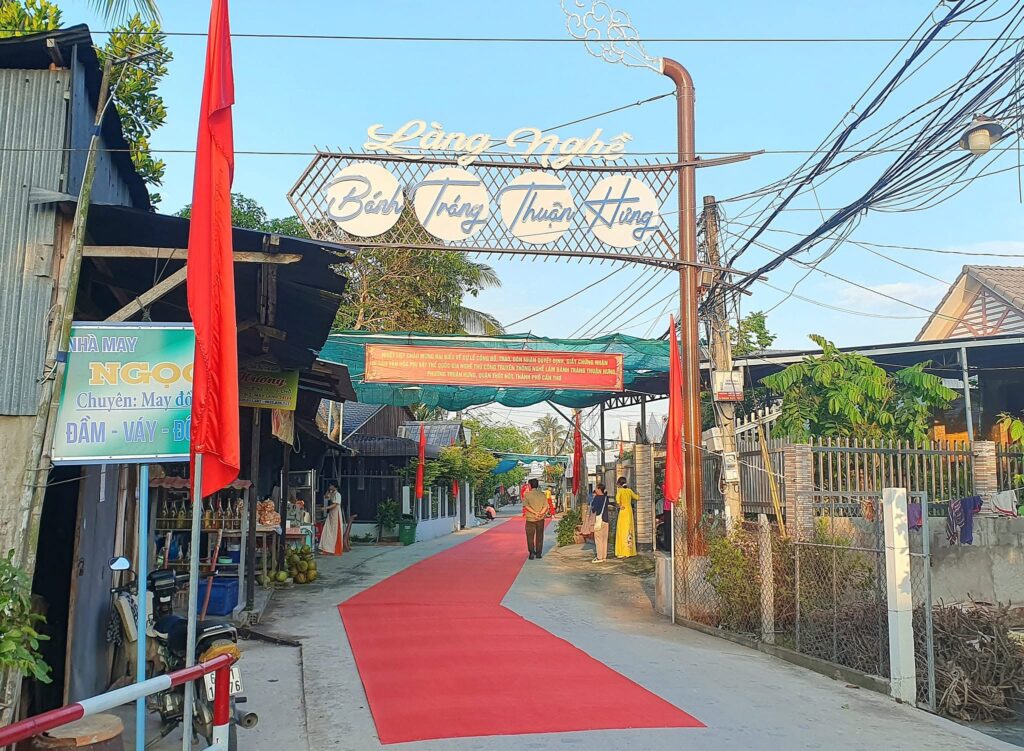
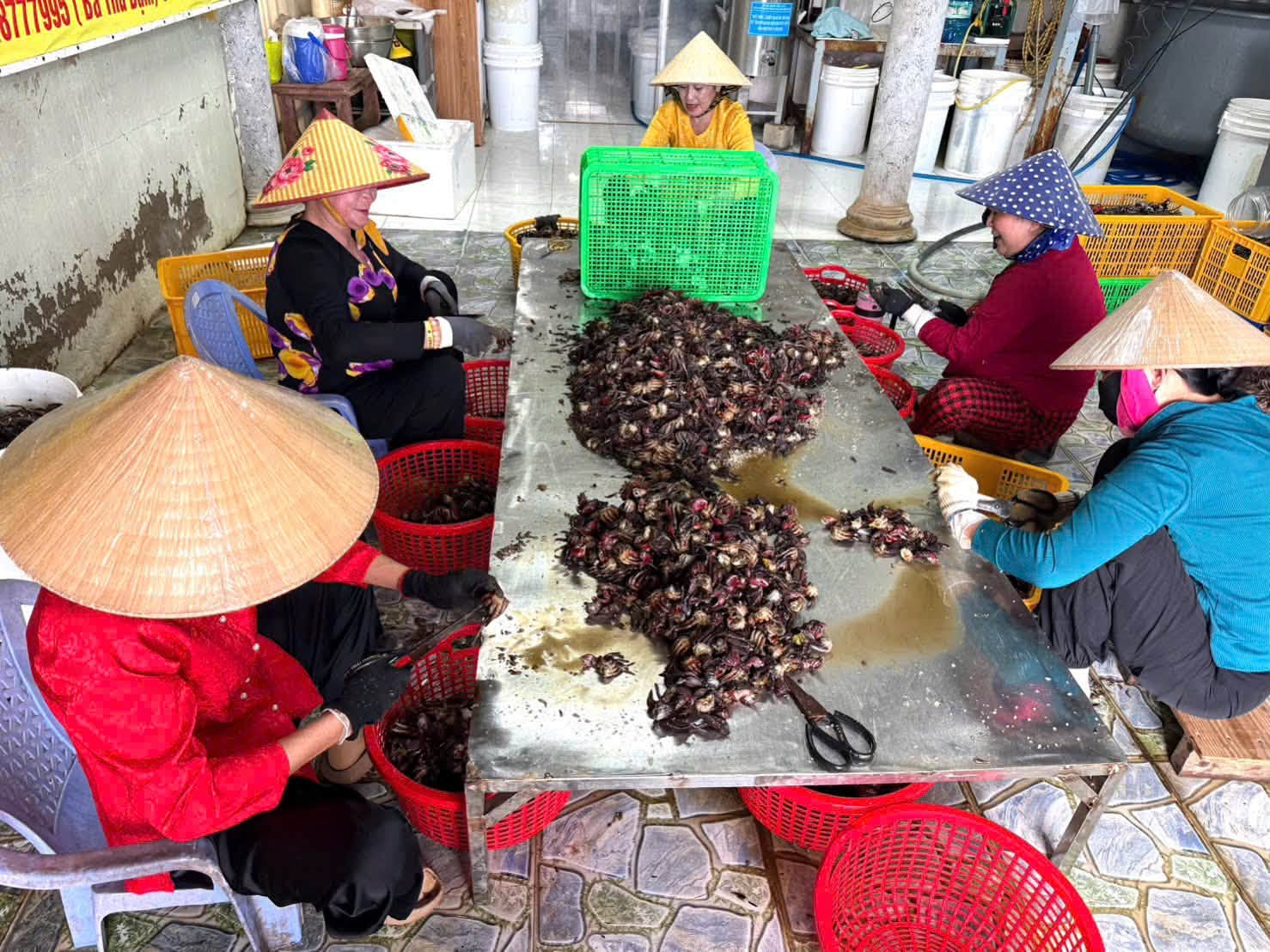
The traditional craft of making salted ba khia crab in Phan Ngoc Hien Commune, Ca Mau Province, emerged from the abundant natural resources of the region and the everyday food needs of local communities. From a humble product of the mangrove ecosystem, ba khia gradually became a distinctive food and a traditional craft associated with the cultural identity of Ca Mau and the southernmost reaches of Vietnam.
Ba khia is a small crustacean resembling a freshwater field crab. It lives in brackish and saltwater environments along rivers, canals and coastal areas, particularly beneath the roots of mangrove trees. Its name, ba khia, refers to the three distinctive markings on its back. Catching and salting ba khia requires considerable knowledge and experience, creating a traditional food practice deeply connected with the history of settlement and land reclamation in southern Vietnam.
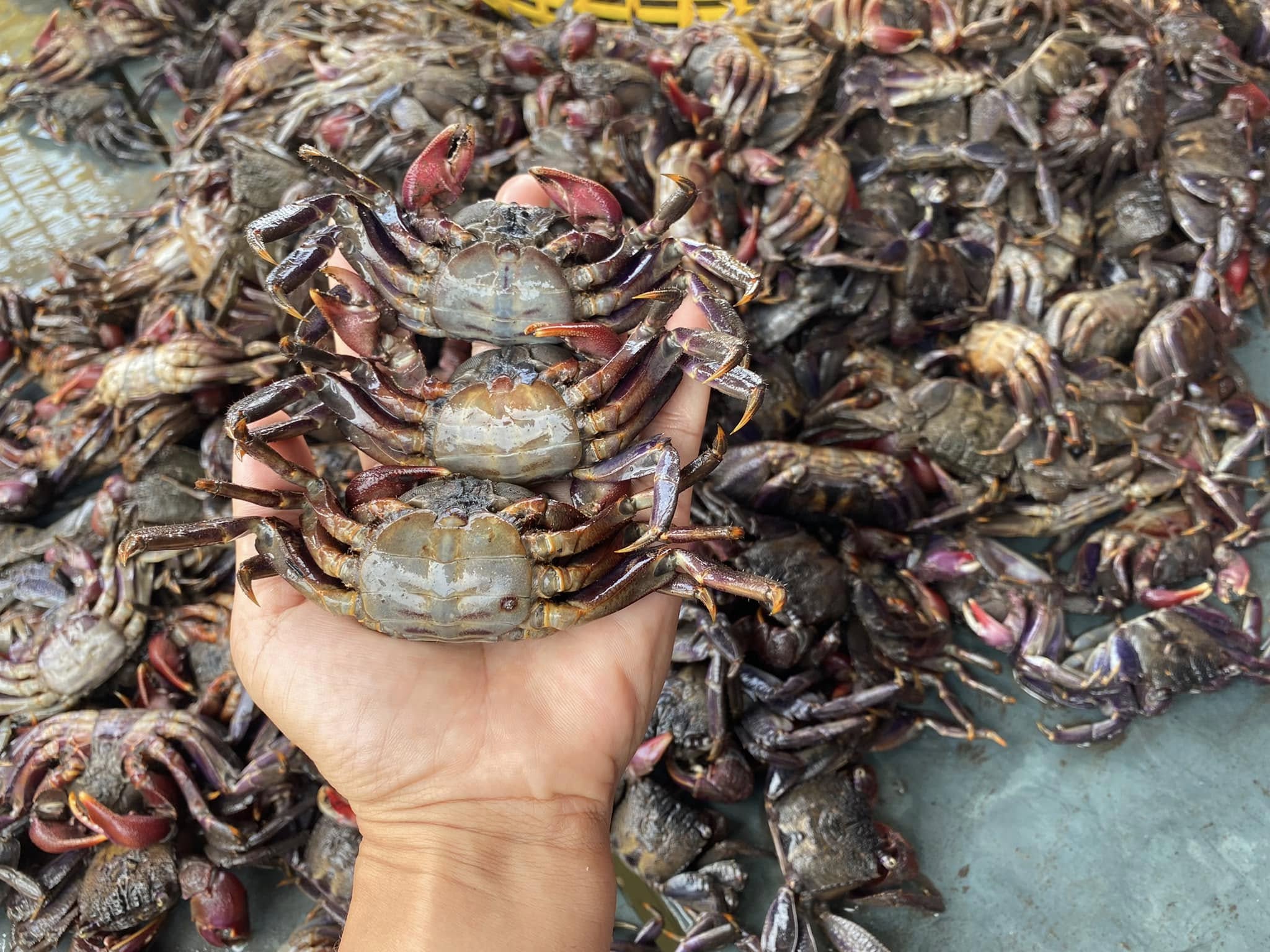
Ba Khia and Life in the Mangrove Forests
Ba khia can be caught during both the day and night, although experienced collectors generally prefer nighttime when the tide rises and the crabs leave their burrows to feed. People traditionally wear cloth gloves to protect their hands from the claws and use lamps to search along muddy banks and around the roots of mangrove trees.
During the rainy season, especially on dark nights, ba khia are often found clinging to the roots of mangrove, nipa palm and other coastal vegetation. In the past, when ba khia were more abundant, groups of people from different areas would gather for the seasonal harvest. These groups were commonly known as “Ba Khia Hội” or “Hội Ba Khia”.
They carried rice, salt, water, sleeping mats and large jars and containers onto their boats, anchoring near the edge of the forest. When the tide rose and ba khia emerged in large numbers, they would row into the mangroves with lamps to search for the crabs.
The work was physically demanding. Collectors had to spend long hours in muddy coastal environments while dealing with mosquitoes and other insects. A skilled and persistent collector could once fill an entire large jar with ba khia during a single tidal cycle.
Today, wild ba khia are less abundant than in the past. In addition to catching them by hand, local people use other methods, including simple traps and a traditional form of fishing with a piece of cloth attached to a line.
Ba Khia and the Coastal Lands of Southern Vietnam
Ba khia can be found across many coastal areas of southern Vietnam, from Tra Vinh through Ca Mau and toward Rach Gia and Ha Tien, wherever mangrove ecosystems remain.
Local experience suggests that the quality and flavor of ba khia vary from one habitat to another, partly because of differences in their natural food sources.
Ba khia living among mangrove forests are believed to feed on mangrove leaves, producing darker-colored meat and roe after salting. Ba khia from the Nam Can mangrove forests are known locally for their larger size and yellowish roe, which turns reddish after salting.
Among the different varieties, Rach Goc ba khia is particularly renowned. Although these crabs are relatively small, local people consider their meat firm and their roe richly colored and flavorful because they feed on the fallen fruit of the black mangrove, a food source associated with the Rach Goc area.
According to traditional knowledge, the best period for catching ba khia is from the sixth to the tenth lunar months, when the rainy season provides abundant food. The seventh lunar month is traditionally associated with male ba khia, while the eighth lunar month is considered the season of female ba khia.
Traditional Knowledge of Salting Ba Khia
The distinctive character of this craft lies in the body of traditional knowledge accumulated through generations. Before modern measuring equipment was available, local salt makers relied on simple observations to determine whether the brine had reached the appropriate salinity.
One traditional method was to place a grain of cooked rice into the saltwater. If the grain floated on the surface, the brine was considered sufficiently salty for salting ba khia.
Freshly caught ba khia were traditionally processed during the same night. They were rinsed and placed into jars or containers filled with brine. Immediate processing helped prevent the crabs from damaging one another, especially breaking their claws and legs when many were kept together.
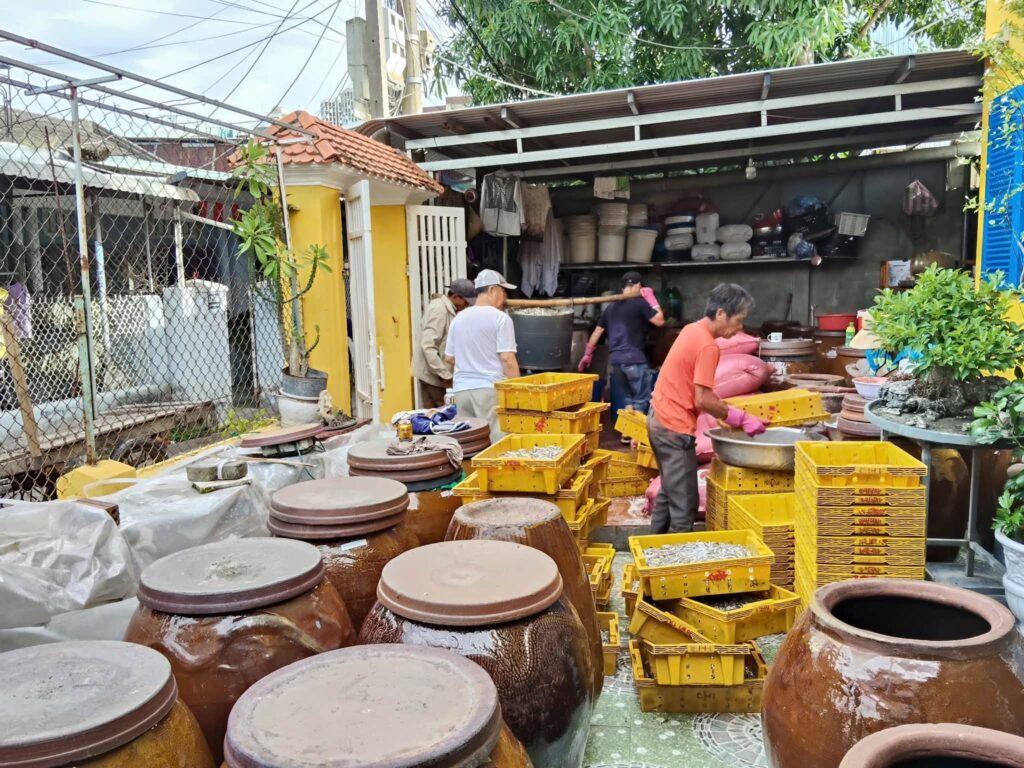
The following morning, the ba khia were removed from the initial brine, drained and placed into jars or earthenware containers. Layers of ba khia were alternated with salt and other traditional ingredients before the containers were filled with prepared brine and sealed.
Traditional producers paid particular attention to the quality of the water used in the process and avoided allowing rainwater to enter the containers during storage. After approximately five to seven days, the salted ba khia developed a mild aroma and could be eaten.
For this reason, local people traditionally call the product salted ba khia, rather than ba khia fish sauce or fermented ba khia paste.
From Earthenware Jars to Modern Production
Today, the craft has adapted to changing production conditions and market demand. Ba khia are collected and purchased before being transported to processing establishments, where they are cleaned and sorted.
Live ba khia are washed carefully, with attention paid to preventing damage to their claws and legs. They are then drained before being placed into a mixture of saltwater and natural seawater.
The concentration of the brine remains an important factor in the traditional process. According to local production experience, brine that is too weak can cause the ba khia to spoil, while excessive salinity may cause them to become dark and less pleasant to eat.
After salting, ba khia are kept in a cool place away from direct sunlight and rainwater. Excessive heat can soften the meat and affect the quality of the finished product.
Salted Ba Khia in Ca Mau Cuisine
Salted ba khia can be eaten directly or combined with a variety of seasonings. Experienced diners often check the claws when selecting the product. A claw filled with meat indicates a good ba khia, while an empty claw may indicate that the crab has been stored for too long or has deteriorated in quality.
Before eating, the ba khia are generally rinsed with warm water. The apron and inedible parts are removed, while the meat and claws are separated for preparation.
One popular preparation is to mix salted ba khia with sugar, minced garlic, chopped chili, lime juice and Vietnamese coriander. The mixture is allowed to absorb the seasonings before being served.
The result brings together salty, sweet, sour and spicy flavors. Salted ba khia is commonly eaten with rice, fresh vegetables or as a savory accompaniment to everyday family meals.
From a humble product gathered in the mangrove forest, ba khia has become an important part of the culinary memory of Vietnam’s southernmost region.
A Traditional Craft and Community Livelihood
The craft of making salted ba khia in Ca Mau continues to be maintained, practiced and passed down within local communities. According to the source material, around 400 households are involved in the craft, concentrated mainly in coastal areas, particularly Nam Can and Ngoc Hien.
Salted ba khia is consumed locally and in other parts of the region, while the product is also appreciated in neighboring markets such as Cambodia and Thailand. The craft therefore contributes to local livelihoods and the economic life of coastal communities.
At the same time, the traditional craft faces challenges as natural ba khia resources become increasingly scarce. The decline of the raw material base creates a need to preserve not only traditional processing knowledge but also the coastal and mangrove environments that sustain the craft.
Cultural Heritage of Vietnam’s Southern Frontier
The craft of making salted ba khia represents more than a method of preserving food. It reflects the historical process through which communities adapted to and made a living from the natural environment of southern Vietnam.
In the mangrove forests, generations of local people learned to read the tides, recognize seasonal patterns, understand ba khia feeding habits, select suitable raw materials and prepare brine using accumulated practical knowledge.
The craft is also closely connected with community life. The image of groups rowing into the mangrove forest at night, carrying jars and supplies for the seasonal harvest, and families sharing meals of salted ba khia has become part of the cultural memory of the southern frontier.
Ba khia and the craft of salting it are also reflected in folk songs, đờn ca tài tử and literary works, contributing to the distinctive cultural character of Ca Mau. From collecting the raw material to cleaning, salting, preserving and preparing it for consumption, the craft preserves a rich body of folk culinary knowledge.
Recognizing its historical, economic, culinary and cultural significance, the Craft of Making Salted Ba Khia Crab was included in Vietnam’s National Intangible Cultural Heritage List under Decision No. 4612/QĐ-BVHTTDL dated December 20, 2019, issued by the Minister of Culture, Sports and Tourism.
Basic Information
| Information | Details |
|---|---|
| Heritage | Craft of Making Salted Ba Khia Crab |
| Location | Phan Ngoc Hien Commune, Ca Mau Province |
| Type | Folk knowledge |
| Field | Traditional craft and culinary heritage |
| Cultural setting | Coastal areas, rivers, canals and mangrove forests of Ca Mau |
| Community practitioners | Local communities |
| Signature product | Salted ba khia crab |
| Key values | Folk knowledge, livelihood, cuisine and community culture |
| Heritage status | National Intangible Cultural Heritage |
| Recognition | Decision No. 4612/QĐ-BVHTTDL, December 20, 2019 |