

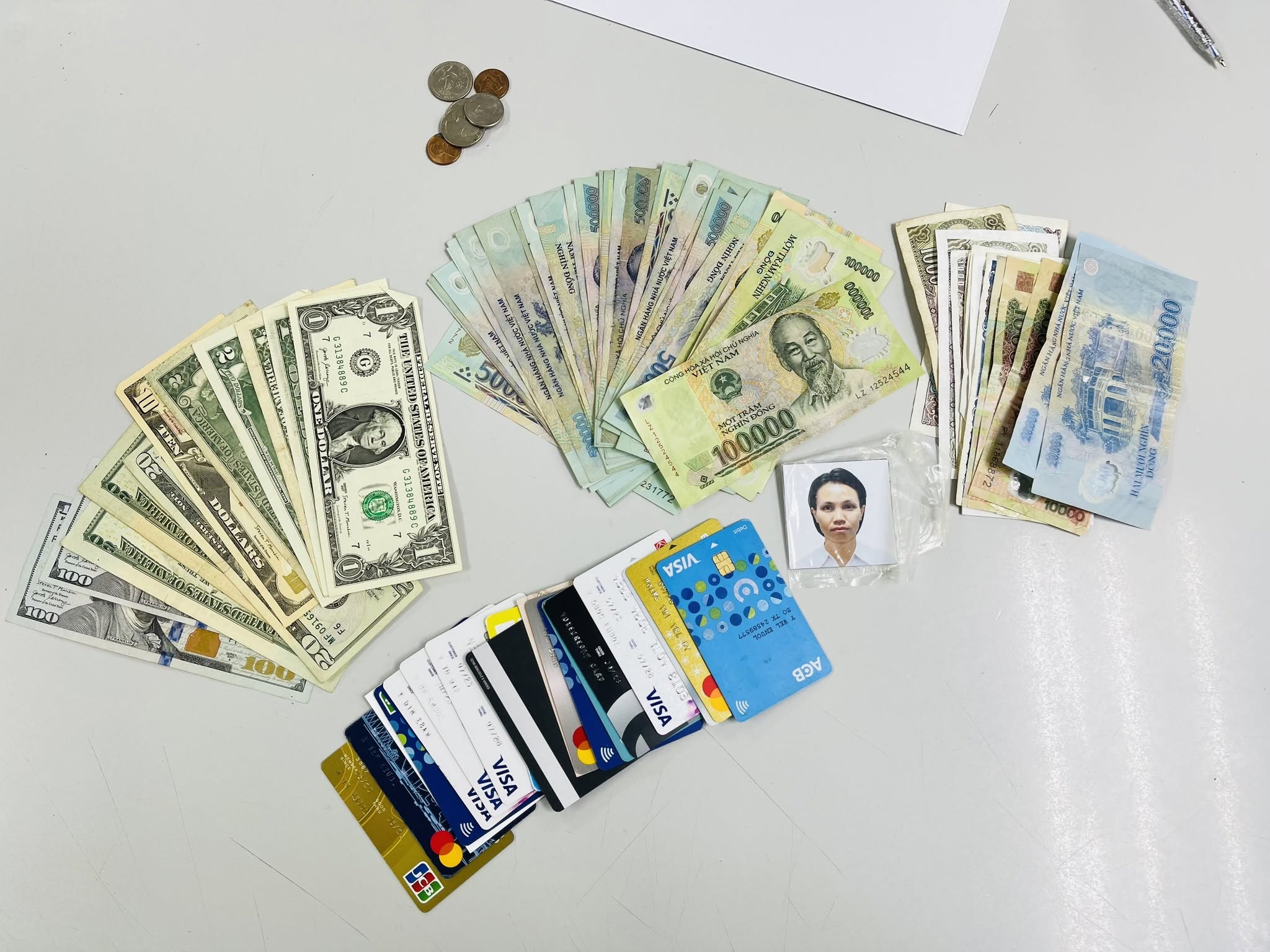
When planning a trip to Vietnam, many international travelers wonder how much cash they should bring, whether they can rely entirely on credit cards, and whether they should exchange money into Vietnamese dong before arriving.
Although electronic payments are becoming increasingly popular, cash remains an important payment method in Vietnam, especially at traditional markets, street food stalls, small businesses, and local tourist destinations.
So, should you bring cash to Vietnam? Is it better to carry US dollars, euros, or Vietnamese dong? How much money should you prepare, and are there any cash declaration requirements when entering the country?
This guide from Travelin.vn – Travel in Vietnam explains how international visitors can prepare, use, and safely manage cash during their journey.
1. Should You Bring Cash to Vietnam?
Yes. International visitors should carry some Vietnamese dong (VND) for everyday purchases and situations where electronic payments are unavailable.
In major cities such as Hanoi, Ho Chi Minh City, and Da Nang, travelers can use Visa and Mastercard at many hotels, restaurants, shopping malls, and established businesses.
However, cash is still commonly used at:
- Street food stalls.
- Traditional markets.
- Small local shops.
- Souvenir stalls.
- Certain local transportation services.
- Rural areas, mountainous regions, and islands.
- Businesses without international card payment facilities.
Cash is also useful when electronic payment systems experience technical problems or internet connections are unreliable.
For most travelers, the most practical approach is to combine Vietnamese dong in cash with an international payment card, rather than relying on just one payment method.
2. How Much Cash Should You Bring to Vietnam?
The amount of cash you need depends on your travel duration, destinations, spending habits, and which expenses have already been paid.
If accommodation, flights, and other major services have been prepaid or can be paid by card, travelers may consider the following cash budgets:
| Trip Duration | Suggested Cash Budget per Person |
|---|---|
| 1 day | 300,000–700,000 VND |
| 3 days | 900,000–2,100,000 VND |
| 7 days | 2,100,000–4,900,000 VND |
| 10 days | 3,000,000–7,000,000 VND |
| 14 days | 4,200,000–9,800,000 VND |
These figures are general spending estimates, not mandatory amounts that travelers must carry when entering Vietnam.
You do not need to bring your entire travel budget in cash. Additional Vietnamese dong can be obtained from compatible ATMs or authorized currency exchange providers when necessary.
For trips to rural communities, mountainous areas, or islands with limited ATM availability, carrying a larger cash reserve may be advisable.
3. Should You Bring US Dollars, Euros, or Vietnamese Dong?
The Vietnamese dong (VND) is Vietnam’s official currency and the standard currency used for everyday transactions.
International travelers may bring foreign currency into Vietnam, but it is generally advisable to exchange it into VND for local spending.
Bringing Vietnamese Dong (VND)
Advantages include:
- You can use it immediately upon arrival.
- It is convenient for taxis, food, and small purchases.
- You do not need to find a currency exchange service immediately after entering Vietnam.
Travelers may prepare a small amount of VND before departure if they can legally obtain it in their home country.
Bringing US Dollars (USD)
US dollars are a widely recognized foreign currency and can be exchanged into VND at banks and authorized currency exchange providers.
However, you should not assume that shops, restaurants, or other businesses in Vietnam accept direct payments in US dollars.
Bringing Euros (EUR) and Other Foreign Currencies
Other currencies, such as EUR, GBP, AUD, JPY, and SGD, may also be exchanged at participating banks and authorized exchange providers.
Currency availability and exchange rates depend on the institution.
Recommendation: Use VND for everyday purchases and keep foreign currency for exchange when needed.
4. Can You Pay Directly in US Dollars in Vietnam?
Under Vietnam’s foreign exchange regulations, payments and price quotations within the country generally must be made in Vietnamese dong, except in circumstances where foreign currency use is legally permitted.
Therefore, travelers should not assume that they can pay directly in USD or EUR at hotels, restaurants, shops, or other service providers.
For convenience and to avoid exchange rate confusion, visitors should normally pay in VND or use an international card at businesses that accept it.
5. Cash Declaration Requirements When Entering Vietnam
This is an important consideration for international travelers carrying substantial amounts of cash.
Under Vietnam’s regulations on carrying cash across international border checkpoints, individuals must declare cash to Vietnamese Customs when carrying amounts exceeding the following thresholds:
- More than USD 5,000 in foreign currency cash, or the equivalent value in another foreign currency.
- More than VND 15,000,000 in Vietnamese dong cash.
These thresholds apply to physical cash carried by travelers, not to the balance of a bank account or the credit limit on a payment card.
Examples of Cash Declaration Requirements
| Amount Carried | Declaration Requirement Based on the Cash Threshold |
|---|---|
| USD 3,000 | Does not exceed the USD 5,000 threshold |
| USD 5,000 | Does not exceed the USD 5,000 threshold |
| USD 6,000 | Exceeds the threshold; declaration required |
| VND 15,000,000 | Does not exceed the VND 15 million threshold |
| VND 20,000,000 | Exceeds the threshold; declaration required |
Important: A cash declaration threshold is not the same as an absolute limit on the amount of money you may carry.
Travelers carrying cash above the applicable threshold may be subject to declaration, documentation, or other requirements, particularly when leaving Vietnam.
In certain circumstances, travelers carrying foreign currency below the declaration threshold may also need to declare it if they intend to deposit the cash into a foreign currency account at an authorized credit institution.
Visitors should verify the latest requirements with Vietnamese Customs and relevant financial institutions before traveling.
6. Do You Need to Declare Money Held in Visa or Mastercard Accounts?
Generally, the cash declaration thresholds described above do not apply to money held in bank accounts or credit limits associated with Visa or Mastercard cards.
For example, a traveler may have a substantial balance in an overseas bank account without physically carrying that amount in cash.
However, financial transactions may still be subject to banking, anti-money laundering, and other applicable regulations.
It is important to distinguish between:
- Physical cash carried by a traveler.
- Money held in bank accounts.
- Available credit limits.
- Other financial instruments or assets that may be subject to separate rules.
7. Where Can You Exchange Money in Vietnam?
International visitors can exchange foreign currency into VND through providers legally authorized to offer currency exchange services.
Banks
Banks are a practical option because they generally provide established transaction procedures and published exchange rate information.
Examples include Vietcombank, BIDV, VietinBank, and other commercial banks offering foreign exchange services.
Accepted currencies, documentation requirements, and service availability vary between institutions.
Authorized Currency Exchange Counters
Travelers may find licensed foreign exchange agents in certain commercial and tourist areas.
Always verify that the provider is authorized to exchange foreign currency before completing a transaction.
Airport Currency Exchange Services
Some international airports in Vietnam offer foreign exchange services.
Travelers may exchange a small amount for initial expenses and compare exchange rates before converting larger sums.
ATM Withdrawals
Visitors with eligible international bank cards can withdraw VND from compatible ATMs.
However, ATM fees, withdrawal limits, and currency conversion charges should be considered.
8. Can You Use Visa and Mastercard Instead of Cash?
Visa and Mastercard are accepted at many businesses in Vietnam, particularly in major cities and developed tourist destinations.
| Business or Service | Common Payment Methods |
|---|---|
| Major hotels | International cards, cash |
| Resorts | International cards, cash |
| Shopping malls | Cards, cash |
| Large restaurants | Cards, cash |
| Supermarkets | Cards, cash |
| Street food stalls | Mainly cash or domestic electronic payments |
| Traditional markets | Cash, domestic bank transfers |
| Local services | Depends on the provider |
Not every business accepts foreign-issued cards.
In particular, a shop displaying a QR payment code does not necessarily mean that international visitors can pay using Visa or Mastercard.
9. Which Vietnamese Dong Banknotes Should You Carry?
Vietnam uses several banknote denominations.
Common polymer banknotes include:
- 10,000 VND.
- 20,000 VND.
- 50,000 VND.
- 100,000 VND.
- 200,000 VND.
- 500,000 VND.
Smaller paper banknotes are also in circulation.
For everyday purchases, travelers should carry a combination of smaller and medium denominations, such as 10,000, 20,000, 50,000, and 100,000 VND.
Larger notes, such as 200,000 and 500,000 VND, may be convenient for more expensive purchases, but small vendors may not always have enough change.
Travel tip: The 20,000 VND and 500,000 VND polymer banknotes both have blue tones and can be confused at a glance. Always check the printed denomination before paying.
10. Should You Carry Extra Cash When Visiting Islands or Remote Areas?
For destinations such as Con Dao, Phu Quy Island, and remote mountainous regions, travelers should plan their cash requirements more carefully.
ATM availability and international card acceptance may be more limited than in major cities.
ATMs may also experience temporary cash shortages or technical problems.
Before traveling to remote destinations, consider the following:
- Confirm accepted payment methods with your accommodation provider.
- Book important transportation services in advance.
- Prepare enough cash for meals and local purchases.
- Carry a backup payment card.
- Avoid relying entirely on ATMs at your destination.
11. How to Keep Your Cash Safe in Vietnam
To reduce the risk of losing money or becoming a victim of theft, travelers should follow these precautions:
- Avoid keeping all your cash in one wallet.
- Divide your money into smaller amounts and store it securely.
- Carry only the cash you expect to need during the day.
- Use a hotel safe when available and appropriate.
- Avoid displaying large amounts of cash in crowded places.
- Check your change carefully after purchases.
- Avoid exchanging money with strangers or unauthorized providers.
- Keep backup cash and bank cards in separate locations.
- Remain aware of your surroundings in crowded tourist areas.
- Save important banking and emergency contact information.
12. What Should You Do If You Lose Your Cash in Vietnam?
If your cash is lost or you suspect it has been stolen:
- Check your belongings and accommodation carefully.
- Inform your hotel or tour operator if appropriate.
- Contact local police if you suspect theft.
- Contact your travel insurance provider if your policy includes relevant coverage.
- Use a backup payment card or another available payment method.
If you lose both your cash and bank cards, contact your bank to block the cards and ask about emergency assistance options.
If necessary, your country’s embassy or consulate in Vietnam may be able to provide guidance.
13. Common Mistakes When Bringing Cash to Vietnam
International travelers should avoid several common mistakes.
Carrying Too Much Cash
Bringing unnecessarily large amounts of cash increases the risk of loss and may trigger declaration requirements.
Arriving Without Vietnamese Dong
Not having any VND may make it inconvenient to pay for small expenses immediately after arrival.
Relying Entirely on Bank Cards
Card-only travel can be inconvenient at traditional markets, small restaurants, and remote destinations.
Exchanging Money at Unauthorized Locations
Using unauthorized exchange providers may create risks involving exchange rates, counterfeit currency, and legal compliance.
Confusing Banknote Denominations
Travelers unfamiliar with Vietnamese currency may accidentally confuse banknotes when paying.
Having No Backup Payment Method
Losing a wallet, experiencing ATM problems, or having a card declined can become more difficult without an alternative source of funds.
14. Frequently Asked Questions About Carrying Cash to Vietnam
Is it mandatory to carry cash when entering Vietnam?
There is no general requirement for every international tourist to carry a fixed amount of cash when entering Vietnam. However, having some VND is practical for everyday expenses.
Can I use US dollars directly in Vietnam?
Foreign currency payments in Vietnam are subject to foreign exchange regulations. Travelers should generally use VND for ordinary transactions.
Do I need to declare USD 5,000 when entering Vietnam?
Under the cash declaration thresholds described above, exactly USD 5,000 does not exceed the declaration threshold.
Amounts above USD 5,000, or equivalent amounts in other foreign currencies, must be declared under the applicable regulations. Special circumstances may involve additional requirements.
Can I bring more than 15 million VND into Vietnam?
Amounts exceeding VND 15 million in physical Vietnamese currency must be declared at the international border checkpoint, and any other applicable requirements must be followed.
Should I exchange all my US dollars into VND immediately after arriving?
Not necessarily. You can exchange an initial amount and obtain more VND later through authorized exchange providers or compatible ATMs.
Can I use Apple Pay or Google Wallet instead of cash?
These payment methods may work at compatible contactless payment terminals if your card, device, and issuing bank support them.
However, not every business accepts these payment methods, so carrying some cash is still advisable.
How much cash should I carry for a 7-day trip to Vietnam?
If major expenses are paid by card, a suggested cash spending budget is approximately 2.1–4.9 million VND per person for seven days.
You do not need to carry the entire amount at once.
Is it better to bring cash or withdraw money from ATMs in Vietnam?
Both methods can be useful. Bringing a small amount of cash provides immediate access to funds, while ATM withdrawals can reduce the need to carry large amounts throughout your trip.
The best choice depends on your bank’s fees, ATM availability, and travel itinerary.
Conclusion
International travelers should carry some Vietnamese dong when visiting Vietnam, even if they have Visa, Mastercard, or digital payment options.
Cash is particularly convenient for street food, traditional markets, small local businesses, and services in rural or island destinations.
However, carrying excessive amounts of cash is unnecessary for most travelers. Combining Vietnamese dong, international payment cards, and a backup source of funds can make your journey more convenient and secure.
Before entering or leaving Vietnam, travelers should check the applicable cash declaration rules and any related documentation requirements.
Travelin.vn – Travel in Vietnam provides practical information about Vietnamese currency, payment methods, travel expenses, and other essential topics to help international visitors prepare for their journey.
Disclaimer: This article is for general informational purposes only and does not constitute legal or financial advice. Foreign exchange regulations, cash declaration requirements, and border procedures may change. Travelers should verify current information with Vietnamese Customs and other relevant authorities before departure.