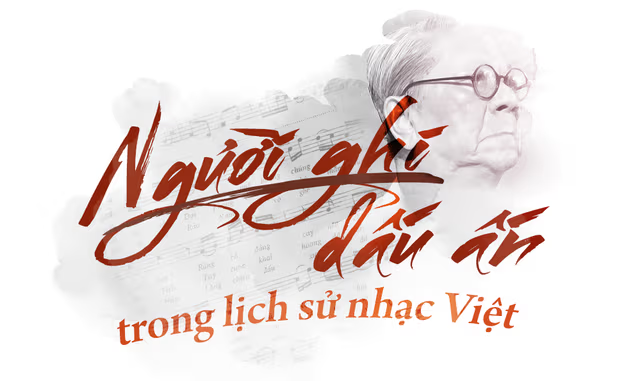
The Collection of Musician Hoang Van is an exceptional collection of Vietnamese musical documentary heritage, preserving hundreds of compositions, handwritten manuscripts, orchestral scores, sound recordings, and other materials associated with the creative life of Hoang Van (1930–2018), one of the most influential figures in modern Vietnamese music. Developed over more than six decades, from 1951 to 2010, the collection documents not only the artistic journey of an individual composer but also the historical transformations, social developments, and spiritual life of the Vietnamese people during the second half of the 20th century.
Comprising approximately 700 musical works and nearly 1,000 archival items, the collection encompasses a wide range of genres, including songs, symphonic music, choral compositions, film scores, theatrical music, and children’s songs. Its handwritten scores, printed editions, audio recordings, videos, research materials, and personal notes reveal Hoang Van’s meticulous creative process while reflecting the development of professional Vietnamese music through the interaction between national traditions and Western classical music.
On April 10, 2025, in Paris, corresponding to April 11 in Vietnam, the 221st session of UNESCO’s Executive Board, held in Paris, France, approved the inscription of The Collection of Musician Hoang Van on the International Memory of the World Register.
This marked the first time a musical documentary collection belonging to an individual Vietnamese artist had been recognized by UNESCO at the international level, representing an important milestone in identifying, safeguarding, and promoting Vietnam’s musical documentary heritage.
Unlike documentary heritage preserved in the form of administrative records, woodblocks, or ancient manuscripts, Hoang Van’s collection preserves historical memory through the language of music. Every manuscript page, melody, and recording carries traces of a particular historical period, demonstrating how an artist transformed the experiences of his country into musical expression.
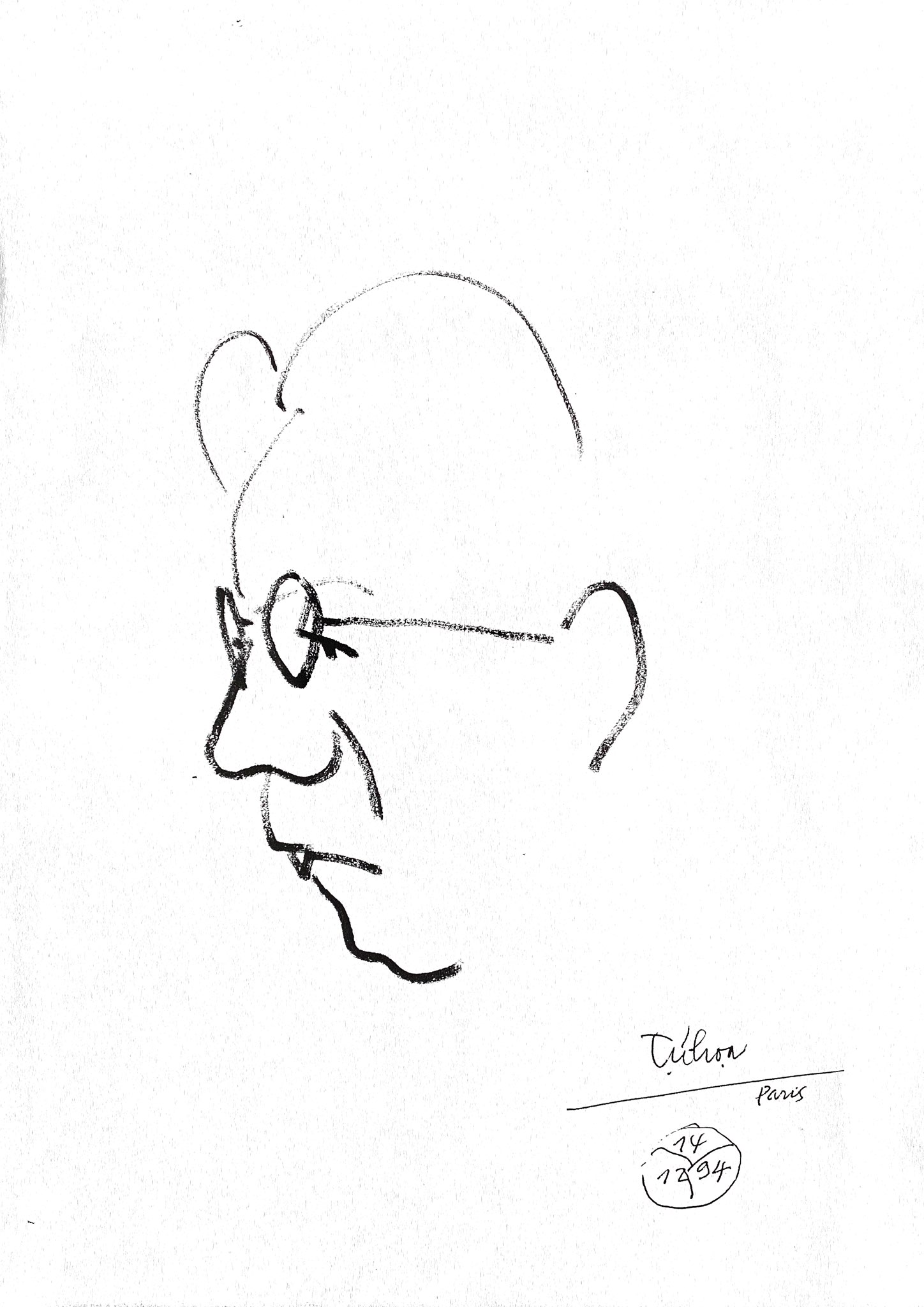
Hoang Van and His Musical Career Spanning More Than Six Decades
Hoang Van, born Le Van Ngo in Hanoi in 1930, was one of the most significant composers in the development of modern Vietnamese music. He passed away in 2018, leaving behind a substantial body of work that contributed to the growth of Vietnamese songs, instrumental music, symphonic compositions, and choral traditions.
Coming of age during a period of profound historical upheaval in 20th-century Vietnam, Hoang Van became closely associated with the resistance movement and revolutionary cultural activities. His experiences of war, productive labor, and social life provided enduring inspiration throughout his career.
From the early 1950s, he began composing music associated with the resistance against French colonial rule. His works from this period were characterized by energetic rhythms, a strong collective spirit, and expressions of determination in the face of hardship.
One of his most celebrated compositions is Ho Keo Phao (Artillery-Pulling Chant), written in 1954 and closely associated with the Dien Bien Phu Campaign.
Inspired by soldiers hauling artillery through difficult terrain, the song uses powerful rhythms and a musical style derived from traditional Vietnamese work chants to convey solidarity, collective strength, and determination.
Beyond its popularity during the resistance period, Ho Keo Phao became an enduring musical symbol associated with the memory of the historic victory at Dien Bien Phu.
The composition demonstrates Hoang Van’s ability to transform the everyday experiences of soldiers into emotionally compelling musical expression.
Following the First Indochina War, Hoang Van continued developing his career and received professional musical training in Bulgaria.
His studies at the National Conservatory in Sofia introduced him to systematic approaches to harmony, orchestration, musical form, and composition within the European classical tradition.
This education profoundly influenced his musical language in subsequent decades.
Rather than simply adopting Western compositional methods, Hoang Van sought to integrate them with the melodic characteristics and expressive traditions of Vietnamese folk music.
In many of his works, melodies rooted in Vietnamese musical traditions are developed through modern harmonic techniques, orchestration, and formal structures.
This synthesis allowed his compositions to remain accessible to Vietnamese audiences while also being suitable for professional performance by symphony orchestras, choirs, and theatrical ensembles.
In the field of vocal music, Hoang Van created numerous celebrated songs reflecting different periods of Vietnamese society.
Quang Binh Que Ta Oi (Beloved Quang Binh Homeland) is among his most recognizable works, expressing affection for the people and landscapes of central Vietnam.
The song incorporates elements of traditional folk music, creating melodies that are both lyrical and vibrant.
Toi La Nguoi Tho Mo (I Am a Miner) portrays workers in Vietnam’s coal-mining industry, expressing professional pride and the spirit of labor.
Bai Ca Xay Dung (Song of Construction) reflects the enthusiasm of workers participating in national reconstruction, while Hat Ve Cay Lua Hom Nay (Singing About Today’s Rice Plants) celebrates agriculture, rural communities, and transformations in agricultural production.
These compositions demonstrate the close relationship between Hoang Van’s music and contemporary social realities.
He wrote not only about major historical events but also about ordinary people, professions, and communities.
Factory workers, farmers, soldiers, and other working people became central subjects of his musical world.
Alongside songs celebrating labor and resistance, Hoang Van composed works expressing love for his homeland and aspirations for national unity.
Ha Noi – Hue – Sai Gon is a representative example, evoking the emotional connections among Vietnam’s regions and the aspiration for a united country.
Hoang Van also made important contributions to children’s music, composing songs that became familiar to generations of Vietnamese students.
Works such as Em Yeu Truong Em (I Love My School), Con Chim Vanh Khuyen (The White-Eye Bird), Ca Ngoi To Quoc (In Praise of the Fatherland), and Mua Hoa Phuong No (The Season of Flame Tree Blossoms) feature clear melodies, memorable lyrics, and educational themes appropriate for young audiences.
Many of these songs became part of the childhood memories of successive generations, regularly performed in schools, educational activities, and community cultural programmes.
Their continued presence in Vietnamese society demonstrates Hoang Van’s ability to connect with listeners of different ages.
Beyond popular songs, Hoang Van contributed significantly to instrumental and classical music.
He composed symphonic works, choral compositions, and large-scale musical pieces that helped expand the professional compositional language of Vietnamese music.
Among the works associated with this aspect of his career are Thanh Dong To Quoc (The Nation’s Fortress), compositions inspired by Dien Bien Phu, and the large-scale choral work Hoi Tuong (Reminiscence).
These works demonstrate his ability to organize music on a substantial scale, coordinating instrumental sections, vocal parts, and developing thematic material.
While Hoang Van’s popular songs are often remembered for their accessible melodies and immediate emotional impact, his symphonic and choral works reveal a sophisticated understanding of musical structure, orchestration, and complex artistic expression.
He also contributed to film and theatrical music, using musical composition to support storytelling, portray characters’ emotions, and evoke historical settings.
The film scores, theatrical compositions, and professional performance materials preserved in the collection provide further evidence of the diversity of his artistic activities.
A defining characteristic of Hoang Van’s career was his ability to work across multiple musical genres while maintaining a recognizable artistic identity.
Whether composing popular songs, children’s music, or symphonic works, he emphasized expressive melodies and a close relationship between musical form and thematic content.
His music frequently possesses a narrative quality and strong visual imagination.
Historical events, geographical locations, occupations, and everyday activities are transformed into musical images capable of evoking places, social rhythms, and human emotions.
This quality allowed many of his compositions to become more than individual artistic works. They became part of Vietnam’s shared musical memory.
Viewed across more than six decades, Hoang Van’s career developed alongside some of the most significant transformations in Vietnam’s modern history.
From the resistance against French colonial rule and the reconstruction of northern Vietnam to the war for national reunification, the postwar period, and subsequent social changes, his music reflected multiple dimensions of the country’s historical experience.
This close relationship between artistic creativity and national history forms the foundation of the collection’s exceptional documentary value.
The Collection’s Scope and Its Significance for Vietnamese Music History
The Collection of Musician Hoang Van was assembled through more than six decades of composition, performance, research, and archival preservation, covering the period from 1951 to 2010.
According to the heritage nomination materials, the collection contains approximately 700 musical compositions and nearly 1,000 documentary items, providing an extensive record of the composer’s creative activities.
The materials survive in numerous formats, including handwritten manuscripts, full scores, printed sheet music, sound recordings, videos, film music, newspaper articles, interviews, books, musical publications, and notes relating to the creative process.
This diversity of materials makes the collection particularly valuable, supporting both specialist research and broader public engagement with Hoang Van’s life and music.
Among its most significant components are the original handwritten musical manuscripts.
Unlike finalized published scores, handwritten manuscripts may preserve evidence of the creative process, including revisions, altered melodies, rhythmic adjustments, orchestration changes, and the composer’s personal annotations.
These traces allow researchers to investigate how a musical idea was conceived, developed, and refined.
An orchestral score, for example, records far more than the principal melody of a composition.
It also reveals how the composer organized instrumental sections, distributed musical textures, constructed harmonies, and developed the overall structure of the work.
Annotations may provide additional information about artistic decisions, performance conditions, or modifications made during rehearsals and production.
For the study of musical composition, such manuscripts are especially valuable because they make it possible to examine a work through the surviving evidence of its creation.
The collection also includes complete scores and printed musical editions, enabling comparisons between different versions of individual compositions.
By comparing an original manuscript with a finalized score or published edition, researchers can identify changes introduced during composition, editing, and dissemination.
For works performed across several historical periods, different versions may also reflect changing performance conditions, interpretive traditions, and musical environments.
Another important component is the collection of approximately 200 sound recordings, representing more than 20 hours of recorded material.
Some recordings date from periods close to the original creation of the works and feature performances by prominent Vietnamese singers from different generations.
These recordings are particularly important for the study of Vietnamese performance history.
While a written score preserves the structure of a musical composition, a recording documents how that composition was actually performed at a particular moment.
Researchers can examine vocal style, rhythm, pronunciation, phrasing, orchestration, and the distinctive sound of different periods.
Historical recordings may also provide information about recording technology, ensemble organization, and performance practices.
Recordings made near the time of a work’s creation can be especially valuable references when reconstructing or preparing new performances.
The collection also preserves videos, newspaper articles, interviews, books, and other musical publications.
These materials help place the compositions within their historical and social contexts, clarifying the circumstances of their creation, dissemination, and reception.
Newspaper articles and interviews may reveal Hoang Van’s artistic views, events associated with particular compositions, and public responses to his music.
Personal notes, teaching materials, and research documents can provide insight into his working methods, artistic thinking, and professional activities.
The combination of musical materials and written documentation creates a diverse archival resource, allowing researchers to examine Hoang Van not only as a composer but also as a participant in Vietnam’s modern cultural life.
One of the collection’s most important contributions is its documentation of the development of professional Vietnamese music.
During the second half of the 20th century, Vietnamese music underwent significant changes in professional training, compositional techniques, performance practices, and the relationship between traditional music and Western musical forms.
Professionally trained composers contributed to the emergence of new musical genres and the development of symphonic music, choral performance, film scoring, and theatrical composition.
Hoang Van was an active participant in this transformation.
Through his orchestral scores, instrumental compositions, and professional annotations, the collection enables researchers to investigate how Western compositional techniques were received, adapted, and transformed within Vietnamese cultural contexts.
This subject is relevant not only to Vietnamese music history but also to the broader study of music in Asian societies during the postcolonial period.
The reception of European classical music in Vietnam was not simply a process of imitation.
Vietnamese composers sought to combine Western approaches to harmony, orchestration, and musical form with indigenous melodic systems, scales, rhythms, and expressive traditions.
In Hoang Van’s compositions, folk-inspired musical material is developed through professional compositional techniques, producing works that are both modern in structure and recognizably Vietnamese in character.
This interaction between traditions is one of the collection’s outstanding qualities.
For international researchers, Hoang Van’s scores and recordings provide valuable evidence of the development of Western classical musical forms outside Europe.
They help illuminate how different cultures received, adapted, and creatively transformed imported artistic practices according to their own historical circumstances and cultural identities.
The collection is also significant for the study of Vietnamese social history.
Hoang Van’s compositions address subjects closely associated with national life, including war, labor, education, reconstruction, and love of homeland.
Songs about soldiers, factory workers, miners, farmers, and schoolchildren reveal how music participated in the emotional and cultural life of Vietnamese society during different periods.
Through these works, researchers can explore the social ideals, representations of ordinary people, and collective emotions associated with particular historical moments.
In this context, music was not merely a form of entertainment or aesthetic expression. It also became a medium through which collective memory was preserved.
Compositions such as Ho Keo Phao, Quang Binh Que Ta Oi, Toi La Nguoi Tho Mo, and Hat Ve Cay Lua Hom Nay are associated with specific places, historical experiences, and communities.
Over time, they became musical landmarks through which successive generations could recall particular chapters of Vietnamese history.
This close relationship between musical works and social memory gives the collection significance beyond the personal archive of an individual artist.
Alongside its research value, the collection has considerable importance for music education and professional training.
Its scores and manuscripts can be used to teach harmony, orchestration, musical analysis, composition, and music history.
Historical recordings enable students and performers to study interpretation, performance techniques, and changes in musical practice.
For conductors, full scores and professional annotations can support the study, preparation, and direction of performances.
For singers, historical recordings provide references for vocal interpretation and the performance traditions associated with particular songs.
For scholars, documents such as orchestral instrumentation notes, performance instructions, and manuscript revisions can reveal important aspects of Hoang Van’s compositional thinking.
An especially distinctive feature of the collection is that its contents are not limited to specialist audiences.
Many of Hoang Van’s songs remain popular and continue to be performed at concerts, educational events, music competitions, and community cultural activities.
The collection therefore provides a connection between classical music and everyday cultural life.
While the orchestral scores require specialist knowledge for study and performance, many of his songs remain accessible to general audiences through familiar melodies.
This combination of artistic sophistication and widespread public recognition gives the collection an enduring cultural vitality.
From a preservation perspective, the collection is also an important example of documentary heritage safeguarded by an artist’s family.
Following the composer’s death, his family continued to play a central role in preserving, organizing, classifying, and digitizing the materials.
His children, conductor Le Phi Phi and music researcher Le Y Linh, have made significant contributions to the study, presentation, and promotion of his musical legacy.
The systematic organization of materials accumulated over many decades has transformed a large personal archive into a structured collection that can be more easily accessed and studied.
According to information introducing the collection, some original materials have also been placed in the care of National Archives Center III in Hanoi, helping strengthen their long-term preservation.
The development of the digital platform hoangvan.org has been particularly important in enabling audiences in Vietnam and abroad to explore the composer’s life, works, and related documentation.
Its multilingual digital resources help overcome geographical barriers, supporting researchers, performers, students, and music enthusiasts interested in Vietnamese musical heritage.
This approach demonstrates the importance of combining the preservation of original artifacts with digitization and the wider dissemination of knowledge.
However, preserving a musical collection involves more than maintaining paper documents or sound recordings.
Materials several decades old may be vulnerable to humidity, light exposure, temperature fluctuations, paper deterioration, and the degradation of recording media.
Magnetic tapes and other historical audio formats require appropriate digital transfer to reduce the risk of information loss.
Digitization must also be accompanied by accurate metadata describing provenance, composition dates, versions, and relevant intellectual property information.
For a collection containing such varied documentary formats, effective preservation requires collaboration among archivists, music scholars, audio specialists, and cultural institutions.
Through its diversity of content and media, Hoang Van’s collection serves multiple audiences, from specialist researchers to members of the general public.
This accessibility is one of the key factors contributing to its long-term heritage significance.
UNESCO Inscription in 2025 and the Collection’s Importance to Vietnamese Cultural Heritage
At the 221st session of UNESCO’s Executive Board, held in Paris, France, The Collection of Musician Hoang Van was approved for inscription on the International Memory of the World Register.
According to information released about the event, the decision was adopted at approximately 11:00 p.m. on April 10, 2025, in Paris, corresponding to 4:00 a.m. on April 11, 2025, in Vietnam.
The Vietnamese collection was among the nominations considered during the 2025 evaluation cycle, following recommendations from the specialist bodies associated with UNESCO’s Memory of the World Programme.
This recognition was particularly significant because it marked the first inscription of a musical documentary collection belonging to an individual Vietnamese artist at the international level.
Previously, Vietnam’s documentary heritage recognized by UNESCO had primarily included historical manuscripts, woodblocks, imperial records, stone inscriptions, and other traditional documentary collections.
The inclusion of a musical archive on the International Memory of the World Register broadens public understanding of the diversity of documentary heritage.
Music exists not only as sound performed and transmitted between generations.
The processes of composition, notation, orchestration, recording, publication, and archival preservation also create documentary evidence capable of reflecting human history, culture, and knowledge.
In Hoang Van’s case, the manuscripts and recordings preserve not only the musical works themselves but also evidence of the formation and development of professional Vietnamese music during a period of profound historical change.
According to assessments presented in the heritage nomination materials, the collection demonstrates outstanding significance through its authenticity, original documentation, historical content, and accessibility.
One of its strengths is the richness of its documentary formats.
Handwritten manuscripts, full scores, recordings, videos, and written materials complement one another, making it possible to reconstruct the processes through which compositions were created and disseminated.
The collection’s chronological continuity is another important characteristic.
Developed over more than six decades, it spans the period from the resistance against French colonial rule to the early 21st century.
This timeframe encompasses major transformations in Vietnamese history, including war, national reconstruction, reunification, economic reform, and international integration.
Through Hoang Van’s works, researchers can explore the relationship between music and the changing circumstances of Vietnamese society.
The collection therefore represents more than the artistic legacy of one individual. It also preserves aspects of the country’s collective memory.
Of particular importance is the way Hoang Van’s compositions document the development of Vietnamese music through its interaction with Western classical traditions.
Drawing on professional musical training, he applied modern compositional techniques to materials inspired by Vietnamese musical heritage.
The resulting works could be appreciated in both popular performance settings and professional classical music environments.
For international scholarship, this provides valuable evidence of how Western classical music developed and changed in societies beyond Europe.
The collection demonstrates that Asian musical cultures did not merely receive imported artistic forms. They actively adapted, transformed, and expanded those forms according to their own histories and cultural identities.
This is an important dimension of research into cultural exchange and global music history.
From a humanistic perspective, many of Hoang Van’s works focus on individuals living through particular historical circumstances.
Soldiers during wartime, factory workers, miners, farmers, and schoolchildren all appear as central figures in his music.
Through these melodies, listeners can encounter the aspirations, beliefs, hardships, and joys of different generations of Vietnamese people.
The compositions preserved in the collection therefore possess not only aesthetic significance but also the ability to connect memories across generations.
For Vietnamese audiences, many of Hoang Van’s songs have become familiar elements of cultural life.
They are performed in schools, concerts, historical commemorations, and community cultural programmes.
Preserving original manuscripts and recordings allows future generations to understand the origins of melodies that have long been associated with Vietnamese society.
For professional musicians, the collection provides reliable documentary sources for studying and performing the works.
Original scores, orchestration notes, and historical recordings can support the reconstruction of compositions that are rarely performed or have undergone multiple arrangements.
For music education institutions, the collection offers valuable resources for studying composition, musical analysis, and the history of modern Vietnamese music.
For archivists, the collection demonstrates the importance of documentary heritage held by individuals and families.
Not all culturally significant records originate in government institutions or public organizations.
Many valuable documents are preserved across generations within the families of artists, scientists, writers, and other individuals who have contributed to cultural and intellectual life.
Without proper identification, organization, and conservation, these materials may become dispersed, deteriorate, or disappear.
The case of Hoang Van’s collection illustrates the essential role of families in safeguarding heritage, as well as the value of cooperation among documentary owners, archival institutions, researchers, and cultural organizations.
Its inscription also supports the broader protection of documentary heritage at a time when Vietnam has continued to strengthen its cultural heritage legislation and policies.
Vietnam’s 2024 Law on Cultural Heritage provides an additional legal foundation for identifying, managing, safeguarding, and promoting different forms of heritage, including documentary collections.
UNESCO’s recognition of Hoang Van’s collection highlights the importance of protecting musical, artistic, and individually created documentary resources alongside more traditional historical records.
At the time of the 2025 inscription, according to figures released in connection with the announcement, Vietnam had 11 documentary heritage inscriptions recognized through UNESCO’s Memory of the World Programme, comprising four entries on the International Memory of the World Register and seven entries on the Memory of the World Asia-Pacific Regional Register.
The Collection of Musician Hoang Van contributed to the growing diversity of Vietnam’s documentary heritage, particularly in the field of music.
It is important to distinguish between the International Memory of the World Register and the Memory of the World Asia-Pacific Regional Register, which represent different levels of recognition within UNESCO’s Memory of the World Programme.
Hoang Van’s collection was inscribed on the international register, unlike collections recognized only at the regional level.
This is also a documentary heritage inscription, not a designation under UNESCO’s Representative List of the Intangible Cultural Heritage of Humanity.
Maintaining this distinction is essential when communicating the collection’s official recognition to Vietnamese and international audiences.
Another important aspect of the collection is its accessibility through the digital platform hoangvan.org.
The website allows people interested in Vietnamese music to explore the composer’s life, career, and works without being restricted by geographical distance.
For international audiences, multilingual information provides an opportunity to discover musical traditions deeply connected to Vietnam’s historical and cultural experience.
In a digital environment, scores and archival materials can be presented alongside explanatory notes, recordings, photographs, and related documents, allowing users to understand individual works within their broader contexts.
However, public access to documentary heritage must be balanced with copyright, related rights, and regulations governing the use of archival materials.
Preserving musical heritage means not only maintaining accessibility but also ensuring authenticity, integrity, and respect for the original creator.
In the future, the collection may continue to be explored through research projects, publications, exhibitions, themed concerts, and music education programmes.
Exhibitions focusing on handwritten manuscripts, compositional processes, and performance history could introduce audiences to Hoang Van’s music from new perspectives.
Concerts based on original scores and archival research could help bring lesser-known compositions back into contemporary performance.
Interdisciplinary studies involving musicology, history, archival science, and cultural studies could also reveal further dimensions of the collection’s significance.
In particular, presenting Hoang Van’s symphonic and choral works to international orchestras, conductors, and music institutions could help strengthen the presence of Vietnamese classical music on the global stage.
Scores written using internationally recognized musical notation make it possible for performers from different countries to study and interpret his compositions.
Through performance, melodies rooted in Vietnamese cultural traditions can reach international classical music audiences, contributing to a richer understanding of musical creativity beyond Europe.
For cultural tourism and heritage interpretation, the Collection of Musician Hoang Van also offers a distinctive approach to exploring Vietnamese history.
While architectural monuments and archaeological artifacts help visitors imagine the physical environments of the past, music offers access to the emotions, rhythms, and memories of people who lived through different historical periods.
A song about Dien Bien Phu, a composition celebrating miners, or a familiar children’s melody can evoke stories of war, labor, education, and everyday social life.
Through preserved documentary materials, listeners can move beyond simply enjoying a musical work to understanding the historical circumstances that helped shape it.
After more than six decades of artistic creation and years of dedicated preservation by the composer’s family, the Collection of Musician Hoang Van has become a heritage resource whose significance extends far beyond an individual career.
It preserves the artistic journey of a major Vietnamese composer while documenting important stages in the development of modern Vietnamese music.
From handwritten manuscripts to historical recordings, and from popular songs to symphonic and choral works, the collection demonstrates the diversity of musical creativity and the enduring relationship between artistic expression and social life.
The inscription of the Collection of Musician Hoang Van on UNESCO’s International Memory of the World Register in 2025 not only honors the achievements of an influential Vietnamese composer but also affirms the importance of music as a source of historical, cultural, and humanistic knowledge. The collection preserves the memories of generations of Vietnamese people while introducing the creativity and distinctive identity of Vietnamese music to the international community.
Quick Information
| Item | Details |
|---|---|
| Heritage name | The Collection of Musician Hoang Van |
| Vietnamese name | Bộ sưu tập của Nhạc sĩ Hoàng Vân |
| Alternative name | Archival Collection of Musician Hoang Van |
| Heritage type | Musical documentary heritage |
| Associated figure | Composer Hoang Van |
| Birth name | Le Van Ngo |
| Lifespan | 1930–2018 |
| Birthplace | Hanoi, Vietnam |
| Period covered | 1951–2010 |
| Number of compositions | Approximately 700 |
| Archival collection | Nearly 1,000 documentary items |
| Sound recordings | Approximately 200 recordings, totaling more than 20 hours |
| Documentary formats | Handwritten manuscripts, full scores, printed sheet music, audio recordings, videos, film scores, newspaper articles, interviews, books, and musical publications |
| Musical genres | Songs, symphonic music, choral works, children’s music, film scores, and theatrical music |
| Representative works | Ho Keo Phao, Quang Binh Que Ta Oi, Toi La Nguoi Tho Mo, Bai Ca Xay Dung, Hat Ve Cay Lua Hom Nay, Ha Noi – Hue – Sai Gon |
| Outstanding values | Music history, culture, social history, education, research, and international musical exchange |
| Preservation | Hoang Van’s family and associated archival institutions |
| Digital archive | https://hoangvan.org |
| UNESCO recognition | International Memory of the World Register |
| UNESCO programme | Memory of the World |
| Inscription date | April 10, 2025 (Paris time), April 11, 2025 (Vietnam time) |
| UNESCO session | 221st session of the UNESCO Executive Board |
| Place of inscription | Paris, France |
| Special significance | The first musical documentary collection of an individual Vietnamese artist inscribed on the International Memory of the World Register |