The traditional craft of making Pia cakes in Soc Trang is more than a culinary occupation. It is a living cultural heritage associated with the Chinese-Vietnamese community, particularly people of Teochew origin, who have long settled in the Vung Thom area and Châu Thành District. Through generations, Pia cake making has preserved culinary knowledge, family traditions, community identity and a distinctive form of livelihood in the Mekong Delta.
| Heritage Information | Details |
|---|---|
| Name of heritage | Pia Cake-Making Craft |
| Decision No. | 2728/QĐ-BVHTTDL dated September 30, 2020 |
| Type | Traditional handicraft |
| Location | Soc Trang Province |
A Culinary Heritage Rooted in Teochew Culture
The word “Pia”, also written as “pi-é” in some Teochew pronunciations, means “cake” in the Teochew language. The craft is believed to have been introduced to southern Vietnam by Chinese migrants, including the Minh Huong community, from around the 16th century. Its origins are closely connected with traditional Teochew mooncakes, which were gradually adapted to local ingredients, tastes and production conditions in the Mekong Delta.
In Soc Trang, the craft became particularly well established in the Vung Thom area and neighboring communities of Phu Tâm, Thuận Hòa and An Hiệp in Châu Thành District. Vung Thom is widely regarded as the birthplace and most important center of Pia cake production in the province. The craft developed alongside Chinese-Vietnamese settlements, family businesses, local markets and the cultural life of the community.
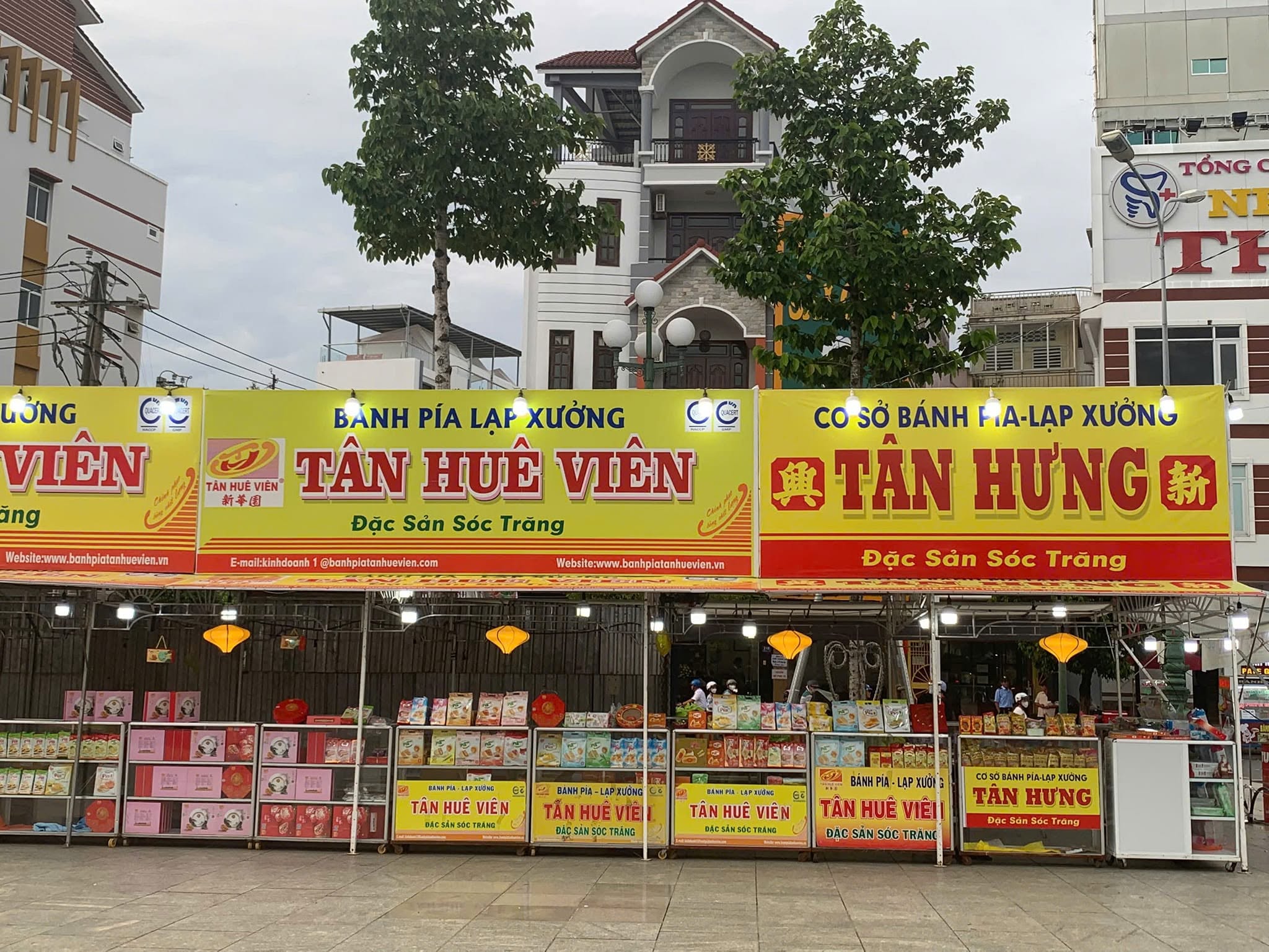
According to local accounts, one of the earliest Pia cake workshops was Công Lập Thành, founded by Âu Minh Xương. The techniques were later passed down to Âu Minh Châu and other families, helping establish a tradition of household-based production. Over time, workshops such as Thuận Thành, Tân Hưng, Mỹ Hiệp Thành and Tạo Thành contributed to the development and expansion of the craft.
From Traditional Recipes to a Distinctive Soc Trang Specialty
In earlier periods, Pia cakes were made with ingredients and flavors that reflected Teochew culinary traditions. Some traditional versions used roasted duck meat, fermented bean curd, pork fat or mutton fat, wheat flour and millet-based ingredients. Cakes were often baked over charcoal, giving them a characteristic aroma and a slightly smoky flavor.
Traditional Pia cakes included varieties known by names such as Tàu Xa Lá, Òn Xa Lá and Can Xại. Their fillings and seasonings were more savory and complex than many modern versions. These recipes reflected the culinary habits of the Chinese community while also demonstrating the process of adaptation to local conditions in southern Vietnam.
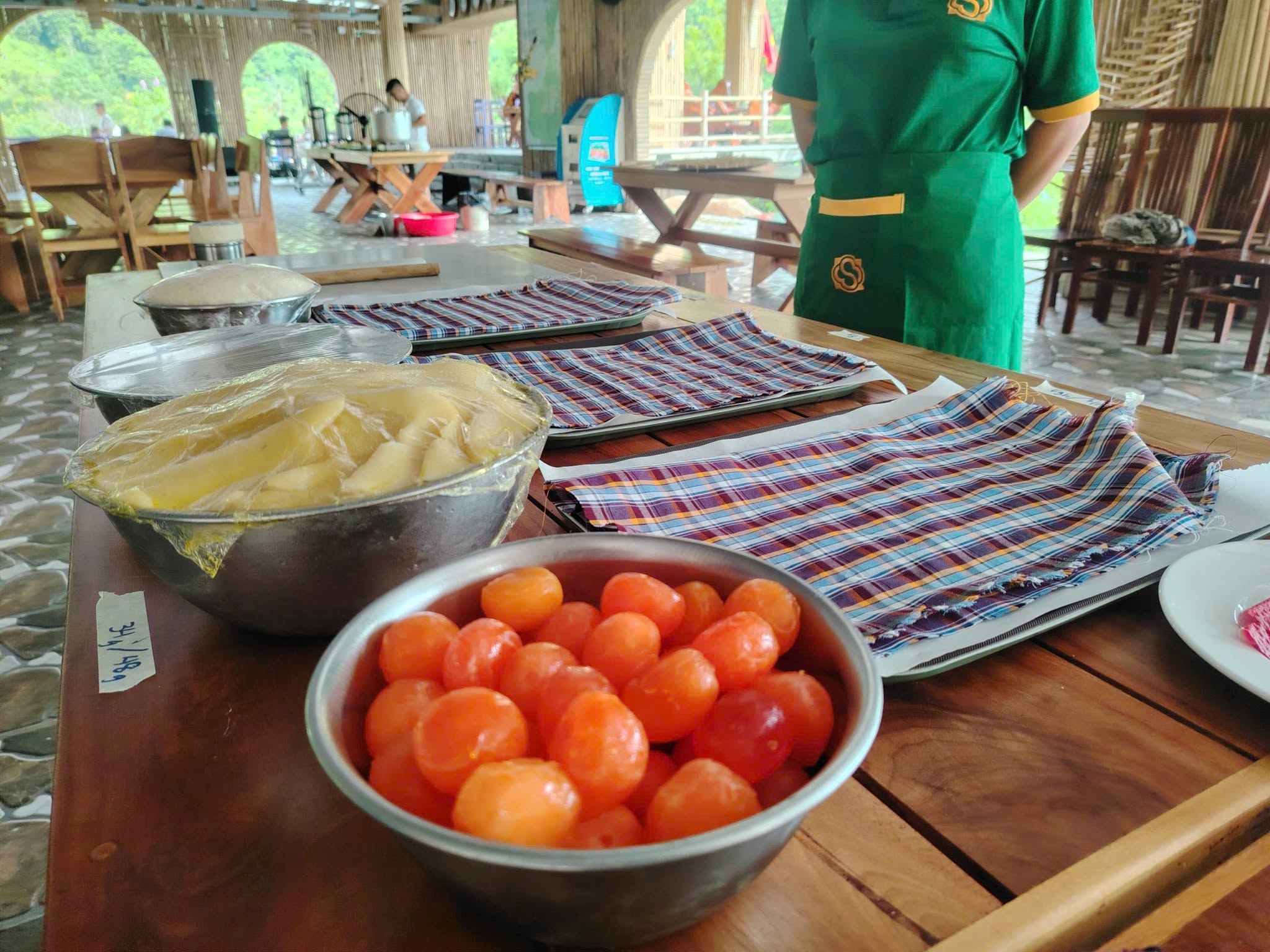
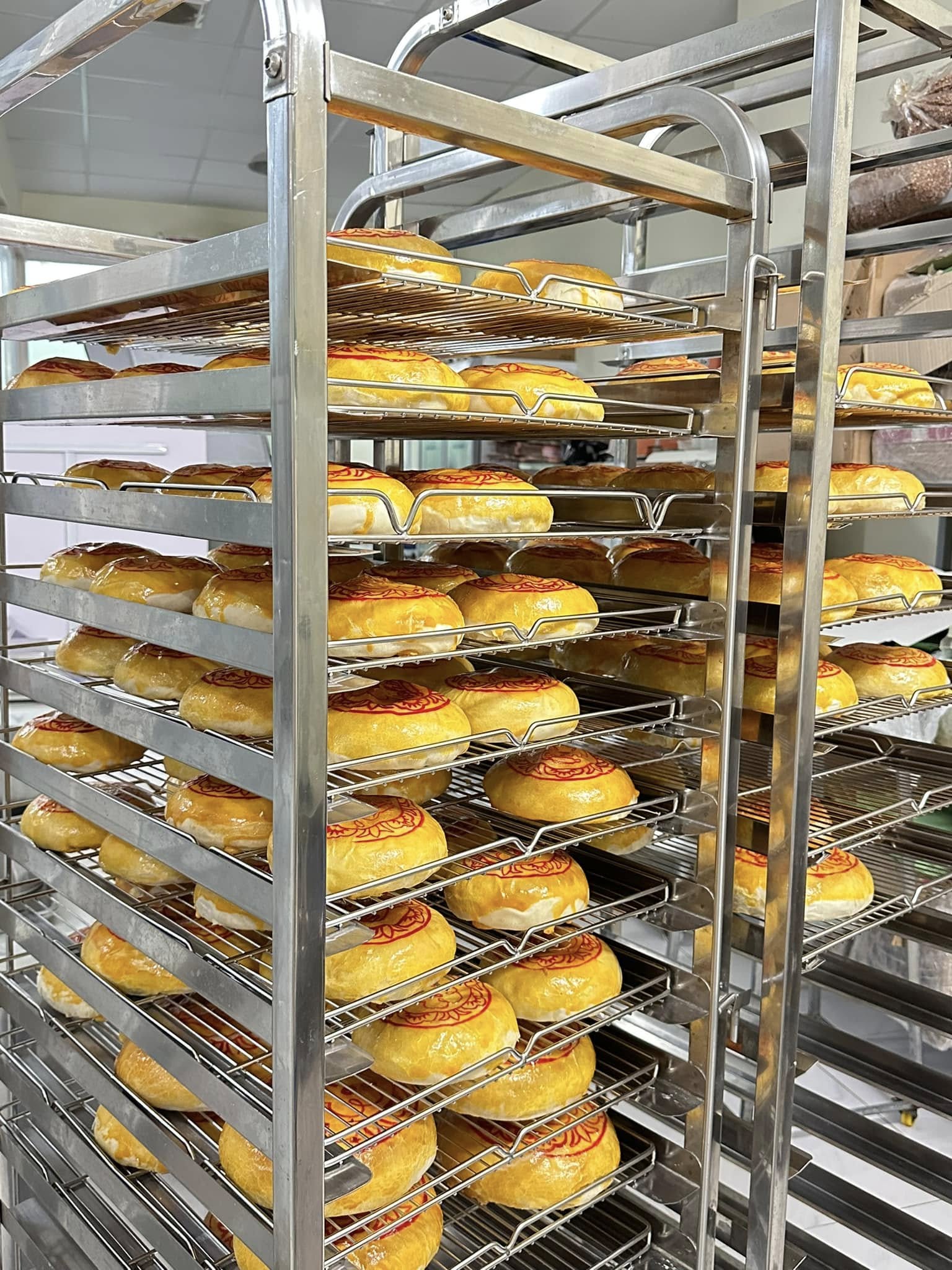
One of the most recognizable features of Pia cake is its delicate, multi-layered pastry. The thin layers are carefully rolled and folded to create a soft, flaky texture that separates easily when the cake is broken apart. This characteristic has led to the popular description “bánh lột da”, meaning a cake whose skin or layers can be peeled away.
The making of the pastry requires considerable experience. Bakers must control the dough, filling, rolling technique, oven temperature and baking time with precision. Even small differences in humidity, flour quality or handling can affect the final texture. Much of this knowledge has traditionally been transmitted within families and learned through years of practice.
A Cake Associated with Festivals, Gifts and Family Gatherings
Pia cake has long been present in important moments of family and community life. It is commonly used as a gift during the Mid-Autumn Festival, Lunar New Year and other traditional celebrations. Families often give Pia cakes to relatives, friends and business partners as a gesture of affection, respect and good wishes.
In Soc Trang, Pia cake is not simply a commercial product. It has become a culinary symbol of the province and an important expression of the cultural interaction between the Chinese community and the wider society of the Mekong Delta. Its presence at markets, family gatherings and festive occasions has helped preserve memories of migration, settlement and cultural continuity.
The cake has also become a familiar gift for visitors traveling through Soc Trang. Bringing home a box of Pia cakes is now part of the travel experience for many people, connecting local cuisine with regional tourism and cultural discovery.
Innovation While Preserving the Traditional Craft
Over nearly a century of development, Pia cake production in Soc Trang has expanded from small family workshops into a diversified food industry. The province is now home to dozens of brands and production establishments, ranging from traditional household businesses to modern facilities with standardized production lines.
Although the traditional flavor remains important, producers have introduced new fillings to meet changing consumer preferences. Modern Pia cakes may contain mung bean and durian, taro and durian, lotus seed, red bean, black bean, pineapple or other ingredients. There are also vegetarian versions, reduced-sugar products and specialized cakes designed for consumers with particular dietary needs.
Despite these innovations, the essential characteristics of Pia cake remain intact: the thin layered crust, carefully prepared filling and balance between sweetness, richness and fragrance. The ability to modernize without losing its traditional identity is one of the reasons the craft continues to thrive.
Soc Trang Pia cakes are now distributed widely throughout Vietnam and have also reached overseas markets, including the United States, Canada, Japan, Australia, China, Hong Kong and Cambodia. Some major producers have developed modern quality-control systems and international food-safety certifications, allowing the product to enter demanding markets while maintaining its distinctive local identity.
Economic Value and Community Livelihoods
The Pia cake-making craft provides employment and income for many households in Vung Thom and surrounding areas. Its production chain involves not only bakers and workshop workers but also suppliers of flour, mung beans, durian, sugar, eggs, packaging materials and other ingredients.
The craft therefore creates a broader network of economic activities connected with agriculture, food processing, transportation, packaging, retail and tourism. Local agricultural products, especially mung beans and durian, gain additional value when processed into a well-known specialty with a strong regional brand.
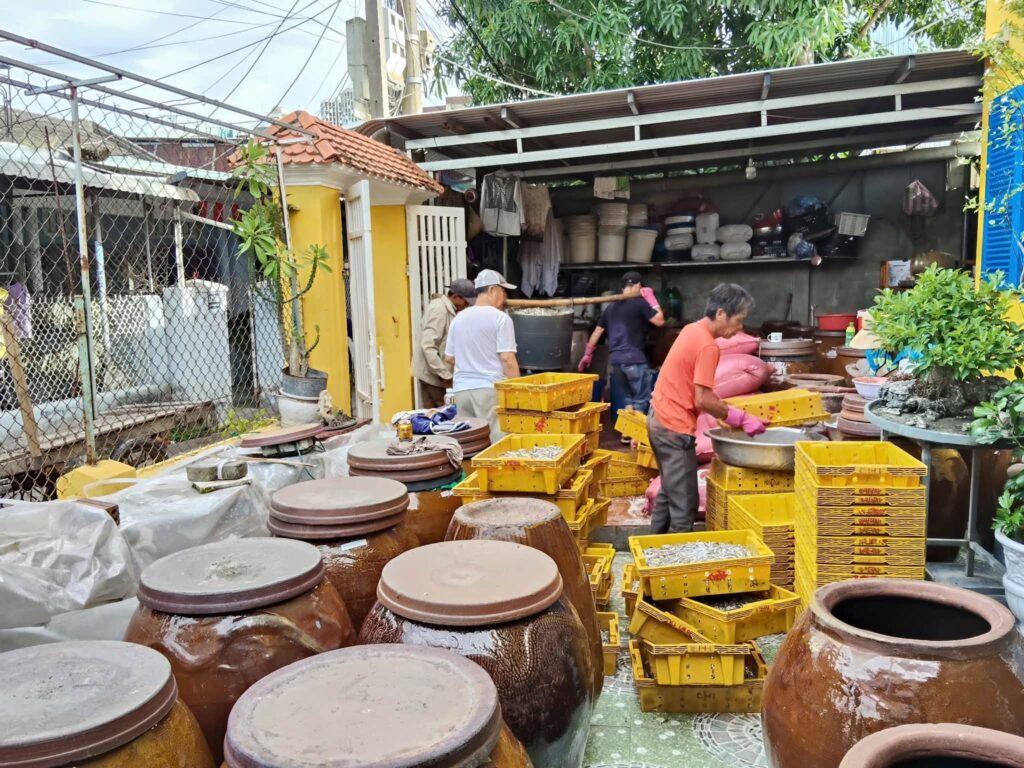
For many families, Pia cake making is both a business and a form of cultural inheritance. Production techniques, recipes, methods of preparing fillings and standards for judging cake quality are often passed from one generation to the next. Family workshops serve as important spaces where practical knowledge and community identity are preserved.
Conservation and Promotion of the Heritage
The preservation of the Pia cake-making craft depends on maintaining both its traditional knowledge and its living production environment. This includes protecting family-based transmission, supporting skilled craftspeople, improving food safety, developing product standards and promoting the reputation of Soc Trang Pia cakes.
In recent years, local authorities and relevant organizations have supported production establishments through programs aimed at improving equipment, packaging, branding and quality management. During the 2022–2023 period, several Pia cake establishments received support under local programs to strengthen production capacity and promote the specialty.
The development of common branding initiatives, cooperation among producers and the application of food-safety systems such as HACCP have helped improve consumer confidence. At the same time, traditional techniques remain an essential part of the product’s cultural value and should not be replaced entirely by industrial production.
Craftspeople and experienced bakers play a central role in this process. Their knowledge is not limited to recipes but also includes the ability to recognize the quality of ingredients, adjust the dough, balance flavors and control the baking process. Recording, teaching and honoring this knowledge are important measures for ensuring the continuity of the heritage.
Pia Cake and Cultural Tourism in Soc Trang
The Pia cake-making craft offers considerable potential for cultural and culinary tourism. Visitors can explore Vung Thom, learn about the history of the Chinese community in Soc Trang and observe how the cakes are prepared, rolled, filled and baked.
A visit to a traditional workshop can provide a more meaningful experience than simply purchasing a packaged product. Travelers can discover the skill required to create the layered crust, understand the significance of the cake in family celebrations and taste different versions of the specialty.
The craft can also be connected with other cultural attractions in Soc Trang, including Khmer pagodas, local markets, traditional festivals and community-based tourism activities. Such connections create a broader travel experience in which food becomes a gateway to understanding the history and cultural diversity of the Mekong Delta.
A Living Symbol of Soc Trang’s Culinary Identity
The traditional Pia cake-making craft of Soc Trang represents the meeting of Teochew culinary heritage and the cultural environment of southern Vietnam. From its early roots in migrant communities to its modern presence in domestic and international markets, the craft has retained a strong connection with family traditions, community life and local identity.
Pia cake is valued not only for its distinctive flavor and delicate pastry but also for the stories embedded in its production and use. It reflects the ability of a cultural tradition to adapt to new circumstances while preserving its essential character.
Today, the craft remains an important part of Soc Trang’s cultural heritage, local economy and tourism identity. Preserving it means safeguarding recipes and techniques, but also maintaining the people, families, workshops and communities that continue to give the tradition life.