

Cam Pho Communal House (Dinh Cam Pho) is one of the oldest traditional communal houses in Hoi An, closely associated with the development of the local community since the 15th century. Beyond its distinctive Vietnamese architecture, the site preserves important aspects of the religious beliefs, cultural traditions and trading history of the ancient port town.
Located at 52 Nguyen Thi Minh Khai Street, Cam Pho Communal House is an interesting destination for travelers who want to explore Hoi An’s architectural heritage and discover the traditional village culture that shaped the town over centuries.
History of Cam Pho Communal House
Cam Pho Village was established around the late 15th century and became one of the important residential communities in Hoi An.
Before the 19th century, the village covered a relatively large area and played a significant role in the development of Hoi An as a prosperous trading port.
Cam Pho Communal House was built by local villagers as a place to worship the village’s tutelary deity, Lady Dai Can and other protective deities associated with rivers and waterways.
The communal house underwent several important renovations throughout its history.
A major restoration during the reign of Emperor Gia Long, around 1817–1818, helped establish much of the architectural appearance seen today.
In 1897, during the reign of Emperor Thanh Thai, further renovations were carried out, including the addition of the eastern and western buildings.
The worship of village founders and later benefactors was also incorporated into the communal house’s religious traditions.
Since then, the site has also been known as Cam Pho Huong Hien, a name reflecting the community’s respect for those who contributed to the establishment and development of the village.
Traditional Architecture of Cam Pho Communal House
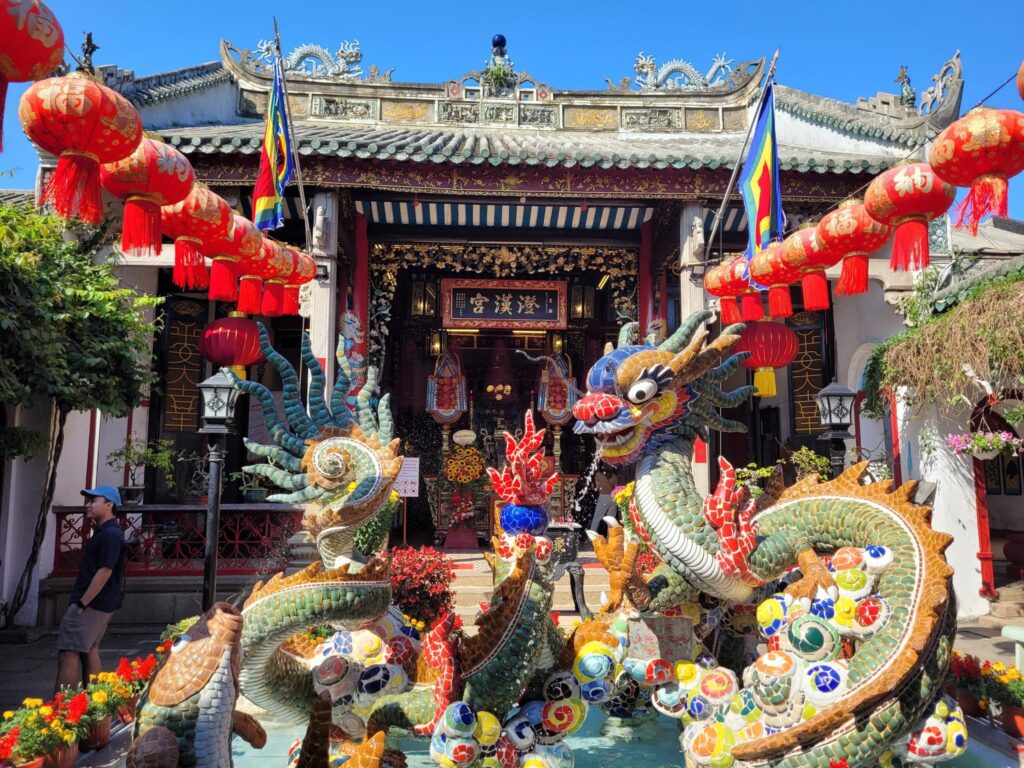
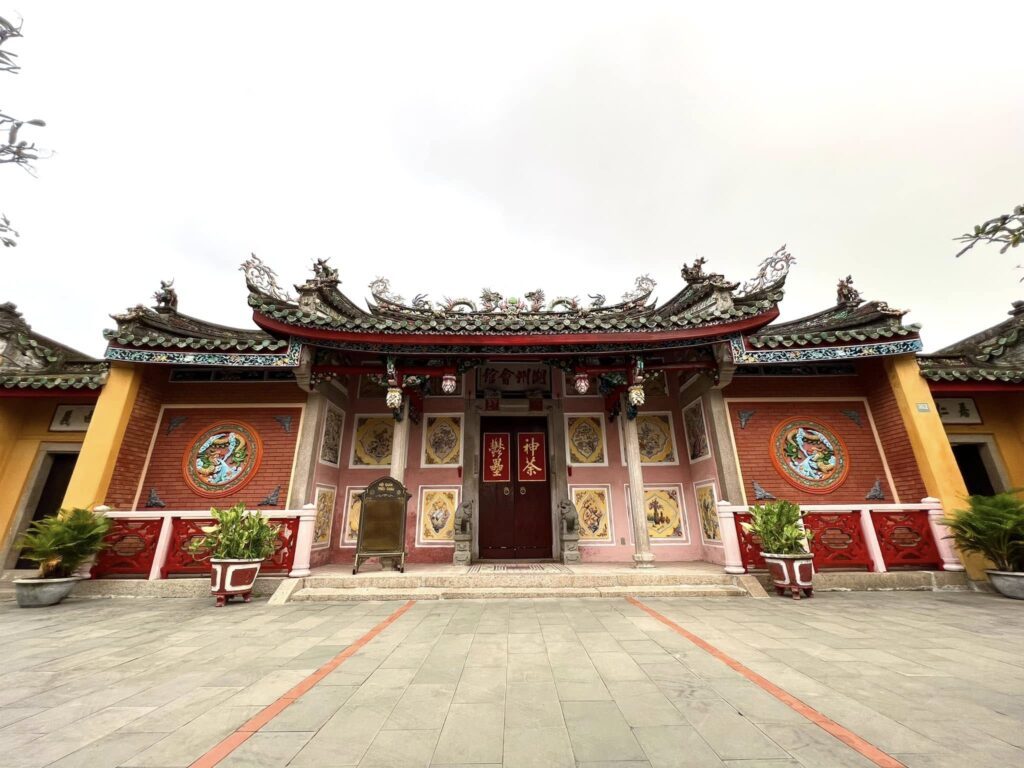
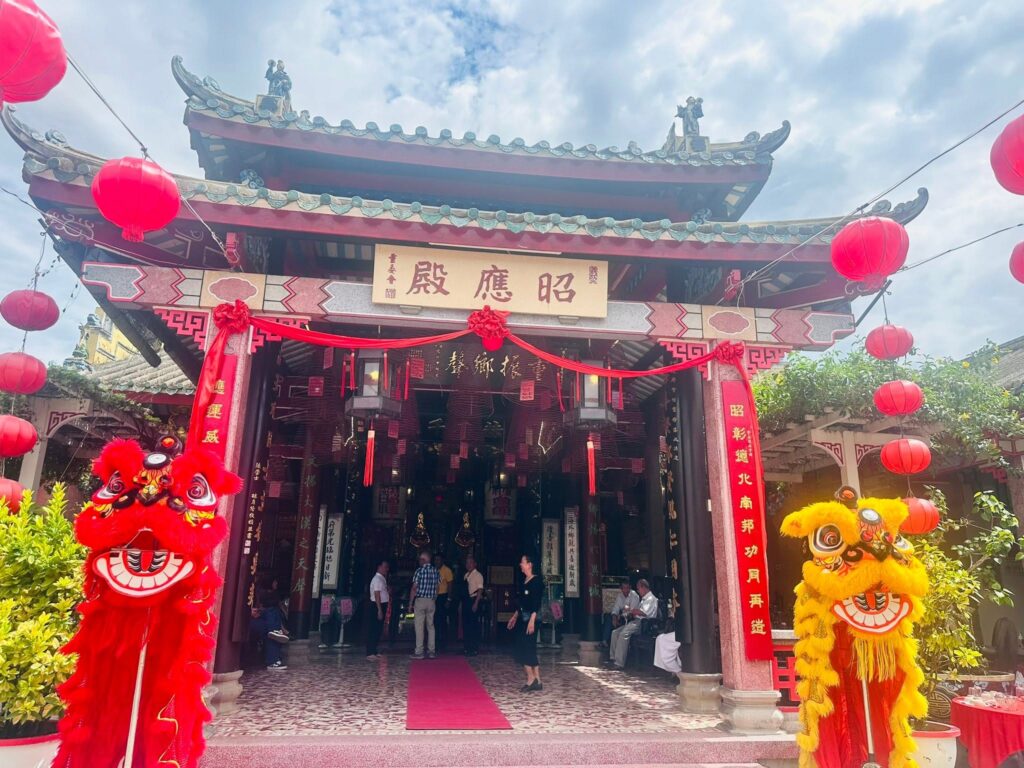
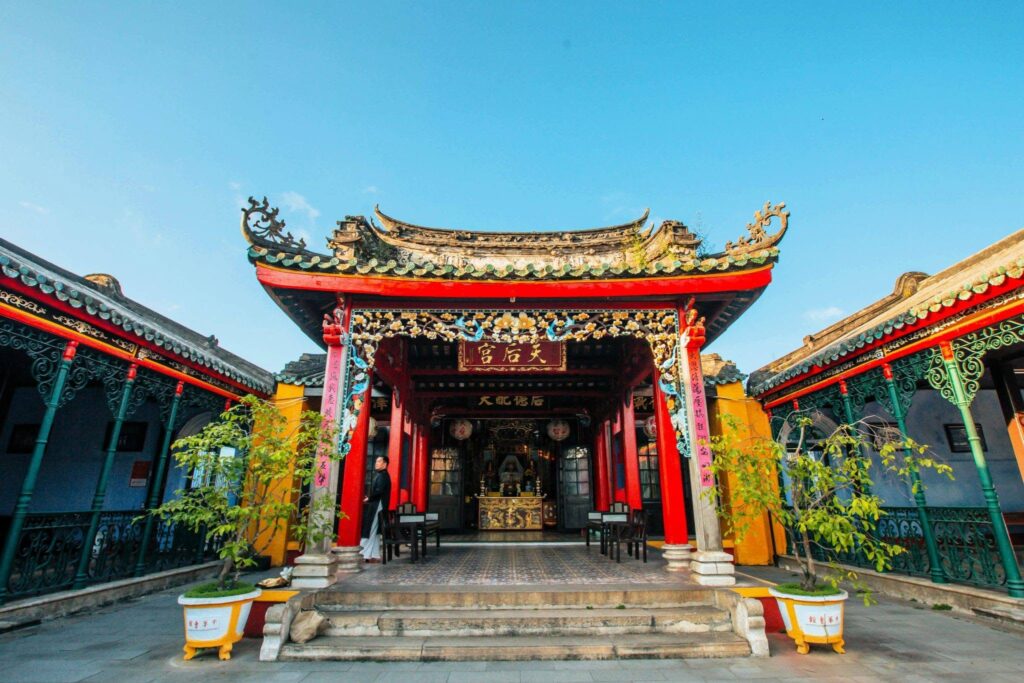
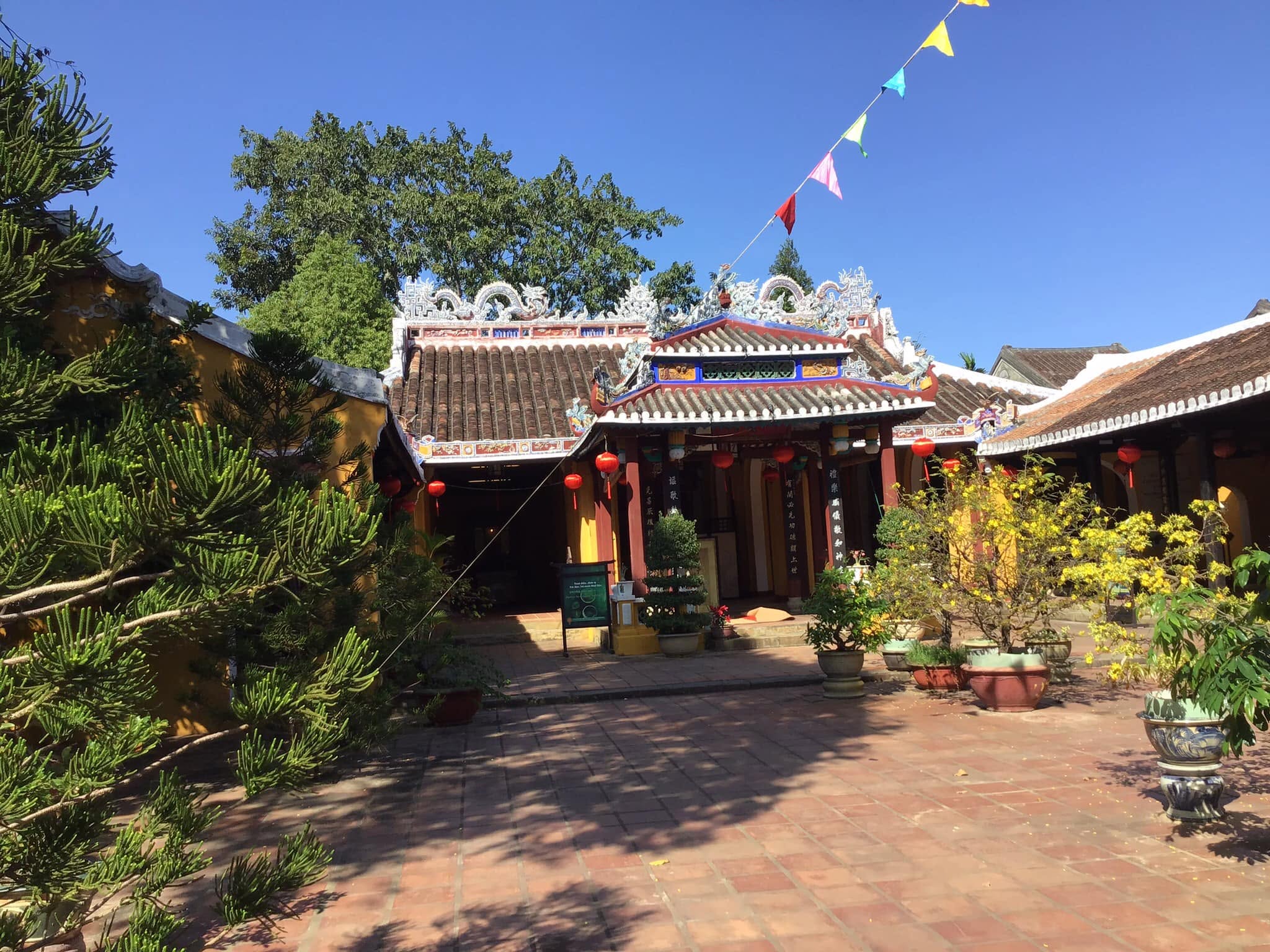
Cam Pho Communal House is a fine example of traditional Vietnamese village architecture, featuring a courtyard, greenery, a historic well and carefully arranged worship buildings.
The complex faces southeast and follows a traditional architectural layout, consisting of an entrance gate, front hall, main sanctuary and two side buildings.
Entrance Gate and Front Hall
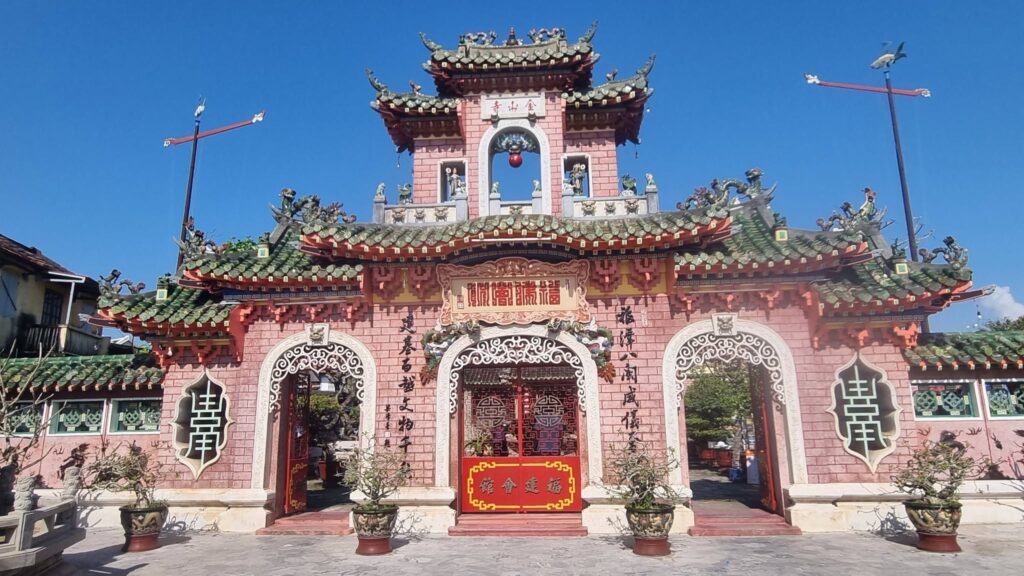
From Nguyen Thi Minh Khai Street, visitors can see the large brick entrance gate decorated with traditional architectural details.
The inscription “Cam Pho Huong Hien” appears on the gate, reflecting the historical identity of the communal house.
The front hall features a four-sided roof and an elaborate wooden framework with decorative carvings.
Inside, a horizontal lacquered board bears the inscription “Huong Hien Tu,” referring to the worship of respected village predecessors.
Main Sanctuary and Side Buildings
Behind the front hall is the main sanctuary, divided into five sections by wooden columns and interior walls.
The central worship area contains intricately carved altars, creating a solemn atmosphere.
The eastern and western buildings follow the traditional three-compartment architectural style.
The roofs are covered with traditional yin-yang tiles and decorated with phoenix motifs and other ornamental patterns.
These architectural details demonstrate the craftsmanship of traditional Vietnamese artisans, including the influence of the renowned Kim Bong carpentry tradition associated with Hoi An.
Archaeological Discoveries at Cam Pho Communal House
In addition to its architectural importance, Cam Pho Communal House is a valuable site for understanding the early settlement and international trading activities of Hoi An.
In March 1994, Japanese researchers collaborated with Hoi An’s heritage conservation authorities to conduct archaeological investigations in the courtyard area.
During the excavations, researchers discovered traces of an ancient drainage channel and various ceramic artifacts originating from Japan, China and Vietnam.
Many of these objects date from the 16th and 17th centuries.
The findings provide valuable evidence of historical settlement patterns and international trade connections during the early development of Hoi An as a major commercial port.
They also help illustrate the town’s role in regional maritime trade during its prosperous trading period.
Cultural and Religious Significance
Cam Pho Communal House has traditionally served several important functions within the local community.
It was not only a place of worship but also a center for village administration, cultural gatherings and communal activities.
The communal house honors the village’s tutelary deity, protective deities and the ancestors and benefactors who contributed to the development of Cam Pho Village.
Several prominent family lineages associated with the village’s history include the Huynh, Tran, Le and Nguyen families.
Traditionally, villagers organized important ceremonies in spring and autumn, commonly known as the Spring and Autumn Worship Ceremonies (Xuan Ky and Thu Te).
These occasions included religious rituals and traditional cultural activities such as Long Chu processions, folk performances, classical Vietnamese opera known as hat boi, and community games.
Such traditions played an important role in strengthening community ties and preserving the cultural identity of Cam Pho Village.
Where Is Cam Pho Communal House?
- Address: 52 Nguyen Thi Minh Khai Street, Hoi An Ward, Da Nang City, Vietnam.
- Location: Hoi An Ancient Town.
- Attraction Type: Historical, architectural and cultural heritage site.
Cam Pho Communal House is located along Nguyen Thi Minh Khai Street, near the western side of Hoi An Ancient Town.
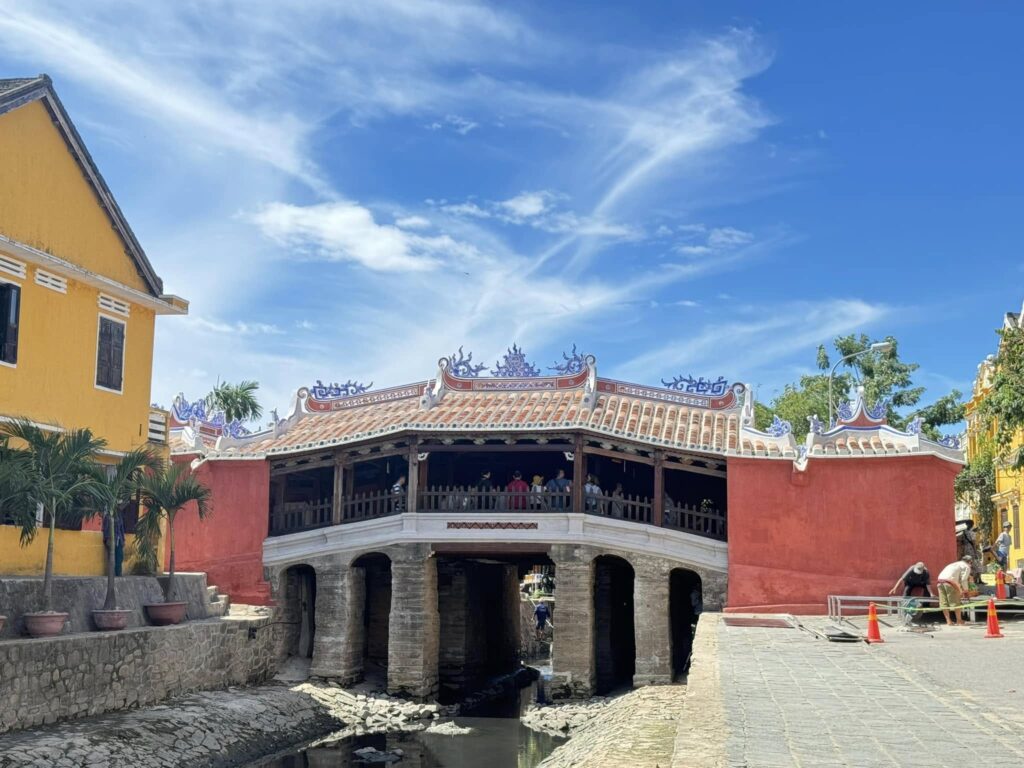
Visitors can easily combine a visit with nearby attractions such as the Japanese Covered Bridge, traditional merchant houses and other historical landmarks.
The communal house is part of Hoi An’s heritage attraction network. Travelers should check the current entrance ticket requirements and visiting hours before arriving.
Why Visit Cam Pho Communal House in Hoi An?
While many travelers are drawn to Hoi An’s colorful lantern streets, historic houses and riverside scenery, Cam Pho Communal House offers an opportunity to explore a different side of the ancient town.
Visitors can discover traditional Vietnamese communal architecture, learn about local religious beliefs and gain insight into the lives of the communities that contributed to Hoi An’s development.
The site also provides an interesting connection between the town’s village traditions and its history as an international trading port.
With its historical significance, distinctive architecture and centuries-old cultural heritage, Cam Pho Communal House is a worthwhile stop for travelers interested in discovering the authentic history and traditions of Hoi An, Vietnam.