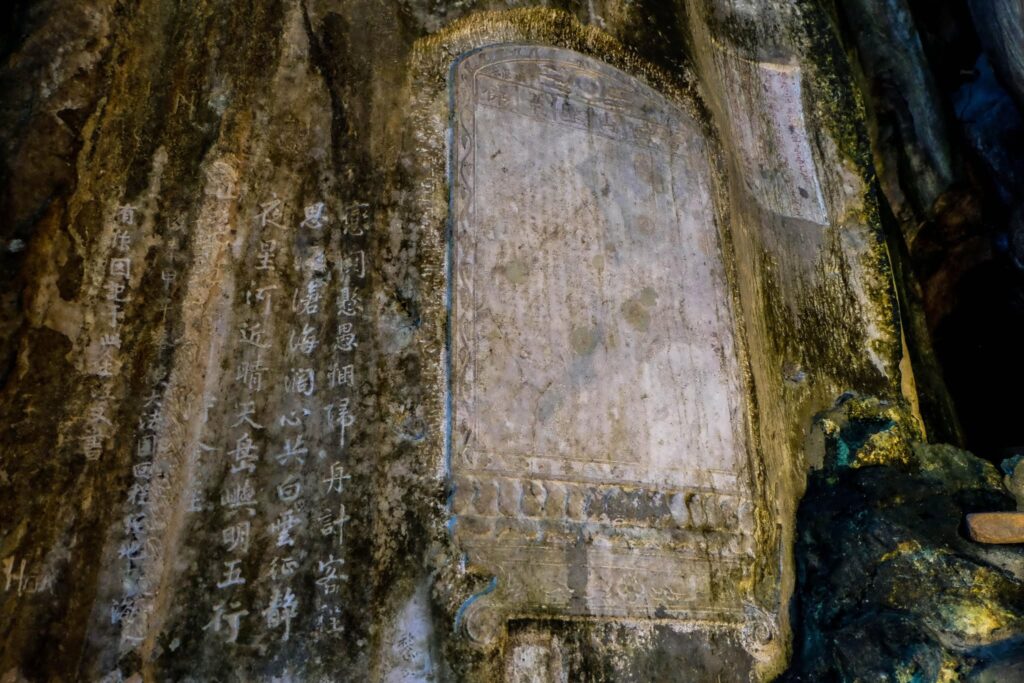
Located in the culturally rich Can Loc region of Ha Tinh Province, Truong Luu Village has long been recognized as an important center of scholarship, literature, and education in north-central Vietnam. Beyond its association with the distinguished Nguyen Huy lineage and Phuc Giang School, the village preserves an exceptional collection of Han-Nom documents that illuminate nearly three centuries of Vietnamese history, from the late 17th century to the mid-20th century.
The collection, officially titled Han-Nom Documents of Truong Luu Village, Ha Tinh (1689–1943), comprises 48 original historical documents, including imperial decrees issued during the Le and Nguyen dynasties, administrative records, and ceremonial congratulatory scrolls.
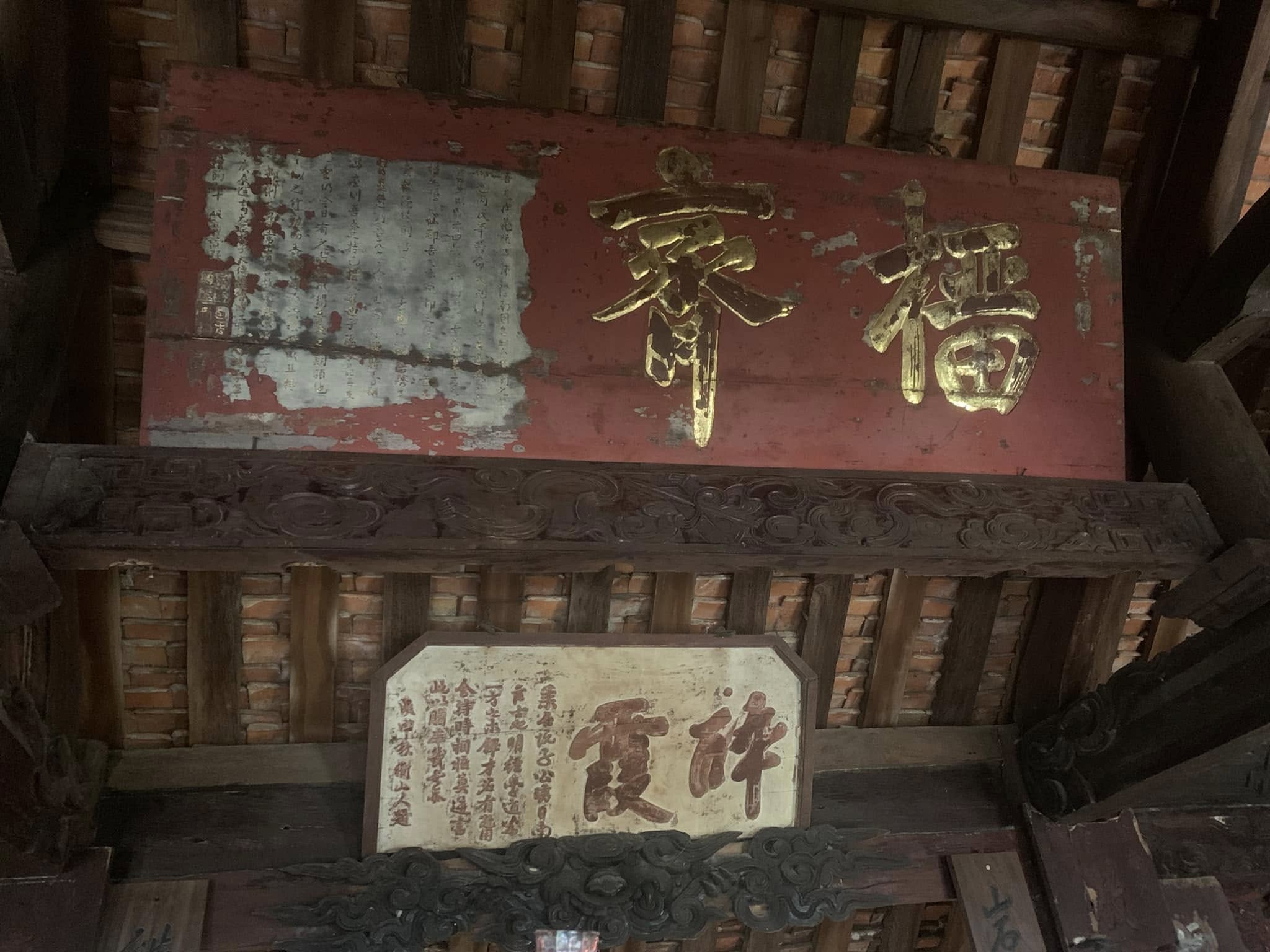
These documents record official appointments, academic achievements, contributions to education, recognition of women, respect for the elderly, and the relationship between the imperial state and local communities. Written in classical Chinese and Vietnamese Nom script on traditional paper, silk, and wood, each document represents a unique historical record preserved through generations.
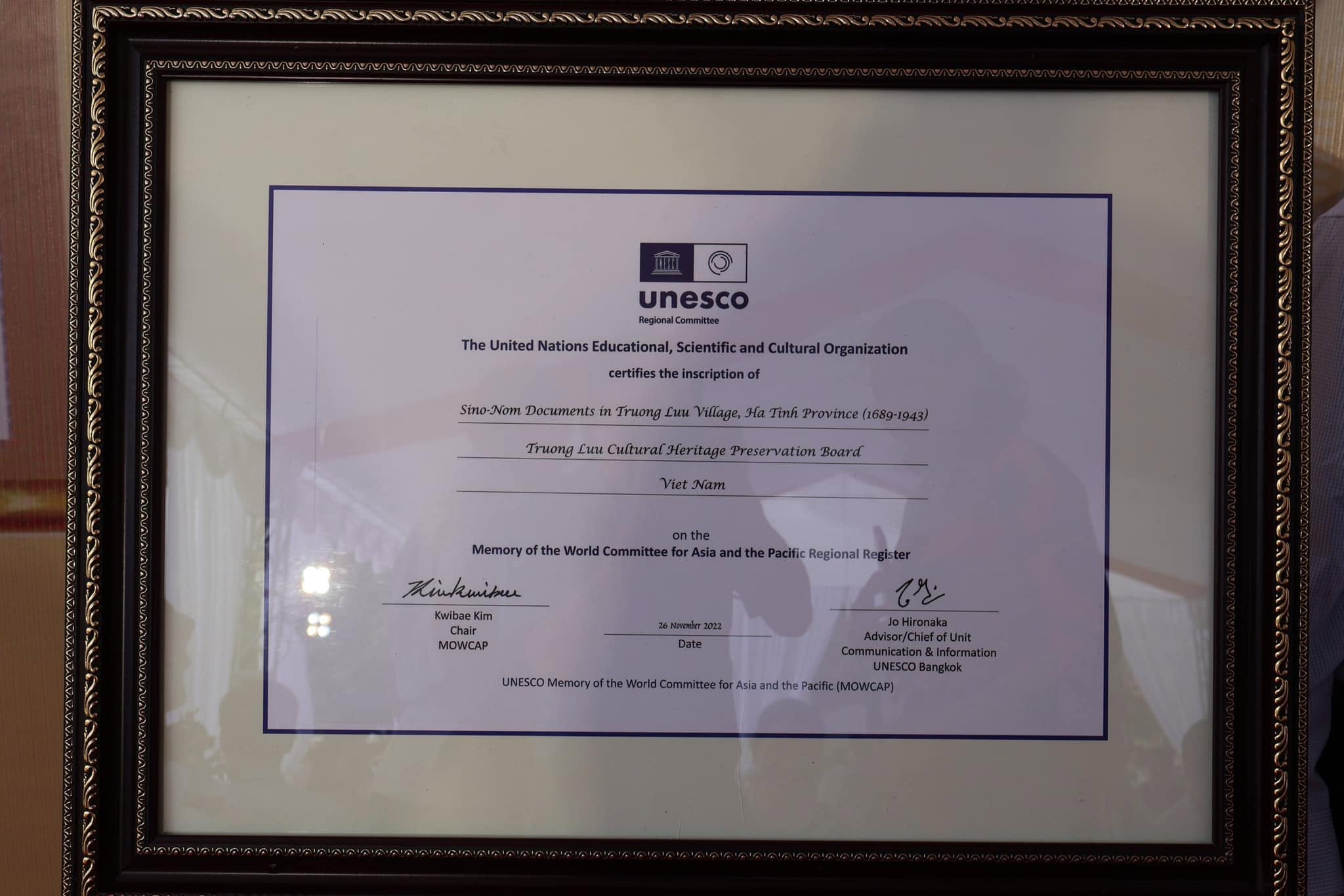
On November 26, 2022, at the 9th General Meeting of the Memory of the World Committee for Asia and the Pacific (MOWCAP) in Andong, South Korea, the Han-Nom Documents of Truong Luu Village, Ha Tinh (1689–1943) were officially inscribed on the UNESCO Memory of the World Asia-Pacific Regional Register.
The recognition highlighted the collection’s outstanding documentary value and further established Truong Luu as an important center of Vietnam’s cultural and intellectual heritage.
Truong Luu Village and the Scholarly Traditions of Ha Tinh
Truong Luu Village lies in the historic Can Loc region of Ha Tinh Province, formerly within Kim Song Truong Commune, Can Loc District.
The village is known for its longstanding educational traditions, scholarly families, and cultural practices that have been maintained over many generations.
Throughout Vietnamese history, Truong Luu has been closely associated with the Nguyen Huy lineage, whose members made significant contributions to literature, education, scholarship, and government service during the Le-Trinh period and the Nguyen Dynasty.
One of its most distinguished figures was Nguyen Huy Oanh, who achieved the prestigious academic title of Tham hoa, traditionally awarded to the third-highest candidate in the imperial examinations.
He held important official positions and made substantial contributions to education in his native region.
Nguyen Huy Oanh was closely associated with Phuc Giang School, an influential educational institution in the Nghe Tinh region during the 18th century.
Other notable members of the Nguyen Huy lineage included Nguyen Huy Cu, Nguyen Huy Quynh, Nguyen Huy Tu, author of the Nom narrative poem Hoa Tien, and Nguyen Huy Ho, author of Mai Dinh Mong Ky.
Their achievements contributed to the development of a distinctive intellectual environment in which learning, literary creativity, and the transmission of knowledge were highly valued.
Within this cultural setting, Han-Nom documents served purposes extending far beyond official administration.
Imperial decrees recognized personal achievements, official titles, and contributions to the state.
Administrative documents recorded communications between government authorities and local residents.
Ceremonial scrolls commemorated academic success, longevity celebrations, promotions, and the contributions of respected individuals.
Over generations, these records were preserved within the local community, particularly by families and lineages associated with Truong Luu, including the Nguyen Huy and Tran Van families.
Their careful preservation allowed many original documents to survive political upheavals, warfare, floods, storms, and the challenging climate of Central Vietnam.
The collection therefore provides valuable evidence of Truong Luu’s role in the history of Vietnamese education, literature, and village culture.
It also illustrates the close relationship between scholarly achievement, family traditions, moral values, and community identity.
The Collection of 48 Han-Nom Documents Dating from 1689 to 1943
According to the documentary heritage registration dossier, the Han-Nom Documents of Truong Luu Village comprise 48 original records dating from 1689 to 1943, spanning the Le-Trinh period and the Nguyen Dynasty.
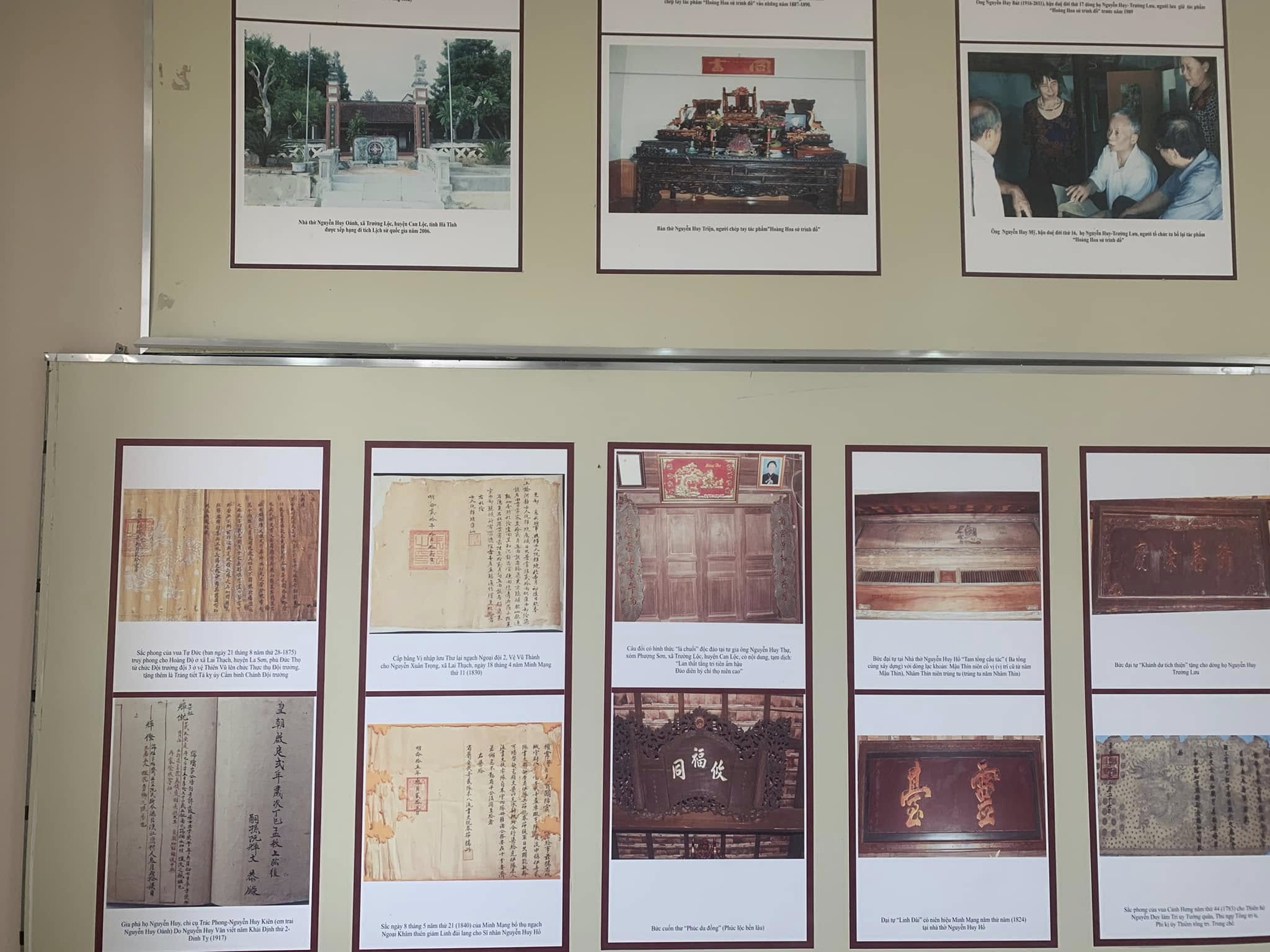
The collection consists of three principal groups: 26 imperial decrees and royal recognition documents, 19 administrative records, and three ceremonial congratulatory scrolls.
The first group contains 26 documents associated with imperial recognition and appointments.
These include 22 decrees from the Le period, two paper decrees from the Nguyen Dynasty, and two wooden documents honoring women during the Nguyen period.
The paper decrees are relatively large, with some Le-period examples measuring approximately 50 × 120 cm and certain Nguyen-period examples measuring around 45 × 120 cm.
They were written in elegant classical Chinese characters on specially prepared traditional do paper, including the distinctive paper used for imperial decrees.
Decorative dragon motifs symbolized royal authority and emphasized the ceremonial importance of the documents.
Each decree generally identifies the issuing emperor, the date of issuance, the recipient, the reason for recognition, and the official position or rank granted.
Many also preserve red imperial seals, including the Sac Menh Chi Bao (敕命之寶), an important feature supporting the identification and authenticity of royal documents.
The two wooden documents honoring women from the Nguyen period measure approximately 45 × 100 cm and feature raised Chinese characters.
These unusual objects provide evidence of the formal recognition of women within the social and institutional framework of imperial Vietnam.
The second group comprises 19 administrative documents dating from 1803 to 1943.
They include official certificates, memorials, copies of administrative records, instructions, and petitions exchanged between government authorities and residents of Truong Luu.
These documents reflect the relationship between different levels of Nguyen Dynasty administration and local communities, including individuals involved in official duties and village affairs.
Most were handwritten in classical Chinese on traditional paper, with dimensions commonly ranging from approximately 40 × 60 cm to 60 × 80 cm.
Many preserve the dates of issuance and official seals of government institutions at provincial or central levels.
The third group consists of three ceremonial silk scrolls measuring approximately 97 × 197 cm, 121.5 × 177 cm, and 70 × 127 cm.
Written in classical Chinese and Nom script, the scrolls feature black lettering on white or yellow silk.
Their contents relate to congratulations, recognition of achievements, longevity celebrations, and other significant events in community life.
In addition to the 48 documents included in the UNESCO regional registration dossier, Truong Luu Village preserves other Han-Nom materials associated with family traditions, education, community ceremonies, and local cultural activities.
The diversity of these records makes the collection particularly valuable for understanding the relationship between the imperial court, government institutions, families, and village society over nearly three centuries.
Historical and Educational Values and the Recognition of Women
One of the most significant characteristics of the Han-Nom Documents of Truong Luu Village is their value as original evidence of government administration, education, imperial examinations, and social relationships in premodern Vietnam.
The imperial decrees and administrative records were created for practical purposes and generally contain specific dates, issuing authorities, recipients, and official decisions.
They therefore allow researchers to examine how documents were prepared, issued, transmitted, and processed within the administrative systems of the Le and Nguyen dynasties.
The surviving seals also provide information about the authority of emperors and government institutions.
They offer valuable evidence concerning official titles, administrative procedures, and the ceremonial practices associated with appointments and recognition.
However, the collection’s importance extends well beyond administrative history.
Many documents celebrate academic achievement, educational contributions, and service to the community, reflecting the high value placed on learning in traditional Vietnamese society.
Some records show that when a son achieved success in the imperial examinations, his father could also receive recognition.
Individuals who contributed to the education of students or the establishment and development of schools were honored by the community and, in certain circumstances, by the imperial authorities.
Other documents reflect recognition granted to those associated with educational institutions, privileges extended to students, and traditional efforts to encourage learning.
These records demonstrate that academic success in Truong Luu was regarded not merely as a personal achievement but also as a source of pride for families, lineages, and the wider community.
The collection is particularly significant for research into women’s historical roles and social recognition.
According to the registration materials, six of the 48 documents concern the recognition of women, including five decrees or recognition documents and one ceremonial scroll.
These records acknowledge women’s contributions, virtues, and responsibilities within families and society.
They provide valuable evidence of how women could be formally honored within the cultural and institutional conventions of the period.
Such documents contribute to historical research on gender, family relationships, and the position of women in Vietnamese society under the monarchy.
The collection also includes ceremonial scrolls celebrating longevity, reflecting the traditional importance of respect for older people.
Records associated with examination success, educational contributions, and longevity celebrations illustrate the moral values maintained by the Truong Luu community over generations.
For cultural historians, the documents provide information about customs, ceremonies, family traditions, social relationships, and forms of communication between different social groups.
For linguists and scholars of historical documents, they offer original materials for studying classical Chinese, Nom script, administrative terminology, writing conventions, and traditional calligraphy.
The combination of official administrative records and community cultural documents gives the Truong Luu collection a distinctive place within Vietnam’s documentary heritage.
Originality and the Traditional Art of Han-Nom Document Production
The Han-Nom Documents of Truong Luu Village are particularly valuable for their originality, authenticity, and the diversity of the materials on which they were created.
Most were handwritten or manually engraved for specific purposes rather than produced as standardized copies.
Each imperial decree, administrative certificate, and ceremonial scroll is associated with a particular individual, event, or official decision.
The imperial decrees frequently feature dragon motifs and decorative patterns symbolizing royal authority.
Their specially prepared paper, elegant black calligraphy, and red seals create a formal visual composition reflecting the artistic and ceremonial conventions of the imperial court.
Some documents incorporate yellow paper or decorative features associated with royal administration, providing evidence of changing aesthetic practices across historical periods.
Administrative documents generally follow clearly defined layouts, recording dates, official responsibilities, decisions, and institutional seals.
They allow researchers to study both historical content and the organization of documentary procedures under the monarchy.
The ceremonial scrolls, meanwhile, combine silk materials with calligraphic artistry to create objects appropriate for honoring achievements, celebrating longevity, or commemorating important occasions.
Their inscriptions demonstrate the skill of the writers and the cultural importance of Chinese characters and Nom script in administrative, literary, and ceremonial life.
The collection also provides evidence of traditional Vietnamese craftsmanship, including do paper production, imperial decree paper preparation, wood engraving, silk writing, and seal-making techniques.
The seals of emperors and administrative authorities are especially important in establishing the origin and authenticity of the documents.
Despite their age, many records retain their essential contents, although some have suffered minor deterioration, missing characters, or physical damage caused by time, natural disasters, and historical conflicts.
Their uniqueness makes conservation particularly important.
If an original document is lost or seriously damaged, its physical characteristics and some of its historical information may be impossible to recover completely.
The collection’s value therefore lies not only in the words recorded on each document but also in the paper, silk, wood, calligraphy, seals, and craftsmanship that have survived for centuries.
Each item is both a historical record and an example of traditional Vietnamese documentary art.
UNESCO Memory of the World Recognition and Heritage Preservation in Truong Luu
On November 26, 2022, at the 9th General Meeting of the Memory of the World Committee for Asia and the Pacific (MOWCAP), held in Andong, South Korea, “Han-Nom Documents of Truong Luu Village, Ha Tinh (1689–1943)” was officially inscribed on the UNESCO Memory of the World Asia-Pacific Regional Register.
The recognition acknowledged the collection’s historical importance, authenticity, originality, and contribution to understanding the cultural and educational traditions of the region.
It also marked another significant milestone for Truong Luu, a village already associated with two internationally recognized documentary heritage collections.
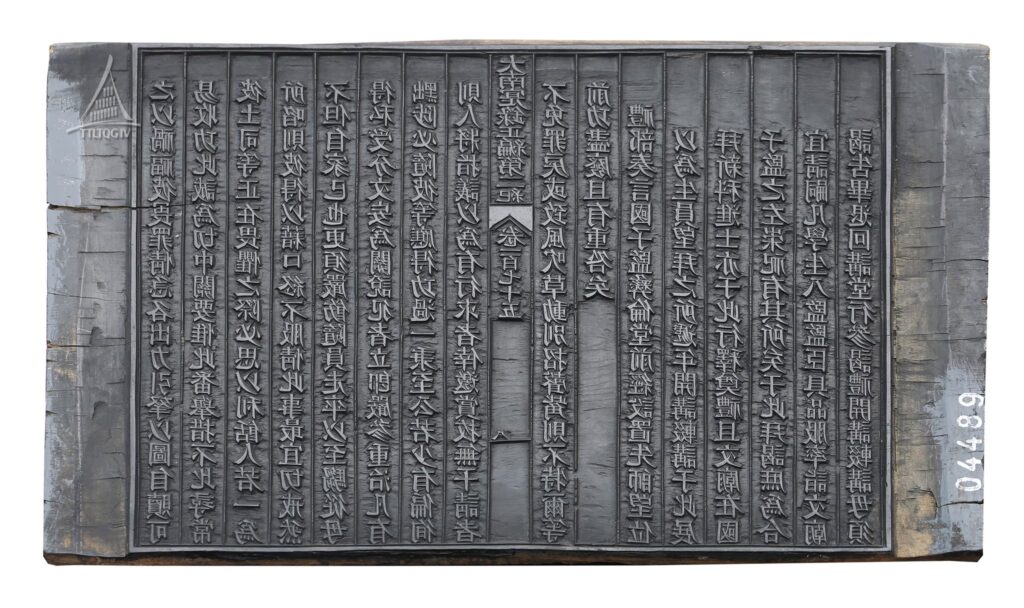
In 2016, the Phuc Giang School Woodblocks were inscribed on the Memory of the World Asia-Pacific Regional Register.
These woodblocks preserve important evidence of traditional education, printing, and the transmission of scholarly knowledge in Vietnam.
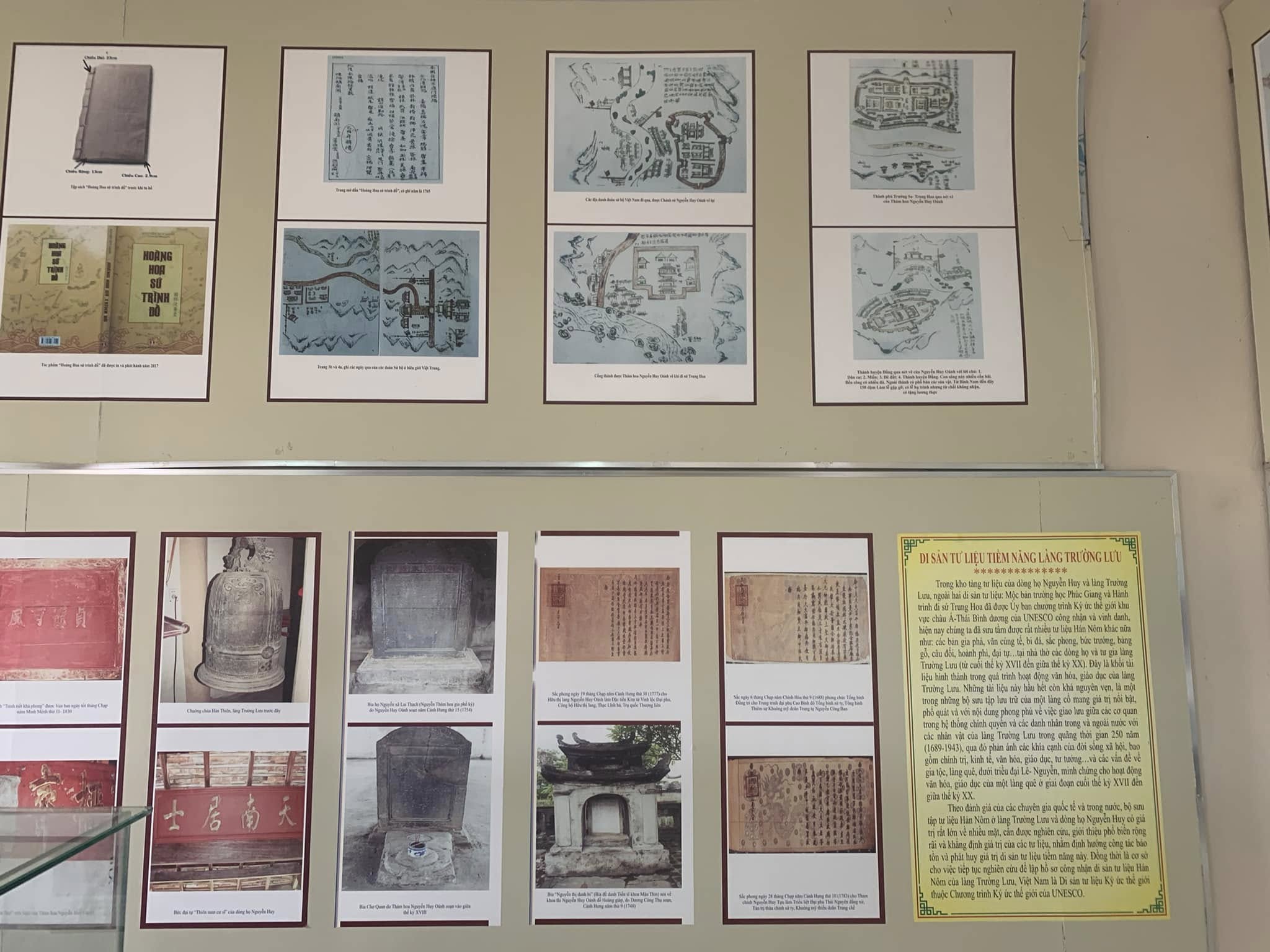
In 2018, Hoang Hoa Su Trinh Do, a historical illustrated account associated with diplomatic journeys and the intellectual traditions of the Nguyen Huy lineage, was also recognized at the regional level.
With the registration of the Han-Nom Documents in 2022, Truong Luu became a remarkable cultural community associated with three documentary heritage collections recognized under UNESCO’s Memory of the World Programme in the Asia-Pacific region.
Together, these collections reflect different aspects of Truong Luu’s intellectual heritage: education and the printing of scholarly texts, geographical and diplomatic knowledge, and the administrative and social history preserved in original documents.
Their common foundation lies in the village’s longstanding respect for learning and the commitment of local families to preserving cultural records.
In Truong Luu, the Han-Nom documents are not regarded solely as historical artifacts.
They also remain connected to the spiritual and cultural life of the community.
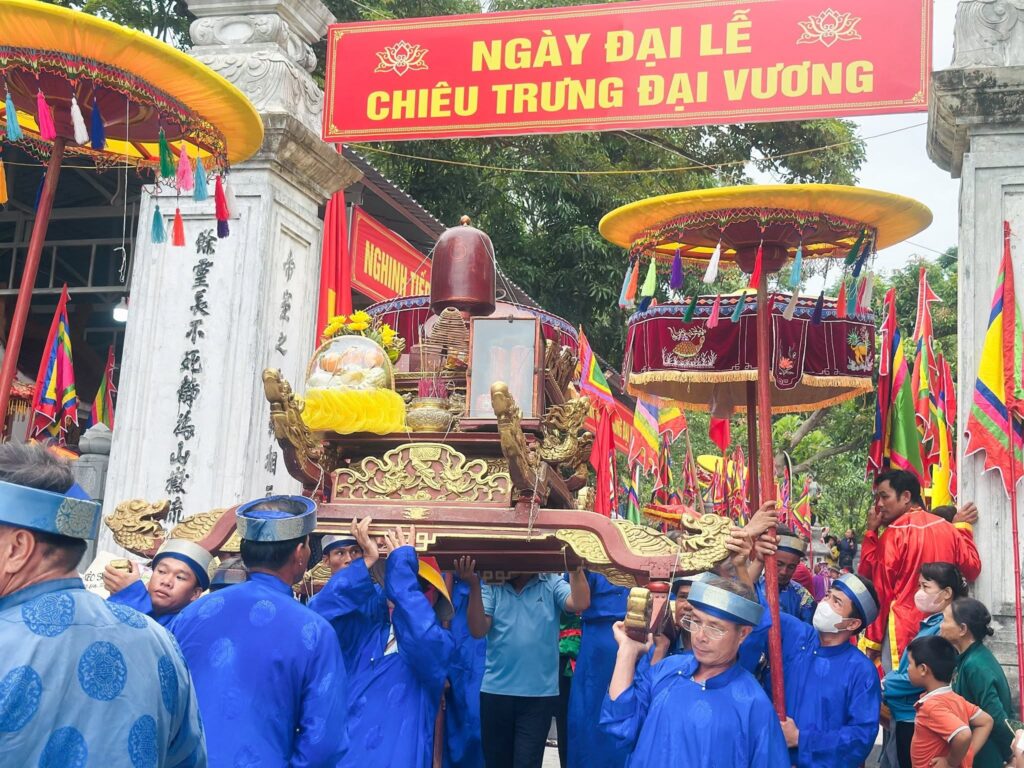
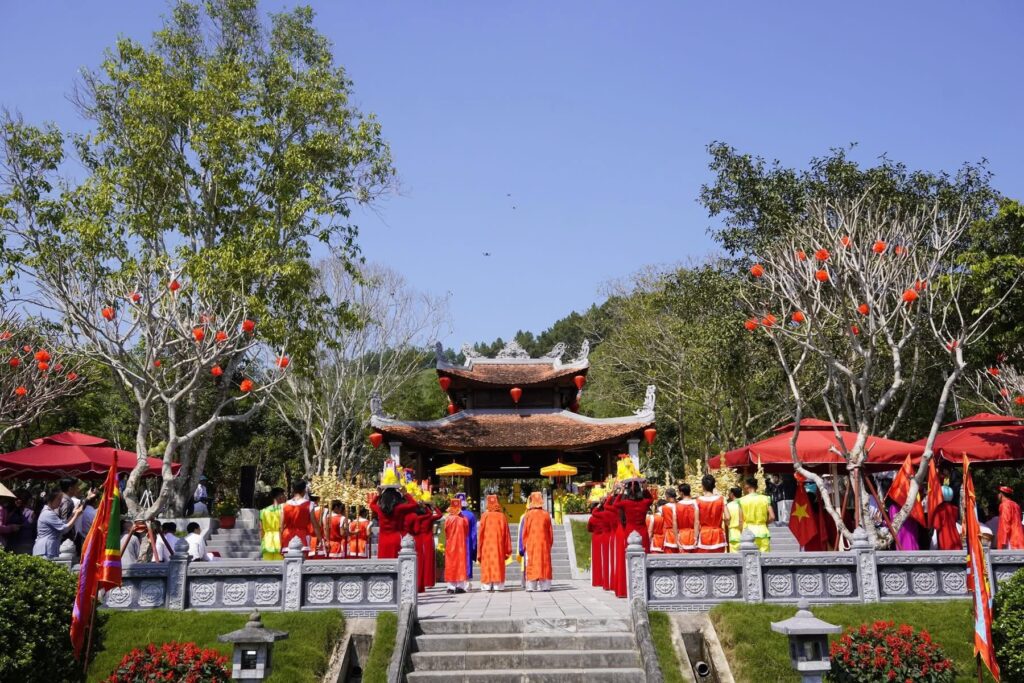
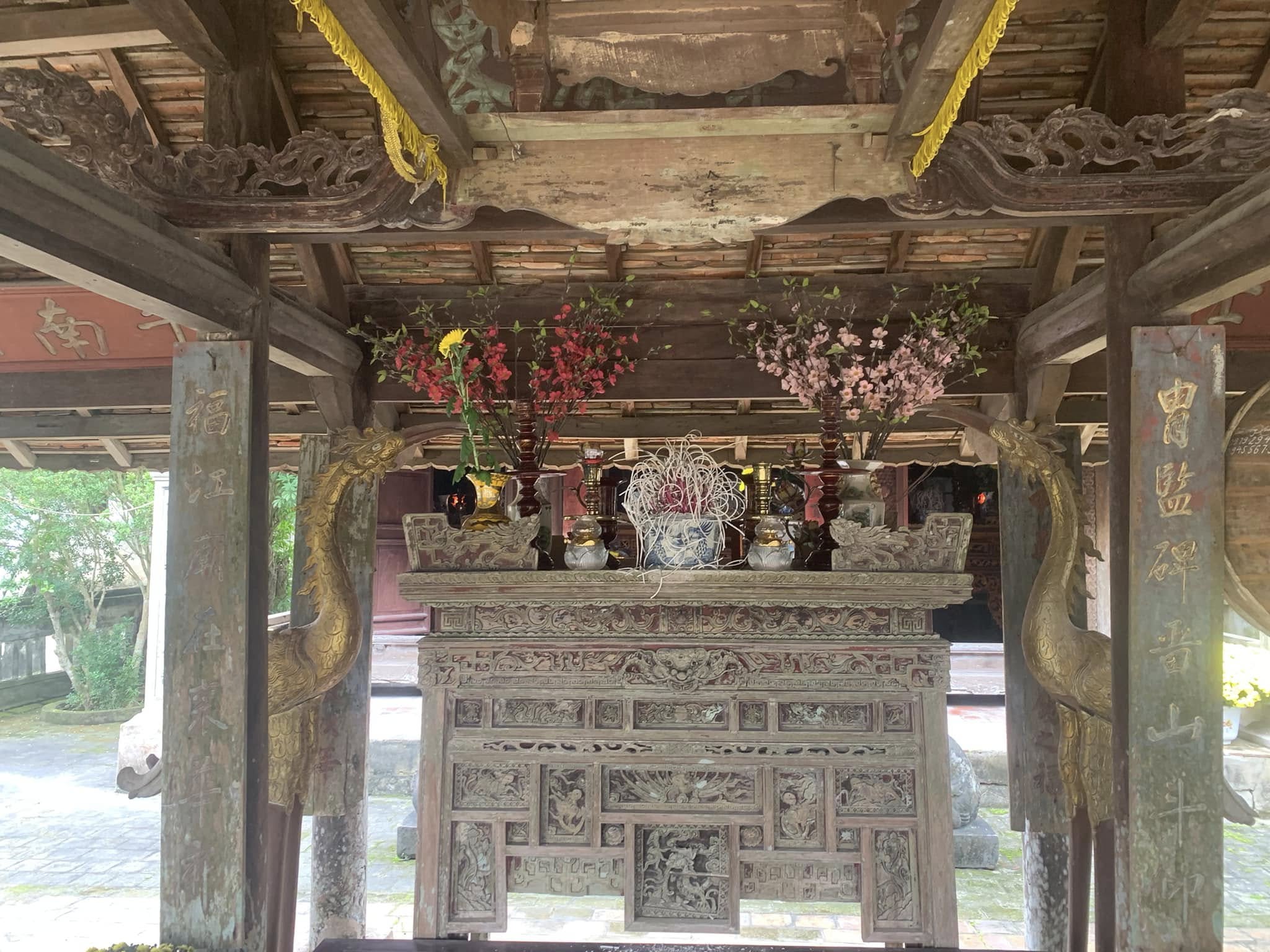
Each year, villagers observe the Ky Phuc ceremony on the 13th day of the sixth lunar month, honoring ancestral figures, respected individuals, and those who contributed to the community.
Commemorative ceremonies associated with Phuc Giang School and the village’s scholarly traditions help preserve collective memory and encourage younger generations to appreciate education and respect for teachers.
Truong Luu has also attracted researchers, cultural specialists, and visitors from Vietnam and abroad who are interested in its documentary heritage.
Nevertheless, preserving the collection presents significant challenges because many documents are made from materials vulnerable to environmental deterioration.
Traditional paper, silk, and wood can be damaged by excessive humidity, temperature fluctuations, insects, light exposure, and improper handling.
Appropriate storage conditions are therefore essential for their long-term preservation.
Alongside physical conservation, high-quality photography, digitization, transcription, translation, and database development are important measures for safeguarding the information contained in the documents.
Scholarly research and publication can further illuminate their historical, educational, literary, and cultural significance.
From a cultural tourism perspective, Truong Luu has the potential to become a meaningful destination for visitors interested in Vietnam’s imperial examination system, Han-Nom literature, and documentary heritage.
Interpretation and visitor experiences should, however, be designed around the conservation requirements of the original materials.
Digital displays, high-quality reproductions, exhibitions, and guided explanations can introduce the collection without exposing fragile historical documents to unnecessary handling or environmental risks.
From imperial decrees honoring scholars and officials to ceremonial scrolls recognizing women and elderly community members, the Han-Nom Documents of Truong Luu Village preserve a system of cultural values in which education, morality, family relationships, and community responsibility held central importance.
Safeguarded across nearly three centuries, the collection represents not only the historical memory of a village in Ha Tinh but also an important source of evidence for understanding Vietnamese society.
Its recognition in 2022 reaffirmed Truong Luu’s exceptional position as a place where scholarly traditions and the preservation of historical knowledge continue to connect the past with the present.
Basic Information
| Item | Details |
|---|---|
| Heritage name | Han-Nom Documents of Truong Luu Village, Ha Tinh (1689–1943) |
| Location | Truong Luu Village, Ha Tinh Province, Vietnam |
| Former administrative location | Kim Song Truong Commune, Can Loc District, Ha Tinh Province |
| Historical period | 1689–1943 |
| Number of documents | 48 |
| Collection components | 26 imperial decrees and recognition documents, 19 administrative records, and 3 ceremonial scrolls |
| Writing systems | Classical Chinese and Vietnamese Nom script |
| Materials | Traditional do paper, imperial decree paper, wood, and silk |
| Historical dynasties | Le-Trinh period and Nguyen Dynasty |
| Custodians | Local families and lineages in Truong Luu Village |
| Notable lineages | Nguyen Huy and Tran Van |
| Outstanding values | Administrative history, education, imperial examinations, women’s recognition, respect for the elderly, and village culture |
| Related documentary heritage | Phuc Giang School Woodblocks; Hoang Hoa Su Trinh Do |
| Recognition | UNESCO Memory of the World Asia-Pacific Regional Register |
| Recognizing body | Memory of the World Committee for Asia and the Pacific (MOWCAP) |
| Recognition date | November 26, 2022 |
| Recognition location | Andong, South Korea |