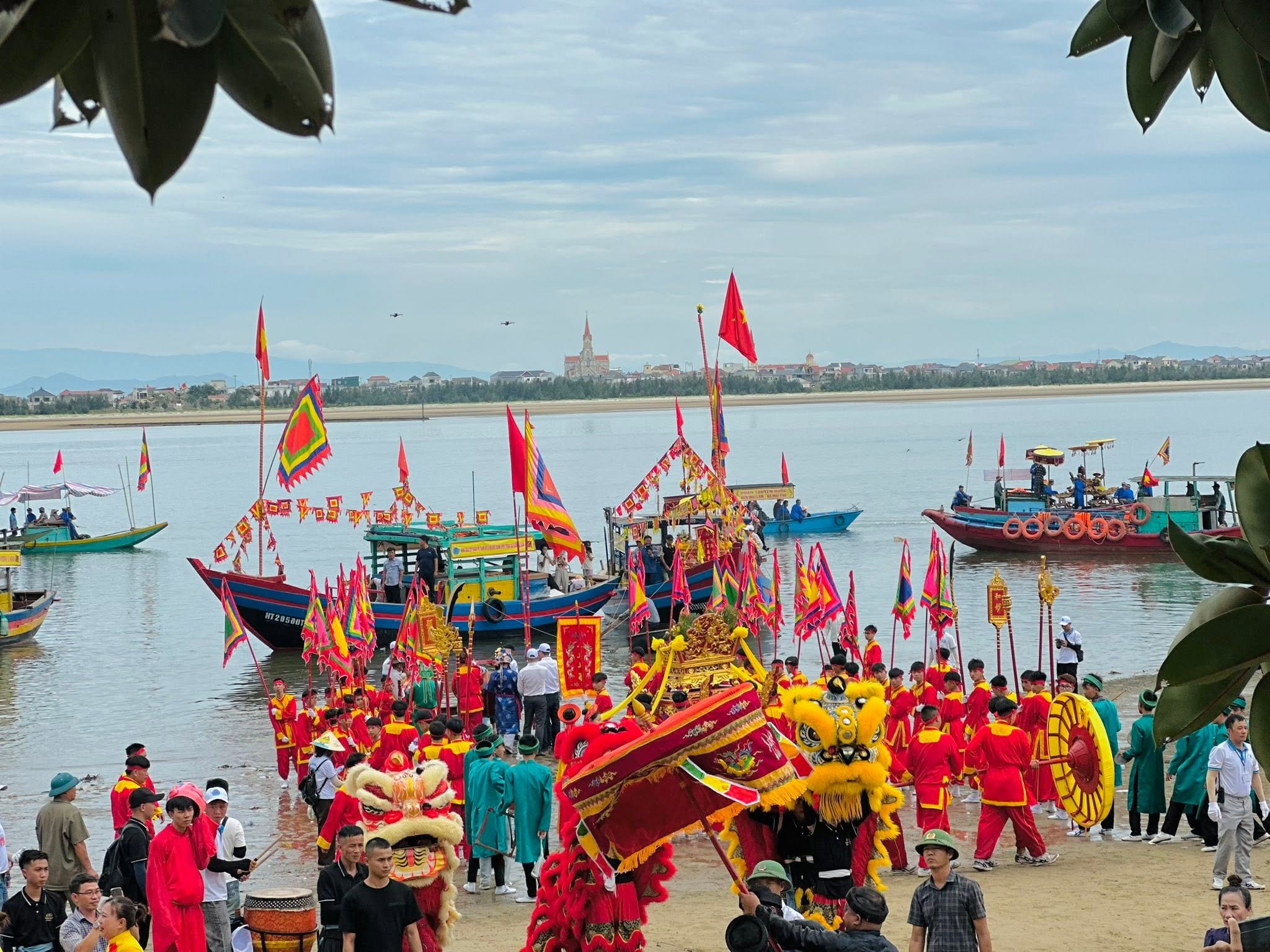
Every year, from the first to the third day of the fifth lunar month, people living around Cua Sot and many villages across Ha Tinh Province solemnly organize the Festival of Chieu Trung Great King Le Khoi Temple to commemorate the death anniversary of General Le Khoi, a distinguished military commander who made significant contributions to the resistance against the Ming invaders and to the protection and stabilization of the southern territories of Dai Viet.
After nearly 600 years, the death anniversary of Chieu Trung Great King has become more than a traditional folk religious practice. It has developed into an important cultural festival deeply rooted in the spiritual life of many communities in Ha Tinh. The festival reflects the Vietnamese tradition of remembering one’s roots and honoring past generations, while preserving historical and cultural values passed down through generations.
General Le Khoi and the Origins of the Festival
Le Khoi (?–1446), posthumously honored as Chieu Trung Great King, was originally from Tho Xuan in Thanh Hoa Province. He was the son of Le Tru, the elder brother of King Le Loi, and one of the prominent generals of the Lam Son insurgent army.
During the Lam Son uprising and the resistance against the Ming invasion, Le Khoi achieved numerous military victories and made important contributions to the struggle for national independence. After the country regained independence, he continued to contribute to the expansion, protection, and stabilization of the southern territories of Dai Viet.
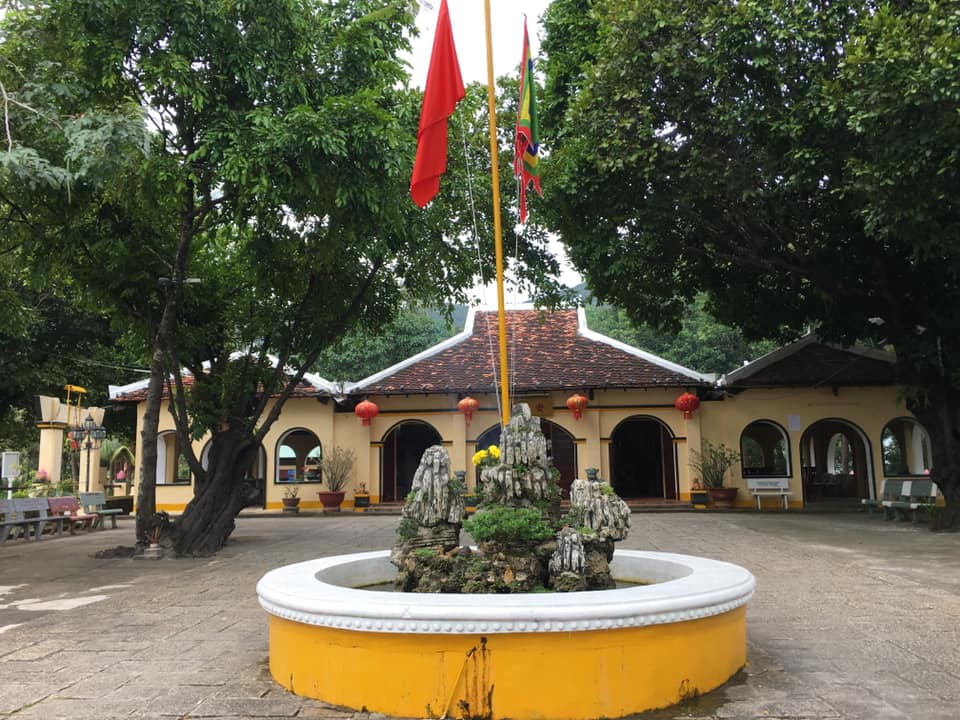
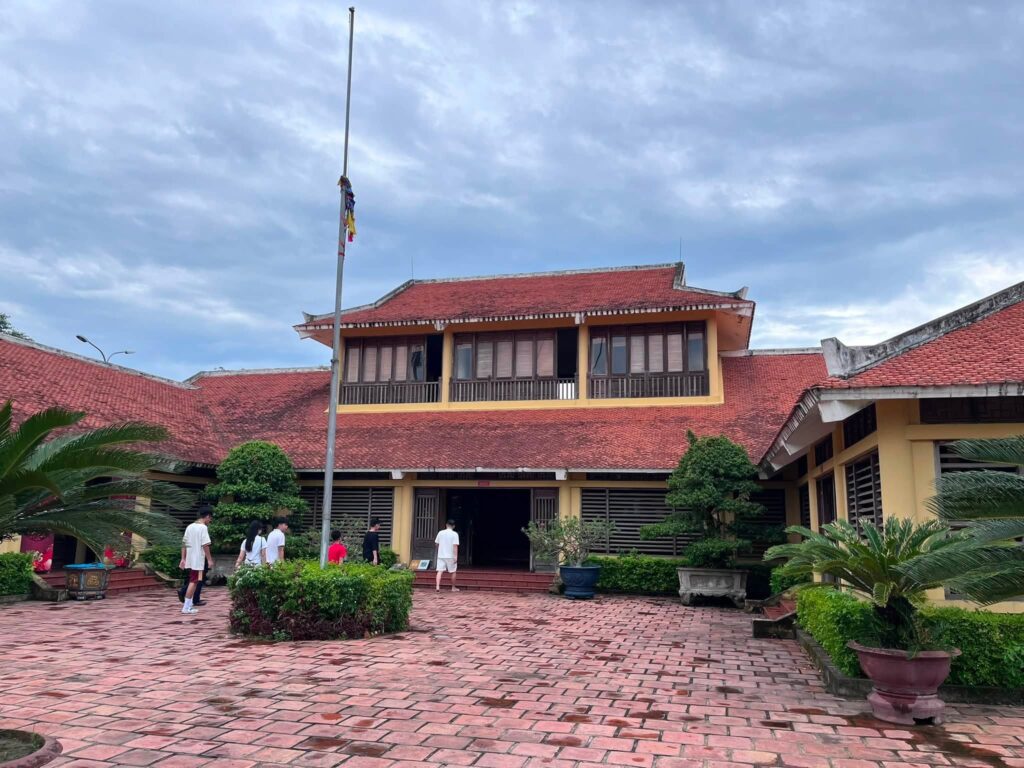
In 1446, after completing a military campaign in the south, Le Khoi fell seriously ill and died at the foot of Nam Gioi Mountain, now located in Thach Khe Commune, Ha Tinh Province, while returning to the royal capital. In recognition of his great contributions, the royal court ordered the construction of a temple in his honor at the place of his death. People in many other localities also established subsidiary temples to worship and commemorate him.
Since then, the death anniversary of Chieu Trung Great King has been maintained through successive generations. Ceremonial offerings, palanquin processions, incense offerings, and community cultural activities gradually formed a traditional festival with enduring vitality in the cultural life of Ha Tinh.
In 2017, the Le Khoi Temple Festival was officially included in the National Intangible Cultural Heritage List by the Ministry of Culture, Sports and Tourism under Decision No. 2459/QD-BVHTTDL dated June 20, 2017.
Festival Space and Commemorative Activities
The festival takes place at the main temple located at the foot of Nam Gioi Mountain, as well as at subsidiary temples in various localities throughout Ha Tinh. Several days before the festival, local residents actively clean and decorate the temple grounds, raise festival flags, prepare offerings and palanquins, and organize the necessary arrangements for the ceremonies.
The festival generally lasts from the first to the third day of the fifth lunar month, with the main day featuring the most important rituals and attracting large numbers of local residents, descendants of traditional families, and visitors from other areas.
Typical activities include:
- Ceremonial offerings and worship rituals dedicated to Chieu Trung Great King.
- Incense-offering ceremonies commemorating General Le Khoi.
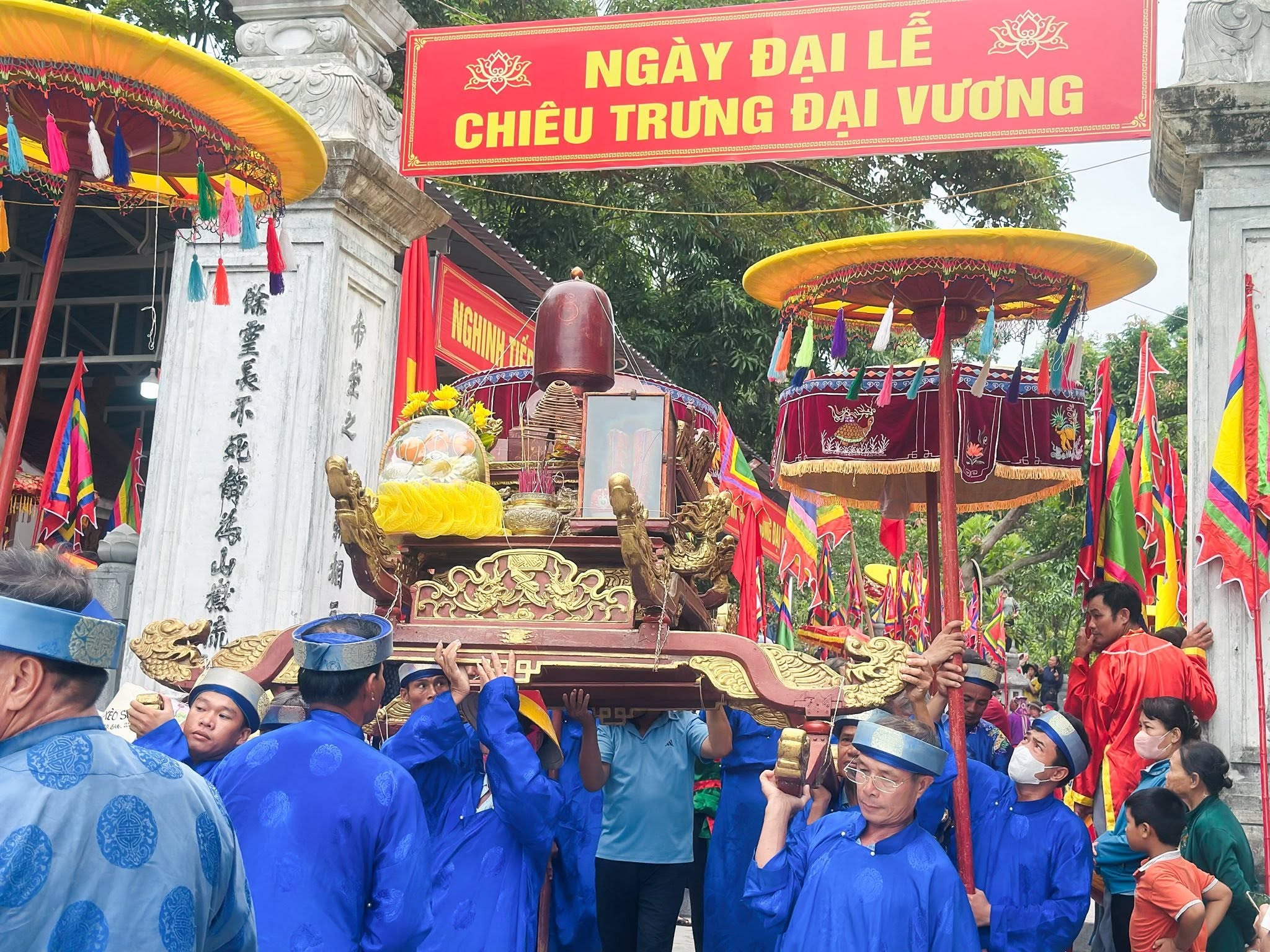
- Palanquin processions and the transportation of offerings from subsidiary temples to the main temple.
- Commemorative rituals held at the main temple and affiliated worship sites.
- Traditional folk cultural activities and community gatherings.
In many localities, preparations begin several weeks before the official festival dates. Residents work together to carry palanquins, hold procession flags, participate in ceremonial marches, prepare offerings, and support the rituals. These seemingly simple tasks demonstrate the strong sense of community and the pride people feel when contributing to their local festival.
At Mai Lam Temple in Mai Phu Commune, participation in the death anniversary of the revered General Le Khoi has become an important part of the cultural life of many families and lineages. Local residents traditionally recount that the temple was established to commemorate the place where the general stopped during the final days of his life before continuing toward the Nam Gioi Mountain area.
For many people, taking part in the festival is not merely a community responsibility. It is also an opportunity for family members of different generations to return to their homeland and teach younger generations about local history and the contributions of their ancestors.
The Worship of Chieu Trung Great King in Local Communities
The worship of Chieu Trung Great King is not limited to the coastal area around Cua Sot, which is associated with legends about the final days of his life. It has also spread to many villages along the La River and other parts of Ha Tinh.
In localities such as Thach Khe, Loc Ha, Viet Xuyen, Dong Tien, Mai Phu, and Duc Quang, numerous temples have been established to commemorate Le Khoi. Each place preserves its own stories and local traditions, yet all share a common reverence for a military commander who made significant contributions to the nation and its people.
Along the La River, local residents worship Le Khoi not only as a historical figure but also as a sacred protector believed to bring peace, prosperity, favorable harvests, and stability to the community. According to local traditions, General Le Khoi helped people in various riverside areas reclaim land, establish settlements, and stabilize their livelihoods.
At Chieu Trung Temple in Duc Quang Commune, the annual death anniversary is held with great solemnity. Although the temple is located far from the main temple at the foot of Nam Gioi Mountain, local residents continue to organize a procession carrying offerings to the main temple on the principal commemorative day. This practice demonstrates the connection between different worshipping communities and the shared nature of the tradition honoring Chieu Trung Great King.
The festival also attracts participants from many generations, including large numbers of young people and those who work far from home but make an effort to return. This continuity shows that the worship of Le Khoi remains not only a temple-based religious practice but also an important expression of local cultural identity.
Historical and Cultural Values
The Festival of Chieu Trung Great King Le Khoi is a distinctive expression of the Vietnamese tradition of worshipping historical figures and national heroes who made important contributions to the country. It commemorates a prominent general of the Later Le Dynasty while reflecting how communities in Ha Tinh preserve history through legends, rituals, sacred spaces, and traditional cultural activities.
Nearly six centuries after Le Khoi’s death, memories of his contributions remain deeply embedded in the spiritual life of local communities. The temples dedicated to him have become important cultural and religious sites where people gather, practice traditional beliefs, educate younger generations, and pass down historical stories.
The festival is also an opportunity to foster pride in one’s homeland, strengthen patriotic sentiment, and encourage respect for the contributions of previous generations. Through palanquin processions, worship rituals, incense offerings, and community activities, history is not only remembered through oral accounts but also recreated vividly in contemporary cultural life.
From the coastal area of Cua Sot to the villages along the La River, the worship of Chieu Trung Great King Le Khoi has become a cultural bond connecting communities. It represents the enduring Vietnamese values of remembering one’s origins and honoring those who came before, while expressing the solidarity and collective commitment of the people of Ha Tinh to preserving their cultural heritage.
The Le Khoi Temple Festival is more than a religious observance. It is a meeting point between the past and the present, an occasion for people to return to their roots and remember those who contributed to the defense of the nation throughout history. At the same time, it helps nurture historical awareness, cultural identity, and patriotic values, especially among younger generations.
Heritage Information
- Name of heritage: Chieu Trung Temple Festival
- Other names: Festival of Chieu Trung Great King Le Khoi, Le Khoi Temple Festival
- Type: Traditional festival
- Location: Chieu Trung Temple at the foot of Nam Gioi Mountain, Thach Khe Commune, Ha Tinh Province, and subsidiary temples in various localities across Ha Tinh
- Time of organization: From the first to the third day of the fifth lunar month every year
- Worshipped figure: Chieu Trung Great King Le Khoi
- Main activities: Ceremonial offerings, worship rituals, incense offerings, palanquin processions, transportation of offerings, traditional folk activities, and community gatherings
- Outstanding values: Historical, religious, cultural, community, educational, and commemorative values
- Recognition document: Decision No. 2459/QD-BVHTTDL dated June 20, 2017