

Hoai River in Hoi An is a branch of the Thu Bon River system, flowing through the historic center of Hoi An in Da Nang, Vietnam. Closely connected to the development of the ancient trading port, the river has become one of the most recognizable symbols of Hoi An.
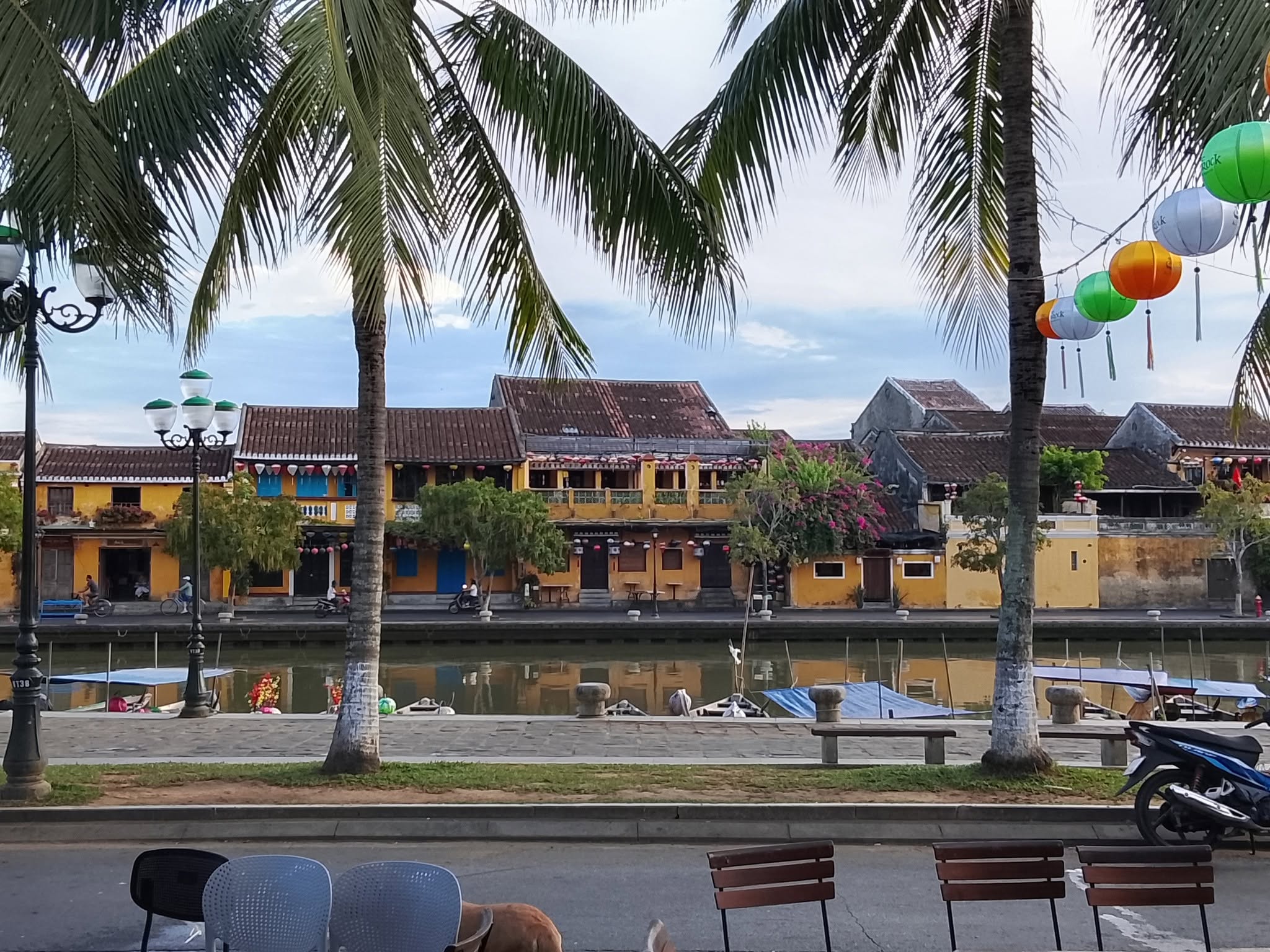
With its traditional yellow-walled houses, wooden boats, colorful lanterns and floating candles, the Hoai River offers visitors a peaceful and picturesque setting that reflects the unique charm of Hoi An Ancient Town.
Whether you enjoy a relaxing boat ride, explore the riverside streets or watch the lanterns illuminate the water at night, the Hoai River is an essential part of the Hoi An travel experience.
Location and Geography of the Hoai River
The Hoai River is a distributary of the lower Thu Bon River system, winding through Hoi An before reconnecting with waterways that eventually flow into the sea near Cua Dai.
The most famous section of the river runs alongside Bach Dang Street, in the heart of Hoi An Ancient Town.
This area is particularly popular with travelers because of its traditional architecture, riverside restaurants, walking streets and boat activities.
The two riverbanks offer different experiences:
- Northern Bank: Bach Dang Street is lined with historic yellow houses, traditional tiled roofs, cafés, restaurants and boat landing areas.
- Southern Bank: The An Hoi area features pedestrian streets, night markets, restaurants and lively evening entertainment.
The Hoai River is influenced by tidal movements and seasonal water levels within the Thu Bon River system.
During the dry season, the water is often relatively calm, making it suitable for sightseeing and traditional boat rides.
However, during Central Vietnam’s rainy and flood season, particularly toward the end of the year, water levels can rise significantly and cause flooding in low-lying streets near the river.
The Hoai River and the History of Hoi An Trading Port
The Hoai River played an important role in the historical development of Hoi An, especially during the town’s prosperous trading period between the 16th and 18th centuries.
At that time, Hoi An was one of the most important international trading ports in southern Vietnam, attracting merchants from Japan, China and several other countries.
The waterways connected to the Thu Bon River provided essential transportation routes for goods, agricultural products and handicrafts.
Boats carried merchandise between the port, surrounding villages and inland communities, contributing to the commercial growth of Hoi An.
Over time, changes in river channels, sediment accumulation and shifting international trade routes contributed to the decline of Hoi An’s importance as a major commercial port.
Today, although the Hoai River no longer serves the same international trading function, it remains an important part of the town’s cultural identity and tourism landscape.
The Meaning of Hoai River and Hoai Pho
The name Hoai River is closely associated with the history and cultural memory of Hoi An.
In Vietnamese cultural interpretations, the word Hoai is often connected with remembrance, nostalgia and emotional attachment to a place.
Hoi An is also poetically referred to as Hoai Pho, a name frequently found in literature, music and travel writing.
Some historical theories suggest that the name Faifo, which was used by Western merchants to refer to Hoi An, may have developed from local place names or pronunciations associated with Hoai Pho.
Although the exact origin of the name remains a subject of historical interpretation, Hoai Pho continues to evoke the nostalgic atmosphere of Hoi An Ancient Town.
Famous Attractions Along the Hoai River
Japanese Covered Bridge
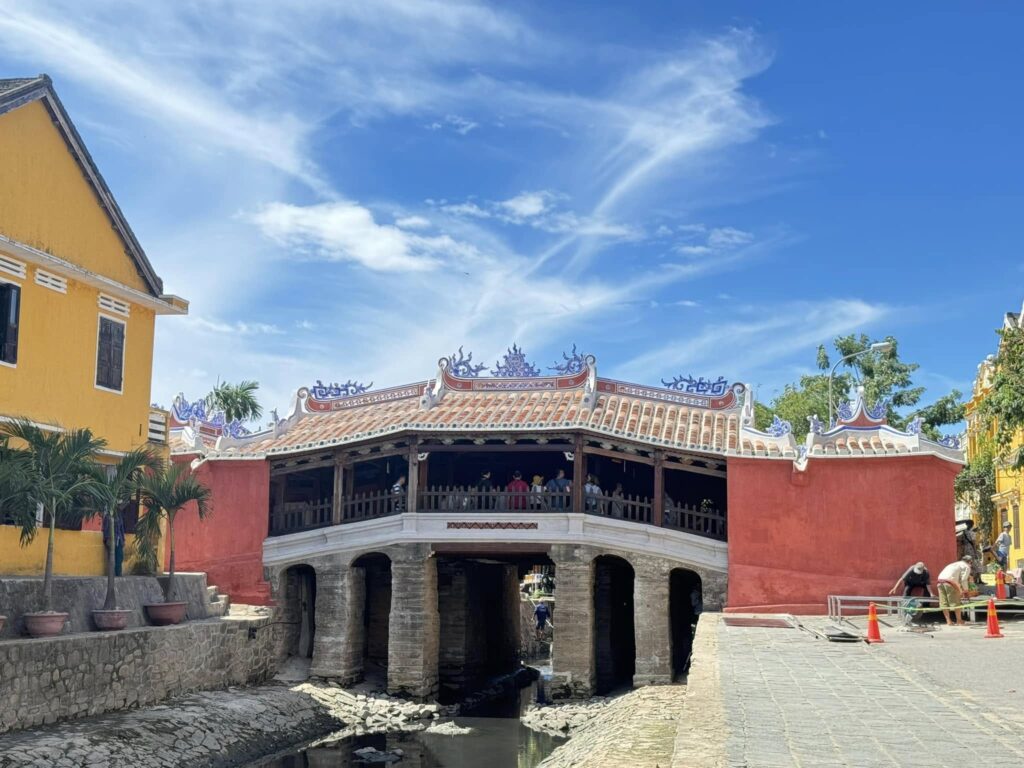
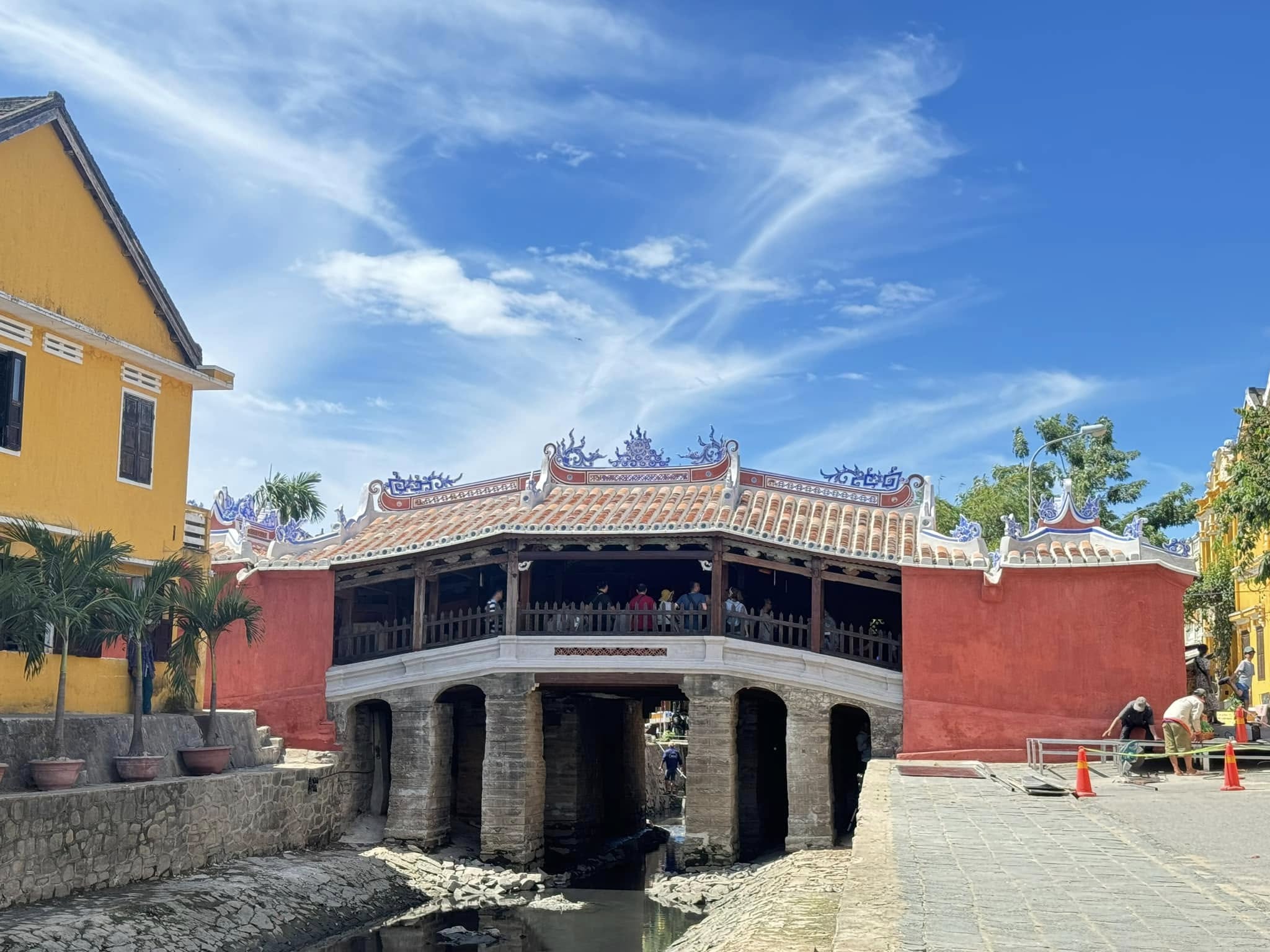
The Japanese Covered Bridge, commonly known as Chua Cau, is one of Hoi An’s most famous historical landmarks.
Located near the Hoai River, the bridge reflects the cultural exchange between Vietnamese, Japanese and Chinese communities during the town’s trading history.
It is an essential stop for visitors exploring the ancient town.
An Hoi Bridge
An Hoi Bridge connects the historic center of Hoi An with the lively An Hoi area across the river.
From the bridge, visitors can admire wooden boats, traditional riverside buildings and the colorful lights that illuminate the town after sunset.
It is also a popular location for photography and evening sightseeing.
An Hoi Night Market
Located across the river from the ancient town, An Hoi Night Market is a lively destination for shopping, street food and evening entertainment.
Visitors can browse handicrafts, souvenirs, lanterns and local products while enjoying the vibrant atmosphere of Hoi An after dark.
Hoi An Memories Land
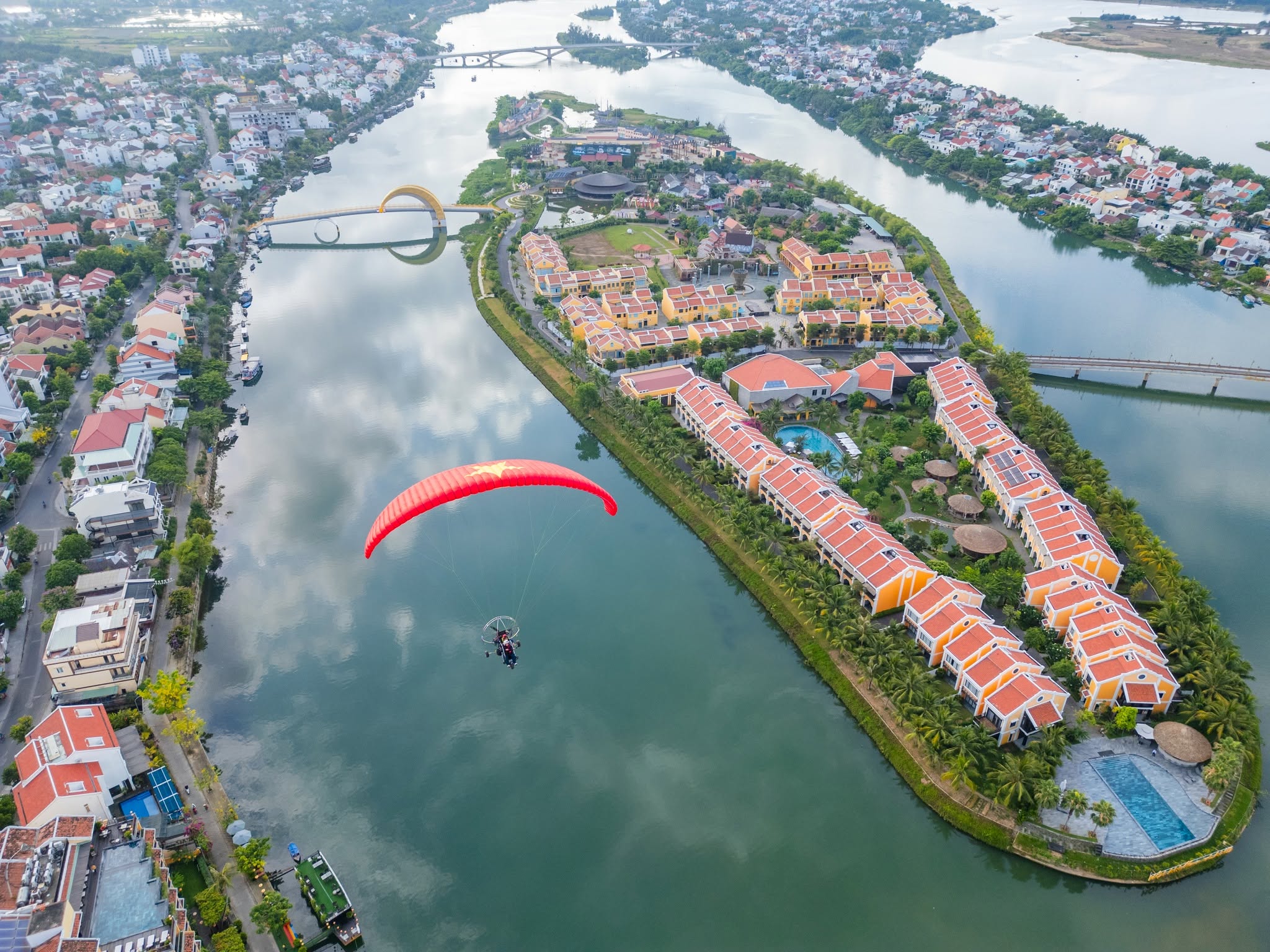
Located on Con Hen Island in the Hoai River, Hoi An Memories Land is a cultural, entertainment and resort complex.
Its main attractions include Hoi An Impression Theme Park and the Hoi An Memories Show, a large-scale outdoor performance inspired by the history and cultural traditions of Hoi An.
Traditional Boat Rides on the Hoai River
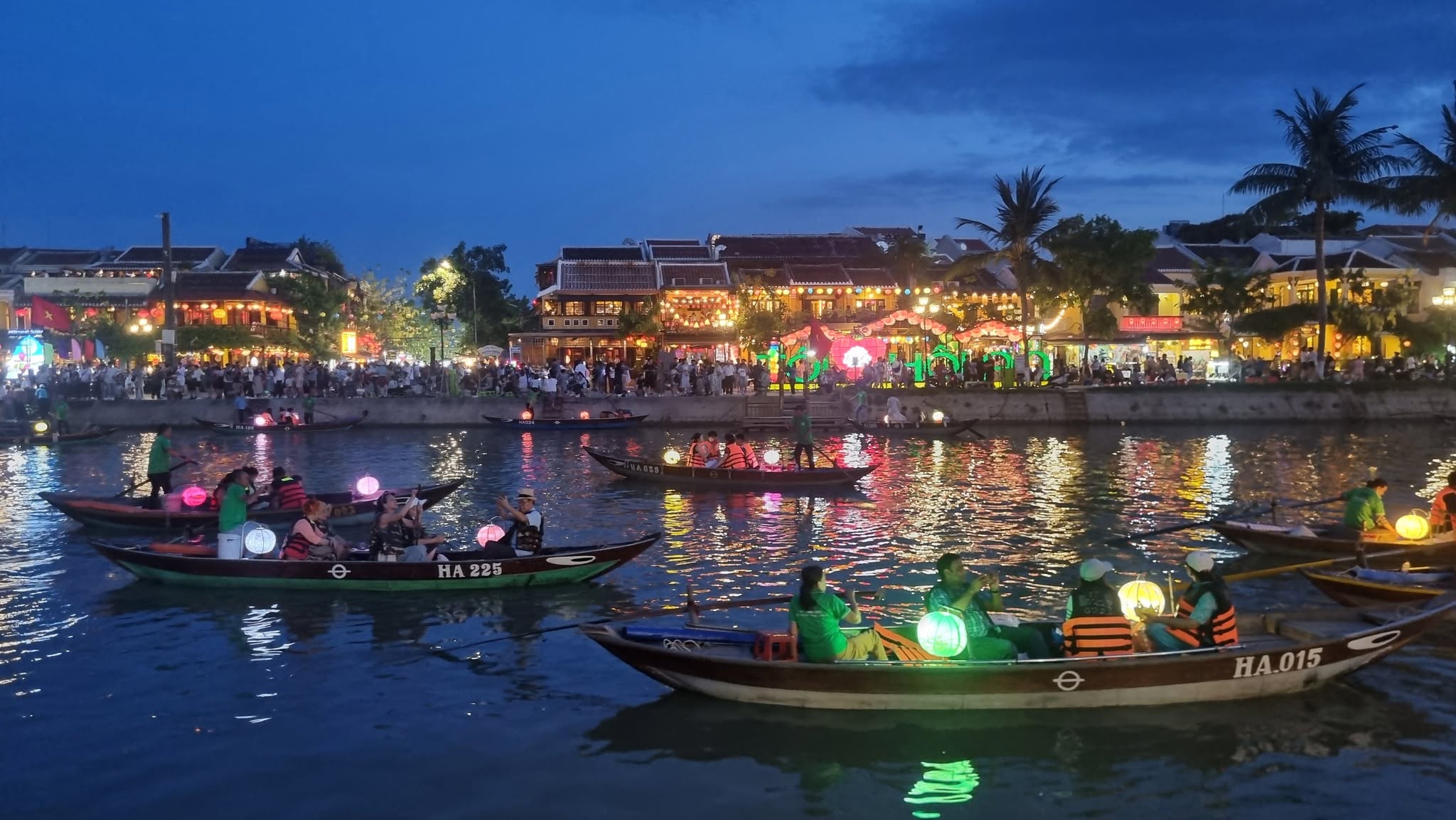
One of the most memorable activities in Hoi An is taking a traditional wooden boat ride along the Hoai River.
Local boat operators use small wooden boats to take visitors along the river, offering a different perspective of the ancient town.
Many traditional sightseeing boats are manually rowed, allowing passengers to enjoy the peaceful surroundings without the noise of a motor.
During the journey, visitors can admire historic buildings, riverside markets and the daily activities of local residents.
Boat operators may also share stories about life in Hoi An, providing a personal connection to the town’s traditions.
Late afternoon and early evening are particularly popular times for boat rides, when the sunlight softens and lanterns begin to illuminate the streets.
Hoai River boat ride prices vary depending on the number of passengers, trip duration, operating conditions and additional services. Visitors should confirm the price and duration before boarding.
Floating Lanterns on the Hoai River
Releasing floating lanterns is one of the most recognizable nighttime experiences in Hoi An.
As darkness falls, small candle-lit lanterns are placed on the water, creating a colorful display against the historic buildings and illuminated streets.
The activity is traditionally associated with wishes for peace, happiness and good fortune.
Floating lanterns are especially popular during cultural celebrations and lunar calendar events, when the riverside becomes particularly lively.
Visitors can purchase lanterns from local vendors or include the experience as part of a boat ride.
To help protect the river environment, travelers are encouraged to choose environmentally friendly lanterns and follow local waste collection guidelines.
Best Time to Visit the Hoai River
The Hoai River offers different experiences throughout the day.
Morning: The riverside is generally quieter, making it a good time for walking, photography and observing local daily life.
Afternoon: Softer sunlight creates beautiful reflections on the water, providing an ideal setting for sightseeing and boat rides.
Evening: The river becomes especially atmospheric as lanterns light up the ancient town, boats move across the water and visitors gather along the riverside.
Travelers should also consider seasonal weather conditions.
During Central Vietnam’s rainy and flood season, some boat services and riverside activities may be temporarily suspended for safety reasons.
Why Visit the Hoai River in Hoi An?
The Hoai River is much more than a scenic waterway. It is closely connected to the history, culture and daily life of Hoi An.
For centuries, the river and its surrounding waterways supported local communities, trade and transportation.
Today, the Hoai River continues to bring people together through tourism, traditional boat services, cultural celebrations and everyday riverside activities.
For international visitors, a boat ride at sunset, an evening walk along Bach Dang Street or the sight of floating lanterns on the water can become one of the most memorable moments of a trip to Hoi An.
If you are planning to explore Hoi An Ancient Town, make time to discover the Hoai River and experience the timeless atmosphere of one of Vietnam’s most charming historic destinations.