

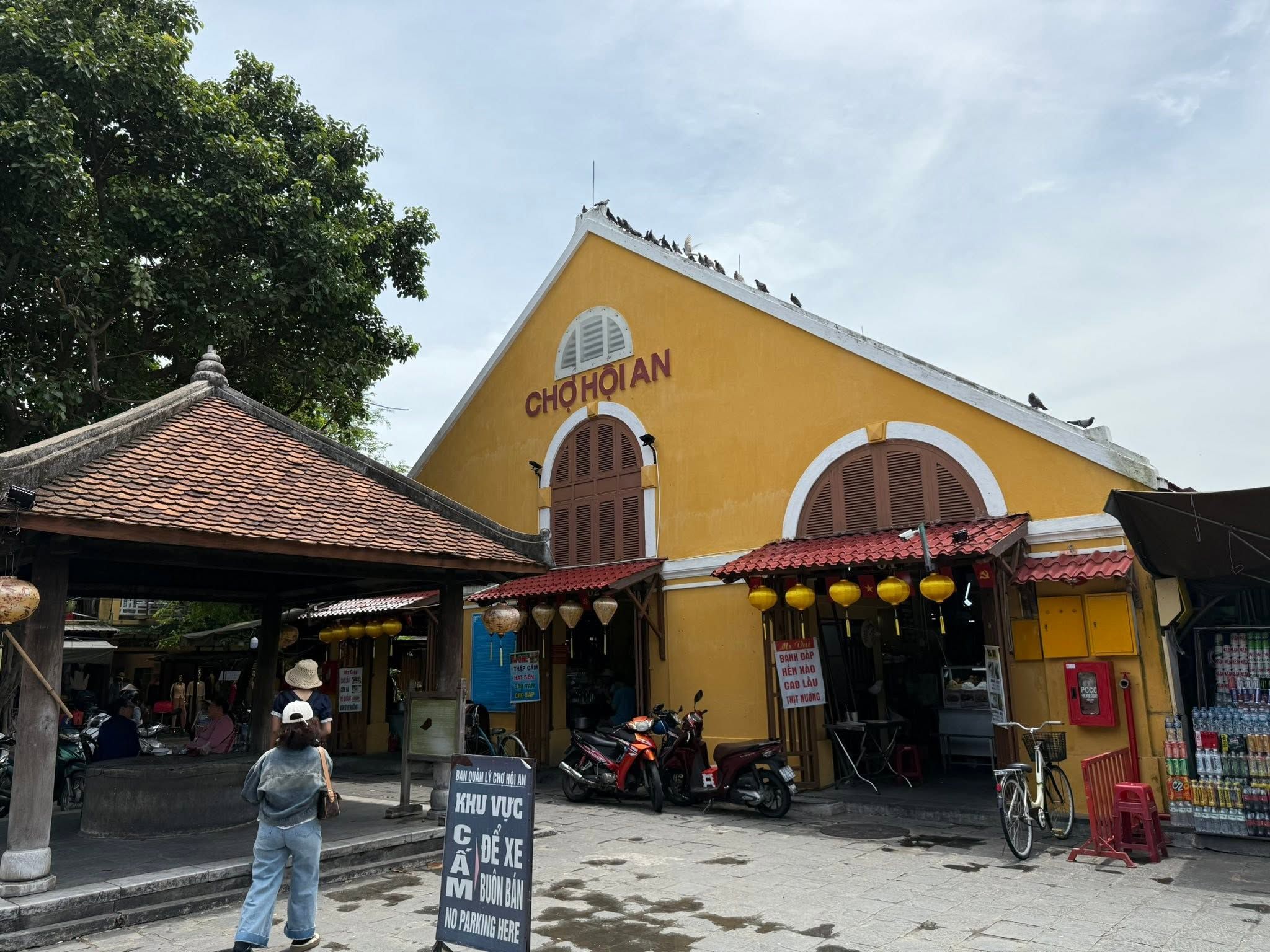
Located in the heart of the historic town, Hoi An Market is one of the most distinctive traditional markets in Hoi An and a popular shopping destination for visitors. Beyond serving the everyday needs of local residents, the market preserves the commercial traditions of a historic trading town that once flourished along the Thu Bon River.
Situated along Tran Phu Street, close to the riverside Bach Dang Street, Hoi An Market occupies a convenient location within the central area of Hoi An Ancient Town. Visitors can easily combine a trip to the market with sightseeing, riverside walks, local food experiences, souvenir shopping, and an exploration of everyday community life.
The market retains the atmosphere of a traditional Central Vietnamese marketplace. Its stalls are generally organized by product categories, offering vegetables, tropical fruits, spices, fresh produce, seafood, dried foods, fabrics, household goods, clothing, footwear, leather products, and souvenirs.
Although relatively compact, Hoi An Market has a distinctive charm thanks to its colorful displays, lively trading atmosphere, and close connection with the daily life of the ancient town.
History of Hoi An Market
According to historical information from the Hoi An Center for World Cultural Heritage Preservation, the present-day Hoi An Market, located in Hoi An Ward, was established around 1848, following the development of Nguyen Thai Hoc Street after 1840.
Before moving to its current location, the market operated in front of Ong Voi Communal House, also known as Hoi An Communal House. The former market area extended along Le Loi Street toward Tran Phu Street and the riverbank.
Relocating the market to its present site created more favorable conditions for commercial activities, as the new location was close to residential neighborhoods, waterways, and important streets within the historic town.
Hoi An Market is more than a place for buying and selling goods. It reflects part of the long history of commerce that shaped Hoi An.
In its early development, trading activities primarily involved agricultural products, handicrafts, and fishery products that served the needs of local communities.
As the commodity economy expanded and Hoi An strengthened its commercial connections with merchants from different regions, trading activities gradually spread throughout the urban area.
During the heyday of Hoi An as an international trading port, the entire town was sometimes described as a “large marketplace”, where goods from many regions converged through river and overland transportation routes.
Products from the upper, middle, and lower reaches of the Thu Bon River, coastal settlements, and neighboring regions were brought to Hoi An, contributing to the prosperity of the historic port.
Today, the scale and nature of commercial activities have changed considerably, but Hoi An Market continues to preserve elements of its traditional trading culture.
Its stalls offer a diverse selection of products, including agricultural produce from villages around Hoi An, textiles, handicrafts, freshwater and marine products, and regional specialties from Quang Nam’s historical cultural area, such as areca nuts, cinnamon, pepper, chili, and dried foods.
The market therefore provides an opportunity to experience the commercial heritage of Hoi An through the ordinary activities of local vendors and shoppers.
What to Buy at Hoi An Market
Hoi An Market is an excellent place to discover local products, traditional snacks, handmade souvenirs, and everyday goods.
Whether visitors are looking for edible gifts, colorful fabrics, handcrafted accessories, or regional ingredients, the market offers a wide range of shopping experiences.
Local Specialties, Traditional Cakes, and Edible Souvenirs
Stalls selling traditional cakes, dried foods, and local specialties are among the most appealing places for travelers looking for authentic gifts from Hoi An and Central Vietnam.
Popular products include Hoi An mung bean cakes, banh it la gai (sticky rice cakes wrapped in ramie leaves), banh thuan (traditional sponge cakes), banh to (sticky rice cakes), banh su se (Vietnamese wedding cakes), toasted coconut crackers, sesame candies, dried sesame cakes, Hoi An chili sauce, dried noodles, dried cao lau noodles, spices, tea, candied fruits, nuts, and other preserved foods.
These products reflect the culinary traditions of Hoi An and the surrounding region.
Many are convenient to carry home, making them suitable souvenirs for visitors who want to share local flavors with family and friends.
Coffee is another popular option for travelers interested in bringing a taste of Vietnam home.
At the market and nearby shops in the ancient town, visitors may find instant coffee, whole coffee beans, ground coffee, and roasted coffee products.
Traditional Vietnamese coffee filters, cups, spoons, and compact brewing accessories are also available, making coffee-related products practical gifts.
When purchasing food products, visitors should check the expiration date, storage instructions, packaging quality, and suitability for long-distance transportation.
Fresh Produce, Herbs, and Regional Ingredients
One of the most interesting features of Hoi An Market is its lively selection of fresh agricultural products.
Stalls display tropical fruits, vegetables, aromatic herbs, spices, and other ingredients commonly used in Central Vietnamese cuisine.
Visitors can discover many of the fresh herbs and vegetables that contribute to the distinctive flavors of cao lau, mi Quang (Quang-style noodles), and traditional home-cooked dishes.
Fresh produce is brought to the market from agricultural villages and surrounding rural communities.
Green vegetables, aromatic herbs, pumpkin flowers, seasonal fruits, fish, shrimp, and seafood arrive through networks of local farmers, fishermen, and traders.
These products highlight the relationship between Hoi An Ancient Town and the agricultural, riverine, and coastal communities surrounding it.
For travelers interested in Vietnamese food culture, exploring the fresh produce section offers a fascinating introduction to the ingredients behind the region’s best-known dishes.
Souvenirs and Traditional Handicrafts
In addition to food products, Hoi An Market offers a variety of compact souvenirs and handmade items.
Popular choices include colorful lanterns, fabric bags, woven baskets, keychains, greeting cards, paintings, decorative objects, and handicrafts made from wood, rattan, bamboo, and ceramics.
Visitors may also find bracelets, handmade jewelry, small accessories, and products decorated with motifs inspired by the architecture and cultural identity of Hoi An Ancient Town.
Traditional lanterns are particularly associated with Hoi An and make memorable souvenirs.
Small decorative lanterns, textile accessories, and locally inspired handicrafts are suitable for travelers who want to take home a reminder of the town’s distinctive atmosphere.
When buying fragile items such as ceramics, paintings, lanterns, or decorative objects, visitors should ask vendors to package them carefully for transportation.
Leather Goods, Footwear, Clothing, and Accessories
The market and surrounding streets feature numerous shops selling clothing, handbags, leather wallets, belts, sandals, shoes, scarves, hats, and fashion accessories.
These products appeal to visitors looking for practical items, varied designs, and a range of prices.
Some shops specialize in leather accessories, while others offer casual clothing, traditional-inspired garments, and everyday footwear.
As with many traditional markets, prices may vary between stalls depending on materials, workmanship, and product quality.
Visitors are encouraged to browse several shops, compare products, and ask about prices before making a purchase.
Polite and friendly bargaining is a familiar part of the shopping experience in traditional Vietnamese markets.
Fabrics and Hoi An’s Tailoring Experience
Fabrics are among the products that attract considerable interest from visitors exploring Hoi An.
Local fabric shops offer a variety of materials, colors, patterns, and textures suitable for clothing and personal tailoring.
Hoi An is also widely known for its custom tailoring services, particularly among international travelers seeking made-to-measure garments.
Popular items include traditional Vietnamese ao dai, dresses, shirts, suits, trousers, and other personalized clothing.
After selecting a fabric, customers can discuss the preferred design, color, pattern, measurements, and completion time with a tailor.
Travelers planning to use tailoring services should allow sufficient time for fabric selection, measurements, fittings, and final adjustments.
If staying in Hoi An for more than one day, it is advisable to visit a tailor early in the trip to ensure the finished garments can be collected before departure.
Experiencing the Atmosphere of Hoi An Market
The appeal of Hoi An Market extends far beyond the products displayed for sale.
Its greatest charm lies in the daily rhythm of a traditional marketplace, where local residents shop for ingredients, vendors arrange their goods, and traders bring produce from nearby villages into the historic town.
Visitors can observe how residents select fresh food, negotiate prices, prepare ingredients, and interact with familiar market vendors.
These ordinary activities offer an authentic glimpse into local life and help explain why traditional markets remain important social spaces in Vietnamese communities.
Early morning is one of the best times to visit Hoi An Market.
During the morning hours, the fresh produce sections are particularly lively, with vegetables, seafood, fruits, and other ingredients displayed in abundance.
The market is busy with local shoppers preparing for the day, creating an energetic atmosphere that is especially interesting for visitors who enjoy photography, food culture, and everyday street life.
Late afternoon is another convenient time to explore the market, particularly for travelers who want to combine shopping with a walk through Hoi An Ancient Town and along the riverside.
When purchasing traditional cakes, snacks, or other food souvenirs, visitors should check expiration dates, storage requirements, and packaging conditions.
For packaged products, choosing items with clear manufacturer information and usage instructions can help ensure quality and convenience.
When shopping for handicrafts, clothing, leather goods, footwear, or accessories, comparing several stalls before purchasing is recommended.
Bargaining should remain friendly and respectful, helping turn a simple transaction into an enjoyable cultural exchange.
For tailoring services, visitors should explain their preferred design clearly, ask about the completion schedule, and arrange a fitting before collecting the finished garments.
Taking these small steps can make the shopping experience more enjoyable and help visitors select products that suit their preferences and travel plans.
Nearby Attractions and Suggested Experiences
Thanks to its central location, Hoi An Market can easily be included in a walking itinerary through Hoi An Ancient Town.
After exploring the market, visitors can continue along the historic streets to discover some of the town’s most famous cultural landmarks.
The Japanese Covered Bridge (Chua Cau) is one of Hoi An’s most recognizable architectural symbols, reflecting the town’s multicultural trading history.
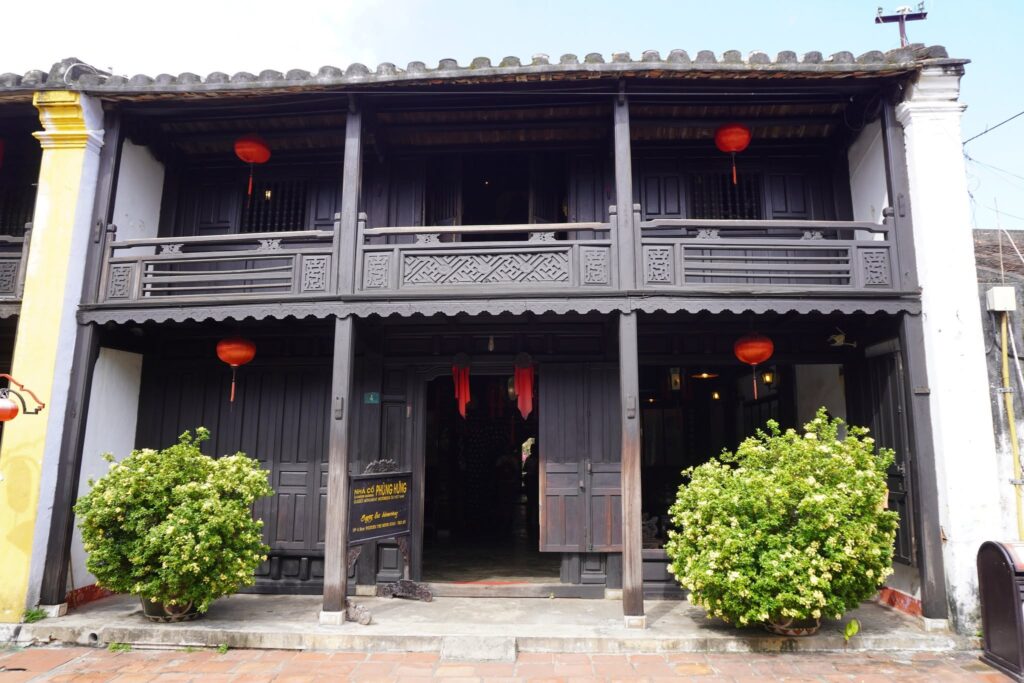
Visitors can also explore historic Chinese assembly halls, traditional merchant houses, and other heritage buildings that preserve the architectural and cultural character of the ancient town.
The nearby Hoai River waterfront provides a pleasant setting for a leisurely walk, especially toward the evening when the streets and riverside become increasingly lively.
Travelers may also combine their market visit with an evening exploration of Hoi An Night Market, lantern-lit streets, local food stalls, and traditional floating lantern experiences where permitted.
For those interested in culinary discovery, the surrounding area offers opportunities to try famous Hoi An dishes such as cao lau, mi Quang, chicken rice, and local street food.
Tour agencies and transportation providers around the ancient town can also assist visitors in arranging excursions to traditional craft villages and nearby attractions.
Before booking any service, travelers should confirm the itinerary, price, cancellation conditions, and operator contact information.
A visit to Hoi An Market is therefore more than a shopping trip.
It is an opportunity to discover a living part of Hoi An’s cultural heritage, where rural produce, river and sea products, traditional fabrics, handmade crafts, and everyday necessities come together in a marketplace shaped by generations of local commerce.
For visitors seeking an authentic experience of Hoi An beyond its famous monuments, the market offers a colorful and engaging introduction to the town’s everyday traditions.
Quick Facts
| Information | Details |
|---|---|
| Official name | Hoi An Market |
| Vietnamese name | Chợ Hội An |
| Address | Tran Phu – Bach Dang – Tran Quy Cap – Tieu La area, Hoi An Ward, Da Nang, Vietnam |
| Location | Central Hoi An Ancient Town |
| Established | Around 1848, according to historical reference material |
| Market type | Traditional market in a historic urban setting |
| Main products | Fresh produce, seafood, dried foods, local specialties, fabrics, handicrafts, souvenirs, clothing, leather goods, and accessories |
| Popular local specialties | Traditional cakes, spices, chili sauce, dried noodles, tea, candied fruits, and regional products |
| Tailoring services | Fabric shops and custom tailoring services available in the surrounding Hoi An area |
| Typical opening hours | Approximately 5:00 AM – 6:00 PM daily |
| Best time to visit | Morning for the traditional market atmosphere; late afternoon for shopping and sightseeing |
| Nearby attractions | Japanese Covered Bridge, Chinese assembly halls, historic houses, and Hoai River waterfront |
Location: Tran Phu – Bach Dang – Tran Quy Cap – Tieu La area, Hoi An Ward, Da Nang, Vietnam.